
Ready to leave?
Oops ! Condition name you have entered is invalid.
You are now leaving Aposbook.com and going to an external site managed by another organization.
Please confirm your email address and try to login again.
This account has been deleted. do you want to restore it?
A verification link will be sent to within the next 2 minutes. Please click it to validate your e mail.
*If you didn't get the link, please check your spam folder
As a registered user, you can benefit from the various free tools and services that we provide.
All you need to do is log in to start discussing with others, interacting, asking questions, and sharing your point of view about the various topics.
You can also write reviews and testimonials about any natural solution you have tried and share your experience. Your feedback can be very helpful.
If you are a health expert, you can add information about any topic or suggest text edit. You can also publish content, including articles and videos, about any topic from the related library section.
Together we can help.
The Aposbook Team
A validation link will be sent to you by email. Please confirm your address to log in
*If you didn't get the link, please check your spam folder

Please log in to use this feature
Your account has been suspended because you have violated our code of conduct. If you think this was a mistake, you can contact us by email at: support@aposbook.com "Contact us" form.
Success! Thank you for your feedback. Your contribution can make a difference. Together we can help each other.
Acne is a common inflammatory skin condition that affects people of all ages, although it is particularly common among teenagers due to hormonal changes during puberty. It is characterized by pimples and other skin blemishes, mainly on the face, chest, shoulders and back.
Acne develops through several interacting processes, including excess sebum (skin oil) production, the accumulation of dead skin cells that block hair follicles, the involvement of Cutibacterium acnes …
Acne is a common inflammatory skin condition that affects people of all ages, although it is particularly common among teenagers due to hormonal changes during puberty. It is characterized by pimples and other skin blemishes, mainly on the face, chest, shoulders and back.
Acne develops through several interacting processes, including excess sebum (skin oil) production, the accumulation of dead skin cells that block hair follicles, the involvement of Cutibacterium acnes bacteria and inflammation.
From the ketogenic diet perspective, particular attention is given to the following factors:
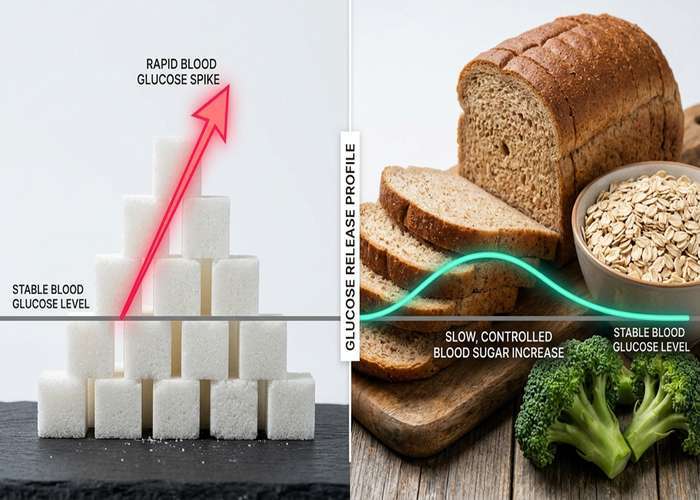
- High-glycemic foods and insulin activity: Consuming foods with a high glycemic load can increase blood glucose and insulin levels. This may stimulate insulin-like growth factor 1 (IGF-1) activity and androgen signaling, potentially increasing sebum production and contributing to acne development.
- Hormonal fluctuations: Androgens, such as testosterone, stimulate the sebaceous glands to produce more sebum, which can contribute to clogged pores and acne breakouts. Changes in estrogen and progesterone levels, particularly during the menstrual cycle, may also influence acne severity.
- Inflammation: Inflammation plays a central role in acne development. The immune system's response to blocked follicles and C. acnes bacteria can trigger inflammatory reactions, resulting in redness, swelling and acne lesions.
- Metabolic factors: Insulin resistance and disturbances in insulin and IGF-1 signaling may influence sebaceous gland activity and skin cell growth. These metabolic changes may contribute to processes involved in acne development.
Learn everything about acne and find all the natural solutions for acne including various diet programs, alternative medicine, vitamins, supplements, herbal medicine, and home remedies.
The ketogenic diet may help improve acne by addressing several hormonal and metabolic factors associated with its development. Its potential benefits include:
- Regulating hormone levels: Keto may help regulate insulin and androgen activity, which are involved in controlling sebum production and can influence acne development.
- Reducing excess sebum production: By potentially improving insulin and IGF-1 regulation, keto may help reduce hormonal stimulation of the sebaceous …
The ketogenic diet may help improve acne by addressing several hormonal and metabolic factors associated with its development. Its potential benefits include:
- Regulating hormone levels: Keto may help regulate insulin and androgen activity, which are involved in controlling sebum production and can influence acne development.
- Reducing excess sebum production: By potentially improving insulin and IGF-1 regulation, keto may help reduce hormonal stimulation of the sebaceous glands, which produce the skin's natural oil.
- Reducing inflammation: Ketosis may influence inflammatory pathways in the body, potentially helping reduce some of the inflammation involved in acne development.
- Supporting metabolic balance: Keto may help improve certain metabolic factors associated with acne, particularly insulin regulation, which may contribute to better hormonal balance and skin health.
A study titled “The Effect of the Ketogenic Diet on Acne: Could It Be a Therapeutic Tool?” (2024) explored the potential benefits of the ketogenic diet for acne, examining its effects on insulin regulation, hormonal activity, inflammation and oxidative stress.
The review suggested that keto may influence several mechanisms involved in acne development, although further clinical research is needed to establish its effectiveness as an acne treatment.
The ketogenic diet works by substantially reducing carbohydrate intake, which changes how the body regulates blood glucose, insulin and energy metabolism.
When carbohydrate intake decreases, less glucose enters the bloodstream after meals, reducing the need for insulin secretion. As insulin levels decline, the body increasingly relies on fatty acids for energy. The liver also converts fatty acids into ketone bodies, particularly beta-hydroxybutyrate (BHB), acetoacetate and acetone. This metabolic state is known …
The ketogenic diet works by substantially reducing carbohydrate intake, which changes how the body regulates blood glucose, insulin and energy metabolism.
When carbohydrate intake decreases, less glucose enters the bloodstream after meals, reducing the need for insulin secretion. As insulin levels decline, the body increasingly relies on fatty acids for energy. The liver also converts fatty acids into ketone bodies, particularly beta-hydroxybutyrate (BHB), acetoacetate and acetone. This metabolic state is known as ketosis.
These changes may influence acne-related processes in several ways:
- Insulin and IGF-1 regulation: Lower insulin levels may reduce insulin-like growth factor 1 (IGF-1) signaling and activity in related pathways, including PI3K/Akt/mTOR. These pathways are involved in sebaceous gland activity, cell growth and sebum production.
- Androgen regulation: Reduced insulin levels may increase sex hormone-binding globulin (SHBG), a protein that binds circulating androgens such as testosterone. This may reduce the amount of biologically active testosterone available to stimulate sebaceous glands.
- Inflammatory regulation: The ketone body BHB may influence inflammatory pathways, including the NLRP3 inflammasome, potentially reducing the activity of certain inflammatory processes.
Through these metabolic changes, keto may influence hormonal signaling, sebum production and inflammation, which are all involved in acne development. However, these mechanisms are still being investigated, and their clinical effects on acne have not been firmly established.
There are currently no standardized ketogenic diet guidelines specifically established for acne. Therefore, individuals following keto for acne generally use the standard ketogenic diet guidelines, which recommend the following macronutrient distribution:
- Fat: 70–80% of daily calories.
- Protein: 10–20% of daily calories.
- Carbohydrates: 5–10% of daily calories, generally around 20–50 grams per day.
These proportions represent general ketogenic diet guidelines and may be adjusted according …
There are currently no standardized ketogenic diet guidelines specifically established for acne. Therefore, individuals following keto for acne generally use the standard ketogenic diet guidelines, which recommend the following macronutrient distribution:
- Fat: 70–80% of daily calories.
- Protein: 10–20% of daily calories.
- Carbohydrates: 5–10% of daily calories, generally around 20–50 grams per day.
These proportions represent general ketogenic diet guidelines and may be adjusted according to individual nutritional needs and health status. There is also no established duration for following a ketogenic diet specifically for acne.
The various food types incorporated into the keto diet are generally high in healthy fats, moderate in protein and very low in carbohydrates. Maintaining the proper proportions is important to achieve and sustain ketosis. Food quality is also important, particularly when considering the potential relationship between diet, insulin regulation and acne.
Below is a list of the various food types for the keto diet:
- Healthy fats: Incorporate healthy fat …
The various food types incorporated into the keto diet are generally high in healthy fats, moderate in protein and very low in carbohydrates. Maintaining the proper proportions is important to achieve and sustain ketosis. Food quality is also important, particularly when considering the potential relationship between diet, insulin regulation and acne.
Below is a list of the various food types for the keto diet:
- Healthy fats: Incorporate healthy fat sources daily, such as extra virgin olive oil, coconut oil, avocado oil, avocados, olives, nuts and seeds. Prioritize unsaturated fats from olive oil, avocados, nuts and seeds rather than relying heavily on butter and other sources of saturated fat.
- Meat and poultry: Suitable options include beef, chicken, turkey, lamb and pork. Choose fresh, minimally processed meat and poultry. Avoid consuming excessive amounts of processed meats such as sausages, bacon and cold cuts, as they may contain added carbohydrates and high amounts of sodium.
- Dairy: Some dairy products can be incorporated into the keto diet, including full-fat cheese, plain Greek yogurt, cottage cheese and butter, provided their carbohydrate content fits within the daily allowance. However, dairy deserves particular attention in an acne-focused diet. Some studies have associated milk consumption, especially skim milk, with acne, although the evidence is not conclusive. Monitor individual responses and consider limiting milk if it appears to worsen breakouts.
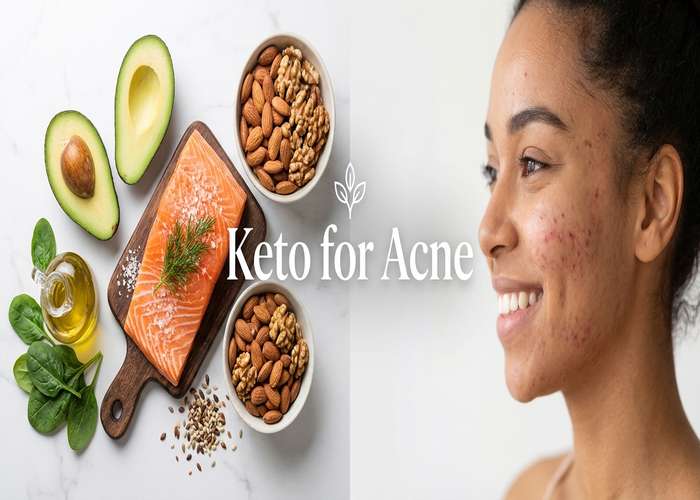
- Fish: Fatty fish such as salmon, sardines, mackerel, herring and trout are particularly good choices because they provide omega-3 fatty acids, which have been studied for their potential anti-inflammatory effects. Other options include tuna, cod and shrimp. Avoid breaded fish because the coating usually contains carbohydrates.
- Non-starchy vegetables: Non-starchy vegetables are important sources of fiber, vitamins, minerals and antioxidants. Suitable options include leafy greens (kale, Swiss chard, spinach and lettuce), cauliflower, broccoli, Brussels sprouts, asparagus, bell peppers, zucchini, cucumber, celery, mushrooms and cabbage. Most non-starchy vegetables can be incorporated in appropriate portions while maintaining the recommended carbohydrate limit.
- Fruits: Fruits that are low in net carbohydrates, particularly berries, can be consumed in moderation. Suitable options include strawberries, raspberries and blackberries. Avocados and olives are also suitable because they contain very little carbohydrate and provide healthy fats.
- Nuts and seeds: Nuts and seeds can be consumed in moderation as snacks or added to meals. Suitable options include walnuts, almonds, macadamia nuts, pecans, chia seeds, flaxseeds, pumpkin seeds and sunflower seeds. Walnuts and flaxseeds are particularly useful sources of plant-based omega-3 fatty acids. Avoid consuming large portions because nuts and seeds are calorie-dense.
- Dark chocolate: Dark chocolate containing 85–100% cocoa and unsweetened cocoa powder can be consumed in small amounts. Choose products with little or no added sugar and check their carbohydrate content, as it varies between brands.
- Drinks: Water is the best choice for staying hydrated because it contains no carbohydrates. Unsweetened coffee and tea can also be consumed. Avoid sugary soft drinks, sweetened coffee, energy drinks and fruit juices. It is important not to add sugar, as even small amounts can contribute significantly to the daily carbohydrate allowance.
Following a ketogenic diet for acne requires careful food selection and balanced meal planning. In addition to restricting carbohydrates, it is important to prioritize nutrient-dense foods, maintain adequate protein and fiber intake, and support overall metabolic health. The following recommendations can help guide a balanced approach.
- Prioritize healthy fats: Choose sources of unsaturated fats such as olive oil, avocados, nuts, seeds …
Following a ketogenic diet for acne requires careful food selection and balanced meal planning. In addition to restricting carbohydrates, it is important to prioritize nutrient-dense foods, maintain adequate protein and fiber intake, and support overall metabolic health. The following recommendations can help guide a balanced approach.
- Prioritize healthy fats: Choose sources of unsaturated fats such as olive oil, avocados, nuts, seeds and fatty fish rather than relying heavily on butter, cream and other sources of saturated fat.
- Include omega-3 fatty acids: Consume fatty fish such as salmon, sardines and mackerel, as well as walnuts and flaxseeds, which provide omega-3 fatty acids with potential anti-inflammatory benefits.
- Eat plenty of non-starchy vegetables: Include leafy greens, broccoli, cauliflower, zucchini and other low-carbohydrate vegetables to provide fiber, vitamins, minerals and antioxidants.
- Choose high-quality protein sources: Include fish, eggs, poultry and minimally processed meat to maintain adequate protein intake.
- Choose nutrient-dense foods: Prioritize fresh and minimally processed foods that provide essential nutrients rather than relying on packaged keto products.
- Maintain adequate hydration: Drink enough water throughout the day to support normal body functions and prevent dehydration.
- Monitor your skin's response: Observe whether acne symptoms change after starting the diet. Individual responses to foods can vary.
- Maintain a balanced nutritional intake: Ensure that carbohydrate restriction does not result in inadequate fiber, vitamins, minerals or overall calorie intake.
- Avoid high-carbohydrate and sugary foods: Limit sweets, pastries, sugary cereals, desserts and other foods that can quickly increase blood glucose and insulin levels.
- Avoid sugary drinks: Eliminate soft drinks, sweetened juices, energy drinks and sweetened coffee beverages, which can contain substantial amounts of added sugar.
- Limit refined carbohydrates: Avoid or significantly reduce white bread, white rice, pasta and other refined grain products because they are generally high in carbohydrates.
- Limit highly processed foods: Avoid relying heavily on processed keto snacks, desserts and packaged products, which may contain low-quality fats, added sugars and unnecessary additives.
- Avoid excessive saturated fat: Do not rely heavily on butter, cream, fatty cuts of meat and processed meats as primary sources of fat.
- Monitor dairy consumption: Some research has associated milk consumption, particularly skim milk, with acne. If you notice worsening breakouts after consuming dairy, consider reducing it and monitoring your skin's response.
- Be cautious with whey protein supplements: Whey protein has been associated with acne in some studies. If breakouts worsen after using these supplements, consider alternative protein sources.
- Avoid excessive protein intake: Maintain an appropriate protein intake within your daily macronutrient targets rather than consuming excessive amounts.
- Do not neglect vegetables and fiber: Restricting carbohydrates should not mean eliminating non-starchy vegetables, which provide important nutrients and support digestive health.
- Avoid extreme calorie restriction: Do not combine keto with unnecessarily severe calorie restriction, as this may compromise nutritional intake and overall health.
People considering a ketogenic diet for acne should take certain precautions to ensure that carbohydrate restriction does not compromise their nutritional health. It is also important to recognize that the potential benefits of keto for acne are still being investigated.
- Consult a healthcare professional: Discuss significant dietary changes with a qualified healthcare professional, particularly if you have an underlying medical condition or are taking medication.
- Monitor your skin's response …
People considering a ketogenic diet for acne should take certain precautions to ensure that carbohydrate restriction does not compromise their nutritional health. It is also important to recognize that the potential benefits of keto for acne are still being investigated.
- Consult a healthcare professional: Discuss significant dietary changes with a qualified healthcare professional, particularly if you have an underlying medical condition or are taking medication.
- Monitor your skin's response: Pay attention to changes in acne severity after starting the diet. Individual responses can vary, and improvements are not guaranteed.
- Maintain adequate nutrient intake: Ensure that carbohydrate restriction does not lead to insufficient fiber, vitamins, minerals or essential nutrients. Include a variety of non-starchy vegetables, nuts, seeds and other nutrient-dense foods.
- Pay attention to dairy and whey products: Some research has associated milk and whey protein consumption with acne in certain individuals. Monitor whether these foods appear to worsen your breakouts rather than eliminating entire food groups unnecessarily.
- Monitor cholesterol levels: The ketogenic diet may increase LDL cholesterol in some individuals. Maintaining a healthy balance of dietary fats and monitoring lipid levels may be particularly important for people with existing cholesterol abnormalities.
- Consider existing acne medications: Some acne treatments, particularly isotretinoin, require monitoring of blood lipids. If you are taking such medication, discuss dietary changes with your prescribing healthcare professional and follow the recommended monitoring schedule.
- Avoid excessive calorie restriction: Ensure that you consume enough calories to meet your nutritional needs. Severe calorie restriction can compromise nutritional health and should not be combined with an already restrictive diet without professional guidance.
- Consider underlying health conditions: People with diabetes, kidney or liver disease, or a history of eating disorders should seek medical guidance before starting a ketogenic diet.
The ketogenic diet is not known to cause side effects that are specific to people with acne. However, it can cause several general side effects, particularly during the initial adaptation period as the body adjusts to a substantial reduction in carbohydrate intake. These include:
- Keto flu: Some people experience headaches, fatigue, dizziness, nausea and irritability during the initial adaptation period.
- Dehydration: Lower insulin levels can increase sodium …
The ketogenic diet is not known to cause side effects that are specific to people with acne. However, it can cause several general side effects, particularly during the initial adaptation period as the body adjusts to a substantial reduction in carbohydrate intake. These include:
- Keto flu: Some people experience headaches, fatigue, dizziness, nausea and irritability during the initial adaptation period.
- Dehydration: Lower insulin levels can increase sodium and water excretion, potentially causing dehydration, particularly during the early stages of the diet.
- Electrolyte imbalances: Changes in fluid balance may affect sodium, potassium and magnesium levels, potentially contributing to muscle cramps, weakness and dizziness.
- Constipation: Restricting carbohydrate-rich foods without consuming enough low-carbohydrate vegetables, nuts and seeds may reduce fiber intake and cause constipation.
- Digestive discomfort: Increasing fat intake substantially may cause nausea, bloating, diarrhea or other gastrointestinal symptoms.
- Bad breath: Increased ketone production can lead to a distinctive fruity or acetone-like odor on the breath.
- Fatigue and reduced exercise tolerance: Some individuals experience tiredness or reduced physical performance while adapting to the diet.
- Changes in cholesterol levels: The ketogenic diet may increase LDL cholesterol in some people, particularly when dietary fat intake is high in saturated fats.
Most initial adaptation symptoms tend to improve as the body adjusts to the diet. However, persistent or severe symptoms should be evaluated by a healthcare professional. Significant dehydration, persistent vomiting or severe weakness should not be ignored.
AposBook Team
Published on November 2, 2026
Disclaimer: The information published is based on scientific research and credible medical sources available at the time of writing. AI-assisted tools were also used to support the research and drafting process. It is provided for educational and informational purposes and is not intended to replace professional medical advice, diagnosis or treatment.
Medical knowledge, scientific evidence and clinical recommendations may evolve as new research becomes available. Always consult your doctor or another qualified healthcare professional with questions about your health or before making significant changes to your diet, medication or treatment plan.
Rate each parameters
Support images
You can review a solution if you have used it personally. Please remain objective and genuine. Your input can help others.
You have already reviewed this
Please rate all parameters.
Success! Thank you for your feedback. Your contribution can make a difference. Together we can help each other.
[0]