Ready to leave?
Oops ! Condition name you have entered is invalid.
You are now leaving Aposbook.com and going to an external site managed by another organization.
Please confirm your email address and try to login again.
This account has been deleted. do you want to restore it?
A verification link will be sent to within the next 2 minutes. Please click it to validate your e mail.
*If you didn't get the link, please check your spam folder
As a registered user, you can benefit from the various free tools and services that we provide.
All you need to do is log in to start discussing with others, interacting, asking questions, and sharing your point of view about the various topics.
You can also write reviews and testimonials about any natural solution you have tried and share your experience. Your feedback can be very helpful.
If you are a health expert, you can add information about any topic or suggest text edit. You can also publish content, including articles and videos, about any topic from the related library section.
Together we can help.
The Aposbook Team
A validation link will be sent to you by email. Please confirm your address to log in
*If you didn't get the link, please check your spam folder

Please log in to use this feature
Your account has been suspended because you have violated our code of conduct. If you think this was a mistake, you can contact us by email at: support@aposbook.com "Contact us" form.
Success! Thank you for your feedback. Your contribution can make a difference. Together we can help each other.
Eczema refers to a group of skin conditions that cause dry, red, irritated and itchy skin. The most common type is atopic dermatitis, a chronic inflammatory condition associated with impaired skin-barrier function and abnormal immune responses. Other types include contact dermatitis, neurodermatitis, dyshidrotic eczema, nummular eczema, seborrheic dermatitis and stasis dermatitis.
Although the exact causes of eczema are not fully understood, several factors contribute to its development, including genetic …
Eczema refers to a group of skin conditions that cause dry, red, irritated and itchy skin. The most common type is atopic dermatitis, a chronic inflammatory condition associated with impaired skin-barrier function and abnormal immune responses. Other types include contact dermatitis, neurodermatitis, dyshidrotic eczema, nummular eczema, seborrheic dermatitis and stasis dermatitis.
Although the exact causes of eczema are not fully understood, several factors contribute to its development, including genetic predisposition, skin-barrier dysfunction, immune system abnormalities and environmental triggers.
From the ketogenic diet perspective, researchers are interested in whether ketosis may influence some of the inflammatory and immune processes involved in eczema. The main areas being investigated include:
- Inflammatory pathways: Eczema involves persistent inflammation. Researchers are exploring whether ketone bodies, particularly beta-hydroxybutyrate (BHB), can influence inflammatory signaling pathways that contribute to this process.
- Immune-system regulation: Since abnormal immune responses play an important role in eczema, the potential effects of ketosis on immune-cell activity and inflammatory signaling are also being investigated.
- Oxidative stress: Oxidative stress may contribute to inflammation and skin-barrier damage. Researchers are examining whether ketosis can influence the body's antioxidant defenses and oxidative stress responses.
Learn everything about eczema and find all the natural solutions to treat eczema naturally, including various diet programs, alternative medicine, vitamins, supplements, herbal medicine, and home remedies. Visit www.aposbook.com to find all the natural treatments for any medical condition IN ONE CLICK.
The ketogenic diet may help with eczema by reducing inflammation, modulating immune-system activity and supporting the body's antioxidant defenses. These effects may be relevant because eczema involves chronic skin inflammation, abnormal immune responses and oxidative stress, all of which contribute to skin irritation and damage.
The potential benefits include:
- Reducing inflammation: Keto may help reduce inflammatory activity by influencing pathways involved in the body's inflammatory response, potentially helping …
The ketogenic diet may help with eczema by reducing inflammation, modulating immune-system activity and supporting the body's antioxidant defenses. These effects may be relevant because eczema involves chronic skin inflammation, abnormal immune responses and oxidative stress, all of which contribute to skin irritation and damage.
The potential benefits include:
- Reducing inflammation: Keto may help reduce inflammatory activity by influencing pathways involved in the body's inflammatory response, potentially helping control skin inflammation.
- Modulating immune responses: Keto may influence immune-cell activity and inflammatory signaling, which could help regulate some of the abnormal immune responses associated with eczema.
- Reducing oxidative stress: Keto may influence antioxidant defenses and oxidative stress, potentially helping limit cellular damage associated with chronic inflammation.
A 2024 review titled "Impact of Ketogenic and Low-Glycemic Diets on Inflammatory Skin Conditions," examined the potential effects of ketogenic and low-glycemic diets on several skin conditions, including atopic dermatitis.
The researchers identified potential anti-inflammatory and metabolic benefits of these dietary approaches but concluded that evidence supporting ketogenic diets for inflammatory skin conditions remains limited. They also highlighted the need for randomized clinical trials to establish their effectiveness.
The ketogenic diet works by significantly reducing carbohydrate intake, causing the body to rely more heavily on fat for energy. As the liver breaks down fatty acids, it produces ketone bodies, including beta-hydroxybutyrate (BHB), which may influence inflammatory processes.
These changes may affect eczema through several mechanisms:
- Influencing inflammatory signaling: BHB may inhibit or modify inflammatory pathways, including the NLRP3 inflammasome, which plays a role in regulating inflammatory responses.
…The ketogenic diet works by significantly reducing carbohydrate intake, causing the body to rely more heavily on fat for energy. As the liver breaks down fatty acids, it produces ketone bodies, including beta-hydroxybutyrate (BHB), which may influence inflammatory processes.
These changes may affect eczema through several mechanisms:
- Influencing inflammatory signaling: BHB may inhibit or modify inflammatory pathways, including the NLRP3 inflammasome, which plays a role in regulating inflammatory responses.
- Modifying immune-cell activity: Ketone bodies may influence the activity of certain immune cells and the production of inflammatory signaling molecules.
- Affecting oxidative stress: Ketosis may influence the body's antioxidant defenses and oxidative stress responses, potentially affecting processes associated with skin inflammation.
There are currently no specific ketogenic diet guidelines established for people with eczema. Therefore, the general macronutrient distribution of the ketogenic diet can be followed:
- Fat: 70–80% of daily calories.
- Protein: 10–20% of daily calories.
- Carbohydrates: 5–10% of daily calories, generally equivalent to 20–50 grams per day.
These proportions are general guidelines and may be adjusted according to individual nutritional needs, health status and …
There are currently no specific ketogenic diet guidelines established for people with eczema. Therefore, the general macronutrient distribution of the ketogenic diet can be followed:
- Fat: 70–80% of daily calories.
- Protein: 10–20% of daily calories.
- Carbohydrates: 5–10% of daily calories, generally equivalent to 20–50 grams per day.
These proportions are general guidelines and may be adjusted according to individual nutritional needs, health status and tolerance.
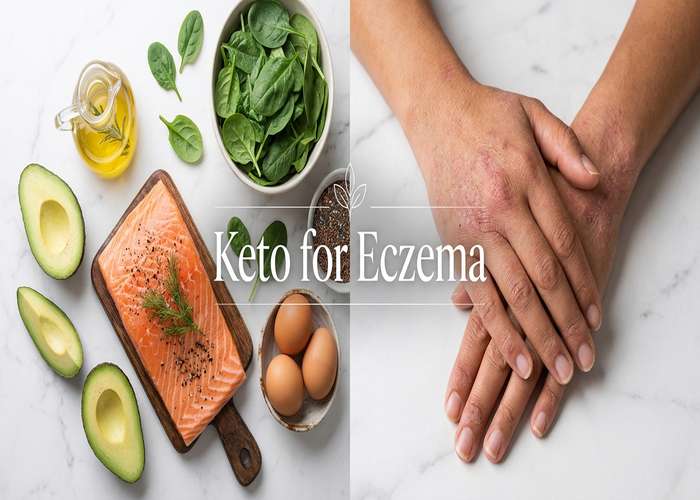
The ketogenic diet focuses on foods that are high in healthy fats, moderate in protein and low in carbohydrates. For people with eczema, it is important to choose nutrient-dense foods that support overall health and provide essential nutrients involved in normal skin function.
There are no specific keto foods proven to treat eczema. However, a balanced ketogenic diet can include a variety of healthy fats, protein sources, low-carbohydrate vegetables and other nutrient-rich …
The ketogenic diet focuses on foods that are high in healthy fats, moderate in protein and low in carbohydrates. For people with eczema, it is important to choose nutrient-dense foods that support overall health and provide essential nutrients involved in normal skin function.
There are no specific keto foods proven to treat eczema. However, a balanced ketogenic diet can include a variety of healthy fats, protein sources, low-carbohydrate vegetables and other nutrient-rich foods.
Below is a list of the various food types for the keto diet:
- Healthy Fats: Olive oil, avocado oil, coconut oil, avocados and olives are suitable sources of fat for a ketogenic diet. Olive oil and avocados also provide monounsaturated fats, while avocados contain vitamin E and other nutrients.
- Meat and Poultry: Chicken, turkey, beef, lamb and other unprocessed meats provide protein and essential nutrients such as zinc and vitamin B12. Choose fresh, minimally processed options rather than relying heavily on processed meats.
- Fish and Seafood: Salmon, sardines, mackerel, trout, tuna and other low-carbohydrate seafood are suitable keto options. Fatty fish provide omega-3 fatty acids, particularly EPA and DHA, which are involved in regulating inflammatory processes.
- Eggs: Eggs provide protein, healthy fats and several nutrients, including vitamin B12, selenium and choline. However, people with a confirmed egg allergy or individual eczema triggers should avoid them.
- Dairy Products: Cheese, butter, cream and unsweetened full-fat Greek yogurt can fit into a ketogenic diet because they are generally low in carbohydrates. Dairy also provides protein and calcium. However, dairy products may trigger symptoms in some people with confirmed milk allergies.
- Non-Starchy Vegetables: Spinach, kale, broccoli, cauliflower, zucchini, cucumber, asparagus, lettuce and bell peppers are low in carbohydrates and provide vitamins, minerals, antioxidants and dietary fiber. These vegetables help improve the nutritional variety of the diet.
- Low-Carbohydrate Fruits: Avocados, olives, strawberries, raspberries and blackberries can be included in moderate portions. They provide fiber, vitamins and antioxidant compounds while generally containing fewer carbohydrates than other fruits.
- Nuts and Seeds: Almonds, walnuts, macadamia nuts, chia seeds, flaxseeds, pumpkin seeds and sunflower seeds provide healthy fats, fiber and minerals. Walnuts and flaxseeds also contain plant-based omega-3 fatty acids. Avoid any nuts or seeds that cause allergic reactions.
- Dark Chocolate: Unsweetened or very dark chocolate with a high cocoa content can be consumed in small portions, provided it contains little added sugar. Cocoa contains antioxidant compounds called flavanols, although dark chocolate has not been established as a treatment for eczema.
- Drinks: Water, sparkling water, unsweetened tea and plain coffee are suitable low-carbohydrate options. Adequate fluid intake supports normal hydration, although drinking extra water has not been shown to treat eczema.
Following a ketogenic diet for eczema requires careful food selection to maintain nutritional balance while limiting carbohydrate intake. The following recommendations highlight dietary practices to follow and foods or habits to avoid when following keto with eczema.
- Choose healthy fat sources: Prioritize olive oil, avocados, nuts, seeds and fatty fish rather than relying mainly on butter, processed meats and other sources …
Following a ketogenic diet for eczema requires careful food selection to maintain nutritional balance while limiting carbohydrate intake. The following recommendations highlight dietary practices to follow and foods or habits to avoid when following keto with eczema.
- Choose healthy fat sources: Prioritize olive oil, avocados, nuts, seeds and fatty fish rather than relying mainly on butter, processed meats and other sources of saturated fat.
- Include omega-3-rich foods: Eat fatty fish such as salmon, sardines and mackerel to provide omega-3 fatty acids, which play a role in regulating inflammatory processes.
- Eat a variety of low-carb vegetables: Include leafy greens, broccoli, cauliflower and other non-starchy vegetables to obtain essential vitamins, minerals, antioxidants and fiber.
- Maintain adequate protein intake: Include suitable sources such as fish, poultry, eggs and meat to support normal tissue maintenance and repair.
- Identify individual food triggers: Pay attention to foods that consistently worsen symptoms. If a food allergy is suspected, seek proper evaluation rather than eliminating multiple food groups without a clear reason.
- Maintain nutritional variety: Include different food groups permitted within the ketogenic diet to help prevent inadequate nutrient intake.
- Avoid excessive processed foods: Limit processed meats, packaged keto snacks and other highly processed products that are often high in sodium, additives or unhealthy fats.
- Limit unhealthy fat sources: Avoid relying heavily on processed meats, excessive butter and other foods high in saturated fats. Choose unsaturated fats more often.
- Avoid excessive added sugar: Limit sugary drinks, sweets, desserts and refined carbohydrates, which can make it difficult to maintain ketosis and reduce overall diet quality.
- Do not eliminate foods without a clear reason: Avoid unnecessarily removing dairy, eggs, nuts, fish or other major food groups, as this can reduce dietary variety and nutrient intake.
- Avoid known food allergens: If you have a confirmed food allergy that triggers eczema symptoms, avoid the relevant food and its sources.
- Avoid poorly planned restrictive diets: Do not sacrifice nutritional balance simply to maintain strict carbohydrate limits. A ketogenic diet should still provide sufficient protein, fiber, vitamins and minerals.
People with eczema should take certain precautions when following a ketogenic diet, particularly because maintaining good nutritional status is important for normal skin function and overall health.
- Avoid unnecessary food restrictions: People with eczema may already avoid certain foods because they suspect them of triggering flare-ups. Combining these restrictions with keto can further limit dietary variety and increase the risk of nutritional deficiencies. Food groups should only be eliminated when there …
People with eczema should take certain precautions when following a ketogenic diet, particularly because maintaining good nutritional status is important for normal skin function and overall health.
- Avoid unnecessary food restrictions: People with eczema may already avoid certain foods because they suspect them of triggering flare-ups. Combining these restrictions with keto can further limit dietary variety and increase the risk of nutritional deficiencies. Food groups should only be eliminated when there is a clear reason, such as a confirmed allergy.
- Maintain adequate nutrient intake: Ensure sufficient intake of vitamins, minerals, protein and essential fatty acids. Nutritional deficiencies can affect skin health and may interfere with normal skin repair.
- Be careful with prolonged dietary restriction: Long-term adherence to a poorly planned ketogenic diet may increase the risk of nutrient deficiencies, which could affect immune function and skin health.
- Monitor individual skin reactions: Pay attention to any changes in itching, irritation or eczema flare-ups after changing dietary habits. Keto has not been established as an eczema treatment, so changes in symptoms should not automatically be attributed to ketosis.
There are currently no well-established side effects of the ketogenic diet that are specific to eczema. However, keto can cause general side effects, particularly during the initial adjustment period. These commonly include:
- Keto flu: A group of temporary symptoms that may include fatigue, headache, dizziness, nausea and irritability as the body adapts to using fat and ketones for energy.
- Digestive problems: Constipation, diarrhea, nausea and abdominal discomfort …
There are currently no well-established side effects of the ketogenic diet that are specific to eczema. However, keto can cause general side effects, particularly during the initial adjustment period. These commonly include:
- Keto flu: A group of temporary symptoms that may include fatigue, headache, dizziness, nausea and irritability as the body adapts to using fat and ketones for energy.
- Digestive problems: Constipation, diarrhea, nausea and abdominal discomfort may occur, particularly when carbohydrate and fiber intake decreases.
- Dehydration and electrolyte imbalance: Increased fluid loss during the initial stages of keto may contribute to dehydration, headaches, muscle cramps and dizziness.
- Bad breath: Ketone production can cause a characteristic fruity or acetone-like breath odor.
- Nutritional deficiencies: Long-term restrictive keto diets may result in inadequate intake of certain vitamins and minerals if food choices are not carefully planned.
These side effects vary between individuals and may depend on the strictness and duration of the diet.
AposBook Team
Published November 5, 2026
Disclaimer: The information published is based on scientific research and credible medical sources available at the time of writing. AI-assisted tools were also used to support the research and drafting process. It is provided for educational and informational purposes and is not intended to replace professional medical advice, diagnosis or treatment.
Medical knowledge, scientific evidence and clinical recommendations may evolve as new research becomes available. Always consult your doctor or another qualified healthcare professional with questions about your health or before making significant changes to your diet, medication or treatment plan.
Rate each parameters
Support images
You can review a solution if you have used it personally. Please remain objective and genuine. Your input can help others.
You have already reviewed this
Please rate all parameters.
Success! Thank you for your feedback. Your contribution can make a difference. Together we can help each other.
[0]