Ready to leave?
Oops ! Condition name you have entered is invalid.
You are now leaving Aposbook.com and going to an external site managed by another organization.
Please confirm your email address and try to login again.
This account has been deleted. do you want to restore it?
A verification link will be sent to within the next 2 minutes. Please click it to validate your e mail.
*If you didn't get the link, please check your spam folder
As a registered user, you can benefit from the various free tools and services that we provide.
All you need to do is log in to start discussing with others, interacting, asking questions, and sharing your point of view about the various topics.
You can also write reviews and testimonials about any natural solution you have tried and share your experience. Your feedback can be very helpful.
If you are a health expert, you can add information about any topic or suggest text edit. You can also publish content, including articles and videos, about any topic from the related library section.
Together we can help.
The Aposbook Team
A validation link will be sent to you by email. Please confirm your address to log in
*If you didn't get the link, please check your spam folder

Please log in to use this feature
Your account has been suspended because you have violated our code of conduct. If you think this was a mistake, you can contact us by email at: support@aposbook.com "Contact us" form.
Success! Thank you for your feedback. Your contribution can make a difference. Together we can help each other.
Cancer is a medical condition in which abnormal cells begin dividing and growing uncontrollably in the body. These cells can accumulate and form masses of tissue called tumors, although some cancers, such as leukemia, do not form solid tumors.
Cancer can develop due to various factors, including genetic mutations, lifestyle choices, biological processes, and environmental exposures such as radiation and certain toxins.
From the ketogenic diet perspective, one important …
Cancer is a medical condition in which abnormal cells begin dividing and growing uncontrollably in the body. These cells can accumulate and form masses of tissue called tumors, although some cancers, such as leukemia, do not form solid tumors.
Cancer can develop due to various factors, including genetic mutations, lifestyle choices, biological processes, and environmental exposures such as radiation and certain toxins.
From the ketogenic diet perspective, one important hypothesis is that metabolic dysfunction plays a significant role in cancer development. This view emphasizes how changes in cellular energy metabolism may contribute to abnormal cell growth and survival.
The following metabolic factors are particularly relevant to this perspective:
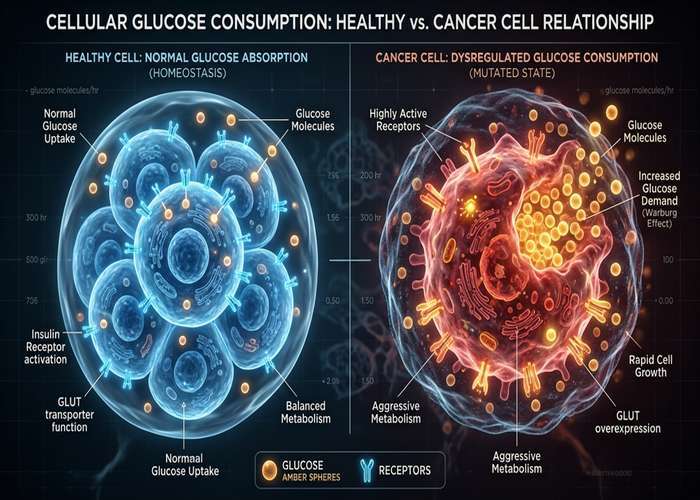
- Excess glucose: Many cancer cells use glucose extensively to support their growth and energy needs. The keto perspective proposes that excessive glucose availability may support cancer cell metabolism.
- Insulin resistance and elevated insulin: Insulin resistance can lead to persistently elevated insulin levels. Insulin and insulin-like growth factor 1 (IGF-1) are involved in cell growth and proliferation, and their signaling pathways are being studied for their potential role in cancer development.
- Chronic inflammation: Persistent inflammation can contribute to DNA damage, cellular changes and an environment that may support tumor development.
- Excess body fat: Excess body fat can contribute to hormonal changes, elevated insulin levels and chronic inflammation, which are associated with an increased risk of certain cancers.
Learn everything about cancer and find all the natural solutions for cancer, including various diet programs, alternative medicine, vitamins, supplements, herbal medicine, and home remedies.
The ketogenic diet is being investigated for its potential role in cancer management because it may influence several metabolic processes involved in cancer cell growth and survival. By changing the body's use of glucose, insulin and fats for energy, keto may affect some of the conditions that support tumor development. Its potential effects include:
- Reducing glucose availability: Keto substantially reduces carbohydrate intake, which can lower blood glucose levels. Since …
The ketogenic diet is being investigated for its potential role in cancer management because it may influence several metabolic processes involved in cancer cell growth and survival. By changing the body's use of glucose, insulin and fats for energy, keto may affect some of the conditions that support tumor development. Its potential effects include:
- Reducing glucose availability: Keto substantially reduces carbohydrate intake, which can lower blood glucose levels. Since many cancer cells rely heavily on glucose for energy and growth, researchers are investigating whether reducing glucose availability could influence tumor metabolism. However, cancer cells can use alternative energy sources, so lowering blood glucose does not necessarily deprive tumors of fuel.
- Influencing insulin and IGF-1 signaling: Keto may reduce insulin levels by lowering carbohydrate intake. This may influence insulin and insulin-like growth factor 1 (IGF-1) signaling pathways, which are involved in cell growth, proliferation and survival. Researchers are studying whether these changes could affect processes that contribute to cancer progression.
- Modulating inflammation: Ketone bodies, particularly beta-hydroxybutyrate (BHB), may influence inflammatory pathways and immune responses. These effects are being investigated for their potential role in modifying the tumor environment and supporting the body's response to cancer.
- Supporting metabolic health and body composition: In some individuals, keto may help reduce excess body fat and improve certain metabolic factors. Since obesity, insulin resistance and chronic inflammation are associated with an increased risk of several cancers, improving these factors may have broader implications for metabolic and cancer-related health.
A study titled “A Randomized Phase II Trial of Gemcitabine, Nab-Paclitaxel, Cisplatin With or Without a Medically Supervised Ketogenic Diet for Patients With Metastatic Pancreatic Cancer” (2026) investigated the ketogenic diet alongside standard chemotherapy in patients with metastatic pancreatic cancer.
The study reported longer median progression-free and overall survival in the group following the ketogenic diet compared with the group receiving chemotherapy alone. Although these findings are encouraging, the trial included only 32 evaluable patients and was not designed to establish definitive treatment benefits. Larger clinical trials are needed to determine whether adding a ketogenic diet to cancer treatment can meaningfully improve patient outcomes.
Another 2019 study conducted by researchers at the University of Texas at Dallas found that both a ketogenic diet and pharmacological restriction of blood glucose inhibited the further growth of squamous cell carcinoma tumors in mice. Dr. Jung-Whan "Jay" Kim, the study's corresponding author and an assistant professor of biological sciences at UT Dallas, explained that both approaches were able to inhibit tumor growth.
The ketogenic diet works by substantially reducing carbohydrate intake, which changes how the body regulates blood glucose, insulin and energy metabolism.
When carbohydrate intake decreases, less glucose enters the bloodstream after meals, reducing the body's need for insulin. As insulin levels decline, the body increasingly relies on fatty acids for energy. The liver also converts fatty acids into ketone bodies, particularly beta-hydroxybutyrate (BHB), acetoacetate and acetone. This metabolic state is known …
The ketogenic diet works by substantially reducing carbohydrate intake, which changes how the body regulates blood glucose, insulin and energy metabolism.
When carbohydrate intake decreases, less glucose enters the bloodstream after meals, reducing the body's need for insulin. As insulin levels decline, the body increasingly relies on fatty acids for energy. The liver also converts fatty acids into ketone bodies, particularly beta-hydroxybutyrate (BHB), acetoacetate and acetone. This metabolic state is known as ketosis.
These metabolic changes may influence cancer-related processes through several proposed mechanisms:
- Changes in glucose availability: Reduced carbohydrate intake can lower circulating glucose and insulin levels. Since many cancer cells use glucose extensively through a process known as aerobic glycolysis (the Warburg effect), researchers are investigating whether changes in glucose availability could affect their energy metabolism. However, cancer cells can adapt and use alternative energy sources, including fatty acids and certain amino acids.
- Changes in insulin and IGF-1 signaling: Lower insulin levels may influence insulin and IGF-1 signaling pathways, including the PI3K/Akt/mTOR pathway. These pathways regulate cell growth, proliferation and survival and are frequently altered in cancer. Researchers are investigating whether reducing their activity could influence tumor development or progression.
- Effects of ketone bodies on cellular signaling: BHB may influence cellular signaling, gene expression and inflammatory pathways. These effects could potentially modify the metabolic environment surrounding tumors and influence processes involved in cancer cell survival.
- Potential changes in treatment sensitivity: By altering glucose availability, insulin signaling and cellular energy metabolism, keto may affect how certain cancer cells respond to treatments such as chemotherapy and radiation. Researchers are investigating whether these metabolic changes could make some tumors more sensitive to conventional cancer therapies.
Through these mechanisms, the ketogenic diet may influence the metabolic environment in which cancer cells grow and respond to treatment. However, these effects remain under investigation. Cancer types differ considerably in their metabolic characteristics, and the clinical benefits of ketogenic diets have not yet been established across cancer populations.
A standard ketogenic diet commonly provides approximately 80% of daily calories from fat, 15% from protein and 5% from carbohydrates. Some dieticians and proponents of the ketogenic approach for cancer recommend a more restrictive version, suggesting approximately 90% fat, 8% protein and only 2% carbohydrates. This may correspond to fewer than 10 grams of carbohydrates per day, depending on total calorie intake.
These stricter proportions are intended to promote deeper ketosis and further …
A standard ketogenic diet commonly provides approximately 80% of daily calories from fat, 15% from protein and 5% from carbohydrates. Some dieticians and proponents of the ketogenic approach for cancer recommend a more restrictive version, suggesting approximately 90% fat, 8% protein and only 2% carbohydrates. This may correspond to fewer than 10 grams of carbohydrates per day, depending on total calorie intake.
These stricter proportions are intended to promote deeper ketosis and further limit carbohydrate availability. Some research has also suggested that the way a ketogenic diet is administered, including whether food intake is restricted or unrestricted, may influence its effects on tumor growth in experimental models.
However, there is no universally established ketogenic diet protocol for cancer. Recommended proportions and carbohydrate limits vary between proposed approaches and may depend on the individual and the type of cancer. Anyone considering this diet during cancer treatment should consult their oncology team and a qualified clinical dietitian.
The proposed food regimen emphasizes high-fat foods such as oils, fatty fish, meat, full-fat dairy products and selected nuts, alongside low-carbohydrate vegetables. It generally excludes sugar, grains, starchy foods and most high-carbohydrate fruits.
The various food types incorporated in the keto diet are high in good fat and very low in carbohydrates. Maintaining the proper proportions is critical to maintain the state of ketosis. Proportions should be done as per the macro calculation provided in the diet structure section.
Below is a list of the various food types for Keto diet:
- Healthy fats: incorporate healthy high fat foods daily such as some …
The various food types incorporated in the keto diet are high in good fat and very low in carbohydrates. Maintaining the proper proportions is critical to maintain the state of ketosis. Proportions should be done as per the macro calculation provided in the diet structure section.
Below is a list of the various food types for Keto diet:
- Healthy fats: incorporate healthy high fat foods daily such as some oils (coconut, olive), avocadoes, nuts (macadamia, walnuts, almonds, pecans), and seeds (sunflower, pumpkin, sesame, flax).
- Meat: it is suggested to consume grass-fed beef instead of grain-fed, and free-range poultry because they contain higher amounts of omega-3. Pork, bacon and organ meats can be consumed in moderation.
However, it is important to avoid eating too much meat in order to maintain the protein restrictions. It is also important to note that processed meats like sausages and cold cuts contain added carbohydrates. You should avoid them.
- Dairy: some dairy products are allowed such as butter, high fat cheese, and high fat yogurt, because of their low lactose content. Low fat dairy products should not be consumed as they tend to be higher in carbohydrates.
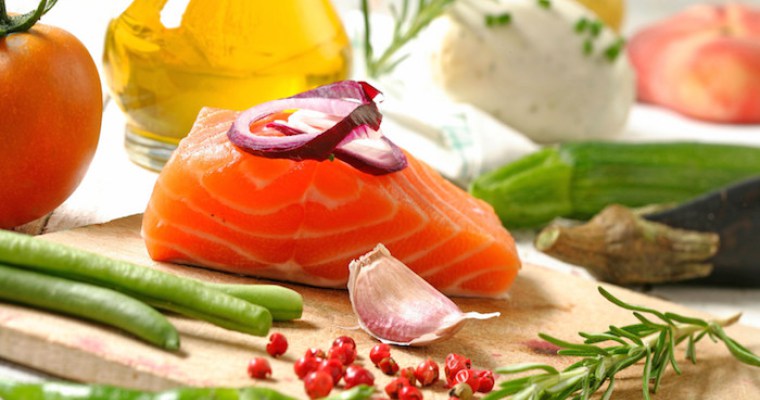
- Fish: it is suggested to consume fatty fish like salmon, wild-caught fish being the best option. Avoid breaded fish because it contains carbohydrates.
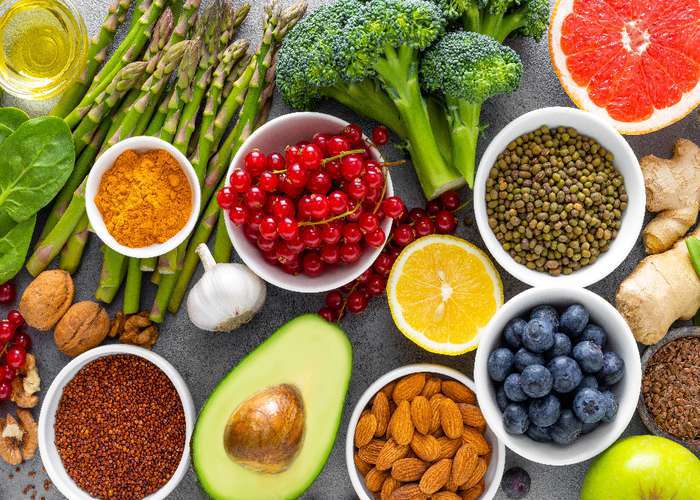
- Non-starchy vegetables: non-starchy vegetables (low carb) include leafy greens (kale, Swiss chard, spinach, lettuce), cauliflower, broccoli, Brussels sprouts, asparagus, bell peppers, onions, garlic, mushrooms, cucumber and celery. Mostly, all vegetables that grow above the ground are lower in carbohydrates, and hence can be consumed.
- Fruits: fruits that are low in net carbs such as berries are allowed.
- Nuts: nuts can be consumed in moderation as a snack. Avoid cashews and peanuts since they are high in carbohydrates.
- Dark chocolate: 90% dark chocolate and cocoa powder are allowed. Only higher than 70% dark chocolate can be consumed. For example, one ounce (28 grams) of unsweetened chocolate (100% cocoa) has 3 grams of net carbs.
- Drinks: water is the best choice in order to stay hydrated since it has no carbohydrates. Unsweetened coffee and tea can also be consumed. It is critical not to add any sugar. For example, 1 teaspoon of sugar is equivalent to 4 grams of carbohydrates. Hence, this will make it so difficult to remain within the recommended carbohydrates amount if you add any sugar.
Following a ketogenic diet during cancer treatment requires careful consideration of the type and stage of cancer, treatment plan, nutritional status and individual needs. Although the ketogenic diet is being investigated for its potential role in cancer care, it has not been established as an effective cancer treatment and should never replace standard medical treatment. Maintaining adequate nutrition, preserving muscle mass and avoiding unintended weight loss are particularly important. The following recommendations …
Following a ketogenic diet during cancer treatment requires careful consideration of the type and stage of cancer, treatment plan, nutritional status and individual needs. Although the ketogenic diet is being investigated for its potential role in cancer care, it has not been established as an effective cancer treatment and should never replace standard medical treatment. Maintaining adequate nutrition, preserving muscle mass and avoiding unintended weight loss are particularly important. The following recommendations can help guide a safer approach.
- Consult your oncology team before starting: Discuss the potential benefits and risks of a ketogenic diet with your oncologist and a registered dietitian experienced in cancer care. They can assess whether it is appropriate alongside your treatment.
- Prioritize adequate calorie intake: Ensure that your diet provides enough energy to meet your nutritional needs, particularly during chemotherapy, radiation therapy or recovery.
- Include adequate protein: Choose suitable sources such as fish, eggs, poultry, lean meat, dairy products, tofu and other low-carbohydrate protein foods to help preserve muscle mass and support tissue repair.
- Choose healthy fats: Include sources of unsaturated fats, such as olive oil, avocados, nuts, seeds and fatty fish, rather than relying heavily on butter, cream and processed meats.
- Eat a variety of low-carbohydrate vegetables: Include options such as spinach, broccoli, cauliflower, zucchini and leafy greens to provide fiber, vitamins, minerals and other beneficial plant compounds.
- Maintain hydration: Drink enough fluids throughout the day, especially if treatment causes vomiting, diarrhea, reduced appetite or other symptoms that increase the risk of dehydration.
- Adapt meals to treatment-related symptoms: If nausea, mouth sores, swallowing difficulties or changes in taste affect eating, work with your healthcare team to find foods and meal textures that you can tolerate.
- Monitor nutritional status: Keep track of body weight, appetite, food intake and changes in muscle mass. Regular nutritional assessments can help identify problems early.
- Review the diet regularly: Nutritional needs may change throughout cancer treatment. Reassess whether the diet remains appropriate with your oncology team.
- Discuss the role of keto in your cancer care: The ketogenic diet is being investigated for its potential effects on cancer metabolism and its possible role alongside conventional treatments. However, clinical evidence is still limited, and its benefits may vary depending on the type of cancer, treatment and individual health status. Discuss its suitability with your oncology team before making significant dietary changes.
- Avoid starting a restrictive diet without medical guidance: Cancer and its treatments can affect appetite, digestion and nutritional requirements. Restricting carbohydrates may make it harder to meet energy and nutrient needs in some patients.
- Do not allow unintended weight loss: Avoid excessive calorie restriction or prolonged fasting, particularly if you are already losing weight or experiencing reduced appetite.
- Avoid inadequate protein intake: Insufficient protein can contribute to muscle loss and poor nutritional status, which may make it harder to tolerate treatment and recover.
- Limit processed meats and excessive saturated fat: Avoid relying heavily on bacon, sausages, processed meats, butter and cream as primary sources of fat or protein.
- Do not neglect vegetables and fiber: Restricting carbohydrates should not mean eliminating all plant foods. Choose suitable low-carbohydrate vegetables and other tolerated sources of fiber.
- Avoid unverified supplements and restrictive cancer diets: Do not take high-dose vitamins, minerals, herbal products or other supplements without discussing them with your oncology team, as some may interfere with treatment.
- Do not strictly follow claims that keto selectively starves cancer cells: Cancer is a diverse group of diseases, and there is currently insufficient clinical evidence to support this claim as a treatment strategy.
- Do not ignore changes in appetite or digestion: Persistent nausea, vomiting, diarrhea, constipation, difficulty swallowing or reduced food intake should be discussed with your healthcare team promptly.
The ketogenic diet remains an area of research in cancer care, and its suitability may differ considerably between patients. The priority should always be maintaining adequate nutrition, preserving muscle mass and supporting the prescribed cancer treatment rather than achieving or maintaining ketosis.
Keto Diet for Cancer: Precautions
People with cancer should take several precautions before starting a ketogenic diet, particularly because cancer and its treatments can affect nutritional status, metabolism, appetite and overall health. Although keto is being investigated for its potential role in cancer care, its suitability depends on individual circumstances, including cancer type, stage, treatment plan and nutritional needs.
- Consider your nutritional status: Patients who are underweight, experiencing unintentional weight loss, have reduced appetite or are …
Keto Diet for Cancer: Precautions
People with cancer should take several precautions before starting a ketogenic diet, particularly because cancer and its treatments can affect nutritional status, metabolism, appetite and overall health. Although keto is being investigated for its potential role in cancer care, its suitability depends on individual circumstances, including cancer type, stage, treatment plan and nutritional needs.
- Consider your nutritional status: Patients who are underweight, experiencing unintentional weight loss, have reduced appetite or are at risk of malnutrition require particular caution. A restrictive diet may make it harder to meet their energy and nutrient requirements.
- Monitor body weight and muscle mass: Cancer-related weight loss and muscle wasting can affect physical strength, treatment tolerance and recovery. Monitor changes in weight, appetite and muscle mass throughout the diet.
- Consider treatment-related nutritional needs: Chemotherapy, radiation therapy, surgery and other cancer treatments can affect digestion, appetite and nutrient absorption. Dietary adjustments may be necessary depending on treatment-related symptoms and individual tolerance.
- Review medication use: People taking insulin or blood-glucose-lowering medications may require closer glucose monitoring and medication adjustments when substantially reducing carbohydrate intake. These changes should be supervised by a healthcare professional.
- Monitor blood glucose and metabolic health: A ketogenic diet can affect glucose regulation and other metabolic parameters. Patients with diabetes or other metabolic conditions may require regular monitoring.
- Consider kidney and liver function: People with existing kidney or liver disease should seek medical advice before starting keto, as dietary composition and nutritional requirements may need to be adjusted.
- Discuss potential treatment interactions: The effects of a ketogenic diet alongside different cancer treatments are still being investigated. Discuss any planned dietary changes with your oncology team, particularly if participating in a clinical trial with specific nutritional requirements.
- Avoid excessive dietary restriction: Ensure adequate intake of calories, protein, vitamins, minerals and essential fatty acids. The goal should be to maintain nutritional health rather than achieve ketosis at the expense of adequate nourishment.
- Reassess the diet regularly: Nutritional needs can change during treatment and recovery. The diet should be adjusted or discontinued if it contributes to inadequate food intake, unintended weight loss or other nutritional problems.
The ketogenic diet can cause several side effects, particularly during the initial adaptation period. In people with cancer, some of these effects may overlap with symptoms caused by the disease or its treatment, making it important to monitor new or worsening symptoms. Common side effects include:
- Keto flu: Headache, fatigue, dizziness, nausea and irritability may occur as the body adapts to a substantial reduction in carbohydrate intake.
- Dehydration …
The ketogenic diet can cause several side effects, particularly during the initial adaptation period. In people with cancer, some of these effects may overlap with symptoms caused by the disease or its treatment, making it important to monitor new or worsening symptoms. Common side effects include:
- Keto flu: Headache, fatigue, dizziness, nausea and irritability may occur as the body adapts to a substantial reduction in carbohydrate intake.
- Dehydration: Lower insulin levels can increase sodium and water excretion, potentially contributing to dehydration. This may be particularly concerning for patients already experiencing vomiting, diarrhea or reduced fluid intake.
- Electrolyte imbalances: Changes in fluid and electrolyte balance can affect sodium, potassium and magnesium levels, potentially contributing to weakness, muscle cramps or heart rhythm disturbances.
- Constipation: Reduced intake of fiber-rich foods, particularly when vegetables and other plant foods are limited, can lead to constipation.
- Nausea and digestive discomfort: Changes in dietary fat intake may cause nausea, bloating, diarrhea or other gastrointestinal symptoms. These effects can be particularly difficult for patients already experiencing treatment-related digestive problems.
- Fatigue and weakness: Some people experience tiredness during the adaptation period. In patients with cancer, persistent or worsening fatigue should be assessed because it may also be related to the disease, treatment or inadequate nutritional intake.
- Bad breath: The production of acetone, a type of ketone body, can cause a distinctive fruity or acetone-like odor on the breath.
- Hypoglycemia: Blood glucose may become too low, particularly in people taking insulin or certain glucose-lowering medications. Symptoms can include sweating, shakiness, dizziness, confusion and, in severe cases, loss of consciousness.
- Unintended weight and muscle loss: If the diet does not provide sufficient calories and protein, patients may lose weight and muscle mass. This is an especially important concern in cancer care, where maintaining nutritional status is a priority.
Important note: These side effects are not necessarily specific to cancer, but they may have greater consequences in people undergoing cancer treatment or experiencing nutritional difficulties. Severe or persistent symptoms, dehydration, significant weight loss or inability to maintain food and fluid intake should be discussed promptly with the oncology team. Ketoacidosis is a rare but serious complication that requires urgent medical attention, particularly in people with diabetes or those taking SGLT2 inhibitors.
AposBook Team
Published November 3, 2026
Disclaimer: The information published is based on scientific research and credible medical sources available at the time of writing. AI-assisted tools were also used to support the research and drafting process. It is provided for educational and informational purposes and is not intended to replace professional medical advice, diagnosis or treatment.
Medical knowledge, scientific evidence and clinical recommendations may evolve as new research becomes available. Always consult your doctor or another qualified healthcare professional with questions about your health or before making significant changes to your diet, medication or treatment plan.
Rate each parameters
Support images
You can review a solution if you have used it personally. Please remain objective and genuine. Your input can help others.
You have already reviewed this
Please rate all parameters.
Success! Thank you for your feedback. Your contribution can make a difference. Together we can help each other.
Views in favor
Dr. Eugene Fine - Consequences of Ketogenic Diets in Cancer – from RECHARGE to Biomarkers
Views against
Ketogenic Diet and Cancer Treatment, What Patients Should Know - American Institute for Cancer Research
- Woolf, E. C., & Scheck, A. C. (2016). Ketogenic Diet as Adjunctive Therapy for Malignant Brain Cancer. Oxford Medicine Online. doi:10.1093/med/9780190497996.003.0013
- Weber, D., Aminazdeh-Gohari, S., & Kofler, B. (2018). Ketogenic diet in cancer therapy. Impact Journal: Aging,10(2), 164-165.
- Cohen, C. W., Fontaine, K. R., Arend, R. C., Alvarez, R. D., Iii, C. A., Huh, W. K., . . . Gower, B. A. (2018). A Ketogenic Diet Reduces Central Obesity and Serum Insulin in Women with Ovarian or Endometrial Cancer. The Journal of Nutrition,148(8), 1253-1260. doi:10.1093/jn/nxy119
- Allen, B. G., Bhatia, S. K., Anderson, C. M., Eichenberger-Gilmore, J. M., Sibenaller, Z. A., Mapuskar, K. A., . . . Fath, M. A. (2014). Ketogenic diets as an adjuvant cancer therapy: History and potential mechanism. Redox Biology,2, 963-970. doi:10.1016/j.redox.2014.08.002
- Zhou, W., Mukherjee, P., Kiebish, M., Markis, W., Mantis, J., & Seyfried, T. (2007). The calorically restricted ketogenic diet, an effective alternative therapy for malignant brain cancer. Nutrition & Metabolism,4(5).
- Schwartz, K., Chang, H. T., Nikolai, M., Pernicone, J., Rhee, S., Olson, K., . . . Noel, M. (2015). Treatment of glioma patients with ketogenic diets: Report of two cases treated with an IRB-approved energy-restricted ketogenic diet protocol and review of the literature. Cancer & Metabolism,3(1). doi:10.1186/s40170-015-0129-1
[0]