
Ready to leave?
Oops ! Condition name you have entered is invalid.
You are now leaving Aposbook.com and going to an external site managed by another organization.
Please confirm your email address and try to login again.
This account has been deleted. do you want to restore it?
A verification link will be sent to within the next 2 minutes. Please click it to validate your e mail.
*If you didn't get the link, please check your spam folder
As a registered user, you can benefit from the various free tools and services that we provide.
All you need to do is log in to start discussing with others, interacting, asking questions, and sharing your point of view about the various topics.
You can also write reviews and testimonials about any natural solution you have tried and share your experience. Your feedback can be very helpful.
If you are a health expert, you can add information about any topic or suggest text edit. You can also publish content, including articles and videos, about any topic from the related library section.
Together we can help.
The Aposbook Team
A validation link will be sent to you by email. Please confirm your address to log in
*If you didn't get the link, please check your spam folder

Please log in to use this feature
Your account has been suspended because you have violated our code of conduct. If you think this was a mistake, you can contact us by email at: support@aposbook.com "Contact us" form.
Success! Thank you for your feedback. Your contribution can make a difference. Together we can help each other.
Skin aging is a natural, progressive process characterized by changes in the skin's structure, appearance and function. It commonly results in wrinkles, fine lines, reduced elasticity, uneven pigmentation, dryness and loss of firmness.
Skin aging is influenced by both intrinsic factors, such as genetics, hormonal changes and the natural aging process, and extrinsic factors, including sun exposure, smoking, pollution, poor nutrition and lifestyle habits.
From the ketogenic diet …
Skin aging is a natural, progressive process characterized by changes in the skin's structure, appearance and function. It commonly results in wrinkles, fine lines, reduced elasticity, uneven pigmentation, dryness and loss of firmness.
Skin aging is influenced by both intrinsic factors, such as genetics, hormonal changes and the natural aging process, and extrinsic factors, including sun exposure, smoking, pollution, poor nutrition and lifestyle habits.
From the ketogenic diet perspective, several factors related to cellular metabolism and skin aging are particularly relevant:
- Oxidative stress: An imbalance between free radicals and the body's antioxidant defenses can damage skin cells, proteins and DNA. Over time, this damage contributes to the breakdown of collagen and elastin, reducing skin firmness and elasticity.
- Chronic inflammation: Persistent low-grade inflammation can accelerate skin aging by promoting cellular damage and increasing the activity of enzymes that break down collagen and other structural components of the skin.
- Advanced glycation end products (AGEs): These compounds form when sugars react with proteins or fats in the body. Their accumulation in skin tissue can damage collagen and elastin fibers, making them stiffer and less flexible and contributing to wrinkles and loss of elasticity.
- Mitochondrial dysfunction: Mitochondria produce the energy required for normal cellular functions. As they become less efficient with age, increased oxidative stress and reduced energy production can impair skin-cell function and repair.
- Impaired collagen production: Collagen is an essential structural protein that maintains skin strength and firmness. Its production naturally declines with age, while its breakdown increases, contributing to thinner skin, wrinkles and reduced elasticity.
- Cellular senescence: As skin cells age or accumulate damage, some enter a state in which they stop dividing but remain metabolically active. These senescent cells can release inflammatory substances and enzymes that contribute to tissue deterioration and further skin aging.
Learn everything about skin health and find all the natural solutions to for skin anti-aging, including various diet programs, alternative medicine, vitamins, supplements, herbal medicine, and home remedies.
The ketogenic diet may help counter some biological processes associated with skin aging by supporting antioxidant defenses, reducing inflammation and influencing cellular metabolism. These effects may be relevant because oxidative stress, chronic inflammation and mitochondrial dysfunction contribute to the gradual deterioration of collagen, elastin and other skin structures. Potential benefits include:
- Reducing oxidative stress: Ketone bodies may activate antioxidant defense pathways that help protect skin cells from damage …
The ketogenic diet may help counter some biological processes associated with skin aging by supporting antioxidant defenses, reducing inflammation and influencing cellular metabolism. These effects may be relevant because oxidative stress, chronic inflammation and mitochondrial dysfunction contribute to the gradual deterioration of collagen, elastin and other skin structures. Potential benefits include:
- Reducing oxidative stress: Ketone bodies may activate antioxidant defense pathways that help protect skin cells from damage caused by free radicals.
- Modulating inflammation: The ketogenic diet may influence inflammatory signaling pathways, potentially reducing processes that contribute to tissue damage and collagen breakdown.
- Supporting cellular energy metabolism: Ketones provide an alternative energy source for cells and may influence mitochondrial function and cellular stress responses.
- Influencing glycation-related processes: Changes in glucose metabolism may affect the formation of advanced glycation end products, which can damage collagen and elastin. However, whether keto meaningfully reduces glycation in human skin remains uncertain.
A 2025 review titled “Effects of the Ketogenic Diet on Skin—Potential Benefits and Risks” discusses these potential antioxidant, anti-inflammatory and metabolic effects. However, the authors emphasize that most supporting evidence comes from experimental and preclinical research, rather than clinical trials demonstrating improvements in human skin aging,
When carbohydrate intake is significantly reduced, the body shifts from relying primarily on glucose to using fat as its main energy source. The liver converts fatty acids into ketone bodies, particularly beta-hydroxybutyrate (BHB), which can serve as an alternative fuel and act as signaling molecules.
These metabolic changes may influence skin aging through several mechanisms:
- Activation of antioxidant defenses: Ketone-related signaling may activate the Nrf2 pathway, which regulates …
When carbohydrate intake is significantly reduced, the body shifts from relying primarily on glucose to using fat as its main energy source. The liver converts fatty acids into ketone bodies, particularly beta-hydroxybutyrate (BHB), which can serve as an alternative fuel and act as signaling molecules.
These metabolic changes may influence skin aging through several mechanisms:
- Activation of antioxidant defenses: Ketone-related signaling may activate the Nrf2 pathway, which regulates the production of antioxidant enzymes that help protect cells against oxidative damage.
- Reduction of inflammatory signaling: Beta-hydroxybutyrate may inhibit the NLRP3 inflammasome, a protein complex involved in triggering inflammatory responses.
- Changes in cellular metabolism: Ketosis may influence the NAD+/NADH balance and mitochondrial activity, potentially affecting cellular energy production and oxidative stress.
- Reduced glucose exposure: Lower carbohydrate intake can reduce glucose availability, potentially limiting some reactions involved in the formation of advanced glycation end products.
There are currently no specific ketogenic diet guidelines established for preventing or slowing skin aging. Therefore, the general macronutrient distribution of the ketogenic diet can be followed:
- Fat: 70–80% of daily calories.
- Protein: 10–20% of daily calories.
- Carbohydrates: 5–10% of daily calories, generally equivalent to 20–50 grams per day.
To support overall skin health, it is important to prioritize nutrient-dense foods, including …
There are currently no specific ketogenic diet guidelines established for preventing or slowing skin aging. Therefore, the general macronutrient distribution of the ketogenic diet can be followed:
- Fat: 70–80% of daily calories.
- Protein: 10–20% of daily calories.
- Carbohydrates: 5–10% of daily calories, generally equivalent to 20–50 grams per day.
To support overall skin health, it is important to prioritize nutrient-dense foods, including sources of unsaturated fats, quality protein, low-carbohydrate vegetables and foods rich in antioxidants. Adequate intake of vitamins and minerals, particularly vitamin C, vitamin E and zinc, is also important for normal collagen production, antioxidant protection and skin maintenance.
These proportions are general guidelines and may be adjusted according to individual nutritional needs, health status and tolerance. The ketogenic diet has not yet been established as a dietary treatment for preventing or reversing skin aging.
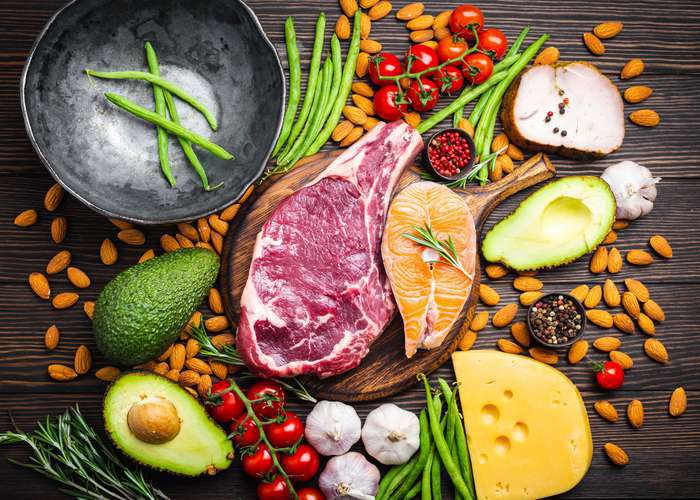
A well-planned ketogenic diet can include a variety of nutrient-dense foods while keeping carbohydrate intake low enough to maintain ketosis. Below is a list of the various food types for the keto diet:
…A well-planned ketogenic diet can include a variety of nutrient-dense foods while keeping carbohydrate intake low enough to maintain ketosis. Below is a list of the various food types for the keto diet:
- Healthy fats: Extra virgin olive oil, avocados, avocado oil, coconut oil, olives, nuts and seeds are suitable sources of dietary fat. Olive oil, avocados and other sources of unsaturated fats provide vitamin E and other beneficial compounds that support normal skin health.
- Meat and poultry: Chicken, turkey, beef, lamb and pork provide protein, which supplies amino acids needed for collagen production and tissue maintenance. Choose minimally processed cuts and avoid relying heavily on processed meats.
- Fish and seafood: Salmon, sardines, mackerel, trout, tuna, shrimp and other seafood provide protein and important nutrients. Fatty fish are particularly valuable sources of omega-3 fatty acids, which help regulate inflammatory processes and support skin health.
- Eggs: Eggs provide high-quality protein, vitamin A, vitamin D, vitamin E and other nutrients involved in normal skin maintenance. They also contain choline, which supports normal cellular function.
- Dairy products: Plain Greek yogurt, cottage cheese, hard cheeses, cream cheese and unsweetened full-fat yogurt can be included in moderate portions, depending on carbohydrate content. Dairy provides protein, calcium and vitamin B12. Choose minimally processed options without added sugars.
- Non-starchy vegetables: Spinach, kale, broccoli, cauliflower, zucchini, asparagus, cucumber, bell peppers and Brussels sprouts are suitable low-carbohydrate choices. They provide vitamin C, vitamin E, carotenoids and other antioxidants that help protect skin cells and support collagen formation.
- Low-carbohydrate fruits: Strawberries, raspberries, blackberries and small portions of blueberries can be included in moderation. These fruits provide vitamin C and polyphenols, which contribute to antioxidant protection. Avocados are also an excellent option because they contain healthy fats and vitamin E.
- Nuts and seeds: Almonds, walnuts, pecans, macadamia nuts, chia seeds, flaxseeds, pumpkin seeds and sunflower seeds provide healthy fats, vitamin E, zinc and other nutrients. These nutrients contribute to antioxidant defenses and normal skin function. Keep portions moderate because their carbohydrate content can add up.
- Dark chocolate: Small portions of dark chocolate containing at least 85% cocoa can fit into a ketogenic diet, provided the carbohydrate content is accounted for. Cocoa contains flavanols and other antioxidant compounds, although chocolate should not be considered a treatment for skin aging.
- Drinks: Water, sparkling water, unsweetened green tea, black tea, herbal tea and black coffee are suitable choices. Green tea contains polyphenols, including catechins, which have antioxidant properties. Avoid sweetened beverages, fruit juices and sugary drinks because they can increase carbohydrate intake.
Following a ketogenic diet to support skin health requires careful food selection and adequate nutrient intake. Since skin aging is influenced by several factors, a balanced approach that provides essential nutrients and supports overall health is important.
- Prioritize antioxidant-rich foods: Include low-carbohydrate vegetables, berries, nuts and seeds that provide vitamins C and E, carotenoids and other antioxidant compounds to help …
Following a ketogenic diet to support skin health requires careful food selection and adequate nutrient intake. Since skin aging is influenced by several factors, a balanced approach that provides essential nutrients and supports overall health is important.
- Prioritize antioxidant-rich foods: Include low-carbohydrate vegetables, berries, nuts and seeds that provide vitamins C and E, carotenoids and other antioxidant compounds to help protect skin cells against oxidative stress.
- Choose healthy fats: Favor olive oil, avocados, fatty fish, nuts and seeds as sources of unsaturated fats that support normal skin function.
- Consume adequate protein: Include eggs, fish, poultry and other quality protein sources to provide amino acids needed for collagen production and tissue maintenance.
- Include omega-3 fatty acids: Eat fatty fish such as salmon, sardines and mackerel to obtain omega-3 fatty acids, which help regulate inflammatory processes.
- Maintain adequate hydration: Drink enough water throughout the day to support normal skin function and overall health.
- Ensure sufficient vitamin and mineral intake: Include foods that provide vitamin C, vitamin E, zinc and other nutrients involved in collagen formation, antioxidant protection and skin maintenance.
- Protect your skin from sun exposure: Use broad-spectrum sunscreen, wear protective clothing and limit excessive exposure to ultraviolet radiation, which is a major contributor to premature skin aging.
- Maintain a balanced diet: Include a variety of permitted foods rather than relying on a limited selection of high-fat products.
- Avoid excessive saturated fat: Limit heavy reliance on butter, fatty processed meats, cream and other foods high in saturated fat. Favor unsaturated fat sources instead.
- Avoid nutrient-poor keto products: Limit highly processed keto snacks, desserts and packaged foods that provide little nutritional value.
- Avoid excessive sugar and refined carbohydrates: Minimize sweets, sugary drinks, pastries and refined grain products, which can contribute to high blood glucose levels and glycation processes.
- Do not restrict vegetables unnecessarily: Eliminating too many low-carbohydrate vegetables may reduce fiber, vitamin and antioxidant intake.
- Avoid excessive alcohol consumption: Alcohol can contribute to dehydration and oxidative stress and may negatively affect overall skin health.
- Avoid unnecessary calorie restriction: Consuming too few calories may lead to inadequate nutrient intake and make it harder to maintain healthy skin.
- Do not rely on keto as an anti-aging treatment: The ketogenic diet has not been proven to prevent wrinkles, restore collagen or reverse visible signs of skin aging.
People considering a ketogenic diet to support skin health should take certain precautions to ensure that carbohydrate restriction does not compromise their overall nutritional status.
Before starting the diet, it is advisable to discuss it with a qualified healthcare professional, particularly if you have existing health conditions or take regular medication. Follow-up with a registered dietitian can also help ensure that your diet remains nutritionally balanced.
- Maintain adequate nutrient intake …
People considering a ketogenic diet to support skin health should take certain precautions to ensure that carbohydrate restriction does not compromise their overall nutritional status.
Before starting the diet, it is advisable to discuss it with a qualified healthcare professional, particularly if you have existing health conditions or take regular medication. Follow-up with a registered dietitian can also help ensure that your diet remains nutritionally balanced.
- Maintain adequate nutrient intake: Ensure that the diet provides sufficient vitamins, minerals, protein and essential fatty acids. Inadequate intake of nutrients such as vitamin C, vitamin E, zinc and protein may negatively affect normal skin maintenance and repair.
- Avoid excessive calorie restriction: Consuming too few calories may lead to nutritional deficiencies, loss of muscle mass and inadequate intake of nutrients needed for healthy skin.
- Choose dietary fats carefully: Prioritize unsaturated fats from olive oil, avocados, nuts, seeds and fatty fish rather than relying heavily on saturated fats.
- Be cautious with prolonged restrictive dieting: Long-term carbohydrate restriction may make it difficult to obtain sufficient fiber and certain micronutrients if food choices are limited. Regularly review the nutritional quality of the diet.
- Consider existing health conditions: People with kidney disease, liver disease, pancreatic disorders or certain metabolic conditions may need individual adjustments and closer monitoring when following a ketogenic diet.
- Review medications and supplements: People taking medication for diabetes, high blood pressure or other chronic conditions may require monitoring or dosage adjustments when changing their dietary habits.
There are currently no well-established side effects of the ketogenic diet that are specific to skin aging. However, following a ketogenic diet may cause several general side effects, particularly during the initial adaptation period. These may include:
- Keto flu: A temporary group of symptoms that may include fatigue, headaches, dizziness, nausea and difficulty concentrating as the body adapts to using fat and ketones for energy.
- Digestive problems …
There are currently no well-established side effects of the ketogenic diet that are specific to skin aging. However, following a ketogenic diet may cause several general side effects, particularly during the initial adaptation period. These may include:
- Keto flu: A temporary group of symptoms that may include fatigue, headaches, dizziness, nausea and difficulty concentrating as the body adapts to using fat and ketones for energy.
- Digestive problems: Constipation, diarrhea, nausea and bloating may occur, particularly when carbohydrate restriction reduces fiber intake or dietary fat intake increases significantly.
- Dehydration and electrolyte imbalance: Increased fluid and sodium loss, especially during the early stages of the diet, may contribute to thirst, muscle cramps, weakness and dizziness.
- Bad breath: Increased ketone production can cause a distinct breath odor, sometimes described as fruity or similar to acetone.
- Nutrient deficiencies: An inadequately planned ketogenic diet may provide insufficient fiber, vitamins and minerals, particularly if the variety of vegetables and other nutrient-dense foods is limited.
- Changes in blood lipid levels: Some individuals experience an increase in LDL cholesterol while following a ketogenic diet, particularly when their diet contains large amounts of saturated fat.
Most early symptoms are temporary, but persistent or severe side effects may require dietary adjustments and professional assessment.
AposBook Team
Published December 2, 2026
Disclaimer: The information published is based on scientific research and credible medical sources available at the time of writing. AI-assisted tools were also used to support the research and drafting process. It is provided for educational and informational purposes and is not intended to replace professional medical advice, diagnosis or treatment.
Medical knowledge, scientific evidence and clinical recommendations may evolve as new research becomes available. Always consult your doctor or another qualified healthcare professional with questions about your health or before making significant changes to your diet, medication or treatment plan.
Rate each parameters
Support images
You can review a solution if you have used it personally. Please remain objective and genuine. Your input can help others.
You have already reviewed this
Please rate all parameters.
Success! Thank you for your feedback. Your contribution can make a difference. Together we can help each other.
Views in favor
9 Skin Conditions Improved with KETO - 2020 (Acne, Eczema, Psoriasis...)
Views against

[0]