



Diet Programs
Keto Diet / No Carbs Diet For Eczema
Science Center


Science Center
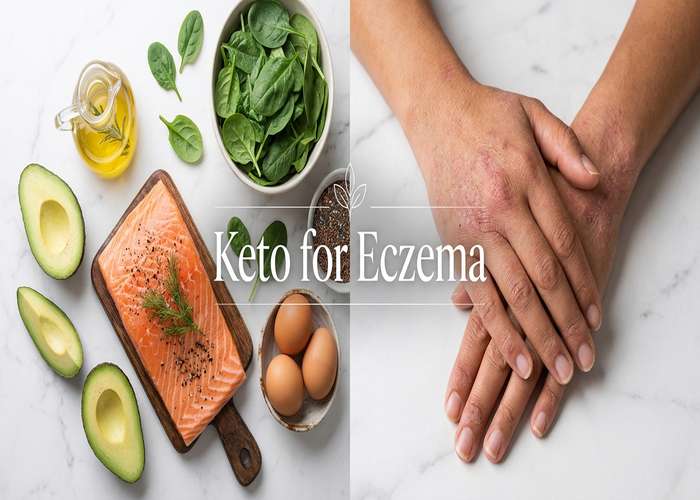
The keto diet for eczema has been discussed as a possible dietary approach for eczema because of its effects on inflammation and metabolic health. Supporters suggest that reducing carbohydrate intake and shifting the body toward using ketones for energy may influence inflammatory processes involved in eczema. Some research reviews have explored these potential effects and their relevance to inflammatory skin conditions. However, dermatologists and researchers who take a more cautious view emphasize that the proposed benefits have not yet been clearly demonstrated in people with eczema.
The main point of debate is whether the diet's potential effects on inflammation can translate into meaningful improvements in eczema symptoms, an issue that requires further clinical research.
Supporters of the ketogenic diet believe it may help manage eczema through its potential effects on inflammation and metabolic health. Since eczema is an inflammatory skin condition, they suggest that the changes associated with ketosis may help regulate inflammatory processes that contribute to skin irritation, redness and itching.
Another proposed benefit concerns the relationship between diet, gut health and skin inflammation. Some researchers believe that dietary changes capable of influencing inflammation and gut microbial balance may indirectly support skin health. From this perspective, a ketogenic diet could have potential as a complementary nutritional approach for some people with eczema.
Dermatological research has explored these possibilities. A 2023 review titled "Ketogenic Diet and the Skin" discussed the potential anti-inflammatory effects of ketogenic diets and their possible applications in managing various skin conditions. The authors highlighted the potential of keto as a supplementary approach in dermatology, although they did not establish its effectiveness specifically for eczema.
Other dermatologists and researchers argue that there is insufficient clinical evidence to recommend the ketogenic diet for eczema. They point out that eczema is a complex condition involving immune system activity, skin barrier dysfunction and genetic and environmental factors. Although inflammation is an important part of the disease, reducing inflammation through dietary changes does not necessarily translate into improved eczema symptoms.
A 2024 review titled "Impact of Ketogenic and Low-Glycemic Diets on Inflammatory Skin Conditions" examined research on ketogenic and low-glycemic diets across several skin conditions, including atopic dermatitis (eczema). The authors concluded that evidence supporting ketogenic diets for inflammatory skin conditions other than acne was limited and that well-designed randomized clinical trials were needed to establish their effectiveness.
This cautious position is consistent with the 2023 guidelines titled "Atopic Dermatitis (Eczema) Guidelines: 2023 American Academy of Allergy, Asthma and Immunology/American College of Allergy, Asthma and Immunology Joint Task Force on Practice Parameters GRADE- and Institute of Medicine-Based Recommendations." The guidelines do not recommend routine restrictive elimination diets for eczema because the benefits are uncertain and unnecessary food restrictions may create nutritional risks. Although this recommendation does not specifically address ketogenic diets, it reinforces the need for caution with restrictive dietary approaches.
Current scientific evidence does not yet establish the ketogenic diet as an effective dietary approach for treating eczema. Supporters point to its potential anti-inflammatory and metabolic effects, which may be relevant to the inflammatory processes involved in the condition.
However, clinical research specifically examining keto in people with eczema remains limited, and there is not enough evidence to determine whether it can consistently reduce eczema severity, itching, or flare-ups. At present, keto is a possible area for further research rather than an established dietary treatment for eczema.
Further clinical studies are needed to establish its effectiveness, safety, and potential role alongside standard eczema care.
AposBook Team
Published November 11, 2026

No material available on this topic. You can add relevant content by using the "Add content" option. Together, we can help people and promote knowledge.
Please remain authentic and respectful. Aposbook does not endorse any comment and is not responsible for any wrong information provided by users.