





AposBook Team
Published November 2, 2026
One common misconception about diabetes is that sugar is the main dietary factor responsible for raising blood glucose levels. Although sugar does raise blood glucose, it is not the only type of carbohydrate that affects blood sugar. Starches can also be broken down into glucose during digestion and contribute to increases in blood glucose levels.
To understand this better, it is important to recognize that carbohydrates include three main types: sugars, starches and dietary fiber.
Sugars are simple carbohydrates found naturally in foods such as fruits and milk, as well as in added sugars used in sweets, soft drinks and processed foods. Starches are complex carbohydrates found in foods such as bread, rice, pasta, potatoes and grains. During digestion, most starches are broken down into glucose, which enters the bloodstream and raises blood glucose levels.
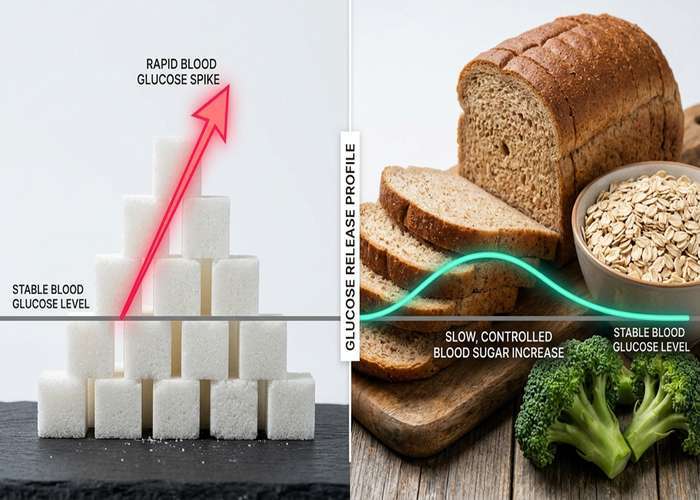
Dietary fiber is also classified as a carbohydrate, but it behaves differently. Most fiber is not digested into glucose in the small intestine. Instead, it can slow digestion and the absorption of other carbohydrates, helping moderate blood glucose responses.
Why Sugar-Free Does Not Necessarily Mean Low-Carbohydrate
This misunderstanding is partly reinforced by food labels and marketing claims. Products advertised as "sugar-free" or "no added sugar" may still contain substantial amounts of carbohydrates, particularly from starches and other ingredients.
For example, sugar-free biscuits and certain types of bread may contain little or no added sugar but still contain flour and starch. These carbohydrates can be digested into glucose and contribute to increased blood sugar levels.
From a low-carbohydrate diet perspective, this is an important distinction: avoiding sugar alone does not necessarily mean reducing carbohydrate intake. People with diabetes should therefore look beyond claims such as "sugar-free" and "no added sugar" and check the total carbohydrate content on food labels.
However, sugar-free products are not necessarily without benefits. Depending on their ingredients, they may help reduce added sugar and calorie intake compared with their conventional alternatives. Their overall suitability still depends on their carbohydrate content, nutritional composition and portion size.
Do All Carbohydrates Have the Same Effect on Diabetes?
Although sugars and starches can both raise blood glucose, not all carbohydrate-containing foods affect the body in the same way. The amount of carbohydrate consumed, its type, the presence of fiber, and the food's overall composition can all influence the blood glucose response.
For example, refined grains and highly processed starches are generally digested more quickly than high-fiber foods. In contrast, legumes, whole grains, vegetables and whole fruits provide fiber and other nutrients that can help moderate blood glucose responses.
This is why it would be inaccurate to say that all carbohydrates are harmful for people with type 2 diabetes. Rather, the type and amount of carbohydrates consumed are important considerations when managing the condition.
Do Carbohydrates Increase Insulin and Cause Weight Gain?
When blood glucose rises after eating carbohydrates, the pancreas releases insulin to help regulate blood sugar levels. Foods containing rapidly digested carbohydrates can produce faster and sometimes larger increases in blood glucose and insulin, depending on the food and portion size.
From the low-carbohydrate diet perspective, frequent consumption of refined carbohydrates may make blood glucose management more challenging, particularly in people with insulin resistance. Some proponents also argue that high-carbohydrate eating patterns may contribute to increased hunger and calorie intake. However, carbohydrates do not automatically cause overeating or weight gain. Overall calorie intake, food quality, appetite, physical activity and other factors also influence body weight.
Which Carbohydrate Sources Should People with Diabetes Be Aware Of?
Carbohydrate-containing foods include:
- Grains and grain products: Bread, rice, pasta, cereals and flour-based products.
- Fruits: Apples, bananas, grapes, oranges and other fruits, which contain naturally occurring sugars and fiber.
- Vegetables: Potatoes, corn, peas and other starchy vegetables, as well as lower-carbohydrate vegetables.
- Legumes: Beans, lentils and chickpeas, which contain carbohydrates as well as fiber and protein.
- Dairy products: Milk and yogurt contain lactose, a naturally occurring sugar.
Although these foods contain carbohydrates, they do not all have the same nutritional value or effect on blood glucose. Whole fruits, legumes and whole grains, for example, can be part of a balanced eating pattern for people with type 2 diabetes.
Ultimately, managing diabetes involves paying attention not only to sugar intake but also to total carbohydrate intake, food quality and portion sizes. Reducing refined carbohydrates and added sugars can be helpful, but eliminating all carbohydrate-containing foods is not necessary for everyone with diabetes.