
Ready to leave?
Oops ! Condition name you have entered is invalid.
You are now leaving Aposbook.com and going to an external site managed by another organization.
Please confirm your email address and try to login again.
This account has been deleted. do you want to restore it?
A verification link will be sent to within the next 2 minutes. Please click it to validate your e mail.
*If you didn't get the link, please check your spam folder
As a registered user, you can benefit from the various free tools and services that we provide.
All you need to do is log in to start discussing with others, interacting, asking questions, and sharing your point of view about the various topics.
You can also write reviews and testimonials about any natural solution you have tried and share your experience. Your feedback can be very helpful.
If you are a health expert, you can add information about any topic or suggest text edit. You can also publish content, including articles and videos, about any topic from the related library section.
Together we can help.
The Aposbook Team
A validation link will be sent to you by email. Please confirm your address to log in
*If you didn't get the link, please check your spam folder

Please log in to use this feature
Your account has been suspended because you have violated our code of conduct. If you think this was a mistake, you can contact us by email at: support@aposbook.com "Contact us" form.
Success! Thank you for your feedback. Your contribution can make a difference. Together we can help each other.
Causes of PCOS from the Keto Diet perspective
Polycystic ovary syndrome (PCOS) is a common hormonal and metabolic disorder that affects women of reproductive age. It is characterized by hormonal imbalances, irregular menstrual cycles, excess androgen levels and, in some cases, multiple small follicles in the ovaries. Although its exact cause is not fully understood, genetics, hormonal regulation and metabolic factors all contribute to its development.
From the ketogenic diet perspective, particular attention is given to insulin resistance …
Causes of PCOS from the Keto Diet perspective
Polycystic ovary syndrome (PCOS) is a common hormonal and metabolic disorder that affects women of reproductive age. It is characterized by hormonal imbalances, irregular menstrual cycles, excess androgen levels and, in some cases, multiple small follicles in the ovaries. Although its exact cause is not fully understood, genetics, hormonal regulation and metabolic factors all contribute to its development.
From the ketogenic diet perspective, particular attention is given to insulin resistance and its effects on hormone production and metabolism. The following factors help explain this connection:
1. Insulin resistance: Insulin resistance is common in women with PCOS, although it does not affect everyone. It occurs when the body's cells respond less effectively to insulin, prompting the pancreas to produce more insulin to maintain normal blood glucose levels. Elevated insulin levels can stimulate the ovaries to produce more androgens, contributing to hormonal imbalances and symptoms such as irregular periods, acne and excessive hair growth.
2. Excess insulin and androgen production: High insulin levels can stimulate androgen production by the ovaries and reduce the liver's production of sex hormone-binding globulin (SHBG). Since SHBG binds to testosterone in the bloodstream, lower levels can result in more free, biologically active testosterone. This can contribute to hyperandrogenism, a key feature of PCOS.
3. Excess body weight and metabolic dysfunction: Although PCOS can affect women of any body weight, excess body fat, particularly abdominal fat, can worsen insulin resistance and metabolic disturbances in some women. This may further aggravate hormonal imbalances and interfere with normal ovulation and menstrual cycles.
Learn more about PCOS and discover all the natural solutions for PCOS, including various natural therapies, diet programs, alternative medicine, vitamins, supplements, herbal medicine, and home remedies. Visit www.aposbook.com to find all the natural treatments for any medical condition IN ONE CLICK.
The ketogenic diet may help women with PCOS by addressing some of the metabolic factors associated with the condition, particularly insulin resistance and elevated insulin levels.
- May improve insulin sensitivity: Restricting carbohydrates can reduce glucose fluctuations and insulin demand. This may help improve insulin regulation, particularly in women with insulin resistance.
- May help regulate androgen levels: Lower insulin levels may reduce insulin-driven ovarian androgen production …
The ketogenic diet may help women with PCOS by addressing some of the metabolic factors associated with the condition, particularly insulin resistance and elevated insulin levels.
- May improve insulin sensitivity: Restricting carbohydrates can reduce glucose fluctuations and insulin demand. This may help improve insulin regulation, particularly in women with insulin resistance.
- May help regulate androgen levels: Lower insulin levels may reduce insulin-driven ovarian androgen production and increase SHBG levels, potentially helping to reduce excess free testosterone.
- May support hormonal balance: Improvements in insulin regulation and androgen levels may help support more regular menstrual cycles and normal ovulatory function.
- May support weight management: For women with PCOS who have excess body weight, a ketogenic diet may help reduce body weight and abdominal fat, potentially improving insulin sensitivity and metabolic health.
A 2026 systematic review and meta-analysis titled “The Effects of Ketogenic Diet on Polycystic Ovary Syndrome: A Systematic Review and Meta-Analysis” examined 15 studies and found improvements in body weight, insulin resistance and certain reproductive hormone measures among women following ketogenic diets. However, the studies varied considerably in their methods and quality, and further long-term clinical trials are needed to confirm these findings.
The ketogenic diet works by substantially reducing carbohydrate intake, which changes how the body regulates glucose, insulin and energy metabolism.
When carbohydrate intake decreases, less glucose enters the bloodstream after meals, reducing the need for insulin secretion. As insulin levels generally decline, the body begins relying more heavily on stored fat for energy.
The liver also converts fatty acids into ketone bodies, which can be used as an alternative …
The ketogenic diet works by substantially reducing carbohydrate intake, which changes how the body regulates glucose, insulin and energy metabolism.
When carbohydrate intake decreases, less glucose enters the bloodstream after meals, reducing the need for insulin secretion. As insulin levels generally decline, the body begins relying more heavily on stored fat for energy.
The liver also converts fatty acids into ketone bodies, which can be used as an alternative energy source by the brain and other tissues. This metabolic state is known as ketosis.
In women with PCOS, reducing carbohydrate intake may help lower excessive insulin demand. Since elevated insulin can stimulate ovarian androgen production and reduce SHBG levels, improving insulin regulation may help address some of the hormonal disturbances associated with PCOS.
When accompanied by weight loss in women who have excess body weight, these metabolic changes may further improve insulin sensitivity and support hormonal and reproductive function.
There is currently no standardized ketogenic diet protocol specifically established for PCOS. However, a general ketogenic diet typically provides the following macronutrient distribution:
- Fat: 70–80% of daily calories
- Protein: 10–20% of daily calories
- Carbohydrates: 5–10% of daily calories, generally around 20–50 grams per day.
These ratios are general guidelines and may need to be adjusted according to individual nutritional needs, health status and tolerance. …
There is currently no standardized ketogenic diet protocol specifically established for PCOS. However, a general ketogenic diet typically provides the following macronutrient distribution:
- Fat: 70–80% of daily calories
- Protein: 10–20% of daily calories
- Carbohydrates: 5–10% of daily calories, generally around 20–50 grams per day.
These ratios are general guidelines and may need to be adjusted according to individual nutritional needs, health status and tolerance. There is also no established duration for following a ketogenic diet specifically for PCOS.
Women with PCOS should avoid unnecessarily restrictive diets and ensure adequate nutrient intake. The 2023 International Evidence-Based Guideline for PCOS does not recommend one particular dietary composition over another, as current evidence does not establish that keto is superior to other dietary approaches for hormonal, metabolic or reproductive outcomes.
Below is a list of the various food types that can be incorporated into a ketogenic diet for PCOS:
- Healthy fats: Prioritize sources of unsaturated fats, such as extra virgin olive oil, avocado oil, avocados and olives. These provide …
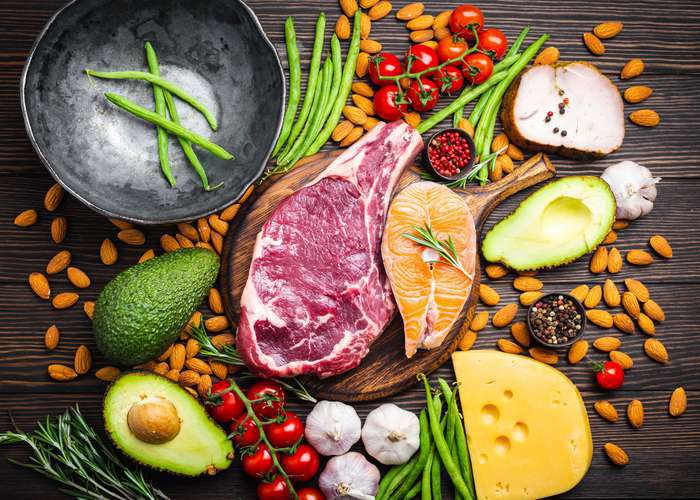
Below is a list of the various food types that can be incorporated into a ketogenic diet for PCOS:
- Healthy fats: Prioritize sources of unsaturated fats, such as extra virgin olive oil, avocado oil, avocados and olives. These provide predominantly unsaturated fatty acids and can replace foods high in saturated fat.
- Meat and poultry: Chicken, turkey, lean beef and pork can be included as protein sources. Choose fresh, minimally processed cuts and avoid relying heavily on processed meats such as bacon, sausages and cold cuts.
- Dairy: Suitable options include plain Greek yogurt, cottage cheese and natural cheeses, provided their carbohydrate content fits within the daily limit. Choose unsweetened products and pay attention to saturated fat content. Full-fat dairy is not essential for following a ketogenic diet.
- Fish and seafood: Fatty fish such as salmon, sardines, mackerel, trout and herring are particularly suitable because they provide omega-3 fatty acids. Other options include tuna, shrimp and mussels. Prefer fresh or minimally processed fish and avoid breaded or heavily processed seafood products.
- Non-starchy vegetables: Include plenty of low-carbohydrate vegetables such as spinach, kale, Swiss chard, lettuce, broccoli, cauliflower, Brussels sprouts, asparagus, zucchini, cucumber, bell peppers, cabbage and mushrooms. These provide fiber, vitamins, minerals and antioxidants.
- Fruits: Choose fruits with relatively low carbohydrate content, particularly strawberries, raspberries and blackberries. Avocados and olives are also suitable. Consume fruit in moderate portions to remain within the daily carbohydrate allowance.
- Nuts and seeds: Walnuts, almonds, macadamia nuts, pecans, chia seeds, flaxseeds and pumpkin seeds make suitable snacks and additions to meals. They provide fiber, minerals and predominantly unsaturated fats. Consume them in moderate portions because they are calorie-dense.
- Dark chocolate: Unsweetened cocoa powder and dark chocolate containing 85–100% cocoa can be included in small portions. Choose products with little or no added sugar and check their carbohydrate content.
- Drinks: Water is the preferred beverage for hydration. Unsweetened coffee and tea are also suitable because they contain virtually no carbohydrates. Avoid sugary drinks, soft drinks, sweetened coffee and fruit juices, which can contribute to excessive sugar intake.
Overall, a PCOS-conscious ketogenic diet should prioritize unsaturated fats, fish, vegetables and minimally processed foods rather than relying heavily on butter, processed meats and other foods high in saturated fat. Adequate protein, fiber and micronutrient intake remain important even when carbohydrate intake is restricted.
Following a ketogenic diet for PCOS requires careful food selection and balanced meal planning. In addition to restricting carbohydrates, it is important to prioritize nutrient-dense foods, maintain adequate fiber and protein intake, and support overall metabolic health. The following recommendations can help guide a more balanced approach.
- Prioritize healthy fats: Choose olive oil, avocado, nuts, seeds and fatty fish rather than …
Following a ketogenic diet for PCOS requires careful food selection and balanced meal planning. In addition to restricting carbohydrates, it is important to prioritize nutrient-dense foods, maintain adequate fiber and protein intake, and support overall metabolic health. The following recommendations can help guide a more balanced approach.
- Prioritize healthy fats: Choose olive oil, avocado, nuts, seeds and fatty fish rather than relying heavily on butter, cream and other sources of saturated fat.
- Include adequate protein: Eat sufficient protein from fish, eggs, poultry, lean meat and other suitable sources to support muscle maintenance and overall health.
- Eat plenty of non-starchy vegetables: Include a variety of low-carbohydrate vegetables to provide fiber, vitamins, minerals and antioxidants.
- Choose high-quality foods: Build meals around minimally processed foods rather than relying on packaged keto snacks and processed products.
- Maintain adequate fiber intake: Include fiber-rich low-carbohydrate vegetables, nuts and seeds to support digestive health.
- Monitor portion sizes: Even low-carbohydrate foods can be calorie-dense. Pay attention to overall calorie intake, particularly if weight management is one of your goals.
- Stay hydrated: Drink enough water throughout the day, especially during the initial stages of carbohydrate restriction.
- Maintain regular physical activity: Combine aerobic exercise with resistance training to support insulin sensitivity, metabolic health and weight management.
- Monitor your progress: Work with your healthcare professional to assess blood glucose, lipid levels, menstrual regularity and other relevant PCOS symptoms.
- Avoid excessive saturated fat: Limit frequent consumption of butter, fatty cuts of meat, processed meats, cream and high-fat dairy products.
- Avoid added sugars: Reduce sweets, desserts, sugary sauces and sweetened beverages.
- Limit refined carbohydrates: Avoid or significantly reduce white bread, pastries, sugary cereals, pasta and other refined carbohydrate sources.
- Avoid sugar-sweetened drinks and fruit juices: These can contribute to excessive sugar and calorie intake.
- Don't rely heavily on processed keto products: Packaged keto snacks, bars and desserts may contain excessive saturated fat, added ingredients or limited nutritional value.
- Don't neglect vegetables and fiber: Excessive restriction of plant foods can lead to inadequate fiber and micronutrient intake.
- Avoid extreme calorie restriction: Severe dietary restriction can make it difficult to meet nutritional needs and may be particularly unsuitable for women with irregular menstrual cycles or fertility concerns.
- Don't assume keto is a cure for PCOS: The diet may help improve certain metabolic markers, but it does not eliminate the underlying condition or replace appropriate medical treatment
Women with PCOS should take certain precautions before starting a ketogenic diet, particularly because the condition is often associated with insulin resistance, hormonal imbalances and metabolic risk factors. It is also important to consider existing medications, reproductive goals and individual nutritional needs.
- Consult a healthcare professional: Before starting keto, discuss the diet with a doctor or registered dietitian, particularly if you have insulin resistance, type 2 diabetes or other metabolic conditions.
…Women with PCOS should take certain precautions before starting a ketogenic diet, particularly because the condition is often associated with insulin resistance, hormonal imbalances and metabolic risk factors. It is also important to consider existing medications, reproductive goals and individual nutritional needs.
- Consult a healthcare professional: Before starting keto, discuss the diet with a doctor or registered dietitian, particularly if you have insulin resistance, type 2 diabetes or other metabolic conditions.
- Review diabetes medications: Women with PCOS who take insulin or certain glucose-lowering medications, such as sulfonylureas, may experience hypoglycemia when substantially reducing carbohydrate intake. Medication doses may need adjustment under medical supervision. Combining keto with SGLT2 inhibitors, such as empagliflozin or dapagliflozin, can increase the risk of diabetic ketoacidosis, even when blood glucose is not significantly elevated.
- Consider metformin use: Metformin is commonly prescribed for PCOS, particularly to address insulin resistance and metabolic abnormalities. Although it does not usually cause hypoglycemia on its own, combining it with substantial dietary changes may require monitoring of blood glucose and gastrointestinal tolerance. Do not change medication doses without medical advice.
- Monitor cholesterol levels: Some women experience an increase in LDL cholesterol when following a ketogenic diet. Since PCOS is already associated with an increased risk of metabolic and cardiovascular complications, monitoring lipid levels is important.
- Consider pregnancy and fertility plans: Women who are pregnant, breastfeeding or actively trying to conceive should not start a restrictive ketogenic diet without specialist guidance. Nutritional requirements change during these periods, and there is insufficient evidence to establish the safety and benefits of strict keto for pregnancy or fertility outcomes.
- Avoid excessive calorie restriction: Severe calorie restriction and rapid weight loss may compromise nutritional intake and overall hormonal health. Aim for a sustainable dietary approach that provides adequate energy and nutrients.
- Monitor menstrual and hormonal changes: Keep track of menstrual regularity and changes in PCOS symptoms. Although weight loss and improved insulin regulation may benefit some women, individual responses vary.
- Consider other health conditions: Women with kidney or liver disease, a history of eating disorders or other significant medical conditions should seek professional guidance before following a restrictive ketogenic diet.
The ketogenic diet is not known to cause side effects that are unique to women with PCOS. However, it can cause common side effects, particularly during the initial adaptation period. These include:
- Keto flu: A group of temporary symptoms such as headache, fatigue, nausea, dizziness and irritability that may occur as the body adapts to reduced carbohydrate intake.
- Bad breath: Some people develop fruity or acetone-like breath during …
The ketogenic diet is not known to cause side effects that are unique to women with PCOS. However, it can cause common side effects, particularly during the initial adaptation period. These include:
- Keto flu: A group of temporary symptoms such as headache, fatigue, nausea, dizziness and irritability that may occur as the body adapts to reduced carbohydrate intake.
- Bad breath: Some people develop fruity or acetone-like breath during ketosis due to the production of ketones, particularly acetone.
- Dehydration: Reduced insulin levels can increase sodium and water loss, potentially causing thirst, dizziness and dehydration.
- Muscle cramps: Changes in fluid and electrolyte balance, including sodium, potassium and magnesium, may contribute to muscle cramps.
- Constipation: Reduced fiber intake and changes in fluid balance may cause constipation, particularly when the diet lacks sufficient low-carbohydrate vegetables, nuts and seeds.
- Fatigue: Tiredness and reduced physical performance may occur while the body adapts to using fat and ketones more extensively for energy.
- Heart palpitations: Some people experience a faster or more noticeable heartbeat during the initial adaptation period, potentially due to fluid and electrolyte changes. Persistent or severe palpitations require medical evaluation.
- Hypoglycemia: Low blood glucose can occur, particularly in people taking insulin or certain glucose-lowering medications. Symptoms may include sweating, trembling, dizziness, blurred vision and confusion. Severe cases can cause seizures or loss of consciousness.
- Ketoacidosis: This is a serious condition involving excessive ketone accumulation and increased blood acidity. It is not a normal consequence of nutritional ketosis, but the risk is particularly important for people with type 1 diabetes and those taking SGLT2 inhibitors. Suspected ketoacidosis requires immediate medical attention.
AposBook Team
Published December 5, 2026
Disclaimer: The published information is based on available scientific research and reliable medical sources at the time of writing. Medical knowledge, evidence and clinical recommendations may change as new research becomes available. This content is provided for educational purposes only and is not intended to replace professional medical advice, diagnosis or treatment. Always consult your doctor or qualified healthcare provider regarding questions about your health or before making significant changes to your diet, medication or treatment.
Rate each parameters
Support images
You can review a solution if you have used it personally. Please remain objective and genuine. Your input can help others.
You have already reviewed this
Please rate all parameters.
Success! Thank you for your feedback. Your contribution can make a difference. Together we can help each other.
Views in favor
What to eat to get pregnant - Diet Doctor
Views against

[0]