






Live Longer and Healthier Dos and Don'ts: Tips and Prevention
What you should Do for Longevity (Live Longer)

Eat less calories
Eating less can help you live longer and healthier.
Research has shown that cutting just 300 to 500 calories a day from your diet could help slowing the signs of aging and allow people to live longer.

Do regular physical training
Physical training is very important for anti aging.
Doing HIIT (High intensity interval training) is recommended and try to get your heart rate up to 85%.
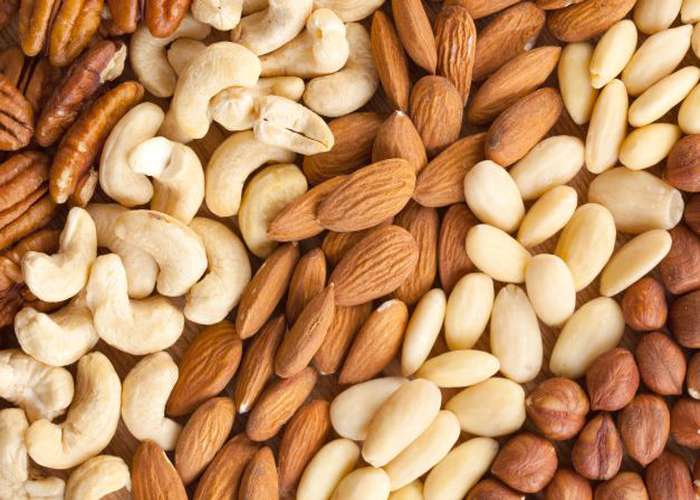
Eat nuts
Eat more nuts because they are rich in protein, fiber, and antioxidants.
They also represent a great source of vitamins and minerals, such as copper, magnesium, potassium, folate, niacin, and vitamins B6 and vitamin E.

Sleep well
It is recommended to sleep between 7 and 9 hours per night. Sleeping less than 7 hours or more than 9 hours might decrease your lifespan by 38%.
Longevity is also linked to regular sleeping patterns, such as going to bed and waking up around the same time each day.
What you should Avoid for Longevity (Live Longer)

Avoid sun exposure
Avoid sun exposure because it can cause DNA damage. Make sure you always put sunscreen or sit in the shade.
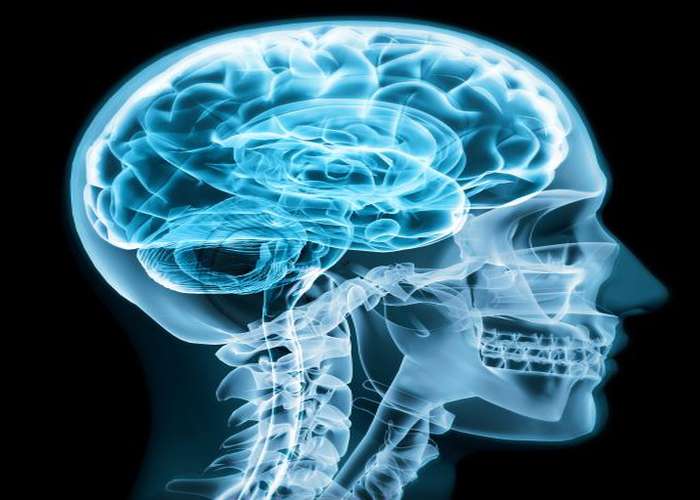
Avoid X ray
Avoid X ray because it can cause DNA damage and prevents cell from reproducing.
It can also damage critical cellular systems.
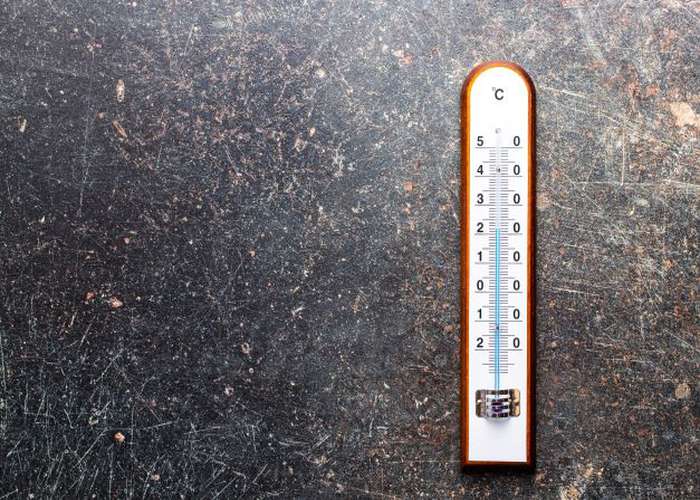
Avoid cold stress and heat stress
Extreme temperatures, whether from cold or heat stress, can have profound effects on cellular health and longevity. The body’s response to these environmental stresses involves complex physiological processes that can significantly impact cellular function and aging. Prolonged or severe exposure to either extreme can lead to various forms of cellular damage, including oxidative stress, inflammation, and disruption of essential metabolic processes. Understanding how cold and heat stress affect cellular health is crucial for developing strategies to mitigate their impact and support longevity.
- Cold Stress:
Cold stress can have significant adverse effects on cellular health and longevity. Prolonged exposure to cold temperatures can lead to increased oxidative stress as the body attempts to maintain its core temperature. This results in the production of free radicals, which can damage cellular components such as DNA, proteins, and lipids. The cellular damage caused by oxidative stress accelerates the aging process and impairs cellular function, which is detrimental to longevity. Additionally, cold stress can disrupt metabolic processes and increase the risk of physical injuries like frostbite and hypothermia, leading to further tissue damage and inflammation. The combination of these factors can overwhelm the body's natural repair mechanisms, leading to accelerated cellular aging and a reduced lifespan.
- Heat Stress:
Heat stress also poses a threat to cellular health and longevity. Exposure to excessive heat triggers the production of heat shock proteins (HSPs) that help protect cells from damage. However, extreme or prolonged heat stress can overwhelm these protective mechanisms, leading to damage to cellular proteins and DNA. The elevated temperatures associated with heat stress increase oxidative stress, resulting in an excess of free radicals that further damage cellular structures and impair cellular function. This oxidative damage accelerates the aging process and increases the risk of heat-related illnesses. Disruptions to cellular membranes and metabolic processes caused by heat stress can contribute to long-term cellular dysfunction and reduced longevity.

Don't smoke
Smoking has a profound impact on cellular health and longevity. The toxins in cigarette smoke cause oxidative stress and inflammation, leading to extensive damage to cellular structures, including DNA, proteins, and lipids.
This damage accelerates cellular aging and contributes to the development of age-related diseases such as cancer, cardiovascular disease, and respiratory conditions.
Chronic oxidative stress from smoking overwhelms the body's antioxidant defenses, impairing cellular repair mechanisms and reducing the ability of cells to maintain their integrity over time.
Additionally, smoking can lead to the shortening of telomeres, which are protective caps at the ends of chromosomes that play a crucial role in cellular aging. Shortened telomeres are associated with reduced cellular function and a higher risk of premature aging.
Therefore, avoiding smoking is crucial for maintaining cellular health and extending lifespan. By reducing oxidative damage and supporting cellular repair processes, individuals who do not smoke are better positioned to achieve longer and healthier lives.

Avoid alcohol
Excessive alcohol consumption has similarly detrimental effects on cellular health and longevity. Alcohol metabolism generates acetaldehyde, a toxic compound that contributes to oxidative stress and cellular damage. This damage impairs cellular functions and disrupts the integrity of cellular components. Chronic alcohol intake can lead to liver damage, which affects the body's ability to detoxify and repair itself. This disruption extends to other organs and tissues, increasing the risk of age-related diseases such as cardiovascular disorders, cancer, and neurodegenerative conditions. Additionally, alcohol can interfere with cellular repair processes and contribute to inflammation, further accelerating cellular aging. Moderate or abstinent alcohol consumption is recommended to mitigate these effects and support cellular health. By minimizing oxidative stress and supporting the body's repair mechanisms, individuals can enhance their chances of achieving greater longevity.

Avoid stress
Chronic stress has a significant impact on cellular health and longevity, influencing both the rate of cellular aging and the development of age-related diseases. When the body is under constant stress, it produces high levels of stress hormones such as cortisol and adrenaline. These hormones, while beneficial in short bursts, can become harmful when present in elevated levels over extended periods.
Chronic stress leads to increased oxidative stress and inflammation, which accelerate cellular damage and impair cellular repair mechanisms. Oxidative stress results from an imbalance between free radicals and antioxidants in the body, causing damage to cellular components including DNA, proteins, and lipids. This damage disrupts cellular function and contributes to the aging process.
Additionally, chronic stress can negatively impact the immune system, making cells more susceptible to damage and reducing the body's ability to fight off infections and repair itself. Persistent inflammation associated with chronic stress further exacerbates cellular damage and accelerates the development of age-related conditions such as cardiovascular disease, diabetes, and neurodegenerative disorders. Stress also affects lifestyle choices and behaviors, often leading to poor dietary habits, lack of physical activity, and disrupted sleep, all of which can further impact cellular health.
Effective stress management is crucial for maintaining cellular integrity and extending lifespan. Techniques such as mindfulness, meditation, regular physical exercise, and adequate sleep can help mitigate the effects of chronic stress by reducing oxidative stress and inflammation. By managing stress effectively, individuals can support their cellular health, enhance their overall well-being, and potentially achieve a longer and healthier life.
Prevention library Longevity (Live Longer)
- Show only
- Articles
- Videos




Longevity (Live Longer) Prevention Forum
Always respect others and address them in a professional manner. Please remain authentic and objective.Aposbook does not endorse any comment and is not responsible for any wrong information provided by users.


Success! Thank you for your comment.