






UTI Dos and Don'ts: Tips and Prevention
What you should Do for UTI (Urinary Tract Infection)
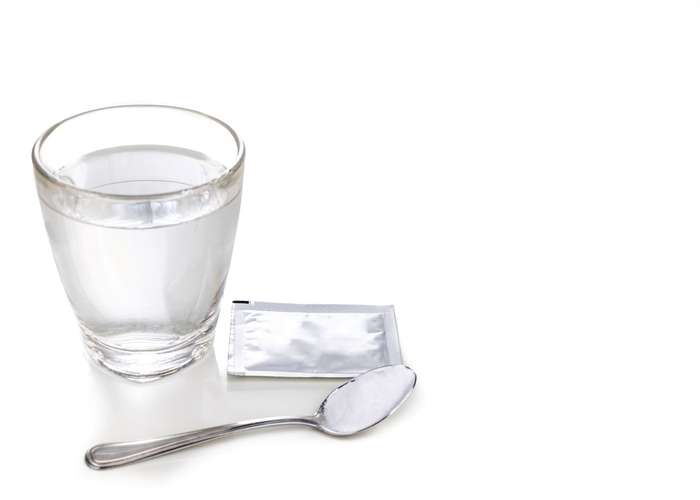
Use potassium salt
Urinary tract infections (UTIs) cause various symptoms and complications that can significantly impact comfort and health. Common issues include painful urination, bladder irritation, and the potential for recurrent infections or kidney stones. Potassium salts, such as potassium citrate, help manage some of these issues by alleviating certain symptoms and addressing the acidity of urine.
While they don't cure the infection, potassium salts can provide relief and create a less hospitable environment for bacteria. Below are key UTI problems that potassium salt can address:
- Pain and Burning Sensation During Urination: Potassium citrate alkalinizes the urine, reducing its acidity and relieving the burning pain associated with urination.
- Bladder Irritation: Potassium citrate helps neutralize the acidity, reducing irritation and easing bladder discomfort caused by cystitis.
- Frequent Urination: While potassium salts don’t directly reduce frequency, they can make urination more comfortable by lowering urine acidity and easing bladder irritation.
- Preventing Kidney Stones: Potassium citrate reduces the likelihood of stone formation by making the urine less acidic, which indirectly lowers the risk of recurrent UTIs.
- Discomfort from Dehydration: Potassium salts help balance electrolytes and maintain hydration, ensuring consistent urine flow and diluting bacteria in the urinary tract.
- Alkalinizing Urine to Inhibit Bacterial Growth: By making the urine more alkaline, potassium salts create an environment less conducive to bacterial growth, reducing the severity of infections.
How to use Potassium Salt for UTI
Potassium citrate is typically taken orally in the form of tablets or as a powder mixed with water. It should not be applied directly to the vagina. Drinking potassium citrate helps alkalinize the urine from within, providing relief from UTI symptoms.
The recommended dosage can vary based on individual health needs and should be guided by a healthcare provider. Common dosages range from 1,500 to 3,000 mg per day, divided into multiple doses. Always follow your doctor’s instructions for the appropriate amount.
Potassium citrate is usually taken two to three times daily. It’s essential to maintain consistent dosing to achieve optimal effects on urine pH.
Along with potassium citrate, it’s important to stay well-hydrated. Drinking plenty of water can help flush bacteria from the urinary tract and further alleviate symptoms.
It is important to note that potassium salt (potassium citrate) is different from normal salt (sodium chloride) because potassium salt helps alkalinize urine, reducing acidity and creating an environment less conducive to bacterial growth. In contrast, normal salt does not offer these benefits and can contribute to fluid retention and increased urine acidity, which may exacerbate UTI symptoms. Therefore, individuals experiencing UTIs should avoid using normal salt in favor of potassium salt for better management of their symptoms.
Before starting potassium citrate, consult a healthcare provider, especially if you have kidney issues, heart conditions, or are on a potassium-restricted diet. A healthcare professional can provide personalized recommendations based on your health history and the severity of your UTI.
Drink plenty of water
Staying well-hydrated is essential for managing urinary tract infections (UTIs). Adequate water intake helps dilute urine, promotes regular urination, and flushes out bacteria from the urinary tract. Here’s how much water to drink and why it’s important:
- Recommended Water Intake: Aim to drink at least 8 to 10 cups (64 to 80 ounces) of water daily. This equates to about 2 to 2.5 liters. However, individual hydration needs can vary based on factors like age, activity level, and overall health.
- Adjust for Symptoms: If you are experiencing a UTI, consider increasing your water intake beyond the general recommendation. Drinking more water can help dilute urine and may aid in reducing the intensity of symptoms.
- Urination Frequency: A good indication of adequate hydration is the frequency of urination. You should aim to urinate every 2 to 4 hours during the day. If your urine is light yellow to clear, it typically indicates proper hydration.
Hydration Tips for UTI
- Set reminders: If you often forget to drink water, set reminders on your phone or use apps designed to track hydration.
- Carry a water bottle: Keep a reusable water bottle with you throughout the day to make it easier to drink water regularly.
- Infuse water with flavors: If you find plain water boring, infuse it with fruits, herbs, or cucumber for added flavor without extra calories.
By maintaining proper hydration and drinking enough water daily, you can help manage UTI symptoms more effectively while supporting overall urinary tract health.
Prevention library UTI (Urinary Tract Infection)
- Show only
- Articles
- Videos



UTI (Urinary Tract Infection) Prevention Forum
Always respect others and address them in a professional manner. Please remain authentic and objective.Aposbook does not endorse any comment and is not responsible for any wrong information provided by users.


Success! Thank you for your comment.