






Menopause Dos and Don'ts: Tips and Prevention
What you should Do for Menopause

Maintain a healthy weight
Maintaining a healthy weight during menopause can be challenging, but it’s crucial for managing symptoms and reducing the risk of chronic health issues such as heart disease, type 2 diabetes, and osteoporosis. As hormone levels fluctuate and metabolism slows, weight gain, especially around the abdomen, becomes more common. However, with the right strategies, it is possible to maintain or even lose weight.
Why Maintaining a Healthy Weight is Important During Menopause:
- Reduces Hot Flashes and Night Sweats: Excess body fat can exacerbate hot flashes and night sweats. Maintaining a healthy weight may help minimize these uncomfortable symptoms.
- Supports Heart Health: Estrogen decline increases the risk of cardiovascular disease. Keeping weight under control can help lower blood pressure, reduce cholesterol, and maintain heart health.
- Prevents Insulin Resistance: Weight gain during menopause can lead to insulin resistance, increasing the risk of type 2 diabetes. Managing weight can help keep blood sugar levels in check.
- Protects Bone Health: Obesity can put extra stress on bones and joints. Maintaining a healthy weight helps support mobility and reduces the risk of fractures and osteoporosis.
- Improves Mood and Energy Levels: Excess weight can affect self-esteem and energy levels, potentially worsening mood swings or anxiety. A balanced weight can improve both mental and physical well-being.
Tips for Maintaining a Healthy Weight During Menopause:
- Focus on a Balanced Diet: Eating nutrient-dense foods rich in protein, fiber, and healthy fats can help control appetite and prevent overeating. Focus on whole grains, lean proteins, vegetables, and fruits to maintain a balanced intake.
- Control Portion Sizes: As metabolism slows down, it’s important to adjust portion sizes to avoid excess calorie intake. Being mindful of portion sizes, particularly for high-calorie foods, helps manage weight effectively.
- Stay Active: Regular exercise is key for maintaining weight. Aim for a combination of aerobic activities (like walking, swimming, or cycling) and strength training to boost metabolism and preserve muscle mass.
- Prioritize Strength Training: Muscle mass declines with age, slowing metabolism. Incorporating strength training exercises, such as weight lifting or resistance bands, helps preserve and build muscle, boosting metabolism and aiding in weight management.
- Get Enough Sleep: Poor sleep can disrupt hunger-regulating hormones, leading to weight gain. Aim for 7-9 hours of quality sleep each night to support weight control and reduce stress.
- Monitor Emotional Eating: Mood swings and stress during menopause can lead to emotional eating. Practicing mindful eating and finding alternative ways to cope with stress, like meditation or exercise, can help prevent overeating.
- Stay Hydrated: Sometimes thirst is mistaken for hunger, leading to unnecessary snacking. Drinking enough water can help control hunger and support metabolism.
Maintaining a healthy weight during menopause requires mindful eating, regular exercise, and attention to lifestyle habits. These strategies not only help manage weight but also contribute to better overall health and reduce the severity of menopausal symptoms.

Sleep well
Getting enough quality sleep is essential, especially during menopause when the body undergoes significant hormonal changes. Sleep is the time when the body repairs itself, regulates hormones, and restores mental and physical energy. For women in menopause, disruptions in sleep are common due to night sweats, hot flashes, and anxiety, which can further exacerbate symptoms like mood swings and fatigue. Aiming for 7-9 hours of uninterrupted sleep each night can help stabilize hormones, improve mental clarity, and boost mood. Prioritizing good sleep hygiene not only helps manage menopause symptoms but also supports overall health and well-being.
Why Sleeping Well Is Important for Menopause
- Hormonal Balance: Menopause brings significant hormonal changes, particularly the decline in estrogen and progesterone, which can disrupt sleep. Quality sleep helps regulate hormone levels, supporting overall balance and reducing the severity of symptoms like hot flashes and mood swings.
- Mood and Mental Health: Sleep deprivation during menopause can worsen mood swings, anxiety, and irritability, which are already common due to hormonal changes. Getting enough rest helps stabilize mood, reduce stress, and improve emotional well-being.
- Cognitive Function: Good sleep is essential for memory, focus, and cognitive health. Sleep disturbances can lead to brain fog and difficulty concentrating, which are often reported by menopausal women. Proper rest helps maintain mental clarity.
- Managing Weight: Menopause is associated with changes in metabolism, and poor sleep can further disrupt weight management by increasing hunger hormones (like ghrelin) and reducing satiety hormones (like leptin). Sleeping well can help control weight and reduce abdominal fat gain common during menopause.
- Improved Immune Function: Quality sleep boosts the immune system, which is especially important during menopause when the body is undergoing stress from hormonal fluctuations. A strong immune system helps the body manage the physical challenges of menopause.
- Reduced Risk of Health Conditions: Poor sleep is linked to a higher risk of conditions like heart disease, high blood pressure, and diabetes—all of which are already concerns for postmenopausal women. Adequate sleep helps mitigate these risks and supports long-term health.
Consume phytoestrogens
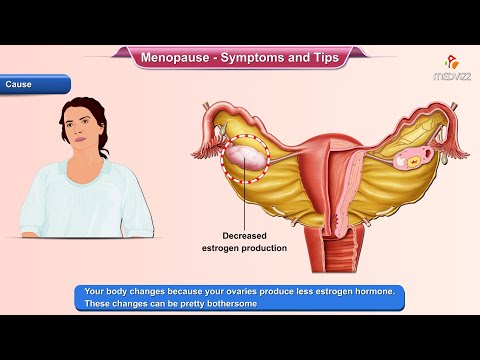
Phytoestrogens are naturally occurring plant compounds that mimic the effects of estrogen in the body. Structurally similar to the body’s own estrogen, phytoestrogens can bind to estrogen receptors, though their effect is weaker than actual estrogen. For women going through menopause, when estrogen levels are declining, phytoestrogens may help alleviate certain symptoms by compensating for the body's lower estrogen production.
Benefits of Phytoestrogens for Menopause
- Reducing Hot Flashes: Research suggests that women who consume more phytoestrogens experience fewer and less severe hot flashes.
- Supporting Bone Health: Phytoestrogens may help reduce bone loss and support bone density, which is important after menopause when the risk of osteoporosis increases.
- Improving Heart Health: Some studies suggest that phytoestrogens, especially those in soy products, may help lower cholesterol levels and support cardiovascular health during menopause.
- Balancing Mood: By mimicking estrogen to some extent, phytoestrogens may help stabilize mood swings and improve emotional well-being.
Sources of Phytoestrogens:
- Soy Products: Soybeans, tofu, tempeh, soy milk, and edamame are rich in isoflavones, a type of phytoestrogen that has been shown to relieve menopause symptoms.
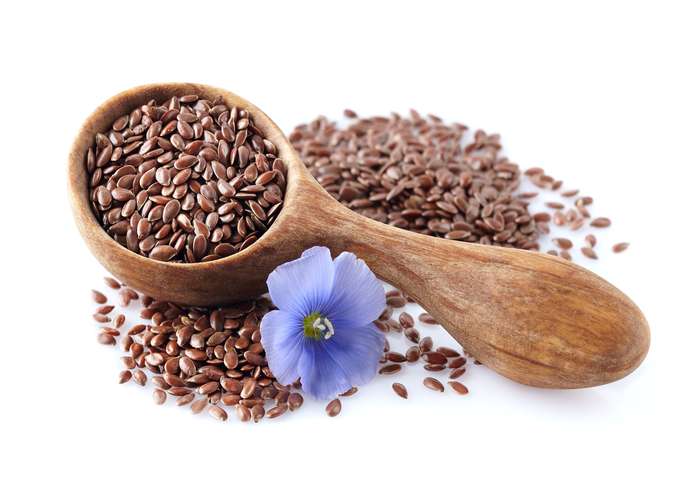
- Flaxseeds: These small seeds are a powerhouse of lignans, another type of phytoestrogen. Ground flaxseeds can be added to smoothies, oatmeal, or baked goods for a nutritional boost.
- Chickpeas and Other Legumes: Chickpeas, lentils, and other legumes are good sources of phytoestrogens and can be easily incorporated into meals.
- Sesame Seeds: High in lignans, sesame seeds can be sprinkled over salads or added to baked goods to increase phytoestrogen intake.
- Whole Grains: Grains like oats, barley, and quinoa also contain phytoestrogens, providing a double benefit of fiber and plant estrogens.
Incorporating Phytoestrogens into Your Diet:
- Add Soy to Meals: Swap meat with tofu or tempeh in stir-fries, salads, or soups. Soy milk can also replace dairy milk in smoothies or cereals.
- Sprinkle Flaxseeds: Add ground flaxseeds to your breakfast—whether it’s yogurt, oatmeal, or a smoothie—for an easy way to boost your phytoestrogen intake.
- Legume-Based Meals: Make chickpeas, lentils, or beans a staple in salads, stews, or curries to provide a steady source of plant-based estrogens.
- Snack on Seeds: Keep sesame seeds and flaxseeds handy for topping salads, baked goods, or even mixing into your favorite snack recipes.
Important Considerations:
- Balance Is Key: While phytoestrogens can help mimic estrogen, they do so in a much milder way, so it’s important to have a balanced approach. Excessive intake of concentrated sources (like supplements) may not always be beneficial, so it’s better to get phytoestrogens through whole foods.
- Consult a Doctor: Before significantly altering your diet or starting supplements, it’s wise to consult with a healthcare provider to ensure these choices align with your personal health needs.
By incorporating phytoestrogen-rich foods into your daily diet, you may find relief from some of the challenging symptoms of menopause while also supporting overall health.

Exercise regularly
Exercising regularly can help reduce menopause symptoms such as poor sleep, anxiety, low mood, and fatigue.
It can also protect against weight gain that can occur during menopause.

Foods to eat
Eating the right foods can play a significant role in managing menopause symptoms and supporting overall health during this transitional phase. Nutrient-dense foods help balance hormones, maintain bone density, and reduce the risk of chronic conditions such as heart disease and osteoporosis. Here are some foods to prioritize during menopause:
- Calcium-Rich Foods: To maintain bone strength and prevent osteoporosis, include foods rich in calcium
- Dairy products: milk, yogurt, cheese
- Leafy greens: kale, collard greens, bok choy
- Fortified foods: fortified plant-based milks, orange juice, and cereals
- Foods High in Vitamin D: Vitamin D helps the body absorb calcium, making it crucial for bone health:
- Fatty fish: salmon, mackerel, sardines
- Eggs (particularly the yolk)
- Fortified foods: cereals, dairy, and plant-based milk
- Foods Rich in Phytoestrogens: These plant compounds mimic estrogen and can help alleviate menopausal symptoms like hot flashes:
- Soy products: tofu, tempeh, edamame, soy milk
- Flaxseeds
- Legumes: chickpeas, lentils
- Whole grains: oats, barley
- Omega-3 Fatty Acids: Omega-3s support heart health and may help reduce inflammation and mood swings:
- Fatty fish: salmon, mackerel, tuna
- Flaxseeds and chia seeds
- Walnuts
- High-Fiber Foods: Fiber helps regulate blood sugar levels, supports digestion, and can aid in weight management:
- Whole grains: quinoa, brown rice, oats
- Vegetables: broccoli, carrots, Brussels sprouts
- Fruits: berries, apples, pears
- Legumes: beans, lentils, peas
- Protein-Rich Foods: Protein is vital for maintaining muscle mass, which can decline with age:
- Lean meats: chicken, turkey, lean beef
- Plant-based proteins: lentils, chickpeas, beans, tofu
- Eggs
- Fish and seafood
- Healthy Fats: Healthy fats are important for heart health and can help manage weight during menopause:
- Avocados
- Olive oil
- Nuts and seeds
- Fatty fish
- Antioxidant-Rich Foods: Antioxidants fight inflammation and support overall health:
- Berries: blueberries, raspberries, strawberries
- Dark leafy greens: spinach, kale
- Nuts and seeds: almonds, sunflower seeds
Incorporating these foods into your daily diet can help alleviate menopause symptoms, support hormonal balance, and promote long-term health.
What you should Avoid for Menopause

Avoid trigger foods
Avoid foods and drinks that can trigger menopause and make them worse such as: hot flashes, night sweats and mood swings.
These foods include caffeine, alcohol and sugary or spicy foods.
Reduce refined sugars
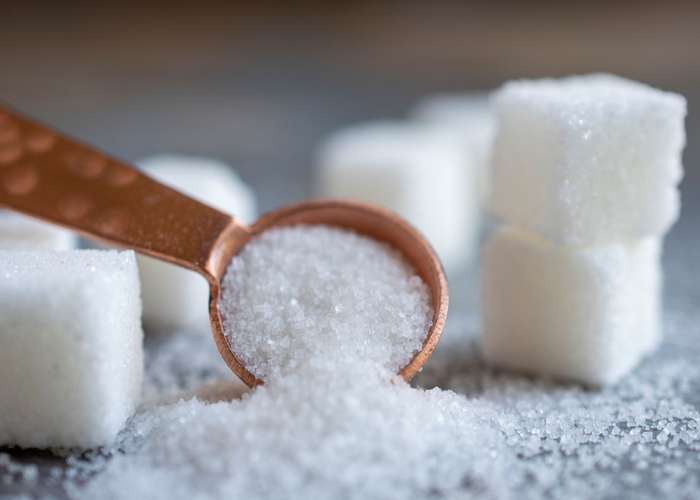
Avoid refined sugar because it is associated with a higher risk of depression. It can also worsen bone health in postmenopausal women and trigger hot flashes.

Avoid skipping meals
Skipping meals may seem like an easy way to manage weight, but it can have negative effects, particularly during menopause. As the body undergoes hormonal changes, maintaining stable blood sugar levels and providing consistent nutrition becomes essential for overall health and symptom management. Here’s why avoiding skipped meals is important:
- Maintains Energy Levels: Regular meals provide the body with a steady supply of energy. Skipping meals can lead to energy crashes, resulting in fatigue and decreased productivity, which can further complicate the challenges of menopause.
- Regulates Blood Sugar: Consistent eating helps stabilize blood sugar levels, preventing spikes and crashes that can lead to cravings, irritability, and fatigue. This is especially important during menopause when insulin sensitivity may be affected.
- Prevents Overeating: Skipping meals can lead to extreme hunger later in the day, increasing the likelihood of overeating or making unhealthy food choices. Eating regular, balanced meals helps control hunger and reduces the temptation to snack on high-calorie foods.
- Supports Nutritional Needs: Menopause increases the need for certain nutrients, such as calcium and vitamin D. Regular meals ensure that you’re getting enough essential vitamins and minerals to support overall health and well-being.
- Stabilizes Mood: Fluctuating blood sugar levels from skipping meals can negatively impact mood, leading to irritability and anxiety. Eating consistently helps maintain stable energy and mood levels, which is particularly important during menopause.
- Boosts Metabolism: Regular meals can help keep metabolism active. Skipping meals can slow down the metabolic rate, making it more challenging to maintain a healthy weight.
- Promotes Healthy Eating Habits: Establishing a routine of regular meals encourages healthier eating patterns, making it easier to incorporate nutritious foods into your diet and maintain overall well-being during menopause.
By prioritizing regular meals and snacks throughout the day, women can better manage menopause symptoms, maintain energy levels, and support overall health. Consistency in eating habits is a simple yet effective strategy to enhance well-being during this transitional phase.

Foods to avoid
While certain foods can support health during menopause, others can exacerbate symptoms or contribute to weight gain and other health issues. Being mindful of what you eat can help manage menopause symptoms more effectively and support overall well-being. Here are foods to avoid during this transitional phase:
- Processed Foods: Highly processed foods often contain unhealthy trans fats, high sugar, and sodium, which can contribute to weight gain, bloating, and mood swings. Examples include packaged snacks, fast food, and ready-to-eat meals.
- Sugary Beverages: Drinks high in sugar, such as sodas, sweetened teas, and energy drinks, can lead to weight gain and increased insulin resistance. They also provide empty calories without nutritional benefits.
- Caffeine: While moderate caffeine consumption can be fine for some, excessive caffeine can worsen anxiety, disrupt sleep, and trigger hot flashes. It’s best to limit coffee, tea, and caffeinated sodas, especially in the afternoon and evening.
- Alcohol: Alcohol can trigger hot flashes and night sweats while also affecting sleep quality and mood. Limiting or avoiding alcohol can help manage these symptoms more effectively.
- Spicy Foods: Spicy foods can trigger hot flashes for some women. If you notice increased discomfort after eating spicy dishes, consider reducing or eliminating them from your diet.
- High-Sodium Foods: Excess sodium can lead to water retention and bloating. Processed meats, canned soups, and salty snacks are often high in sodium and should be consumed in moderation.
- Refined Carbohydrates: Foods made with white flour and sugar, such as white bread, pastries, and sugary cereals, can cause blood sugar spikes and contribute to weight gain. Opting for whole grains can provide more stable energy levels and better nutritional value.
- Full-Fat Dairy Products: While calcium is important for bone health, full-fat dairy products can be high in saturated fats, which may contribute to heart disease. Opt for low-fat or non-fat dairy options instead.
- Artificial Sweeteners: Some studies suggest that artificial sweeteners may disrupt gut health and could be linked to weight gain. Choosing natural sweeteners in moderation may be a healthier option.
By being aware of these foods and making informed choices, women can better manage menopause symptoms, maintain a healthy weight, and support overall health during this transitional period.
Prevention library Menopause
- Show only
- Articles
- Videos


Menopause Prevention Forum
Always respect others and address them in a professional manner. Please remain authentic and objective.Aposbook does not endorse any comment and is not responsible for any wrong information provided by users.


Success! Thank you for your comment.