





Lyme Disease Dos and Don'ts: Tips and Prevention
What you should Do for Lyme Disease
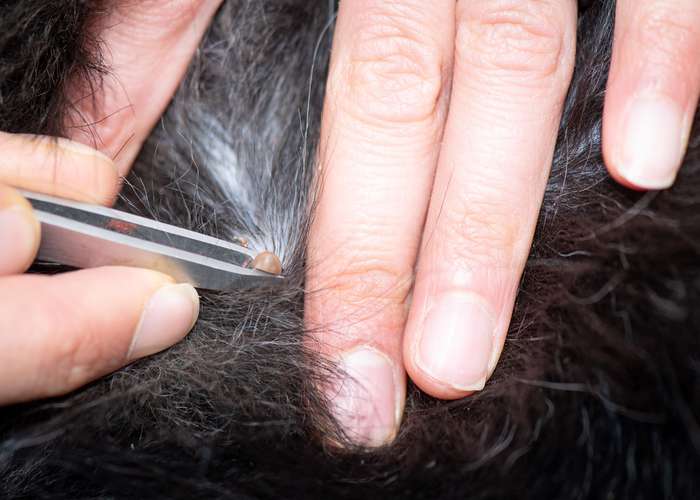
Remove ticks with tweezer
Always check your body for ticks. A tick should be removed by pulling it away from the skin with the help of tweezers or a similar device. The area of the skin should be washed with soap and water.

Eat healthy food
Consume fruits, vegetables, and high-quality proteins because they support the immune system.
Supporting the immune system is crucial to attack the infection and reduce the symptoms associated with Lyme disease.

Consume more fiber
Fiber is useful for assisting the body with detoxification by eliminating toxins associated with Lyme disease.

Eat foods rich in probiotics
Consume foods rich in probiotics as they help keep the gut flora healthy. This is important to reinforce the immune system and help to rebalance immune responses against infections.

Drink lot of water
Drinking water assists in detoxification. Lyme patients naturally accumulate an excessive amount of bodily toxins.
Water is the easiest and most essential way to help purge those toxins.
What you should Avoid for Lyme Disease

Avoid processed foods
Processed foods are associated with increased risks of chronic inflammatory diseases and exacerbating chronic inflammation.
Hence, avoiding processed foods is crucial for patients with Lyme disease in order to increase further inflammation in the body.

Avoid sugar
Avoid eating sugar and refined carbohydrates because sugar suppresses the immune system, which increases the symptoms of Lyme disease.

Avoid dairy products
Dairy is a primary source of inflammation and causes digestive issues. These digestive problems can suppress the immune system because much of the immune response originates in the stomach.
Suppressing the immune system will increase the symptoms associated with Lyme disease.

Avoid gluten
Patients with Lyme disease should avoid gluten because gluten is one of the main causative agents of inflammation in the body.
Thus, it’s important to cut back on gluten, to give the immune system the best chance of fighting back the infection.

Avoid industrial seed oils
Avoid industrial seed oils because they are considered potent inflammatory triggers, which would worsen Lyme disease symptoms.

Foods to avoid
Certain foods can increase inflammation, weaken the immune system, or aggravate Lyme disease symptoms. Here are key foods to avoid:
- Processed Foods: These often contain preservatives, additives, and unhealthy fats, which increase inflammation and burden the immune system.
- Refined Sugars: Sugar promotes inflammation and weakens immune function, making it harder for the body to fight off infections. Avoid sugary snacks, sodas, and desserts.
- Gluten: Gluten can trigger inflammation in those with sensitivities or autoimmune issues. Limiting bread, pasta, and other gluten-containing products may help reduce inflammation.
- Dairy Products: Full-fat dairy, especially processed varieties like cheese and ice cream, can promote inflammation, particularly for those who are lactose intolerant or sensitive to dairy.
- Fried Foods: These foods, often cooked in unhealthy oils, lead to chronic inflammation and slow down the healing process. Examples include fast food and fried snacks.
- Artificial Sweeteners: Sweeteners like aspartame and saccharin may trigger inflammation and disturb gut health, which is important for a strong immune system.
- Red Meat: Processed meats, such as sausages and hot dogs, can promote inflammation, and some individuals may benefit from reducing red meat intake overall.
- Nightshade Vegetables (for some individuals) – Vegetables like tomatoes, peppers, potatoes, and eggplants can cause inflammation in people with sensitivities, particularly those with autoimmune conditions.
- High-Sodium Foods – Excessive salt from processed snacks, canned foods, and fast food contributes to fluid retention and inflammation.
Lyme Disease Prevention

Avoid Lyme infected areas
One of the most effective ways to prevent Lyme disease is to avoid areas known to harbor ticks that carry the Borrelia burgdorferi bacteria. Here are some key considerations:
- Know High-Risk Regions: Familiarize yourself with regions where Lyme disease is endemic. In the United States, the Northeastern, North-Central, and Pacific Coast states have higher tick populations. Check local health department resources for specific areas with reported cases.
- Timing Matters: Ticks are most active during warmer months, typically from spring through early fall. If you're in a high-risk area during these seasons, be extra cautious. Consider limiting outdoor activities during peak tick activity times, especially in grassy or wooded regions.
- Stay on Trails: When hiking or walking in nature, stick to well-trodden paths and avoid tall grass, dense brush, and leaf litter, where ticks are commonly found. Staying in the center of trails minimizes your contact with vegetation that may harbor ticks.
- Create a Tick-Free Zone: If you have a yard or garden in an area with known tick activity, consider making it less inviting to ticks. This can include keeping grass trimmed short, removing leaf litter, and creating a buffer zone of wood chips or gravel between wooded areas and your yard.
- Limit Wildlife Exposure: Animals such as deer, mice, and squirrels are common carriers of ticks. To reduce the risk of ticks in your yard, consider measures to deter these animals, such as using deer fencing or planting tick-repellent plants.
- Educate Yourself and Others: Awareness is crucial. Educate family and friends about the risks of Lyme disease, particularly when engaging in outdoor activities in tick-prone areas. Encourage them to adopt preventive measures, such as wearing protective clothing and using insect repellent.
By being mindful of your environment and taking proactive steps to avoid tick-infested areas, you can significantly reduce your risk of contracting Lyme disease while enjoying outdoor activities.
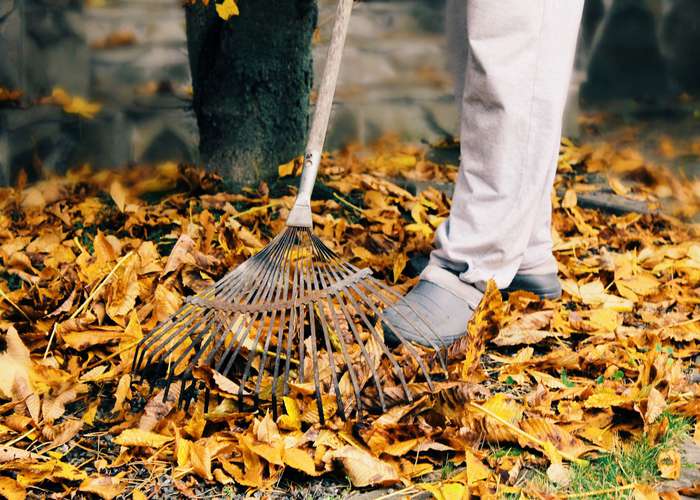
Clean garden to get rid of ticks
Keeping your garden clean and well-maintained is essential for reducing the presence of ticks and minimizing the risk of Lyme disease. Here are some effective strategies:
- Regularly Mow the Lawn: Keep grass cut short, ideally to 2-3 inches in height. Ticks thrive in tall grass, so frequent mowing reduces their habitat.
- Clear Debris: Remove leaf litter, wood piles, and other debris where ticks can hide. Regularly clean up fallen leaves and branches, and dispose of them properly to minimize tick habitats.
- Create a Buffer Zone: Establish a tick-safe zone by creating a barrier between wooded areas and your yard. Use wood chips or gravel to create a buffer zone that can help deter ticks from entering your garden.
- Trim Shrubs and Bushes: Regularly trim back overgrown shrubs and bushes to eliminate hiding spots for ticks. Keeping plants well-maintained improves sunlight exposure and airflow, which can also reduce tick populations.
- Limit Ground Cover: Consider reducing or removing dense ground cover plants, such as ivy or dense foliage, which can provide a suitable habitat for ticks. Instead, opt for low-maintenance landscaping that requires less ground cover.
- Encourage Natural Predators: Some birds and other wildlife feed on ticks. Planting a variety of native plants can attract these natural predators, helping to control tick populations in your garden.
- Use Tick-Repellent Plants: Incorporate plants known for their natural tick-repelling properties, such as lavender, rosemary, and citronella, to deter ticks from entering your garden.
- Regular Inspections: Periodically check your garden for signs of ticks or their hosts. If you notice any wildlife activity, consider additional deterrents or protective measures.
By maintaining a clean and well-organized garden, you can create an environment that is less conducive to tick habitation, thereby reducing your risk of Lyme disease while enjoying your outdoor space.

Create a tick free zone
Establishing a tick-free zone in your outdoor space is an effective strategy for reducing tick populations and minimizing the risk of Lyme disease. Here are key steps to create this safe area:
- Establish a Clear Perimeter: Create a boundary between wooded areas and your yard. Use materials such as gravel, wood chips, or mulch to form a barrier that discourages ticks from migrating into your space.
- Maintain Short Grass: Regularly mow your lawn to keep grass short (ideally 2-3 inches). Ticks thrive in tall grass, so maintaining a shorter height reduces their habitat.
- Trim Shrubs and Vegetation: Keep shrubs and bushes well-trimmed to eliminate dense foliage where ticks can hide. This increases sunlight exposure and airflow, making the environment less hospitable for ticks.
- Remove Leaf Litter and Debris: Regularly clean up fallen leaves, twigs, and other debris that can provide shelter for ticks. Dispose of these materials properly to minimize tick habitats.
- Create a Hardscape Area: Designate an area in your yard for hardscaping, such as patios or decks. These surfaces reduce the amount of vegetation and create a space that is less inviting to ticks.
- Use Tick-Repellent Plants: Incorporate plants known for their natural tick-repelling properties, such as lavender, rosemary, and citronella. These can deter ticks while adding beauty to your garden.
- Install Fencing: Consider installing fencing to keep out wildlife that may carry ticks, such as deer and rodents. This can help prevent ticks from entering your yard.
- Add a Dry Area: Create a dry zone using wood chips or gravel in areas where people gather. This can help discourage ticks, as they prefer moist environments.
- Regular Inspections: Routinely check your yard for signs of ticks and their hosts. If you notice increased wildlife activity, take additional precautions, such as adjusting landscaping or using repellents.
- Educate and Involve Family: Teach family members about tick safety and encourage them to participate in maintaining the tick-free zone. Awareness is crucial for prevention.
By implementing these strategies, you can create a tick-free zone that allows you and your family to enjoy your outdoor spaces while reducing the risk of Lyme disease and other tick-borne illnesses.

Get rid of mice
Mice are common carriers of ticks, which can transmit Lyme disease. Reducing the presence of mice can help minimize tick populations and lower your risk. Here are effective ways to get rid of mice:
- Seal Entry Points: Inspect your home for gaps, cracks, or holes where mice can enter. Seal any openings with steel wool, caulk, or metal mesh, especially around doors, windows, and foundations.
- Keep Food Sealed: Mice are attracted to food. Store food in airtight containers, clean up crumbs and spills immediately, and ensure garbage is properly sealed.
- Remove Nesting Materials: Get rid of materials like paper, fabric, or insulation that mice use to build nests. Declutter areas like basements, garages, and attics to eliminate potential nesting sites.
- Trim Vegetation: Overgrown shrubs, grass, and dense vegetation offer mice hiding spots. Keep your yard tidy by trimming bushes and mowing the lawn regularly.
- Use Mouse Traps: Set traps in areas where you notice mouse activity. Options include snap traps, live traps, and electronic traps to control the mouse population.
- Eliminate Water Sources: Mice need water to survive. Fix any leaks, remove standing water, and minimize outdoor water sources like bird baths or fountains.
- Install Fencing: Use rodent-proof fencing around garden areas or patios to keep mice from entering spaces where they might bring ticks.
- Keep Firewood Away from Home: Mice often nest in wood piles. Store firewood at least 20 feet away from your home and keep it elevated off the ground.
- Use Natural Repellents: Peppermint oil, cloves, and ammonia are natural repellents. Place cotton balls soaked in these around doors, windows, and baseboards to deter mice.
- Call a Pest Control Professional: If infestations persist, contact a pest control expert for targeted solutions to ensure mice are eliminated completely.
By effectively removing mice from your home and yard, you not only reduce the risk of ticks and Lyme disease but also create a cleaner and safer environment.
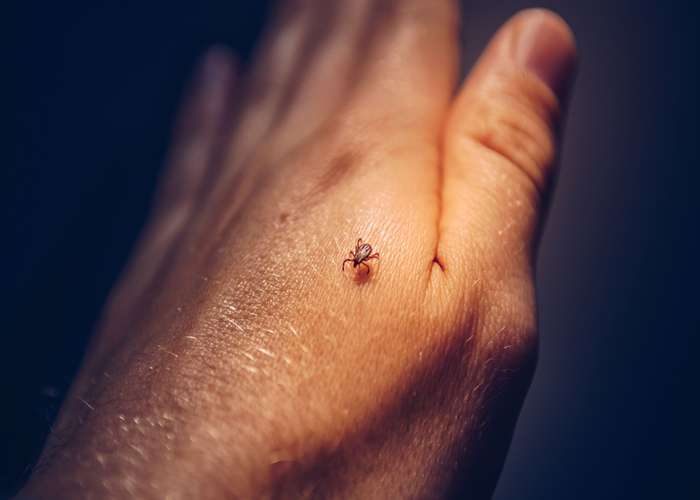
Remove the tick
If you find a tick on your skin, removing it as quickly as possible is crucial. Removing a tick within the first 24 hours dramatically reduces the risk of contracting Lyme disease, as the bacteria responsible for the infection typically take time to transfer from the tick to your bloodstream.
Here’s how to properly remove a tick:
- Use Fine-Tipped Tweezers: Grab the tick as close to the skin’s surface as possible.
- Pull Straight Up: Gently but firmly pull the tick straight out without twisting or jerking, as this can cause parts of the tick to break off and remain in the skin.
- Clean the Area: After removing the tick, clean the bite area with soap and water or rubbing alcohol.
- Dispose of the Tick Properly: Place the tick in a sealed bag or container, wrap it in tape, or flush it down the toilet.
Removing the tick promptly and properly is one of the best ways to protect yourself from Lyme disease. Always check for ticks after spending time in wooded or grassy areas, and act quickly if you find one.

Shower and wash your clothes
Shower and wash your clothes immediately after coming back from outdoors because this may wash off ticks before they attach to the skin.
In case the ticks get in contact with the skin, they might transmit Lyme disease.

Take vitamins
Taking vitamins is important to help quell inflammation and strengthening the immune system.

Use protective clothing
Use protective clothing such as long pants and long sleeves to keep ticks off the skin when visiting or living in a tick-infected area.
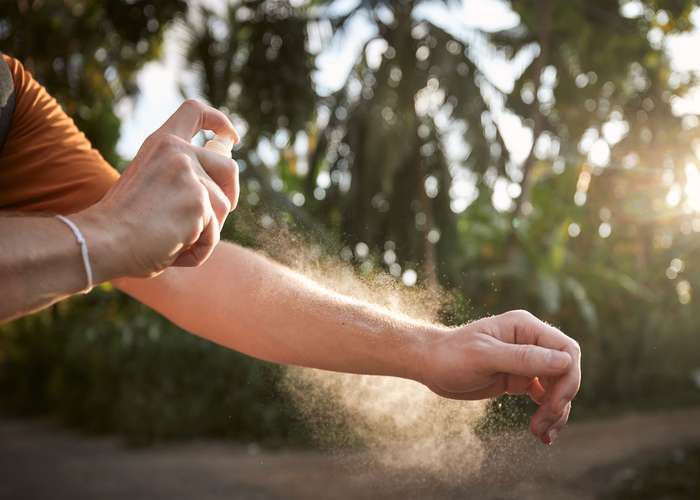
Use tick repellants and pesticides
Wear clothing treated with tick pesticides and repellants to keep ticks off the skin.
You can also apply spray insecticides on your clothes because some sprays should not be used directly on the skin.
Some sprays can actually stay bound in the material of your clothing and need only to be reapplied every several months.
Prevention library Lyme Disease
- Show only
- Articles
- Videos





Lyme Disease Prevention Forum
Always respect others and address them in a professional manner. Please remain authentic and objective.Aposbook does not endorse any comment and is not responsible for any wrong information provided by users.


Success! Thank you for your comment.