





IBS Dos and Don'ts: Tips and Prevention
What you should Do for Irritable Bowel Syndrome (IBS)

Eat slowly
Take your time when you eat and chew food slowly. This is important because it allows the food to be properly digested.

Always have breakfast
For individuals with Irritable Bowel Syndrome (IBS), having a consistent breakfast is crucial in managing symptoms and promoting digestive health. Skipping breakfast can disrupt digestion and lead to irregular bowel movements, which may exacerbate IBS symptoms like constipation, bloating, or abdominal discomfort.
How Breakfast Affects IBS
Eating a well-balanced breakfast plays an important role in digestive regularity and symptom control. Here’s how it helps:
- Stimulates Digestive Activity: Breakfast triggers the digestive system, helping regulate bowel movements and prevent constipation.
- Prevents Overeating Later: Skipping breakfast often leads to overeating at lunch or dinner, which can overwhelm the digestive system and trigger IBS flare-ups.
- Provides Fiber and Nutrients: A balanced breakfast rich in fiber can help maintain bowel regularity, reducing IBS symptoms like bloating or diarrhea.
- Stabilizes Blood Sugar Levels: Eating breakfast helps stabilize blood sugar levels, which can prevent stress-related IBS symptoms like cramping or digestive discomfort.
Recommended Breakfast Options for IBS
When managing IBS, choosing the right types of food for breakfast is key to avoiding symptoms:
- Oatmeal: Rich in soluble fiber, oatmeal can promote smoother digestion and prevent constipation.
- Greek Yogurt with Berries: Greek yogurt provides probiotics, while berries offer fiber, helping balance gut bacteria and promote digestion.
- Smoothies: Blend fruits and vegetables like bananas, spinach, and almond milk to make a fiber-rich, easy-to-digest breakfast.
- Eggs: A high-protein option that’s easy on the stomach, eggs can help stabilize energy levels without aggravating IBS.
- Toast with Nut Butter: Whole grain toast provides fiber, while nut butter adds healthy fats, both of which support digestive health.
Tips for a Gut-Friendly Breakfast
For those with IBS, consider these tips when preparing breakfast:
- Eat Slowly: Take your time to chew thoroughly and eat at a slower pace to avoid overwhelming your digestive system.
- Avoid High-Fat Foods: Greasy or fried foods can be difficult to digest and may trigger IBS symptoms.
- Include Soluble Fiber: Soluble fiber from oats, fruits, and vegetables helps ease digestion and maintain bowel regularity.
- Limit Sugary and Processed Foods: Highly processed breakfast foods, like sugary cereals or pastries, can irritate the gut and trigger IBS flare-ups.
By having a nutritious and balanced breakfast daily, you can help improve digestive health and reduce the frequency of IBS-related symptoms.
Grill or bake food
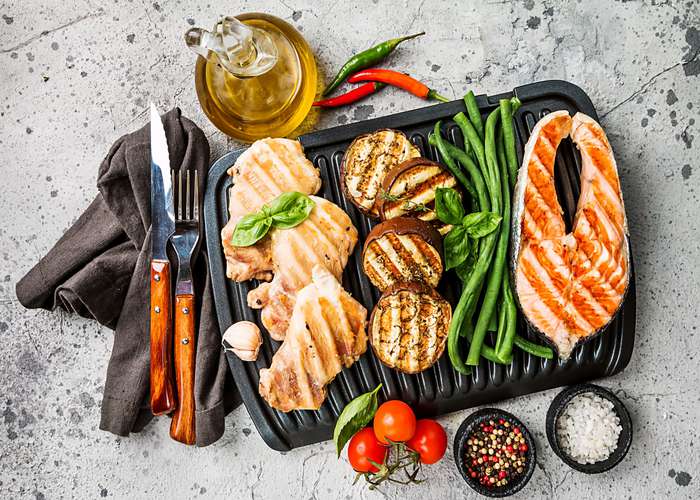
For individuals with Irritable Bowel Syndrome (IBS), the way food is prepared can have a significant impact on symptom management. Grilling and baking are two healthy cooking methods that can help reduce digestive discomfort compared to frying or sautéing, which may aggravate IBS symptoms due to the use of excess fats or oils.
Why Grilling and Baking Are Better for IBS
Both grilling and baking allow food to be cooked without the need for heavy oils or fats, making meals lighter and easier to digest. Here’s why they are beneficial for people with IBS:
- Reduced Fat Content: Grilling or baking helps minimize the use of excess oils, which can trigger IBS symptoms like diarrhea or cramping.
- Easier Digestion: These methods preserve the nutritional value of food without adding ingredients that irritate the digestive system.
- Less Gas and Bloating: Cooking without too much fat or heavy seasonings helps reduce bloating and gas, which are common IBS complaints.
- Retains Nutrients: Both methods maintain the natural nutrients of vegetables, proteins, and grains, supporting overall digestive health.
Grilling Tips for IBS
If grilling is your preferred method of cooking, here are some ways to make it IBS-friendly:
- Opt for Lean Proteins: Choose lean meats like chicken, turkey, or fish to avoid excessive fats that can worsen IBS symptoms.
- Marinate with IBS-Friendly Ingredients: Use simple marinades made from olive oil, lemon juice, and herbs, avoiding spicy or acidic ingredients that could trigger symptoms.
- Grill Vegetables: Vegetables like zucchini, bell peppers, and carrots are easy to digest when grilled and are great sources of fiber.
- Avoid Charred Food: Overcooking or burning food can produce compounds that irritate the gut, so avoid charring meats and vegetables.
Baking Tips for IBS
Baking is another great way to prepare meals while keeping them gentle on the stomach:
- Use Olive Oil Sparingly: Olive oil is easier to digest than heavier fats, so use it in moderation when baking.
- Bake Fiber-Rich Foods: Foods like sweet potatoes and squash are rich in fiber and are gentle on the digestive system when baked.
- Avoid Heavy Sauces: Creamy or spicy sauces can aggravate IBS symptoms, so opt for lighter seasoning or natural flavors from herbs.
- Slow Cook at Low Temperatures: Baking at lower temperatures helps retain nutrients and ensures that the food is easy to digest.
By choosing grilling or baking as your primary cooking methods, you can prepare meals that are less likely to trigger IBS symptoms while maintaining flavor and nutrition.
Steam or boil food
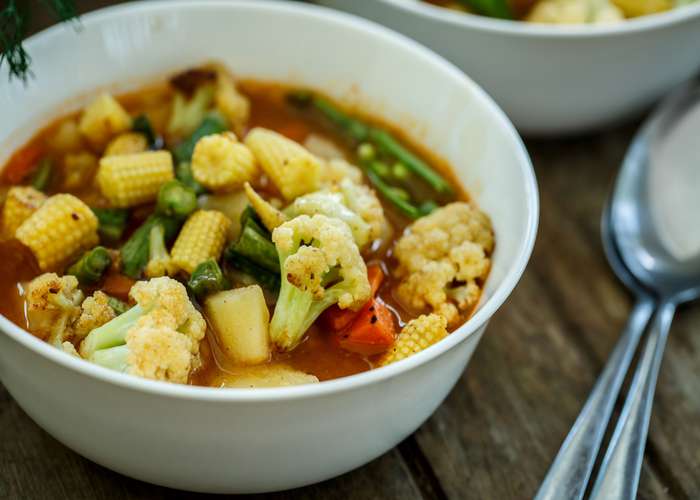
For individuals with Irritable Bowel Syndrome (IBS), choosing gentle cooking methods like steaming or boiling can significantly help in managing symptoms. These methods preserve the natural nutrients in food while making them easier to digest, reducing the risk of triggering IBS-related discomfort like bloating, gas, or cramping.
Why Steaming and Boiling Are Ideal for IBS
Steaming and boiling are gentle methods that don’t require the use of oils or heavy seasonings, making them ideal for people with IBS. Here’s how they benefit digestive health:
- Easier to Digest: Both methods soften food without adding fats or irritants, making them easier for the digestive system to process.
- Reduces Gas Production: Cooking vegetables and proteins through steaming or boiling helps break down complex fibers, reducing the likelihood of gas and bloating.
- Retains Nutrients: Unlike frying or baking, these methods retain essential vitamins and minerals, which are crucial for gut health and overall well-being.
- Hydrates Food: Boiling naturally hydrates food, which can be beneficial for those who suffer from IBS-related constipation.
Steaming Tips for IBS
Steaming is a great way to prepare vegetables, proteins, and even some grains in a way that minimizes digestive irritation:
- Choose Gentle Vegetables: Zucchini, carrots, and green beans are vegetables that become easier to digest when steamed and can help with fiber intake.
- Steam Fish and Lean Proteins: Steaming fish or chicken can keep them tender and light, making them easier on the stomach.
- Limit Seasoning: Avoid heavy spices or sauces. Instead, season with mild herbs like parsley or dill to keep flavors gentle on your digestive system.
- Use a Steamer Basket: A simple steamer basket allows you to cook food evenly without losing nutrients into the water.
Boiling Tips for IBS
Boiling is another gentle method that can help you prepare IBS-friendly meals:
- Boil Root Vegetables: Root vegetables like sweet potatoes, carrots, and squash become softer and easier to digest when boiled, helping with bowel regularity.
- Opt for Low-FODMAP Grains: Boil rice, quinoa, or oats for breakfast or dinner as they are easy to digest and rich in fiber.
- Boil Eggs: Hard-boiled eggs are a great source of protein without added fats or oils, making them easy on the digestive system.
- Avoid Overcooking: While boiling, avoid overcooking as it can deplete essential nutrients from the food. Aim for a balance between softness and nutrient retention.
By incorporating steaming or boiling into your cooking routine, you can enjoy nutritious meals that are gentle on the digestive system, helping to alleviate IBS symptoms and improve overall gut health.
Eat the right fiber for you
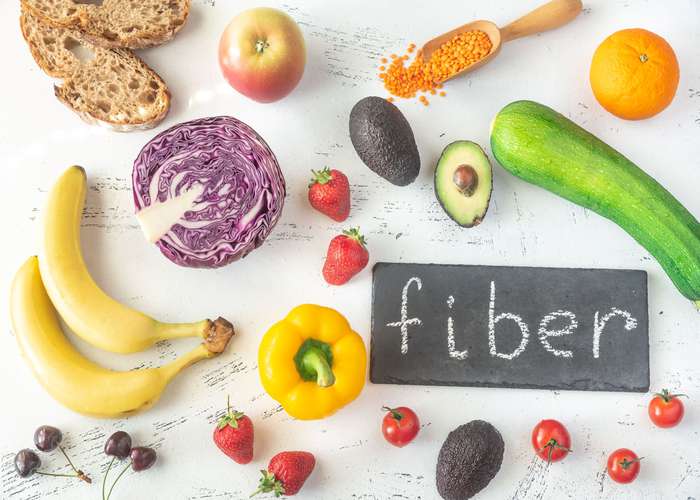
It is recommended to have 20-30g/day of fiber as it helps regulate bowel movement and improves overall health.
However, IBS symptoms may differ from one individual to another. That's why, it is important to properly assess your symptoms to know what type of fiber you need to consume.
If you are having constipation, then you should consume:
- Zucchini
- Broccoli
- Cabbage
- Leafy greens
- Cauliflower
- Blackberries
However, if you are having diarrhea, then you should have more:
- Apples
- Oranges
- Pears
- Strawberries
- Blueberries
- Peas
- Avocados
- Sweet potatoes
- Carrots
- Turnips

Drink lot of water
Staying hydrated is crucial for managing Irritable Bowel Syndrome (IBS), as proper hydration helps regulate bowel movements, reduce bloating, and ease digestion. Drinking enough water can aid in preventing constipation, one of the most common symptoms of IBS, and can also help with diarrhea by maintaining fluid balance in the body.
How Water Benefits IBS
Hydration plays a key role in digestive health, particularly for those with IBS:
- Aids Digestion: Water helps break down food, promoting smooth digestion and preventing constipation or hard stools.
- Relieves Constipation: Drinking enough water softens stool, making it easier to pass and preventing constipation-related discomfort.
- Reduces Bloating: Staying hydrated can help reduce bloating by keeping digestion regular and preventing gas buildup.
- Balances Fluid Loss from Diarrhea: If IBS symptoms include diarrhea, drinking enough water is essential to replace lost fluids and prevent dehydration.
Recommended Water Intake for IBS
The amount of water you need daily depends on your body size, activity level, and IBS symptoms. Here’s the recommended daily water intake:
- For Men: Approximately 3.7 liters (or about 13 cups) of water per day.
- For Women: Approximately 2.7 liters (or about 9 cups) of water per day.
These amounts include water from all beverages and food. It’s especially important to increase your water intake if you experience diarrhea as part of your IBS symptoms to compensate for fluid loss.
Tips for Staying Hydrated with IBS
- Drink Water Throughout the Day: Sip water regularly to keep your body hydrated. Avoid chugging large amounts at once, which can overwhelm the digestive system.
- Start Your Day with Water: Drinking a glass of water in the morning can help kick-start digestion and prevent constipation.
- Avoid Carbonated Beverages: Carbonated drinks can cause bloating and gas, which may exacerbate IBS symptoms.
- Flavor Water with Natural Additions: If plain water is hard to drink consistently, try adding slices of cucumber, lemon, or mint for a refreshing and digestive-friendly twist.
By drinking adequate water daily and making hydration a priority, you can help manage your IBS symptoms, improve bowel regularity, and support overall digestive health.

Eat probiotic rich foods
Probiotics are live beneficial bacteria that support gut health, and they can play a significant role in managing Irritable Bowel Syndrome (IBS). Consuming probiotics regularly may help restore the balance of gut bacteria, improving symptoms like bloating, diarrhea, and constipation.
How Probiotics Affect IBS
Probiotics can positively impact IBS by targeting the gut microbiome. Here’s how they help:
- Restoring Gut Balance: Probiotics help increase beneficial bacteria, which may improve digestion and reduce IBS symptoms.
- Reducing Inflammation: Certain strains of probiotics can help reduce inflammation in the gut, easing discomfort and pain.
- Improving Bowel Regularity: For those with IBS-related diarrhea or constipation, probiotics may promote regular and softer bowel movements.
- Reducing Gas and Bloating: Probiotics can aid in digestion and prevent the buildup of gas, which can help alleviate bloating.
Recommended Probiotic-Rich Foods for IBS
Incorporating probiotic-rich foods into your diet can help manage IBS symptoms naturally:
- Yogurt: Choose plain, unsweetened yogurt with live and active cultures to support gut health.
- Kefir: This fermented milk drink contains a wide range of probiotics and can be easier to digest for those with lactose sensitivity.
- Sauerkraut: Fermented cabbage is rich in probiotics and can improve digestion.
- Kimchi: A spicy fermented vegetable dish that provides a variety of probiotics beneficial for gut health.
- Miso: This fermented soybean paste can be used in soups or sauces and is a good source of probiotics.
- Tempeh: A fermented soybean product that not only delivers probiotics but also protein.
Tips for Adding Probiotics to Your IBS Diet
When introducing probiotics into your diet, keep these tips in mind:
- Start Slowly: Begin with small amounts of probiotic-rich foods and gradually increase intake to avoid overwhelming your digestive system.
- Choose the Right Strains: Not all probiotics are the same. Look for strains like Lactobacillus and Bifidobacterium, which are commonly recommended for IBS.
- Stay Consistent: Regular consumption of probiotics is important for maintaining a healthy gut balance and long-term IBS symptom relief.
- Avoid Sugary Probiotic Foods: Some commercially available probiotic foods, like flavored yogurts, may contain added sugars that can worsen IBS symptoms.
By incorporating probiotics into your diet and choosing the right foods, you can help improve your gut health and better manage IBS symptoms.

Exercise regularly
Mild to moderate activity have been shown to increase intestinal gas clearance and reduce symptoms of IBS.
However, exercise can cause abdominal bloating in patients with constipation features of IBS if the disease is not under control.
What you should Avoid for Irritable Bowel Syndrome (IBS)

Avoid sugar
Avoid sugar for IBS because food and drinks high in sugar content can promote inflammation and reduce the body immunity. Thus, they can trigger IBS symptoms and make them worst.
Avoid saturated fats
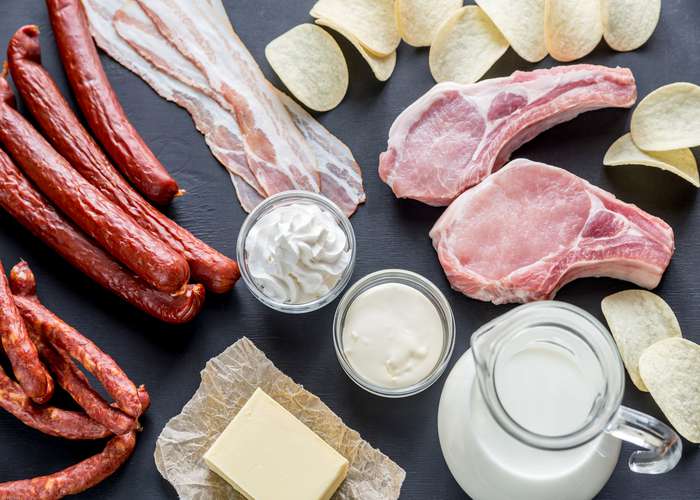
Saturated fats are hard to break in the intestine. They worsen inflammation and can trigger IBS symptoms. They are found in red meat, full fat dairy and desserts.

Avoid trans-fats
Trans fats are known to promote inflammation in the body. Thus, they can trigger IBS symptoms and make them worst.
They are found in most processed foods like cookies, donuts, crackers and frozen foods.

Restrict processed foods
Processed foods contain additives and preservatives that cause hypersensitivity reactions for IBS patients.
This can activate IBS symptoms and make them worst. Thus, it is important to completely avoid them.
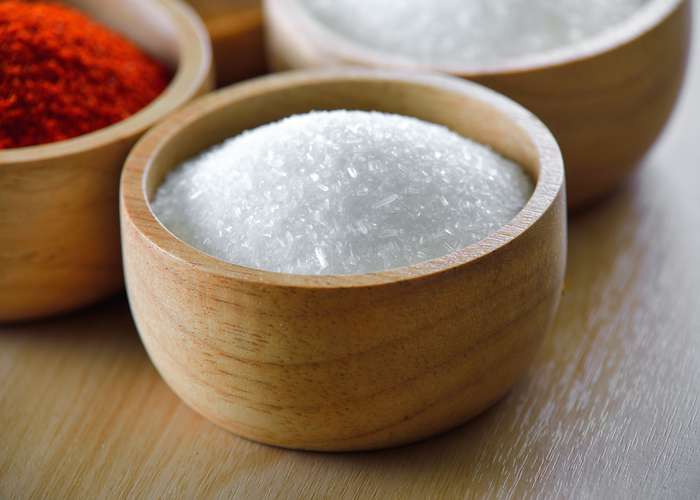
Avoid MSG (mono-sodium glutamate)
MSG is a flavor enhancer and is popular in Asian dishes. It is sometimes added to fast foods or ready-made soup mixes, salad dressing and deli meats.
MSG stimulates a pathway of inflammation in the body.
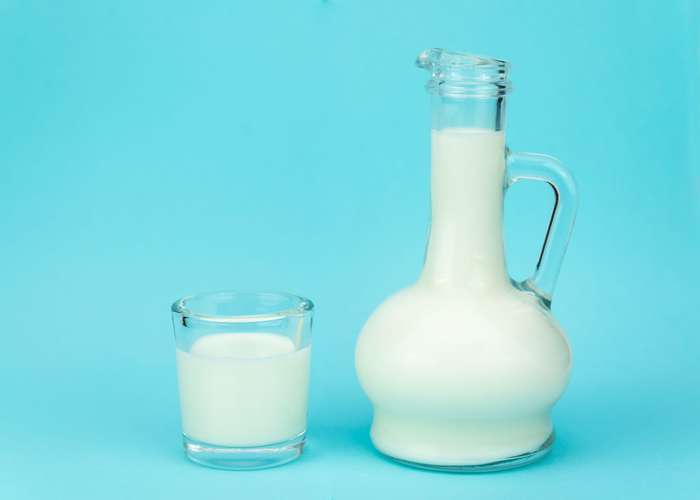
Limit casein (dairy products)
Casein is a protein found in dairy products and may cause discomfort. That's why, it is important to make sure it does not irritate your gut and cause inflammation.
Milk, cheese, yoghurt, and other dairy products contain 70% to 80% of casein. Hence, the need to limit them.
However, if you don’t observe any discomfort, then there is no need to restrict them from the diet.

Limit gluten
Gluten can cause irritation to the gut and promote inflammation, which triggers IBS symptoms and make them worst.
Gluten is found in wheat, barley and rye. If no discomfort is witnessed, then there is no need to restrict it from the diet.

Avoid gas causing food
Some types of food make gas worse such as carbonated beverages and raw fruits, in addition to certain dairy and vegetables like cauliflower or cabbage.
Hence, all these should be avoided to reduce the digestive symptoms of IBS.

Avoid artificial sweeteners
Artificial sweeteners that end with “ol” such as mannitol or xylitol, aren’t usually tolerated as they cause abdominal discomfort like gas production and bloating.
It is better to stay away from these types of sugar-free products.

Avoid FODMAPS foods
FODMAPs is a group of short-chain carbohydrates that stand for Fermentable Oligosaccharides, Disaccharides, Monosaccharides and Polyols.
They are a problem for those suffering from IBS since they are not easily absorbed and cause fermentation by bacteria in the gut resulting in the production of gas.

Avoid stress
Stress triggers the body to release stress-related chemicals to the gut that can make it more sensitive and inflamed.
This would ultimately cause a change in the gut bacteria, and lead to abdominal pain and abnormal bowel movements.

Avoid fast food
Fast foods are high in fat and sugar and would promote inflammation because it would prolong the transit time through the intestine.
This would trigger IBS symptoms and cause bloating and impair gas transit.
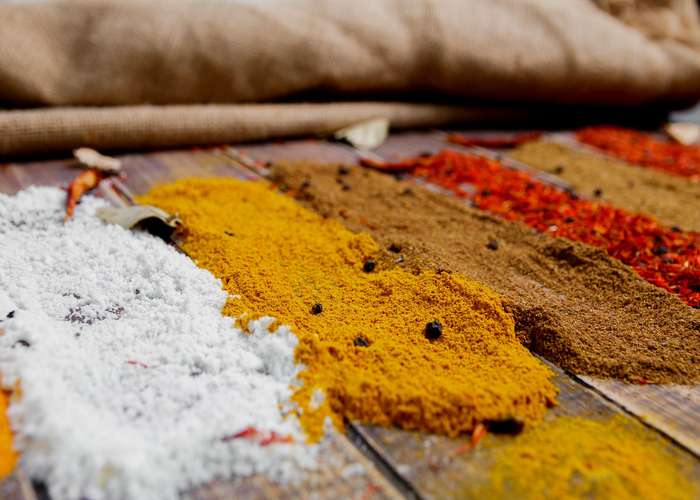
Avoid spicy foods
Avoid eating spicy foods and hot spices as they can increase gut mobility. Thus, they might trigger IBS symptoms and contribute to abdominal pain.

Avoid alcohol
For individuals with Irritable Bowel Syndrome (IBS), alcohol can aggravate symptoms like bloating, diarrhea, and abdominal discomfort. Alcohol irritates the gut lining and affects digestion, leading to flare-ups. While reducing or avoiding alcohol is advisable, some people may choose to drink occasionally. In such cases, understanding how alcohol affects IBS and making mindful choices is key to avoiding symptom aggravation.
How Alcohol Affects IBS
Alcohol can have several negative effects on the digestive system, particularly for those with IBS:
- Increased Diarrhea: Alcohol, especially in excessive amounts, can accelerate digestion, leading to more frequent and looser stools.
- Bloating and Gas: Carbonated alcoholic beverages like beer can cause gas and bloating, worsening IBS symptoms.
- Abdominal Discomfort: Alcohol irritates the gut lining, which can lead to cramping or worsening of pain.
- Dehydration: Alcohol dehydrates the body, which can exacerbate constipation and other IBS-related symptoms.
Recommendations for Managing Alcohol with IBS
If you decide to drink alcohol despite having IBS, these strategies can help reduce the impact on your gut:
- Opt for Low-Alcohol Drinks: Drinks with lower alcohol content, like light beer or wine, tend to be less harsh on the digestive system.
- Drink in Moderation: Limit consumption to small amounts—one glass of wine or a single serving of alcohol—and avoid heavy drinking.
- Stay Hydrated: Drink water alongside alcohol to stay hydrated and help mitigate digestive discomfort.
- Avoid Sugary and Carbonated Drinks: Avoid sweet, sugary cocktails and carbonated drinks like beer, which can cause gas and bloating.
- Have a Meal Before Drinking: Eating beforehand can help slow alcohol absorption and reduce the likelihood of digestive irritation.
Healthier Alcohol Alternatives for IBS
If you're looking for alternatives that are gentler on the digestive system, consider these options:
- Mocktails: Alcohol-free versions of your favorite cocktails can provide the same enjoyment without triggering IBS symptoms.
- Kombucha: This fermented tea has a very low alcohol content and can be a refreshing alternative while offering potential gut health benefits.
- Herbal Teas: Chamomile or peppermint teas are soothing and can help reduce bloating or indigestion.
Tips for Drinking Less
If you're trying to cut back on alcohol while managing IBS, here are a few helpful tips:
- Set Limits: Plan ahead by setting a limit on the number of drinks you'll have, and stick to it.
- Space Out Drinks: Alternate between alcohol and non-alcoholic beverages to slow down your consumption.
- Socialize Without Alcohol: Find activities or social settings where alcohol is not the focus, such as outdoor events or coffee gatherings.
By making mindful choices, you can still enjoy social occasions without exacerbating your IBS symptoms.

Avoid coffee
Coffee is a common part of many people’s daily routine, but for individuals with Irritable Bowel Syndrome (IBS), it can exacerbate symptoms like diarrhea, cramping, and bloating. Understanding how coffee affects IBS and exploring alternatives can help manage symptoms more effectively.
How Coffee Affects IBS
For those with IBS, coffee can trigger symptoms due to its stimulant and acidic properties:
- Increased Gut Motility: Caffeine stimulates the digestive system, which can lead to faster bowel movements and trigger diarrhea in people with IBS.
- Abdominal Cramping: The stimulating effects of caffeine can cause or worsen cramping, especially in those with sensitive digestive systems.
- Acid Reflux and Bloating: Coffee’s acidity can irritate the stomach lining and contribute to bloating or discomfort, especially for those prone to acid reflux.
Recommendations for Managing Coffee with IBS
If you want to keep coffee in your diet but minimize its impact on IBS, these tips can help:
- Limit Coffee Consumption: Stick to one small cup per day, and avoid drinking coffee on an empty stomach, as this can intensify symptoms.
- Switch to Decaf: Decaffeinated coffee has lower caffeine content, which may reduce the likelihood of triggering IBS symptoms.
- Opt for Cold Brew: Cold brew coffee is less acidic than traditional hot coffee, making it gentler on the stomach.
- Add Milk Alternatives: Using non-dairy milk like almond or oat milk can be easier to digest for those who are lactose intolerant, which often coincides with IBS.
Healthier Coffee Alternatives for IBS
If coffee triggers your IBS symptoms, consider trying these alternatives:
- Herbal Teas: Peppermint tea or ginger tea can soothe the digestive system and reduce bloating or cramping.
- Chicory Root Coffee: This caffeine-free alternative has a coffee-like flavor and contains inulin, which may benefit gut health.
- Green Tea: A milder option with less caffeine than coffee, green tea can still provide a gentle energy boost without overstimulating the digestive tract.
Tips for Cutting Back on Coffee
For those trying to reduce coffee intake due to IBS, here are a few strategies:
- Gradually Reduce Caffeine: Cut down on coffee slowly by replacing it with decaf or herbal tea to avoid withdrawal symptoms.
- Stay Hydrated: Drinking water throughout the day helps prevent dehydration, which can worsen IBS symptoms.
- Choose Non-Caffeinated Social Drinks: When socializing, opt for non-caffeinated alternatives like herbal teas or kombucha.
Managing coffee intake is essential for controlling IBS symptoms, and making these adjustments can help reduce digestive discomfort while still enjoying your morning routine.
Prevention library Irritable Bowel Syndrome (IBS)
- Show only
- Articles
- Videos


Irritable Bowel Syndrome (IBS) Prevention Forum
Always respect others and address them in a professional manner. Please remain authentic and objective.Aposbook does not endorse any comment and is not responsible for any wrong information provided by users.


Success! Thank you for your comment.