






Gut Health Dos and Don'ts: Tips and Prevention
What you should Do for Gut Health
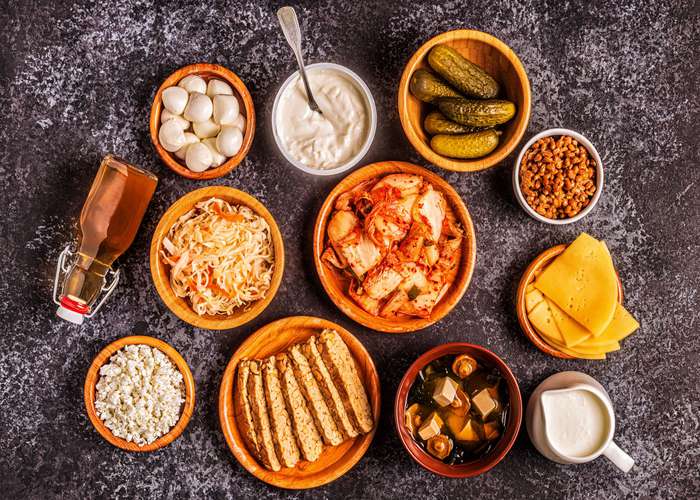
Eat fermented foods
Fermented foods are an excellent way to support gut health due to their high probiotic content, which helps balance the gut microbiome. Consuming these foods regularly can improve digestion, enhance nutrient absorption, and promote overall well-being.
Here are some common fermented foods that boost gut health:
- Yogurt: Rich in live cultures like Lactobacillus and Bifidobacterium, yogurt helps replenish good bacteria, aids in digestion, and is particularly helpful for those with lactose intolerance by breaking down lactose.
- Kefir: A powerful probiotic drink with a broader range of bacteria and yeast than yogurt. It helps strengthen the intestinal lining, reduce inflammation, and improve lactose digestion due to its enzyme content.
- Sauerkraut: Fermented cabbage that not only supplies probiotics but also contains high amounts of fiber, which supports healthy digestion and feeds beneficial gut bacteria, encouraging a balanced gut microbiome.
- Kimchi: This fermented vegetable dish contains Lactobacillus as well as fiber and antioxidants from the vegetables. It supports gut health, enhances immunity, and may reduce inflammation due to its spicy, anti-inflammatory ingredients like garlic and chili.
- Kombucha: Fermented tea that contains probiotics and polyphenols, which support digestion and have antioxidant effects. Kombucha can also help balance gut pH and promote good bacteria.
- Miso: A fermented soybean paste full of probiotics, miso is high in enzymes that aid digestion and promote healthy gut flora. It’s also rich in nutrients like zinc and manganese, which support gut lining health.
- Tempeh: Made from fermented soybeans, tempeh provides probiotics and is a good source of plant-based protein. It improves gut flora and enhances the body's ability to absorb nutrients like calcium.
- Pickles: Naturally fermented pickles (without vinegar) are rich in Lactobacillus bacteria, which help improve digestion and boost immune function. They also provide vitamins and antioxidants beneficial for overall health.
- Fermented Cheese: Certain aged cheeses, like cheddar, Gouda, and Swiss, contain probiotics that can survive the digestive process. These cheeses support the gut microbiome and may help improve digestive health and lactose tolerance in some people.
Each fermented food offers unique strains of probiotics and additional nutrients that enhance digestive health, support the immune system, and improve overall gut function. Including a variety of these foods in your diet ensures a well-rounded benefit for gut health.

Practice mindful eating
Mindful eating is a practice that encourages you to be fully present during meals, paying attention to what you eat, how you eat, and how your body responds to food. It’s more than just eating slowly—it’s about creating a deeper connection with the food you consume, which can lead to significant improvements in digestion, gut health, and overall well-being.
The goal of mindful eating is to shift from mindlessly consuming food, often in a hurry or while distracted, to a more deliberate, conscious approach. By doing so, you allow your body to process food more effectively, enjoy meals more, and maintain a healthy relationship with food.
Key Principles of Mindful Eating:
- Eat Slowly and Without Distraction: Mindful eating involves taking the time to eat slowly, savoring each bite, and avoiding distractions such as phones, television, or computers. When you eat without distractions, you're more in tune with your hunger and fullness signals, which helps prevent overeating.
- Listen to Your Body's Hunger and Fullness: Cues Instead of eating based on external cues (like the time of day or the sight of food), mindful eating encourages you to listen to your body’s internal cues. Ask yourself, "Am I truly hungry?" or "Is my body satisfied?" Eating only when hungry and stopping when full helps prevent overeating and promotes better digestion.
- Chew Your Food Thoroughly: Chewing your food thoroughly is one of the most important aspects of mindful eating. When you chew slowly and deliberately, it breaks down the food into smaller particles, making it easier for your digestive enzymes to do their job. Proper chewing is the first step in the digestive process, and it has several key benefits:
- Focus on the Taste, Texture, and Smell of Food: Part of mindful eating is engaging all your senses. By focusing on the taste, texture, and smell of your food, you can fully appreciate each bite and become more aware of your eating experience. This awareness enhances the pleasure of eating and reduces the tendency to eat out of habit or boredom.
- Eat in a Calm, Relaxed Environment: The environment in which you eat can significantly impact how well you digest food. Eating in a calm, relaxed setting without rushing helps your body’s parasympathetic nervous system—the system responsible for "rest and digest"—function optimally. When you’re stressed or eating on the go, your body is in a "fight or flight" mode, which can negatively affect digestion. A peaceful environment allows your body to focus on digestion, improving gut health over time.
- Be Aware of Portion Sizes: Mindful eating also encourages you to be conscious of portion sizes. By eating slowly and being aware of your body's signals, you’re less likely to overeat or consume portions that are too large. This awareness prevents putting unnecessary strain on your digestive system and can help maintain a healthy balance in your gut.
- Appreciate Your Food: Being mindful involves appreciating where your food comes from, the effort that went into preparing it, and how it nourishes your body. When you develop gratitude for your meals, you're more likely to make healthier food choices that support gut health.
The Benefits of Mindful Eating for Gut Health
Mindful eating offers a comprehensive approach to improving gut health by allowing:
- Better Digestion: Eating slowly, chewing thoroughly, and being mindful of portion sizes optimize the digestive process, ensuring that food is broken down properly and nutrients are absorbed efficiently.
- Improved Gut Microbiome: A healthier digestive process supports the balance of good bacteria in your gut, contributing to a more diverse and robust gut microbiome, which plays a crucial role in digestion, immune function, and overall health.
- Reduced Digestive Issues: By eating mindfully and chewing well, you can prevent common digestive problems like bloating, gas, and indigestion, allowing your gut to function more smoothly.
- Enhanced Awareness of Your Body’s Needs: Mindful eating encourages you to tune into your body’s hunger and fullness cues, helping you maintain a healthy weight and avoid overeating, both of which are key to maintaining gut health.
Incorporating mindful eating practices, including chewing food thoroughly, into your daily routine is a simple yet effective way to support digestion and promote long-term gut health.
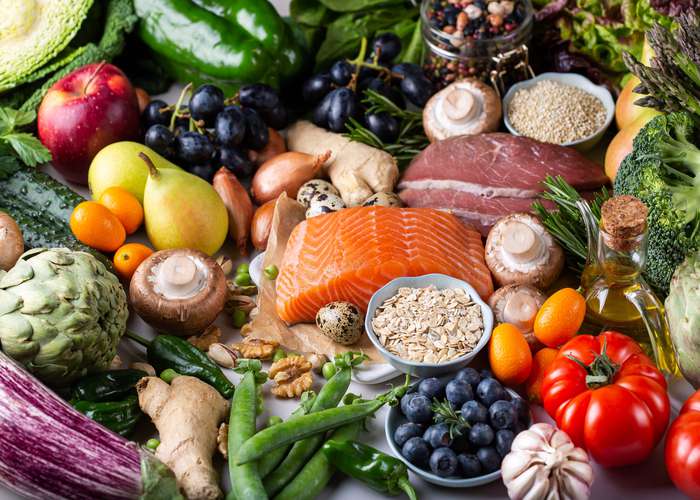
Foods to eat
Incorporating specific foods into your diet can have a significant positive impact on gut health. These foods promote the growth of beneficial bacteria, support digestion, and improve the overall function of the digestive system. Here's a list of foods that are especially beneficial for maintaining a healthy gut:
- High-Fiber Vegetables: Fiber-rich vegetables like broccoli, spinach, carrots, and artichokes help regulate bowel movements and feed beneficial bacteria in the gut. Fiber also aids in reducing inflammation and promotes a balanced gut microbiome.
- Fruits: Apples, bananas, and berries (blueberries, raspberries, strawberries) are rich in fiber, vitamins, and antioxidants that support gut health by encouraging the growth of healthy bacteria and reducing inflammation.
- Whole Grains: Brown rice, oats, quinoa, and barley are excellent sources of soluble and insoluble fiber, which promote digestive health and help with regular bowel movements.
- Fermented Foods: As discussed earlier, fermented foods like yogurt, kefir, sauerkraut, kimchi, and kombucha are rich in probiotics, which replenish beneficial gut bacteria, support digestion, and improve gut flora diversity.
- Legumes: Lentils, chickpeas, and beans are high in fiber and resistant starch, which act as prebiotics, feeding the good bacteria in your gut and promoting healthy digestion.
- Nuts and Seeds: Almonds, chia seeds, flaxseeds, and walnuts contain fiber, healthy fats, and prebiotics that support gut health and reduce inflammation.
- Fatty Fish: Salmon, mackerel, and sardines are rich in omega-3 fatty acids, which help reduce inflammation in the gut and support the health of the intestinal lining.
- Bone Broth: Bone broth is high in gelatin and collagen, which can help strengthen the intestinal lining and support overall gut health by reducing inflammation.
- Ginger: Known for its anti-inflammatory properties, ginger supports digestion by stimulating saliva, bile, and gastric enzymes. It can also help reduce nausea and improve gut motility.
- Garlic and Onions: These contain prebiotics, which feed the beneficial bacteria in the gut, promoting a healthy microbiome. They also have antimicrobial properties that can support gut health.
- Olive Oil: Extra virgin olive oil contains healthy fats and polyphenols that reduce gut inflammation and support the growth of good bacteria.
Adding these foods to your diet on a regular basis can significantly improve your gut health by enhancing digestion, promoting a healthy microbiome, and reducing inflammation.
What you should Avoid for Gut Health

Don't skip meals
Skipping meals can disrupt your gut health in several ways. Regular meal timing helps maintain a steady digestive rhythm, while skipping meals can lead to:
- Digestive Imbalance: Irregular eating can upset the balance of digestive enzymes and acids, potentially causing indigestion, bloating, and acid reflux.
- Gut Microbiome Disruption: A consistent eating schedule helps regulate your gut bacteria. Skipping meals can starve beneficial bacteria, leading to an imbalance that negatively affects digestion and nutrient absorption.
- Overeating Later: Skipping meals often leads to overeating during your next meal, which can overwhelm your digestive system and cause discomfort.
To support gut health, it's important to maintain regular meals, giving your digestive system a steady flow of nutrients and maintaining a balanced microbiome.

Don't stress
Stress management plays a crucial role in maintaining gut health. Chronic stress can negatively impact digestion, alter gut bacteria, and lead to conditions like irritable bowel syndrome (IBS). Here’s why managing stress is essential for your gut:
- Prevents Digestive Disruptions: Stress can cause stomachaches, bloating, and irregular bowel movements by disrupting normal digestive processes.
- Supports Gut Microbiome: High levels of stress can disturb the balance of gut bacteria, leading to dysbiosis, which can affect digestion and immune function.
- Reduces Inflammation: Stress triggers inflammation in the gut, which can exacerbate digestive disorders and weaken the gut lining.
Incorporating stress-reduction techniques such as mindfulness, exercise, deep breathing, or meditation can help keep your gut healthy by maintaining a balanced microbiome and supporting smooth digestion.
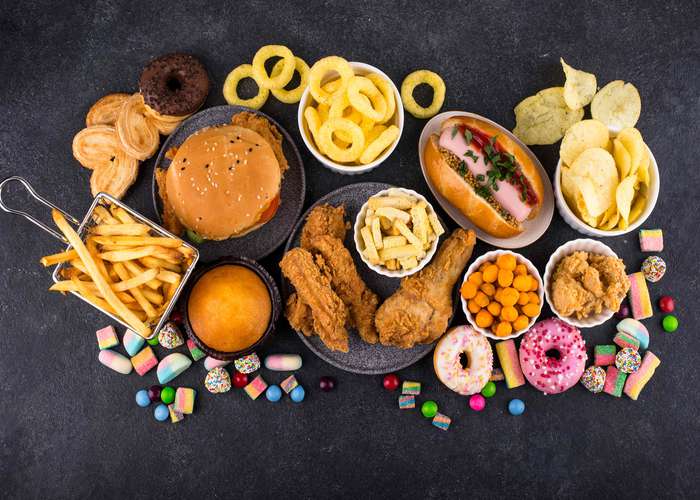
Foods to avoid
Certain foods can negatively impact gut health by promoting inflammation, disrupting gut bacteria, or causing digestive discomfort. Avoiding or limiting the following foods can help maintain a healthy digestive system and a balanced microbiome:
- Processed Foods: Highly processed foods like fast food, chips, and packaged snacks contain preservatives, additives, and unhealthy fats that can harm gut bacteria and promote inflammation.
- Sugary Foods: Sweets, sodas, and desserts with high levels of refined sugar can feed harmful bacteria and yeast in the gut, leading to an imbalance and promoting digestive issues like bloating and gas.
- Artificial Sweeteners: Substitutes like aspartame and sucralose can disrupt the balance of gut bacteria and have been linked to gut inflammation and digestive discomfort.
- Fried Foods: Foods that are deep-fried are harder to digest and can lead to bloating and discomfort. The unhealthy fats in fried foods can also contribute to gut inflammation.
- Red Meat: High consumption of red meat has been linked to an increase in harmful gut bacteria and gut inflammation, which can negatively affect digestion over time.
- Dairy Products: For individuals with lactose intolerance or sensitivity, dairy can cause bloating, gas, and digestive upset by irritating the gut lining.
- Gluten: Some people with gluten intolerance or sensitivity may experience inflammation and digestive problems, such as bloating and cramping, after consuming gluten-containing foods like bread and pasta.
- Alcohol: Excessive alcohol consumption can disrupt gut bacteria, impair digestion, and damage the gut lining, contributing to inflammation and digestive issues.
- Spicy Foods: While not harmful for everyone, spicy foods can irritate the stomach lining and exacerbate conditions like acid reflux or gastritis in some individuals.
Limiting or avoiding these foods can help protect your gut from inflammation, support a balanced microbiome, and promote overall digestive health.
Prevention library Gut Health
- Show only
- Articles
- Videos



Gut Health Prevention Forum
Always respect others and address them in a professional manner. Please remain authentic and objective.Aposbook does not endorse any comment and is not responsible for any wrong information provided by users.


Success! Thank you for your comment.