






GERD Dos and Don'ts: Prevention and Lifestyle Changes
What you should Do for GERD (Acid Reflux)

Eat smaller meal portions
Eating smaller portions throughout the day is important. This approach can help reduce the frequency and severity of acid reflux by minimizing the amount of food in the stomach at any one time.
When you eat large meals, the stomach expands to accommodate the increased volume of food. This expansion places additional pressure on the lower esophageal sphincter (LES), the muscle that separates the esophagus from the stomach. If the LES is weakened or relaxed, it may allow stomach acid to flow back into the esophagus, causing heartburn and discomfort.
By eating smaller portions, you reduce the volume of food and stomach acid. This decrease in stomach content lessens the pressure on the LES and can help prevent acid reflux. Smaller meals are also easier for the digestive system to process, which can further reduce the likelihood of reflux.
Practical Tips for Portion Control
- Frequent, Smaller Meals: Instead of three large meals, aim for five to six smaller meals throughout the day. This approach keeps the stomach from becoming too full and helps maintain steady digestion.
- Portion Sizing: Use smaller plates and bowls to naturally limit portion sizes. Be mindful of serving sizes and avoid overeating by paying attention to hunger and fullness cues.
- Slow Eating: Eating slowly and chewing food thoroughly can aid digestion and prevent overeating. It gives your stomach time to signal to your brain when it’s full.
- Balanced Meals: Focus on balanced meals that include a mix of lean proteins, whole grains, and vegetables. Avoid high-fat and spicy foods, as they can exacerbate GERD symptoms.
Incorporating smaller portions into your daily routine can be a simple yet effective way to manage GERD symptoms. By reducing the volume of food in your stomach and decreasing pressure on the LES, you can help alleviate discomfort and improve your overall digestive health.

Elevate the head of the bed
Elevating the head of the bed is a recommended strategy for managing GERD symptoms, particularly nighttime reflux. This approach involves raising the upper part of the bed to create a slight incline, which can help reduce the frequency and severity of acid reflux during sleep.
When you lie flat, stomach acid can more easily flow back into the esophagus due to the lack of gravity working against it. By elevating the head of the bed, you use gravity to help keep stomach acid where it belongs—in the stomach. This incline helps prevent acid from traveling up the esophagus and reduces the likelihood of nighttime heartburn and discomfort.
How to Elevate the Head of the Bed
- Adjustable Bed Frames: If you have an adjustable bed frame, you can simply raise the head portion of the bed to a comfortable incline. Aim for an elevation of about 30 to 45 degrees for optimal results.
- Bed Risers: Use bed risers or blocks to lift the head of the bed. Place the risers under the bed’s legs at the head end to achieve the desired incline.
- Wedge Pillows: For a more portable and adjustable solution, consider using a wedge pillow. Wedge pillows are designed to provide a gentle incline, supporting the upper body and keeping the head elevated while you sleep.
- Inclined Sleep Position: Ensure that your head, shoulders, and upper chest are elevated while sleeping. This position helps minimize acid reflux and improves overall comfort.
Additional Tips
- Avoid Using Extra Pillows: Simply using extra pillows to prop up your head may not be effective, as it can cause neck and back strain. A wedge pillow or bed elevation provides a more consistent and comfortable incline.
- Test the Elevation: Experiment with different degrees of elevation to find what works best for you. Some people may need a higher incline to achieve relief, while others may find a lower angle sufficient.
By incorporating bed elevation into your routine, you can effectively reduce nighttime GERD symptoms and improve your quality of sleep. This simple adjustment helps leverage gravity to keep stomach acid at bay and provides relief from acid reflux.

Sleep on the sofa back
If you experience GERD symptoms, resting in an elevated position can help prevent acid reflux. Sleeping in a chair or on the back of a sofa can be an effective way to manage symptoms during the daytime. Keeping your upper body elevated helps keep stomach contents from moving up into the esophagus, reducing discomfort associated with GERD. Benefits of Sleeping in a Chair or Sofa:
- Reduced Acid Reflux: Elevating your upper body helps prevent stomach acid from flowing back into the esophagus. This position minimizes the risk of acid reflux and offers relief from heartburn and other GERD symptoms.
- Increased Comfort: For many, sleeping in a reclined position is more comfortable than lying flat, especially when experiencing severe GERD symptoms. It helps alleviate pressure on the lower esophageal sphincter (LES), reducing the chance of acid reflux.
- Convenience: Using a chair or sofa for daytime rest is a practical option if you don’t have access to an adjustable bed or wedge pillow. Most people already have a comfortable chair or sofa that can be used effectively for this purpose.
How to Make the Most of This Position:
- Choose the Right Chair: Opt for a recliner or a chair with an adjustable backrest to control the angle and maintain a comfortable, elevated position.
- Use Supportive Cushions: If using a sofa or a regular chair, add supportive cushions or pillows to achieve the desired incline. Ensure the angle is comfortable and helps prevent reflux.
- Adjust as Needed: Experiment with different angles to find what works best for you. Some may need a higher incline, while others may find a lower angle sufficient.
- Ensure Proper Back Support: Make sure the chair or sofa provides good back support to maintain comfort and avoid strain. Proper support helps you stay comfortably elevated.
By following these tips, you can effectively manage GERD symptoms and find relief, even when resting during the daytime.

Foods to eat
Choosing the right foods can help manage GERD symptoms and promote overall digestive health. Opt for foods that are less likely to irritate the esophagus or increase stomach acid production. Here are some beneficial options:
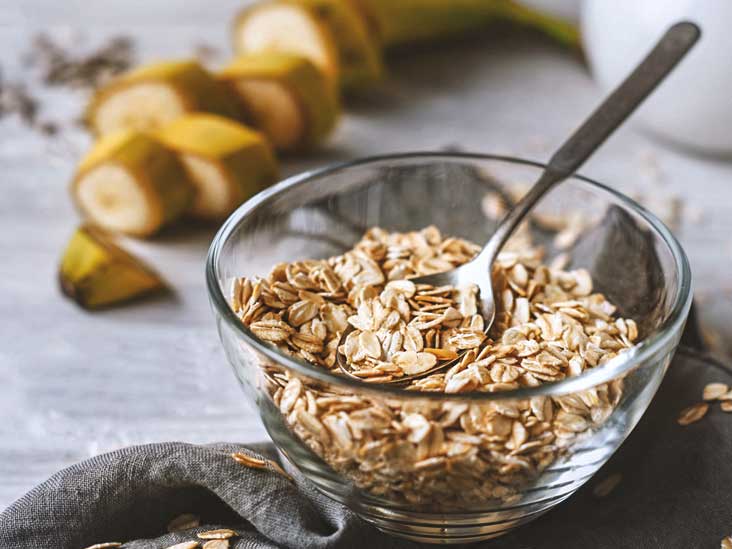
1. Oatmeal: Oatmeal is soothing and can help absorb stomach acid. Its high fiber content aids in digestion and helps prevent acid reflux.
2. Non-citrus Fruits: Apples, pears, and bananas are excellent choices as they are less likely to trigger acid reflux and can help reduce the frequency of GERD symptoms.
3. Lean Proteins: Skinless poultry, fish, and tofu are good sources of protein that are less likely to irritate the esophagus. Opt for baking, grilling, or steaming rather than frying to avoid added fats.
4. Vegetables: Most vegetables, particularly low-acidity options like broccoli, carrots, and green beans, are easy on the stomach and can help neutralize stomach acid.
5. Whole Grains: Brown rice, whole wheat bread, and quinoa are high in fiber, which can help reduce GERD symptoms by promoting healthy digestion and preventing acid buildup.
6. Ginger: With natural anti-inflammatory properties, ginger can soothe the digestive tract and reduce acid reflux symptoms.
7. Herbal Teas: Chamomile and licorice teas are soothing and help reduce inflammation. Choose non-caffeinated options to avoid triggering GERD symptoms.
8. Almonds: Almonds can help neutralize stomach acid and are a healthy snack option that provides nutrients without irritating the esophagus.
9. Healthy Fats: Sources like avocados and olive oil are less likely to trigger GERD symptoms compared to saturated and trans fats found in processed foods.
10. Low-fat Dairy: If tolerated, low-fat or fat-free dairy products like yogurt and milk can be soothing and less likely to contribute to GERD symptoms compared to full-fat dairy.
What you should Avoid for GERD (Acid Reflux)

Avoid gaining weight
Weight gain can significantly exacerbate GERD symptoms. Excess body weight, particularly around the abdominal area, increases pressure on the stomach. This additional pressure can push stomach contents, including acid, upwards into the esophagus.
When the stomach is under pressure, the lower esophageal sphincter (LES), which is responsible for keeping stomach acid from flowing back into the esophagus, may become less effective. This increased pressure can lead to more frequent and severe episodes of acid reflux.
Additionally, excess weight can contribute to the development of a hiatal hernia, where part of the stomach pushes through the diaphragm into the chest cavity. This condition can further weaken the LES and worsen GERD symptoms.
Addressing weight gain through a balanced diet and regular exercise can help reduce GERD symptoms by alleviating the pressure on the stomach and improving overall digestive health. Maintaining a healthy weight is a crucial part of managing GERD and minimizing its impact on daily life.

Avoid tight clothes
Wearing tight clothing can exacerbate GERD symptoms by increasing abdominal pressure. When clothing is snug around the waist, it can compress the stomach, pushing its contents upwards towards the esophagus. This pressure can weaken the lower esophageal sphincter (LES), the muscle that helps keep stomach acid from refluxing into the esophagus.
Tight clothes, particularly those that fit snugly around the abdomen, can contribute to increased discomfort and acid reflux episodes. By putting extra pressure on the stomach, these garments can trigger or worsen GERD symptoms, including heartburn and regurgitation.
To manage GERD effectively, it is advisable to opt for loose-fitting, comfortable clothing that does not constrict the abdominal area. This simple change can help reduce the pressure on the stomach, lessen reflux symptoms, and contribute to overall digestive comfort.

Avoid smoking
Smoking or chewing tobacco can significantly worsen GERD symptoms. Tobacco products can relax the lower esophageal sphincter (LES), the valve responsible for keeping stomach contents from flowing back into the esophagus. This relaxation allows stomach acid to escape more easily, exacerbating reflux and heartburn.
In addition to weakening the LES, smoking can also increase stomach acid production and impair the body’s ability to heal the esophagus from any existing damage caused by acid reflux. Chewing tobacco has similar effects, including promoting acid reflux and causing additional irritation to the esophageal lining.
Quitting smoking and avoiding tobacco products can lead to a notable reduction in GERD symptoms and improve overall digestive health. Engaging in smoking cessation programs and seeking support can be effective strategies for overcoming these habits and managing GERD more effectively.

Don't eat before sleep
Eating large meals or snacking shortly before bedtime can significantly exacerbate GERD symptoms. When you eat close to bedtime, the stomach remains full and the digestive process continues while you lie down. This horizontal position can cause stomach acid to flow back into the esophagus more easily, leading to increased heartburn and discomfort.
To mitigate this issue, it’s recommended to avoid eating for at least 2 to 3 hours before going to bed. This allows the stomach to empty and reduces the likelihood of acid reflux during sleep.
Additionally, if you do need a late-night snack, opt for a light, low-acid, non-spicy option. This practice can help minimize reflux symptoms and contribute to a more restful night's sleep.

Foods to avoid
Certain foods can exacerbate GERD symptoms by increasing stomach acid production or relaxing the lower esophageal sphincter (LES). Here’s a guide to foods and drinks that are best avoided to help manage and reduce GERD symptoms:
- Citrus Fruits: Citrus fruits like oranges, lemons, and grapefruits can increase stomach acid and irritate the esophagus, leading to worsening GERD symptoms. The high acidity in these fruits can trigger heartburn and discomfort.
- Tomatoes and Tomato-Based Products: Tomatoes and products made from them, such as ketchup, marinara sauce, and tomato soup, are highly acidic and can contribute to acid reflux. They can also relax the LES, allowing stomach acid to flow back into the esophagus.
- Spicy Foods: Spicy foods, including hot peppers, chili, and spicy sauces, can irritate the lining of the esophagus and increase acid production. They can also worsen heartburn and other GERD symptoms.
- Fried and Fatty Foods: Foods high in fat, such as fried items, fatty cuts of meat, and creamy sauces, can delay stomach emptying and increase the risk of reflux. High-fat meals can relax the LES and exacerbate GERD symptoms.
- Dairy Products: Whole milk and high-fat dairy products, such as cheese and cream, can exacerbate GERD symptoms by relaxing the LES and increasing stomach acid production. Low-fat or skim milk may be a better option, but individual responses can vary. Yogurt can be soothing but should be low-fat or fat-free.
- Chocolate: Chocolate contains caffeine and theobromine, both of which can relax the LES and promote acid reflux. Additionally, chocolate is often high in fat, which can further aggravate GERD symptoms.
- Caffeinated Beverages: Coffee, tea, and other caffeinated drinks can stimulate acid production and relax the LES, increasing the risk of reflux. Caffeine can also contribute to discomfort and heartburn.
- Carbonated Beverages: Soda and other carbonated drinks can cause bloating and pressure in the stomach, leading to increased acid reflux. The bubbles in these beverages can also relax the LES.
- Alcohol: Alcoholic beverages can irritate the lining of the esophagus and relax the LES, leading to increased acid reflux. It can also stimulate acid production in the stomach.
- Mint: Peppermint and spearmint can relax the LES and worsen GERD symptoms. Avoid mint-flavored products and candies, as they can trigger acid reflux.
By avoiding these foods and beverages, you can help manage GERD symptoms more effectively and reduce the frequency of acid reflux episodes.
Prevention library GERD (Acid Reflux)
- Show only
- Articles
- Videos







GERD (Acid Reflux) Prevention Forum
Always respect others and address them in a professional manner. Please remain authentic and objective.Aposbook does not endorse any comment and is not responsible for any wrong information provided by users.


Success! Thank you for your comment.