



Anxiety Dos and Don'ts: Tips and Prevention
What you should Do for Anxiety Disorder
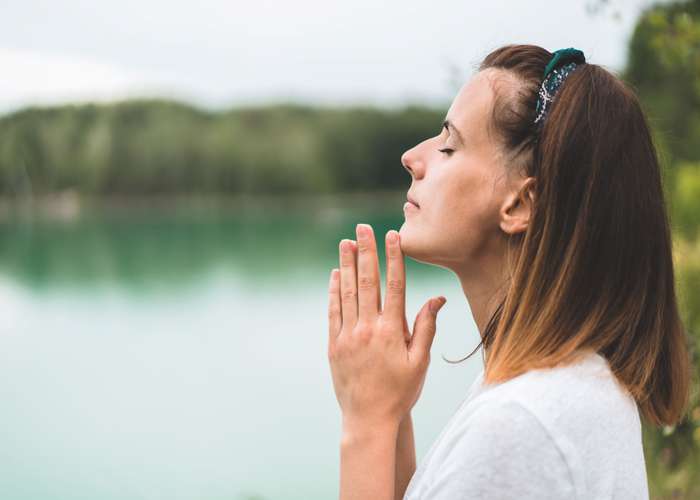
Forgive yourself
Forgive yourself for all the mistakes you have done and be compassionate and kind towards yourself. This is an important way to cope with your anxiety.

Volunteer
Volunteering is an important coping mechanism because helping others or sharing knowledge people gives you a great feeling of satisfaction and happiness. This can decrease anxiety and worry.
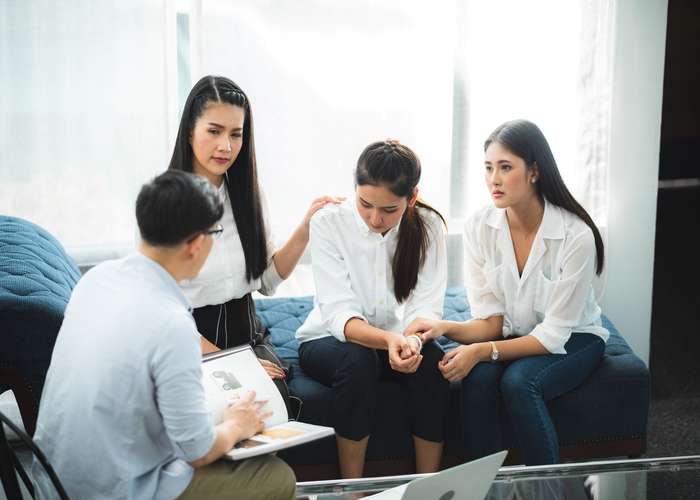
Seek help from health expert
Seeking help from a mental health professional is important.
It helps you develop coping skills to manage anxiety and live a healthier life.
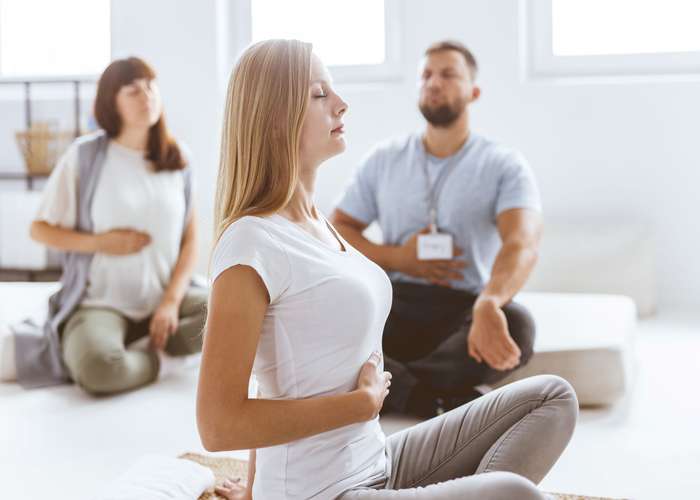
Progressive muscle relaxation
Try to relax by bringing your attention and focus back to your breathing while taking deep breaths.
Deep diaphragmatic breathing is one breathing technique you can use to remind your heart and the rest of your body that you can slow down.
Breathe deeply into your stomach and exhale deeply. Your chest should not be expanding and contracting rapidly with each breath.
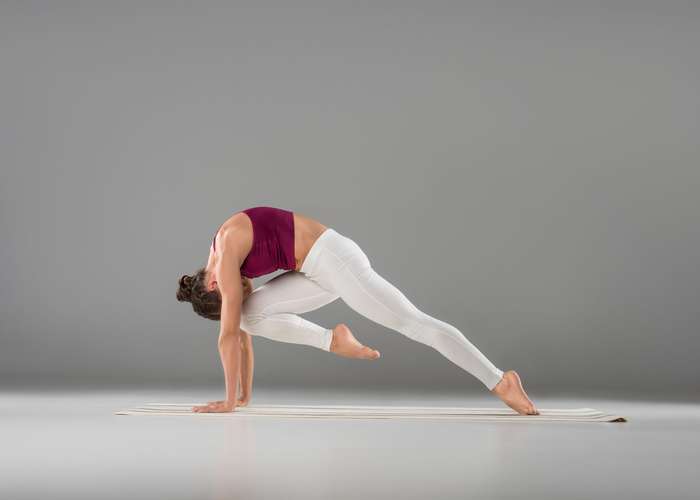
Practice yoga
Yoga can help alleviate the symptoms of anxiety because this practice focuses on breathing and helps you clear your mind.
This helps calm your body and brings your awareness to the present moment.
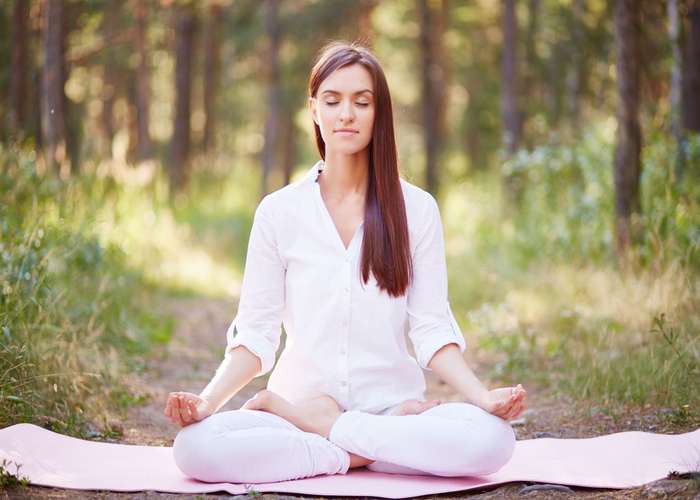
Practice mindfulness
Practicing mindfulness can help ease the symptoms of anxiety.
Meditate on what you are thinking or feeling. Let sensations and thoughts pass through your mind without judging them.
Focus on conscious breathing to remind your body that you are not in danger.
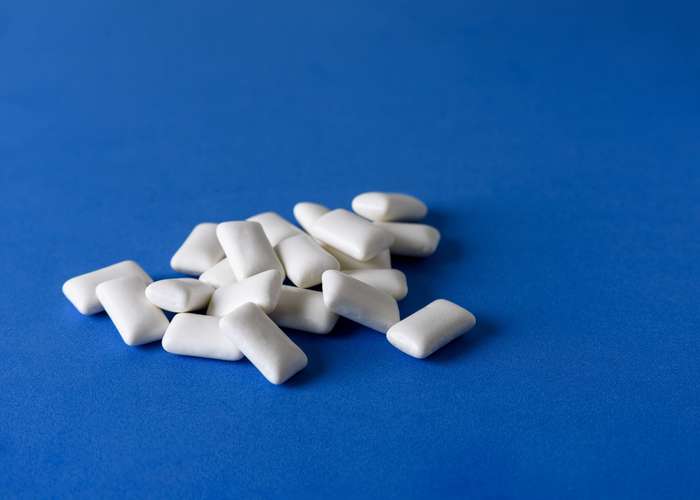
Chew gum
Chewing gum in an anxious situation makes you salivate, which reduces the symptoms of anxiety.

Put feelings into words
Describe your anxiety by putting feelings into words. This can reduce physiological symptoms of anxiety and help dilute it.
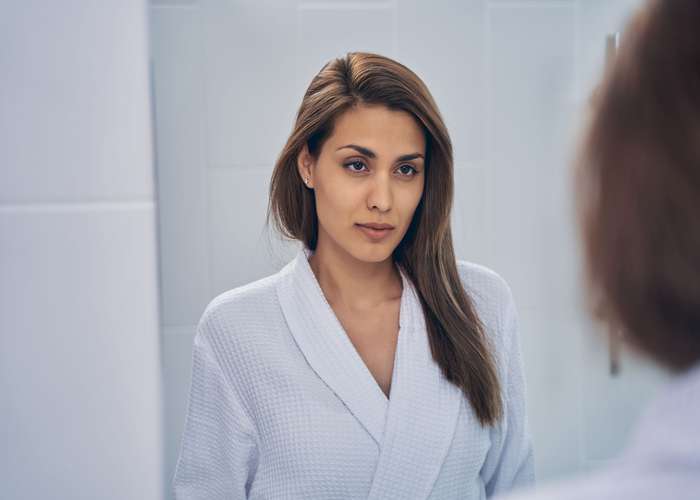
Face the anxiety
Face your problems and do not run away from your anxiety. Avoiding whatever is making you anxious can cause the symptoms of fear and anxiety to worsen.
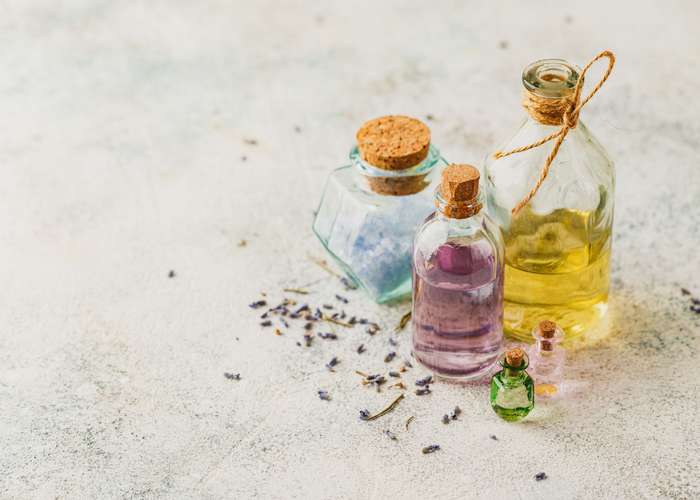
Use essential oils
Lavender oil and jasmine oil are two essential oils that are well known for their calming properties.
Keep a small bottle of lavender oil or any other essential oil on hand. When you feel anxious thoughts brewing, you can inhale the oil, massage it onto your skin, or add it to a nice warm bath.
Make sure you dilute the oil before inhaling it or using it on your skin.
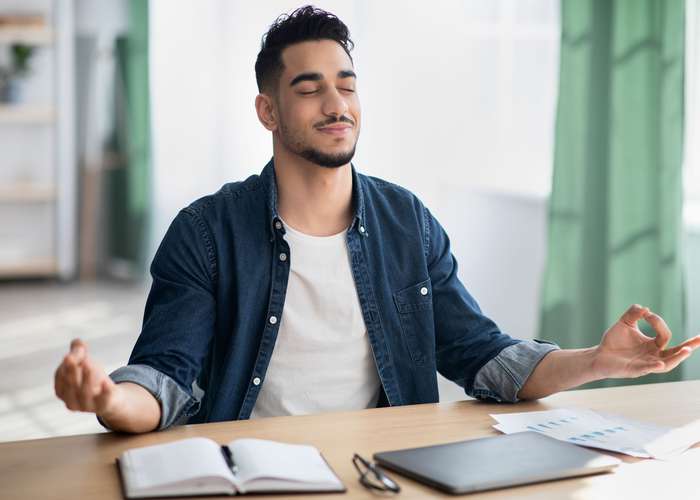
Repeat a mantra
Use positive affirmations every single day to help manage your mood. This helps you feel calm, especially when you’re on the verge of a panic attack.
Remind yourself that you’ve survived panic attacks before and acknowledge that it’s all going to be okay.

Have some time alone
Having some time alone to rest and relax is essential to recharge your batteries and reduce the symptoms of anxiety and stress.
Sometimes being around people can impose stress on us, especially if we are under pressure of pleasing others and maintaining social interactions.
Taking some time away and be on your own sometimes can release the pressure and help reduce the symptoms of anxiety and stress.
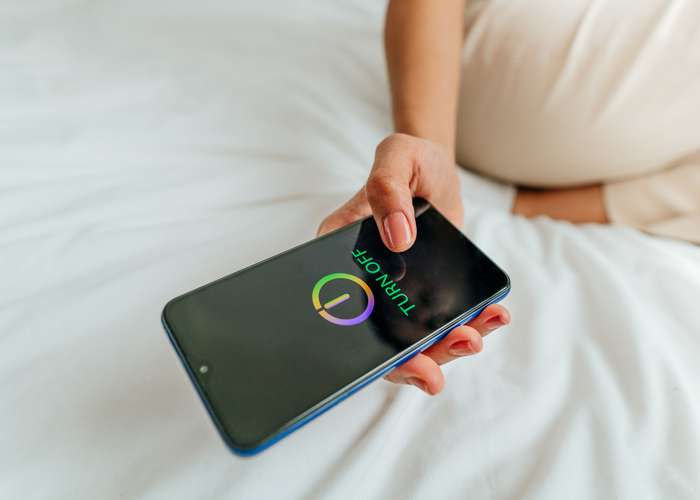
Turn off your phone
Turning off your phone is essential to practice mindfulness which reduces the symptoms of anxiety.
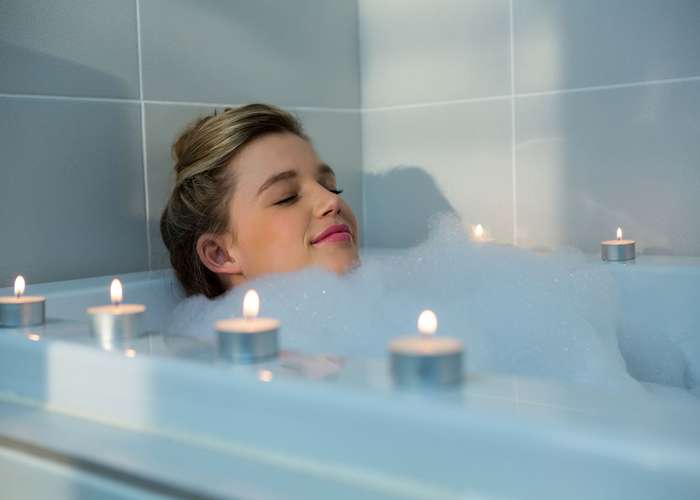
Take a bath
Taking a hot bath with Epsom salts helps relax your muscles and your mind.
You can also add essential oils to your bath to help calm your nerves.
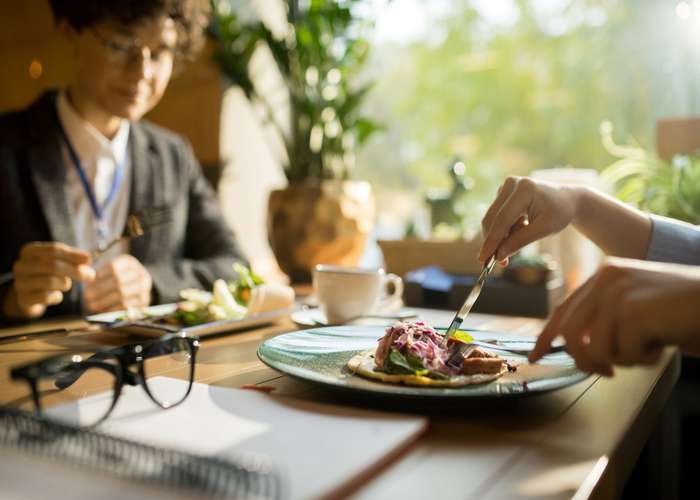
Eat regularly
Forgetting to eat if you are working or fasting for long hours can increase levels of cortisol in the body which makes you stressed. It also lowers your blood sugar, making you feel nervous, irritable, and anxious.
Make sure to eat regularly. This helps you boost your blood sugar to a normal level, and reduces the symptoms of anxiety.
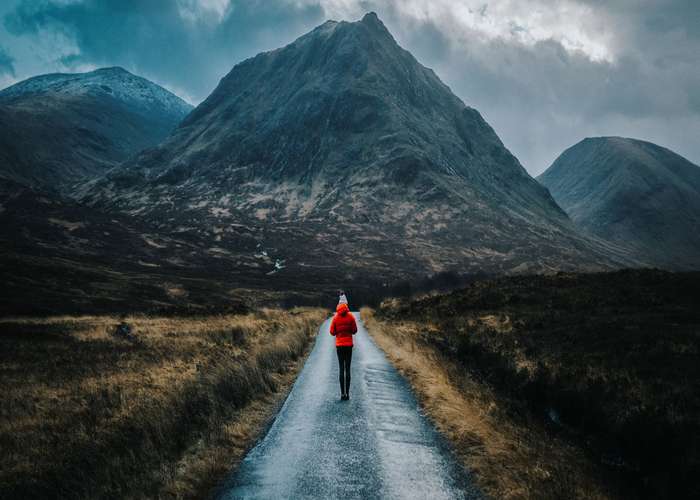
Do outdoor activities
Practicing outdoor activities such as walking in nature or doing other physical activities can improve physical and mental health.
It helps reduce stress and anxiety, restore mental fatigue, and improve mood and self-esteem.
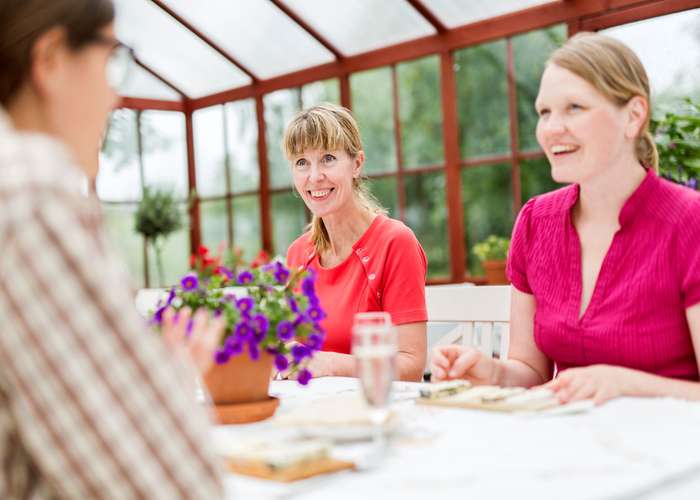
Limit talk about anxiety
Don't talk a lot about your anxiety. Limit your discussion about anxiety to a maximum of 5% of the time. Instead, focus on your success in overcoming it.
It is important to get engaged in interesting and cheerful discussions.
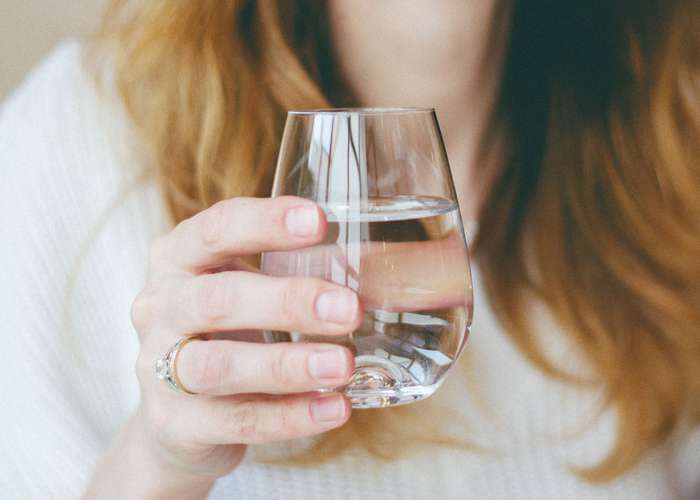
Drink water
Drinking enough water can help reduce anxiety symptoms. Dehydration can cause heart palpitations, which may trigger an anxiety attack.
What you should Avoid for Anxiety Disorder
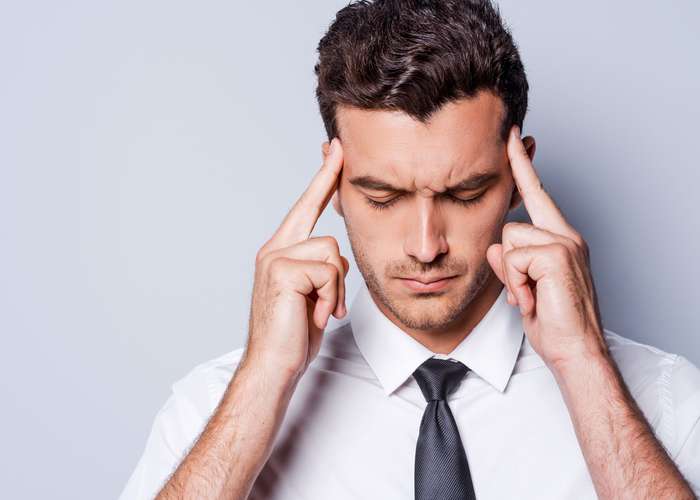
Avoid worrying
Avoid worrying and overthinking because this can trigger anxiety disorders.
Try to replace thoughts of worry with thoughts of fun and exciting things you might do during the week or on the weekend.
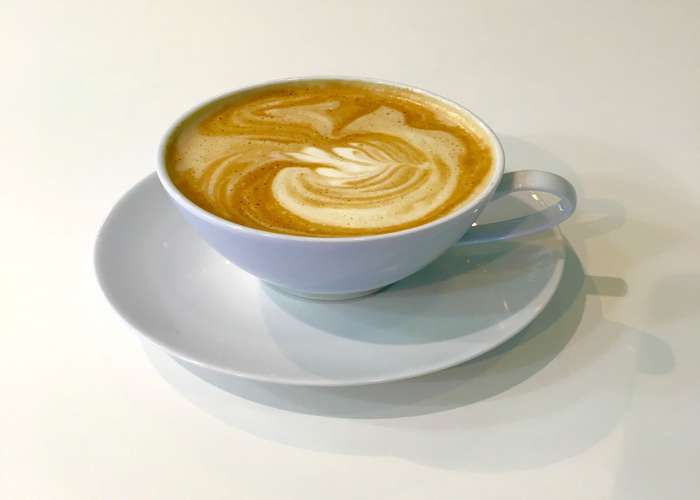
Avoid caffeine
Caffeine can trigger symptoms of anxiety and make you more anxious. People who suffer from anxiety should avoid coffee, energy drinks, and black tea because they contain lot of caffeine.
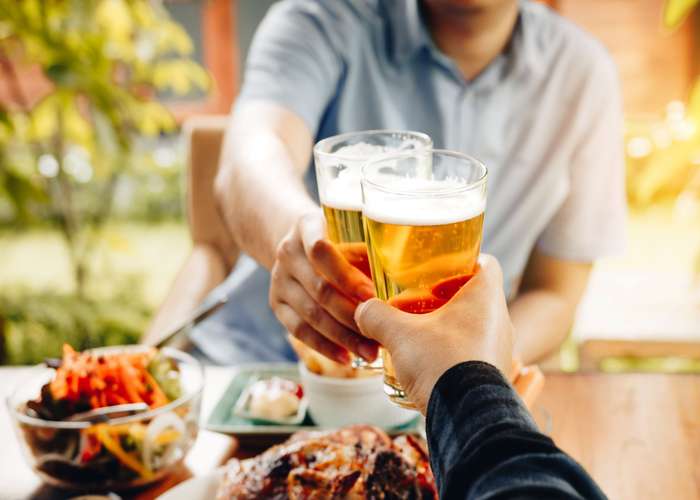
Avoid alcohol
Drinking excessive amounts of alcohol can increase symptoms of anxiety. Try to limit your alcohol consumption to two servings per day.
You can also opt to drink non-alcoholic beverages or sparkling water if you are at social gatherings.
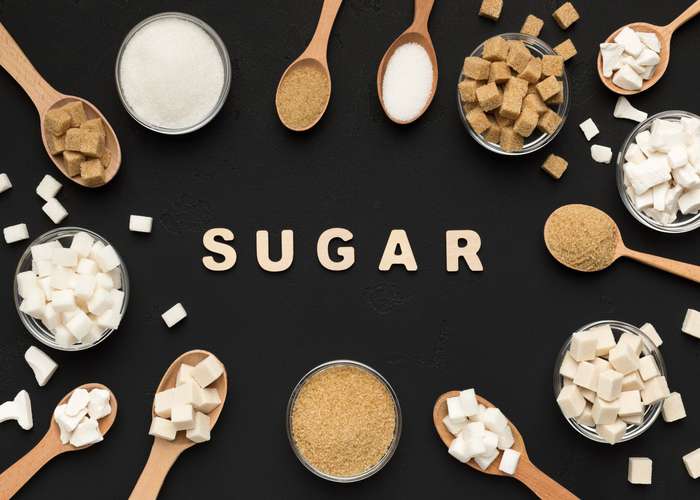
Avoid excess sugar
Excess sugar can release small amounts of adrenaline into your system, which can trigger symptoms of anxiety.
Avoid non-dairy creamer
Conventional non-dairy creamers contain hydrogenated oils, known as trans fats, which are sources of LDL cholesterol.
These fats trigger symptoms of anxiety and depression.
Prevention library Anxiety Disorder
- Show only
- Articles
- Videos





Anxiety Disorder Prevention Forum
Always respect others and address them in a professional manner. Please remain authentic and objective.Aposbook does not endorse any comment and is not responsible for any wrong information provided by users.


Success! Thank you for your comment.