






Acne Dos and Don'ts: Tips and Prevention
What you should Do for Acne

Maintain a balanced skin cleaning
A well-balanced skin cleansing routine is essential for managing acne effectively. The right approach can help remove impurities, excess oil, and bacteria without stripping the skin of its natural moisture. Here are key steps and tips for achieving balanced skin cleansing:
- Choose the Right Cleanser:
- Gentle and Non-Comedogenic: Opt for a gentle, non-comedogenic cleanser that won't clog pores. Look for products labeled as "oil-free" and "non-acnegenic."
- Salicylic Acid or Benzoyl Peroxide: For acne-prone skin, consider cleansers containing salicylic acid or benzoyl peroxide. These ingredients help to exfoliate the skin, unclog pores, and reduce bacteria.
- Wash Twice Daily:
- Morning and Night Routine: Cleanse your face twice a day—once in the morning and once before bed. This helps remove dirt, oil, and impurities that accumulate throughout the day and overnight.
- Avoid Over-Washing: Washing your face too often can lead to irritation and overproduction of oil. Stick to the twice-daily routine for optimal results.
- Use Lukewarm Water:
- Temperature Matters: Use lukewarm water to cleanse your face, as hot water can strip the skin of its natural oils, while cold water may not effectively remove dirt and makeup.
- Gentle Touch: Use gentle circular motions with your fingertips or a soft sponge to cleanse your skin, avoiding harsh scrubbing that can irritate acne-prone areas.
- Pat Dry, Don’t Rub:
- Dabbing Technique: After washing, gently pat your face dry with a clean towel instead of rubbing it. This helps avoid irritation and keeps the skin's barrier intact.
- Follow with Moisturizer:
- Hydration is Key: Use a lightweight, oil-free moisturizer after cleansing to maintain skin hydration. Even acne-prone skin needs moisture to prevent dryness and irritation, which can worsen acne.
- Look for Ingredients: Choose moisturizers with hydrating ingredients like hyaluronic acid or glycerin, which can help maintain moisture without clogging pores.
- Exfoliate Wisely:
- Frequency: Exfoliate 1-2 times a week to remove dead skin cells and prevent clogged pores. Over-exfoliating can irritate the skin and worsen acne.
- Gentle Exfoliants: Use chemical exfoliants (like AHAs and BHAs) rather than physical scrubs, which can be too harsh on sensitive or acne-prone skin.
- Incorporate Spot Treatments:
- Targeted Application: If you have active breakouts, consider using spot treatments with ingredients like salicylic acid or benzoyl peroxide. Apply them after cleansing and before moisturizing.
- Avoid Heavy Makeup:
- Limit Clogged Pores: If you wear makeup, choose non-comedogenic products and ensure thorough cleansing at the end of the day to prevent buildup.
Maintaining a balanced skin cleansing routine is crucial for effectively managing acne. By selecting the right products, adhering to a consistent cleansing schedule, and incorporating gentle techniques, individuals can help reduce breakouts and promote healthier skin. Remember to listen to your skin and adjust your routine as needed to achieve the best results.

Choose oil free skincare products
Some skincare products may contain oil and can contribute to the appearance of acne.
It is advised to choose oil free skincare products.
Use a sponge for face wash
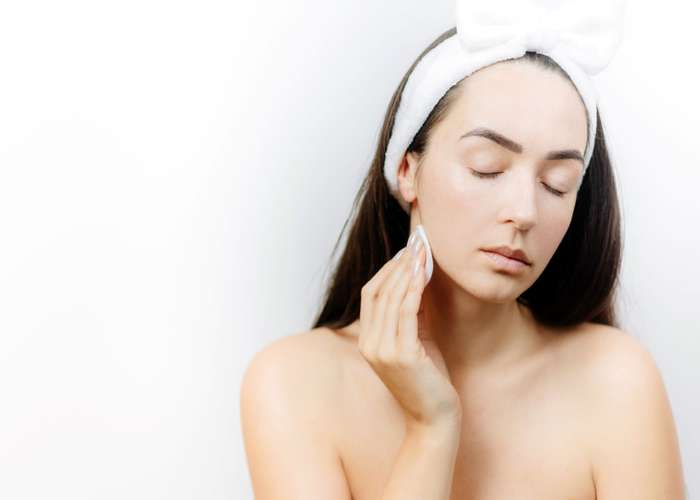
Using a sponge to wash your face can be an effective way to enhance your skincare routine, particularly for those dealing with acne. Here are several reasons why incorporating a sponge can be beneficial:
- Gentle Exfoliation: Sponges provide a gentle exfoliating action, helping to remove dead skin cells from the surface of the skin. This exfoliation can prevent clogged pores, which are a primary cause of acne. Regularly using a sponge can promote a smoother skin texture and reduce the occurrence of breakouts.
- Improved Cleansing: A sponge can effectively lift dirt, oil, and makeup from the skin, ensuring a deeper clean compared to using fingers alone. This thorough cleansing helps eliminate impurities that can contribute to acne formation.
- Controlled Pressure: Using a sponge allows for better control over the amount of pressure applied during cleansing. This can be especially important for sensitive or acne-prone skin, as too much friction can irritate the skin and exacerbate acne.
- Even Application of Cleanser: A sponge helps distribute the cleanser evenly across the face, ensuring that every area is treated without missing spots. This uniform application is important for maximizing the benefits of your skincare products.
- Hygienic Benefits: Sponges can be more hygienic than using hands alone, as they can be cleaned regularly. This helps reduce the risk of transferring bacteria from the hands to the face, which can worsen acne.
- Hydration Support: Some sponges, especially konjac sponges, are designed to be used with just water or a gentle cleanser. This can help maintain the skin's moisture balance while cleansing, preventing excessive dryness that can occur from harsh products.
Incorporating a sponge into your face-washing routine can be a valuable tool for managing acne. When selecting a sponge, opt for soft, non-abrasive options specifically designed for facial use to minimize irritation. By using a sponge, individuals can achieve a deeper clean, promote healthy skin turnover, and reduce the likelihood of breakouts, ultimately leading to a clearer complexion.

Food rich in omega-3 and anti-oxidants
Incorporating omega-3 fatty acids and antioxidants into your diet can play a significant role in promoting skin health and reducing acne. Here’s a list of some of the best food sources:
- Fatty Fish (e.g., salmon, mackerel, sardines): Rich in omega-3 fatty acids with anti-inflammatory properties that can help reduce skin inflammation and prevent acne breakouts.
- Chia Seeds: Packed with omega-3 fatty acids and fiber, these tiny seeds can help balance hormones and maintain healthy skin, potentially reducing acne flare-ups.
- Flaxseeds: A great plant-based source of omega-3s that can reduce inflammation and promote overall skin health, helping to decrease acne severity.
- Walnuts: High in omega-3s and healthy fats, regular consumption can support skin health and may reduce the severity of acne.
- Algal Oil: A plant-based source of omega-3 derived from algae, suitable for vegetarians and vegans, which supports skin health and reduces inflammation associated with acne.
- Berries (e.g., blueberries, strawberries, raspberries): High in antioxidants that combat oxidative stress and reduce inflammation in the skin, potentially lowering the risk of acne.
- Dark Leafy Greens (e.g., spinach, kale): Packed with vitamins and antioxidants that support overall skin health and reduce inflammation related to acne.
- Nuts (e.g., almonds, hazelnuts): Rich in antioxidants and vitamin E, helping to protect skin cells from damage and support skin repair.
- Sweet Potatoes: High in beta-carotene, which can improve skin health and aid in reducing the severity of acne.
- Tomatoes: Rich in lycopene, a powerful antioxidant that helps protect the skin from UV damage and reduce redness, benefiting those with acne.
- Green Tea: Rich in catechins, a type of antioxidant that may help reduce inflammation and fight acne-causing bacteria.
Incorporating these omega-3 and antioxidant-rich foods into your diet can support skin health and help manage acne. By focusing on a balanced diet filled with these nutrient-dense options, individuals can promote clearer skin and reduce the severity of breakouts. Remember that dietary changes should be part of a holistic approach to skincare and acne management.

Foods to eat
Incorporating certain foods into your diet can help support skin health and reduce the severity of acne. Here are some beneficial foods to consider:
- Fatty Fish: Fatty fish, such as salmon, mackerel, and sardines, are rich in omega-3 fatty acids. Omega-3s have anti-inflammatory properties that can help reduce inflammation in the skin, leading to fewer breakouts and a calmer complexion.
- Fruits and Vegetables: A diet high in fruits and vegetables provides essential vitamins, minerals, and antioxidants that promote skin health. Berries, oranges, spinach, and kale are particularly beneficial due to their high antioxidant content, which can protect the skin from oxidative stress and inflammation.
- Whole Grains: Whole grains, such as brown rice, quinoa, and whole-wheat bread, are rich in fiber. Fiber helps regulate blood sugar levels and reduces insulin spikes, which can help lower the risk of acne. Additionally, whole grains provide essential nutrients that support overall skin health.
- Nuts and Seeds: Nuts (like walnuts and almonds) and seeds (such as flaxseeds and chia seeds) are excellent sources of healthy fats, antioxidants, and vitamins. They contain zinc and vitamin E, which are important for skin health and can help reduce inflammation associated with acne.
- Green Tea: Green tea is rich in antioxidants, particularly catechins, which have anti-inflammatory and antimicrobial properties. Drinking green tea may help reduce acne severity by lowering inflammation and fighting the bacteria that contribute to acne.
- Probiotics: Foods rich in probiotics, such as yogurt, kefir, and fermented vegetables, support gut health. A healthy gut microbiome is linked to improved skin health, as it can help reduce inflammation and balance hormones, which may play a role in acne development.
- Lean Proteins: Incorporating lean proteins, such as chicken, turkey, and plant-based sources like lentils and chickpeas, can provide essential amino acids that support skin repair and regeneration. Adequate protein intake is crucial for maintaining healthy skin.
- Turmeric: This spice contains curcumin, a powerful anti-inflammatory compound that may help reduce acne-related inflammation. Adding turmeric to dishes or smoothies can provide additional skin benefits.
Incorporating these foods into your diet can support skin health and potentially reduce the occurrence of acne. Focusing on a balanced, nutrient-rich diet while avoiding processed foods, excessive sugar, and dairy can help improve overall skin health. By nourishing the body with the right foods, individuals can promote clearer skin and enhance their acne management efforts.
What you should Avoid for Acne

Foods to avoid
Food plays a crucial role in our overall health, and its impact on skin conditions, particularly acne, is gaining increasing recognition. Acne is not merely a result of hormonal fluctuations or genetics; it is significantly influenced by dietary choices. The foods we consume can either exacerbate or alleviate the severity of acne breakouts, making nutrition a vital aspect of effective acne management.
Certain foods, particularly those high in sugars, unhealthy fats, and refined carbohydrates, can trigger inflammatory responses and increase oil production, leading to clogged pores and breakouts. Conversely, a balanced diet rich in fruits, vegetables, whole grains, and healthy fats can provide essential nutrients that promote skin health, reduce inflammation, and support overall well-being.
Understanding the intricate relationship between diet and acne empowers individuals to make informed choices that can improve their skin condition. By adopting a diet tailored to promote clear skin, one can enhance their complexion and contribute to long-term skin health and confidence.
Foods to Avoid for Acne
- Sugary Foods: High-sugar items like candies, pastries, and sodas can spike insulin levels, leading to increased sebum production and inflammation.
- Dairy Products: Milk and dairy products may exacerbate acne in some individuals due to their influence on hormone levels and insulin sensitivity.
- Refined Carbohydrates: Foods like white bread, pasta, and baked goods made with white flour can cause rapid blood sugar spikes, contributing to acne.
- Greasy Fast Foods: Fried foods and fast-food items high in unhealthy fats can increase inflammation and promote oil production in the skin.
- High-Fat Dairy: Foods like cream, cheese, and butter, which contain high levels of saturated fat, can negatively impact skin health and trigger breakouts.
- Processed Snacks: Chips, cookies, and other processed snacks often contain unhealthy fats and sugars that can lead to inflammation and acne.
- Chocolate: Some studies suggest that certain types of chocolate, especially those high in sugar and dairy, may worsen acne symptoms for some individuals.
- Certain Oils: Oils high in omega-6 fatty acids, like corn oil and soybean oil, can promote inflammation if consumed excessively.
- Spicy Foods: For some people, spicy foods can trigger inflammation and worsen acne symptoms, though this varies by individual.
By avoiding these foods, individuals can take proactive steps in managing their acne and supporting their skin health. Transitioning to a diet rich in whole, nutrient-dense foods will not only help mitigate breakouts but also enhance overall well-being.

Avoid stress
Stress is a common part of life, but its impact on skin health, particularly acne, is often underestimated. Understanding the relationship between stress and acne is essential for effective skin care. Here are several reasons why managing stress is crucial for acne management:
- Hormonal Imbalance: Stress triggers the release of cortisol, a hormone that can lead to an increase in sebum production from the sebaceous glands. Excess oil can clog pores, leading to the formation of acne lesions. This hormonal imbalance can worsen existing acne and contribute to new breakouts.
- Inflammation: Stress can exacerbate inflammation throughout the body, including the skin. Increased levels of inflammatory markers can intensify the severity of acne and lead to more pronounced redness, swelling, and discomfort in affected areas.
- Compromised Immune Function: Chronic stress can weaken the immune system, making the skin more susceptible to infections and bacterial overgrowth. This increased vulnerability can lead to worsening acne and a longer healing process for existing lesions.
- Poor Lifestyle Choices: When under stress, individuals may resort to unhealthy coping mechanisms, such as overeating, consuming unhealthy foods, or neglecting their skincare routine. These behaviors can negatively affect skin health and contribute to acne development.
- Skin-Picking and Irritation: Stress can lead to behaviors such as skin-picking or touching the face, which can introduce bacteria and irritate existing acne. This can result in further inflammation, scarring, and a cycle of breakouts.
- Sleep Disruption: Stress often affects sleep quality, leading to fatigue and hormonal imbalances that can exacerbate acne. Poor sleep can reduce the skin's ability to repair itself overnight, prolonging the healing time for breakouts.
To promote clearer skin and effectively manage acne, it is essential to incorporate stress-reducing practices into your daily routine. Techniques such as mindfulness, meditation, regular physical activity, and sufficient sleep can help mitigate the negative effects of stress on the skin. By prioritizing mental well-being, individuals can enhance their overall skin health, reduce the occurrence of acne, and support a clearer complexion.

Do not sleep with make up on
Sleeping with makeup on is a common habit that can have detrimental effects on skin health, particularly for those prone to acne. Here are several reasons why it’s crucial to remove makeup before going to bed:
- Clogged Pores: Makeup products, especially heavy foundations and concealers, can clog pores when left on overnight. This blockage can prevent the skin from breathing, leading to an accumulation of oil, dead skin cells, and bacteria. Clogged pores are a primary contributor to the formation of acne lesions, including blackheads and whiteheads.
- Increased Oil Production: Makeup can trap oil on the skin's surface. While sleeping, the skin naturally produces oil, which can mix with makeup residue. This excess oil can further clog pores and create an environment conducive to acne breakouts.
- Bacterial Growth: Makeup acts as a barrier on the skin, preventing sweat and oil from evaporating. When makeup is left on overnight, it can create a warm, moist environment that promotes the growth of acne-causing bacteria, leading to increased inflammation and breakouts.
- Skin Irritation: Many makeup products contain various chemicals and fragrances that can irritate the skin, especially when left on for extended periods. This irritation can exacerbate existing acne and trigger new breakouts, particularly for sensitive or acne-prone skin types.
- Impaired Skin Renewal: While we sleep, our skin undergoes a natural renewal process, shedding dead skin cells and repairing itself. Makeup residue can interfere with this process, preventing the skin from regenerating effectively. This can lead to a buildup of dead skin cells and contribute to further clogging of pores.
- Compromised Skin Barrier: Continuous exposure to makeup without proper cleansing can weaken the skin barrier over time. A compromised skin barrier can result in increased sensitivity, redness, and susceptibility to acne.
To promote healthy skin and reduce the risk of acne breakouts, it’s essential to make a habit of removing makeup before bedtime. A gentle cleanser can effectively remove makeup, oil, and impurities, allowing the skin to breathe and regenerate during the night. By prioritizing this simple step in a skincare routine, individuals can significantly enhance their skin's health, reduce the occurrence of acne, and enjoy a clearer complexion.

Avoid sun exposure
While sunlight can have some benefits for skin health, such as vitamin D synthesis, excessive sun exposure can significantly worsen acne and hinder treatment efforts. Here are several reasons why avoiding sun exposure is crucial for managing acne:
- Inflammation and Irritation: Prolonged exposure to UV rays can lead to skin inflammation and irritation, which may exacerbate existing acne lesions. Inflammatory responses can worsen redness and swelling, making breakouts more noticeable.
- Skin Damage: UV radiation can damage the skin's outer layer, leading to an increase in oil production as the skin attempts to protect itself. This heightened oiliness can clog pores and contribute to more acne development.
- Hyperpigmentation: Acne can leave behind post-inflammatory hyperpigmentation, leading to dark spots on the skin. Sun exposure can exacerbate this condition, as UV rays stimulate melanin production, darkening these spots and making them more prominent.
- Interference with Treatments: Many acne treatments, especially topical medications like retinoids and some antibiotics, can make the skin more sensitive to sunlight. Sun exposure can lead to irritation and diminish the effectiveness of these treatments, making it harder to achieve clear skin.
- Drying Effects: While some individuals believe that sun exposure can dry out oily skin, it often has the opposite effect. After initial dryness, the skin may compensate by producing more oil, creating a cycle that can worsen acne.
- Weakened Immune Response: Excessive sun exposure can compromise the skin’s immune function, making it less effective at fighting bacteria and inflammation. This can lead to an increased risk of bacterial infections, further aggravating acne.
To manage acne effectively, it is essential to protect the skin from excessive sun exposure. This can be achieved by wearing broad-spectrum sunscreen with an SPF of at least 30, seeking shade during peak sunlight hours, and wearing protective clothing. By minimizing sun exposure, individuals can help reduce inflammation, prevent further breakouts, and support their overall acne treatment regimen, leading to healthier, clearer skin.
Do not wash your face too much
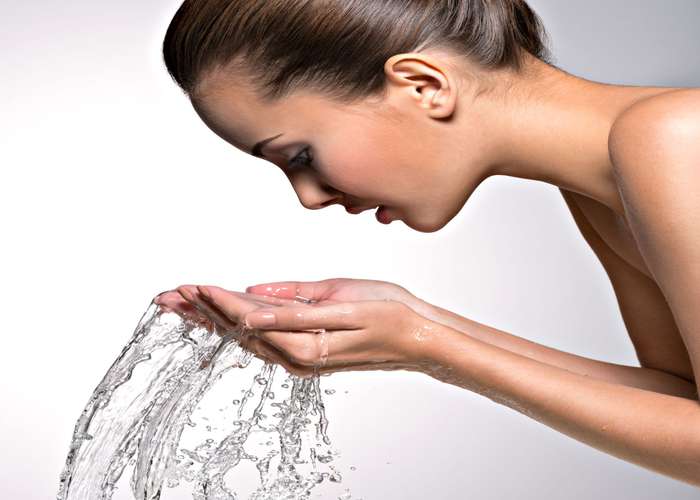
While maintaining a clean face is essential for preventing and treating acne, washing your face too frequently can have adverse effects. Here are several reasons why limiting the frequency of face washing is crucial for effective acne management:
- Skin Barrier Disruption: The skin's natural barrier serves as a protective shield against environmental aggressors and helps retain moisture. Over-washing can strip the skin of its natural oils, leading to barrier disruption. A compromised skin barrier can result in increased sensitivity, dryness, and irritation, which can exacerbate acne.
- Increased Oil Production: When the skin is over-washed, it can trigger a compensatory response, causing the sebaceous glands to produce more oil to replenish lost moisture. This excess oil can lead to clogged pores and worsen acne, creating a cycle that is difficult to break.
- Irritation and Inflammation: Frequent washing, especially with harsh cleansers, can irritate the skin, leading to redness and inflammation. Irritated skin is more prone to breakouts, as inflammation can trigger the acne development process.
- Disruption of Skin pH: The skin has a natural pH balance that is essential for maintaining its health. Over-washing can alter this pH balance, leading to conditions that favor acne development, such as increased bacterial growth.
- Impaired Healing: Acne-prone skin often requires time to heal. Over-washing can hinder this healing process, as it disrupts the skin's ability to regenerate and recover from breakouts. This can lead to prolonged acne lesions and increased scarring.
- Use of Irritating Products: Individuals who wash their faces too often may resort to using multiple products in an attempt to manage their acne. This can lead to layering potentially irritating ingredients, further aggravating the skin and worsening acne.
To effectively manage acne, it is important to find a balance in your skincare routine. Washing your face twice a day—once in the morning and once before bed—with a gentle cleanser is typically sufficient. This approach helps remove impurities, excess oil, and makeup without compromising the skin barrier. By avoiding over-washing, individuals can maintain healthier skin, minimize the risk of breakouts, and support the healing process for existing acne.

Do not squeeze blackheads and pimples
Although it may feel good to get rid of these blackheads and pimples, it is not advisable to do so.
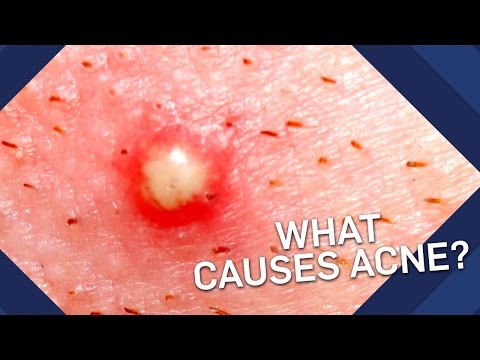
Squeezing or pinching the skin can cause infections and may leave marks and scars on the skin. It may also leave the pimple more inflamed and noticeable.

Acne Prevention Forum
Always respect others and address them in a professional manner. Please remain authentic and objective.Aposbook does not endorse any comment and is not responsible for any wrong information provided by users.


Success! Thank you for your comment.