






Thyroid Disorders Dos and Don'ts: Tips and Prevention
What you should Do for Thyroid Disorder
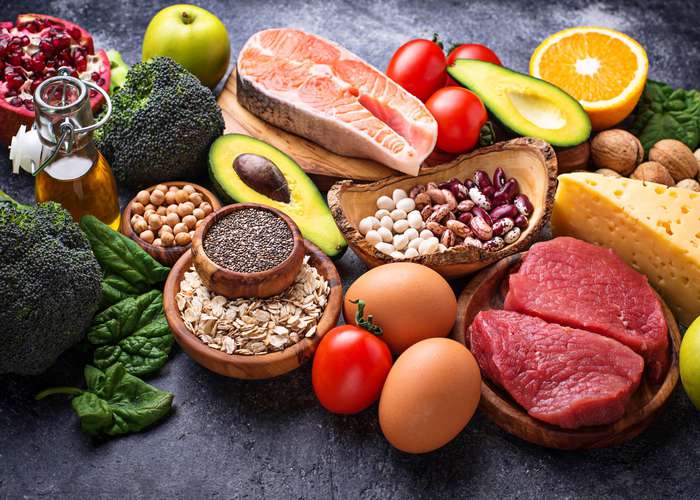
Foods to eat
Maintaining a balanced diet is crucial for managing thyroid disorders, as certain foods can support thyroid function and overall health. Proper nutrition helps provide essential nutrients that the thyroid needs to produce hormones, regulate metabolism, and reduce inflammation. Here’s a list of beneficial foods for individuals with thyroid disorders, along with their specific benefits:
- Iodine-Rich Foods:
- Seaweed (e.g., nori, kelp): Provides a high concentration of iodine, which is essential for the production of thyroid hormones, particularly T3 and T4. Iodine deficiency can lead to hypothyroidism and other thyroid issues.
- Fish (e.g., cod, tuna): Rich in iodine and omega-3 fatty acids, which can help reduce inflammation and support overall thyroid health.
- Selenium-Rich Foods:
Brazil nuts: An excellent source of selenium, this mineral plays a critical role in the conversion of T4 (inactive) to T3 (active) thyroid hormone, supporting optimal thyroid function.
Eggs: Contain selenium along with other vital nutrients that promote healthy thyroid hormone production.
- Zinc-Rich Foods:
- Shellfish (e.g., oysters, crab): High in zinc, which is crucial for hormone synthesis and can help regulate thyroid hormone levels.
- Pumpkin seeds: A good plant-based source of zinc, supporting thyroid function and immune health.
- Fruits and Vegetables:
- Berries (e.g., blueberries, strawberries): Packed with antioxidants, these fruits help reduce oxidative stress and inflammation, which can benefit thyroid health.
- Cruciferous vegetables (e.g., broccoli, cauliflower): When cooked, these vegetables are nutritious and can provide fiber and essential vitamins while minimizing goitrogenic effects.
- Healthy Fats:
- Avocado: Rich in monounsaturated fats, avocados support hormone production and provide anti-inflammatory benefits, which are vital for thyroid health.
- Olive oil: Contains antioxidants and healthy fats that can help reduce inflammation and support overall well-being.
- Whole Grains:
- Quinoa: Gluten-free and high in protein and essential amino acids, quinoa supports energy levels and overall health, making it a great choice for thyroid support.
- Brown rice: A good source of fiber that can aid digestion and help maintain stable blood sugar levels.
- Legumes:
- Chickpeas and lentils: Provide protein, fiber, and important vitamins and minerals, supporting overall health and aiding in weight management, which is crucial for those with thyroid disorders.
- Fermented Foods:
- Yogurt and kefir: Contain probiotics that promote gut health, which is important for hormone regulation and overall immune function.
- Herbs and Spices:
- Turmeric: Contains curcumin, known for its anti-inflammatory properties, which can help reduce inflammation associated with thyroid disorders.
- Ginger: May help alleviate inflammation and improve digestion, promoting overall thyroid health.
Incorporating these foods into a well-balanced diet can help support thyroid health, but it’s important to consult with a healthcare provider or nutritionist for personalized dietary recommendations tailored to individual needs.
What you should Avoid for Thyroid Disorder

Foods to avoid
When managing thyroid disorders, certain foods can interfere with hormone production, exacerbate symptoms, or hinder treatment effectiveness. Here’s a list of foods to avoid, along with explanations of why they may be problematic:
- Goitrogenic Foods: Cruciferous Vegetables (e.g., broccoli, cabbage, cauliflower). While healthy in moderation, raw cruciferous vegetables contain goitrogens that can inhibit thyroid hormone production, especially in individuals with iodine deficiency. Cooking these vegetables can reduce their goitrogenic effects.
- Gluten-Containing Grains: Wheat and Barley: For some individuals, particularly those with autoimmune thyroid conditions like Hashimoto's thyroiditis, gluten can trigger inflammation and worsen symptoms. Eliminating gluten may help improve thyroid function and overall health.
- Soy Products: Tofu, soy milk, and edamame. Soy contains compounds that can interfere with thyroid hormone production. While moderate consumption is generally fine, excessive intake may pose risks, especially for those with existing thyroid issues.
- Highly Processed Foods: Fast food, snacks, and sugary treats. These foods are often high in unhealthy fats, sugars, and preservatives, which can lead to inflammation, weight gain, and negatively impact thyroid function.
- Excessive Sugar: Sugary beverages and desserts. High sugar intake can lead to insulin resistance and inflammation, which can adversely affect thyroid function and overall health.
- Trans fats and excessive saturated fats: Found in fried foods, baked goods, and some margarines, these fats can contribute to inflammation and negatively impact overall health, including thyroid function.
- Nightshade Vegetables: Tomatoes, peppers, and eggplants. While generally healthy, some people with autoimmune thyroid disorders may find that nightshades exacerbate inflammation or joint pain. Individual tolerance varies.
- Processed Soy Sauces: Soy sauce and teriyaki sauce. Often high in sodium and additives, processed soy sauces can interfere with thyroid health and contribute to hypertension.
Avoiding these foods may help manage thyroid disorders more effectively. It's important to consult with a healthcare provider or nutritionist for personalized dietary advice tailored to individual needs and conditions.
Prevention library Thyroid Disorder
- Show only
- Articles
- Videos

No material available on this topic. You can add relevant content by using the "Add content" option. Together, we can help people and promote knowledge.
Thyroid Disorder Prevention Forum
Always respect others and address them in a professional manner. Please remain authentic and objective.Aposbook does not endorse any comment and is not responsible for any wrong information provided by users.


Success! Thank you for your comment.