





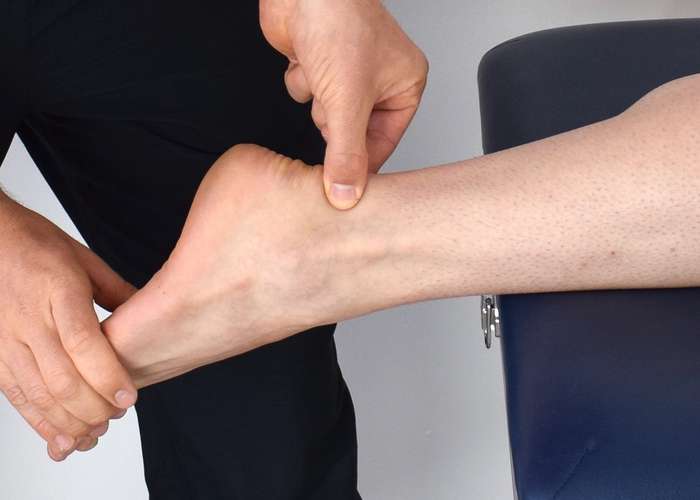
Tendonitis Dos and Don'ts: Tips and Prevention
What you should Avoid for Tendonitis

Avoid overstretching and forced movements
Tendonitis is a condition characterized by inflammation of the tendons. When dealing with tendonitis, it is crucial to be mindful of how you engage your body. One of the most important dos and don’ts in managing this condition is to not overstretch or force movements. This guideline is essential for several reasons, each contributing to effective recovery and prevention of further injury.
Understanding Tendonitis and Its Implications
Tendonitis typically arises from repetitive motion, overuse, or injury, leading to tenderness, pain, and reduced flexibility in the affected tendon. Stretching and movement are vital for maintaining flexibility and strength; however, improper techniques can exacerbate the condition.
Overstretching refers to pushing a muscle or tendon beyond its normal range of motion, which can cause further inflammation and damage. Forcing movements means engaging in activities that place undue stress on the already injured tendon, risking additional harm.
Reasons to Avoid Overstretching and Forced Movements
- Increased Pain and Discomfort: Engaging in overstretching or forced movements can lead to heightened pain levels. The inflamed tendon is already sensitive, and excessive stretching can further irritate the area, making it more difficult to manage symptoms and hindering recovery.
- Worsening Inflammation: Tendonitis is characterized by inflammation, and overstretching can exacerbate this inflammation. When you force a stretch, you may not only aggravate the existing inflammation but also create micro-tears in the tendon, leading to more severe issues and longer recovery times.
- Risk of Re-Injury: Forcing movements that stress the affected tendon can increase the likelihood of re-injury or creating new injuries in surrounding areas. The body needs time to heal, and rushing back into activities can set you back in your recovery journey.
- Decreased Healing Time: Recovery from tendonitis requires a delicate balance between movement and rest. Overstretching and forcing movements can prolong the healing process, delaying your return to normal activities and increasing the risk of chronic tendonitis.
- Altered Mechanics and Posture: Engaging in forced movements may lead to compensatory patterns in the body, where other muscles or tendons take on additional strain. This can result in altered biomechanics and posture, creating a cycle of pain and dysfunction in multiple areas of the body.
How to Stretch Safely and Effectively
To support recovery from tendonitis while still maintaining flexibility and strength, consider the following safe stretching practices:
- Gentle Stretching: Engage in gentle, controlled stretching techniques that do not push the limits of your range of motion. Aim to feel a mild stretch without pain.
- Warm Up Before Stretching: Always warm up your body before stretching to increase blood flow to the muscles and prepare the tendons for movement. Gentle activities such as walking or light cycling can be effective.
- Focus on Form: Pay attention to your form during stretches. Avoid jerky or sudden movements, and concentrate on smooth, steady stretches that allow your body to adjust.
- Listen to Your Body: Tune into how your body feels during stretches. If you experience pain or discomfort, ease off and adjust your technique. It’s crucial to respect your body’s limits, especially when healing from tendonitis.
- Consult a Professional: Working with a physical therapist can provide you with personalized stretching and strengthening exercises tailored to your condition. They can guide you in safe practices that promote recovery without the risk of overstretching or forcing movements.
Conclusion
In managing tendonitis, avoiding overstretching and forced movements is essential for recovery and long-term health. Understanding the implications of these actions allows individuals to take a proactive approach to their treatment, ensuring they are mindful of their body’s needs.
By adhering to safe stretching practices and respecting their limits, individuals can promote healing, prevent re-injury, and ultimately enhance their overall well-being.
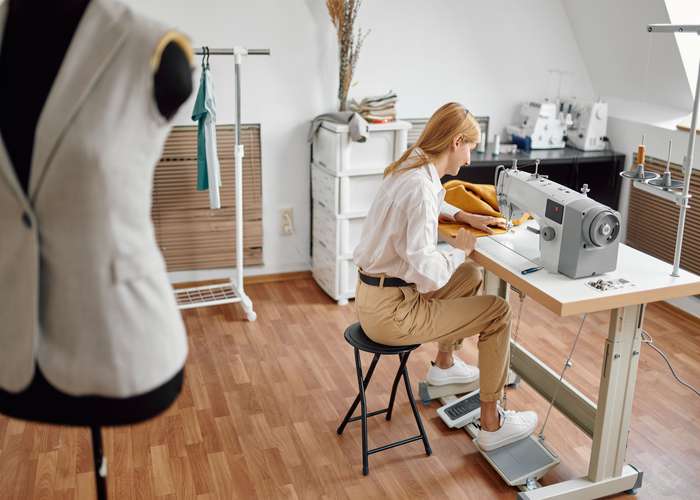
Avoid poor ergonomics
Ergonomics refers to the science of designing workspaces, products, and systems to fit the people who use them. It aims to improve comfort, efficiency, and safety in various settings, particularly in workplaces. When managing tendonitis, maintaining good ergonomics is crucial. Poor ergonomics can significantly exacerbate tendonitis symptoms, prolong recovery, and lead to additional injuries.
Understanding Poor Ergonomics
Poor ergonomics occurs when tasks, tools, and workspaces are not aligned with the user's physical capabilities and limitations. This misalignment can create unnecessary strain on tendons and muscles, leading to increased discomfort and injury risk. For individuals with tendonitis, the consequences of poor ergonomic practices can be particularly detrimental.
Reasons to Avoid Poor Ergonomics
1. Increased Strain on Affected Tendons
Poor ergonomic setups can place excessive stress on the tendons affected by tendonitis. For example, using a poorly designed chair or desk can force the body into awkward positions, leading to overexertion of specific muscle groups and increasing the risk of aggravating the condition.
2. Poor Posture
Ergonomic deficiencies often lead to poor posture, which can create additional tension in muscles and tendons. Slouching or leaning forward while working can place extra strain on the shoulders, neck, wrists, and lower back, all of which can contribute to the worsening of tendonitis symptoms.
3. Repetitive Movements
Jobs or tasks that require repetitive motions—especially without proper ergonomic considerations—can further irritate already inflamed tendons. For instance, typing on a keyboard that is not at the correct height can lead to wrist and forearm strain, exacerbating conditions like tendinitis in the elbow (tennis elbow) or wrist (De Quervain's tenosynovitis).
4. Lack of Support
Ergonomically designed furniture and tools provide the necessary support for the body during various activities. Without this support, individuals may unknowingly adopt positions that contribute to strain on their tendons, leading to increased pain and discomfort.
5. Reduced Blood Flow
Poor ergonomic practices can hinder circulation, particularly in areas affected by tendonitis. Restricted blood flow can slow down the healing process and increase the likelihood of chronic inflammation.
Tips for Improving Ergonomics
To manage tendonitis effectively, it’s essential to adopt good ergonomic practices. Here are some tips to help improve ergonomics in your daily life:
1. Adjust Your Workspace
Ensure your workstation is set up to promote good posture. Your chair should support your lower back, and your desk height should allow your elbows to be at a 90-degree angle while typing. Your computer screen should be at eye level to reduce neck strain.
2. Use Ergonomic Tools
Invest in ergonomic tools, such as keyboards, mice, and wrist supports designed to minimize strain on the wrists and forearms. These tools can help maintain a more neutral wrist position, reducing the risk of exacerbating tendonitis.
3. Incorporate Breaks
Take regular breaks to stand up, stretch, and move around. Frequent breaks help prevent stiffness and reduce the risk of repetitive strain injuries. Aim to change positions or perform gentle stretches every 30 to 60 minutes.
4. Practice Good Lifting Techniques
When lifting heavy objects, use proper body mechanics. Bend at the knees instead of the waist, keeping the object close to your body. This technique helps distribute weight evenly and minimizes strain on the tendons.
5. Seek Professional Guidance
Consider consulting with an ergonomic specialist or physical therapist who can assess your workspace and provide tailored recommendations to improve your ergonomics. They can offer strategies specific to your needs and help you develop an ergonomic setup that supports your recovery.
Conclusion
Avoiding poor ergonomics is essential for managing tendonitis and promoting recovery. By creating an ergonomic workspace and adopting proper practices, individuals can minimize strain on their tendons, alleviate pain, and enhance overall well-being. Taking proactive steps to ensure good ergonomics not only helps in managing tendonitis but also contributes to long-term musculoskeletal health.



Success! Thank you for your comment.