






Stress Dos and Don'ts: Tips and Prevention
What you should Do for Stress

Learn to relax
Learning to relax is a powerful tool for managing and reducing stress. Effective relaxation techniques can help calm the mind, lower stress hormones, and enhance overall well-being. Incorporating relaxation practices into your daily routine can provide significant benefits in coping with stress and maintaining emotional balance.
The Importance of Relaxation in Stress Management
When we encounter stress, our body's natural response is to activate the "fight or flight" mechanism, leading to increased heart rate, muscle tension, and heightened alertness. While this response is beneficial in short-term stressful situations, chronic activation can lead to physical and emotional exhaustion. Learning to relax helps counteract these effects by engaging the body’s parasympathetic nervous system, which promotes relaxation and recovery.
How Relaxation Techniques Help Reduce Stress
- Lowering Stress Hormones: Relaxation techniques help reduce the production of stress hormones like cortisol. By engaging in relaxation practices, you can lower cortisol levels, which alleviates the physical symptoms of stress and enhances overall emotional well-being.
- Improving Emotional Resilience: Regular relaxation practices contribute to better emotional resilience by calming the mind and allowing you to manage stressors more effectively. Techniques such as deep breathing and progressive muscle relaxation help foster a sense of calm and control.
- Enhancing Physical Health: Relaxation techniques can reduce physical symptoms of stress, such as muscle tension, headaches, and digestive issues. Practices like yoga and tai chi combine gentle movement with deep breathing, improving physical health and reducing stress.
- Boosting Mental Clarity: Engaging in relaxation exercises can clear the mind and improve focus. Techniques such as meditation and mindfulness help in achieving mental clarity, allowing for better decision-making and problem-solving during stressful situations.
Effective Relaxation Techniques
- Deep Breathing: Deep breathing exercises involve taking slow, deep breaths to help calm the nervous system and reduce stress. This technique helps lower heart rate and blood pressure, promoting a state of relaxation.
- Progressive Muscle Relaxation: This technique involves tensing and then slowly releasing different muscle groups to reduce physical tension and promote relaxation. It helps in identifying and alleviating areas of stress in the body.
- Meditation: Meditation involves focusing the mind and eliminating distractions to achieve a state of calm and mindfulness. Regular meditation practice can help in managing stress and improving overall mental well-being.
- Tai Chi: Tai Chi is a gentle martial art that involves slow, deliberate movements and deep breathing. It helps reduce stress, improve balance, and enhance relaxation.
- Visualization: Visualization techniques involve imagining peaceful and calming scenes to promote relaxation. By focusing on positive mental images, you can create a sense of calm and reduce stress.
Incorporating Relaxation into Daily Life
To maximize the benefits of relaxation techniques, it’s important to incorporate them into your daily routine. Set aside time each day for relaxation practices, and experiment with different techniques to find what works best for you. Consistency is key, as regular practice helps in building resilience to stress and enhancing overall well-being.
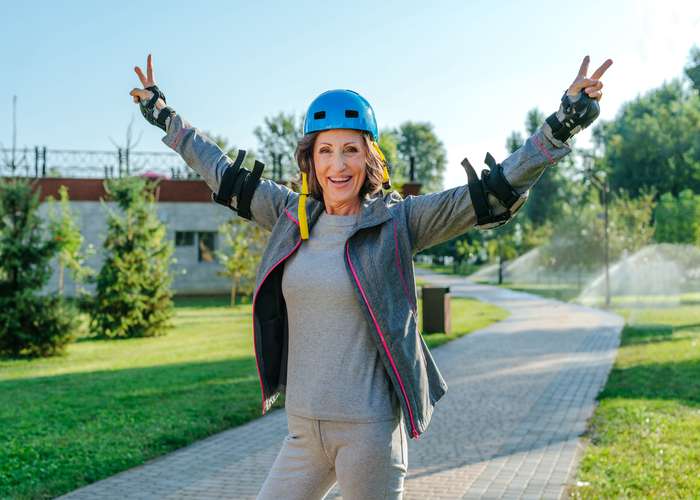
Take time for yourself
Taking time for yourself is a vital practice in managing and reducing stress. In our fast-paced lives, it’s easy to become overwhelmed by daily responsibilities and pressures. Carving out moments for leisure and self-care not only provides a much-needed break but also contributes significantly to emotional and mental well-being.
The Importance of Taking Time for Yourself
Engaging in activities that bring joy and relaxation helps to break the cycle of stress and burnout. When you make time for yourself, you create opportunities to recharge and rejuvenate, which enhances your ability to handle stress more effectively. This practice is crucial for maintaining a healthy balance between work, responsibilities, and personal enjoyment.
Benefits of Taking Time for Yourself
- Reduces Stress Levels: Taking breaks and engaging in leisure activities helps lower cortisol levels, the stress hormone. By disconnecting from daily stressors, you allow your mind and body to relax, reducing overall stress levels.
- Enhances Emotional Well-Being: Doing things you enjoy, such as spending time with friends or pursuing hobbies, boosts your mood and provides a sense of fulfillment. This positive emotional state helps in managing stress more effectively.
- Improves Mental Clarity: Time spent on enjoyable activities allows your mind to rest and clear away mental clutter. This mental break can improve focus, decision-making, and problem-solving abilities when you return to daily tasks.
- Strengthens Relationships: Spending quality time with friends and loved ones fosters strong social connections, which can provide support and reduce feelings of isolation. Healthy relationships are an important buffer against stress.
Activities to Incorporate into Your Routine
- Hang Out with Friends: Social interactions and meaningful conversations with friends provide emotional support and can help you unwind. Sharing experiences and laughter with others is a great way to reduce stress.
- Walk on the Beach: Taking a walk along the beach or in nature allows you to connect with the environment and experience tranquility. The combination of fresh air, physical activity, and natural beauty can be highly stress-relieving.
- Listen to Music: Music has a powerful impact on mood and can help calm your mind. Listening to your favorite tunes or relaxing music can create a soothing atmosphere and alleviate stress.
- Read Entertaining Books: Immersing yourself in a good book provides an escape from daily pressures and stimulates your imagination. Reading for pleasure helps relax the mind and offers a temporary break from stressors.
- Engage in Hobbies: Whether it's painting, gardening, cooking, or any other activity you enjoy, hobbies provide a creative outlet and a sense of accomplishment. Engaging in activities purely for enjoyment helps maintain a positive outlook and reduces stress.
Making Time for Yourself a Priority
To effectively manage stress, it’s essential to make self-care a regular part of your routine. Schedule time for leisure and relaxation, and treat it as a non-negotiable commitment. Establishing boundaries between work and personal time ensures you have space for activities that bring joy and relaxation.

Get enough sleep
Sleeping 7 to 9 hours every night is very important to reduce stress levels because proper sleep allows the brain to rest and recover, which helps regulate emotions and reduce anxiety. Adequate sleep supports the body’s stress response by lowering cortisol levels, the stress hormone, and maintaining a balance of neurotransmitters like serotonin and dopamine.
Additionally, during sleep, particularly in the REM stage, the brain processes and consolidates emotional experiences, which helps to better manage stress and respond more positively to challenges. Quality sleep also enhances cognitive functions such as concentration, decision-making, and problem-solving, contributing to better stress management.
Proper sleep restores the balance of neurotransmitters like serotonin and dopamine, which are crucial for maintaining a stable mood. As a result, getting enough sleep makes you feel more refreshed, calm, and better equipped to deal with emotional challenges.
On the other hand, lack of sleep raises cortisol levels, making it harder for you to cope with daily life requirements as you may become more emotional and sensitive. This can get you into a vicious cycle in which poor sleep leads to more stress and anxiety, which in turn disrupts your sleep further.
Recommended Sleep Durations:
Adults: 7-9 hours per night
Teenagers: 8-10 hours per night
Children: 9-11 hours per night
Tips for Improving Sleep Quality:
- Maintain a Consistent Sleep Schedule: Going to bed and waking up at the same time every day helps regulate your body’s internal clock.
- Create a Relaxing Bedtime Routine: Engage in calming activities before bed to signal your body that it’s time to wind down.
- Limit Exposure to Screens: Reduce screen time before bed to avoid interference with melatonin production.
- Optimize Your Sleep Environment: Ensure your bedroom is cool, dark, and quiet for better sleep quality.


Stress Prevention Forum
Always respect others and address them in a professional manner. Please remain authentic and objective.Aposbook does not endorse any comment and is not responsible for any wrong information provided by users.


Success! Thank you for your comment.