





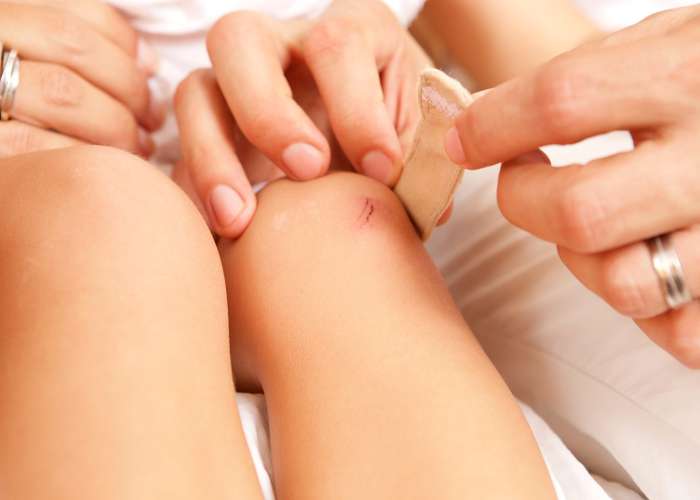
Skin Wounds: Dos and Don'ts for Faster Healing
What you should Do for Skin Wound
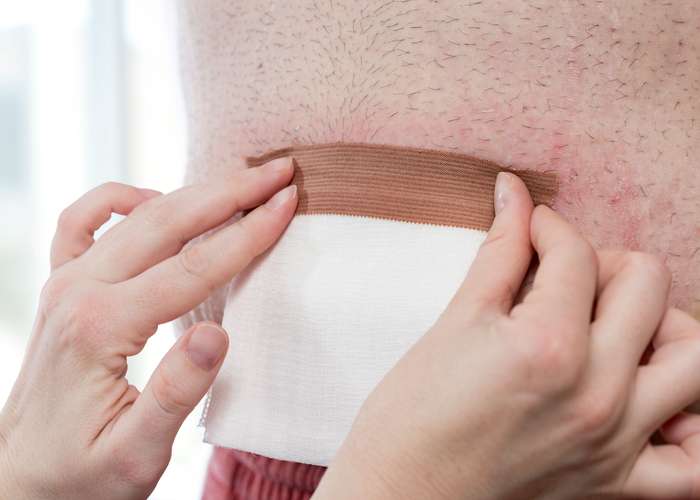
Use bandage
Covering wounds is a fundamental aspect of effective wound care that plays a crucial role in promoting healing and preventing complications. Properly dressing a wound not only protects it from infection but also creates an optimal environment for recovery. Understanding the best practices for wound coverage can significantly impact healing outcomes and overall skin health.
Benefits of Covering Wounds
- Infection Prevention: Covering wounds protects them from bacteria, dirt, and other contaminants that could lead to infection. This is especially important for open or deep wounds.
- Moisture Retention: A covered wound maintains a moist environment, which is essential for faster healing and reduced scarring. A moist environment helps skin cells migrate and regenerate more effectively.
- Reduced Pain and Discomfort: Covering a wound minimizes exposure to external irritants, such as clothing and air, which can cause pain and discomfort.
- Protection from External Factors: Bandages shield wounds from physical trauma and environmental elements, such as UV radiation and temperature fluctuations.
How to Properly Cover a Wound
- Clean the Wound: Before applying a bandage, gently clean the wound with mild soap and water to remove any dirt or debris. Pat it dry with a clean cloth or sterile gauze.
- Apply an Antibiotic Ointment: If recommended, apply a thin layer of antibiotic ointment to help prevent infection.
- Choose the Right Bandage: Select a bandage that suits the type and location of the wound. Options include:
- Adhesive Bandages: Best for small cuts and scrapes.
- Gauze Pads with Tape: Ideal for larger or deeper wounds.
- Hydrocolloid Dressings: These provide a moist environment and are suitable for blisters and minor burns.
- Secure the Bandage: Ensure the bandage adheres well without being too tight, as this can restrict blood flow.
How to Change a Bandage
- Frequency of Change: Change the bandage at least once a day or whenever it becomes wet or dirty.
- Gently Remove the Old Bandage: Carefully peel off the old bandage, avoiding any pulling that could disrupt healing tissue.
- Clean the Wound Again: After removing the bandage, clean the wound again as described above before applying a new one.
- Reapply a New Bandage: Follow the same steps for covering the wound, ensuring it is securely in place.
Signs that a Bandage Should Be Changed
- Increased Drainage: If you notice excessive bleeding or fluid oozing from the wound, it's time to change the bandage.
- Odor: A foul smell can indicate an infection, and the bandage should be changed immediately.
- Redness and Swelling: These can be signs of infection; consult a healthcare professional if they persist.
Conclusion
Covering wounds is essential for effective healing and infection prevention. By following best practices for cleaning and applying bandages, individuals can ensure their wounds are well protected. Regularly changing the bandage allows for optimal care and monitoring of the wound’s healing progress.
Disclaimer: The information in this article is based on research and published medical sources. It is provided for educational purposes only, and is not intended to replace professional medical advice. Always consult with your doctor or healthcare provider regarding any questions you may have about your health. We are not responsible for any actions taken based on the information in this article.
October 2024
AposBook
What you should Avoid for Skin Wound
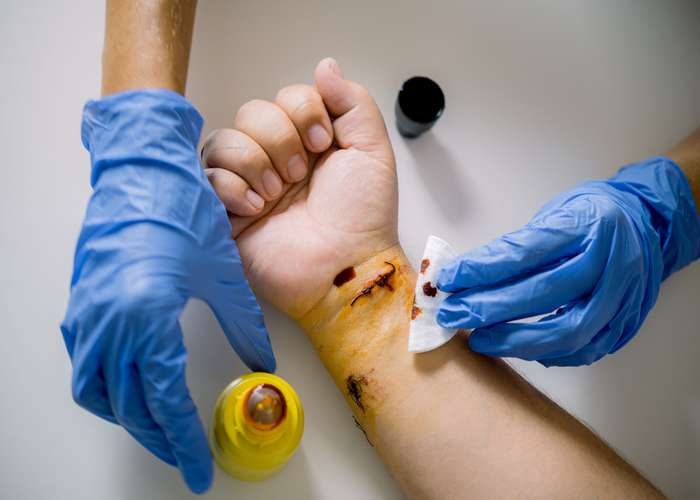
Avoid water and humidity
Covering wounds is essential for effective healing and preventing complications. A common question that arises in wound care is whether or not water exposure should be avoided. While gentle cleaning with water can be beneficial for initial wound care, excessive water exposure and humidity pose risks that can impede the healing process. Understanding when and how to clean wounds properly is crucial for optimal recovery.
Why Water Exposure Should Be Avoided
- Risk of Infection: One of the primary concerns with submerging a wound in water is the introduction of bacteria and pathogens. Pools, bathtubs, and other bodies of water can harbor harmful microorganisms that increase the likelihood of infection. Keeping a wound dry protects it from these potential contaminants.
- Delayed Healing: Prolonged moisture from water exposure can slow down the healing process. Excessive moisture may affect cellular function and the integrity of the tissue, making it more difficult for the body to repair the wound effectively.
- Skin Irritation: Excessive water exposure can lead to skin maceration, where the skin becomes overly soft and fragile. This condition can increase the sensitivity of the surrounding area, making the wound more vulnerable to further injury or infection. Additionally, high humidity can exacerbate these issues by keeping the wound area moist, which can delay healing and promote infection.
Cleaning a Wound with Water
While it is important to avoid prolonged exposure to water, cleaning a wound initially with clean, running water is often recommended. Here’s how to approach it:
1. Initial Cleaning: Gently rinse the wound under clean, running water to remove dirt and debris. This step is essential for minimizing the risk of infection by clearing away potential contaminants.
2. Immediate Drying: After rinsing, it’s crucial to gently pat the wound dry with a clean towel or gauze. This helps to prevent excess moisture that can impede healing.
3. Alternative Cleaning Solutions: In addition to regular water, you may consider using oxygenated water as a cleaning option. It not only helps cleanse the wound but also has antimicrobial properties, which can further protect against infection. Saline solution or antiseptic wipes are also viable alternatives for wound cleaning, especially if you want to avoid water exposure after the initial rinse.
When Water Exposure is Appropriate
There may be specific situations where limited water exposure is permissible. For instance, once a wound is nearing the end of the healing process, gentle washing may be acceptable. However, this should still be approached with caution to avoid disrupting the healing tissue.
Conclusion
In conclusion, while gentle rinsing with water is beneficial for cleaning a wound, prolonged exposure to water and humidity should generally be avoided to prevent complications such as infection and delayed healing. Understanding the proper techniques for wound cleaning, including the use of oxygenated water and immediate drying, can significantly enhance recovery outcomes. Always consult with a healthcare professional if you have any doubts or concerns about wound care.
Disclaimer: The information in this article is based on research and published medical sources. It is provided for educational purposes only, and is not intended to replace professional medical advice. Always consult with your doctor or healthcare provider regarding any questions you may have about your health. We are not responsible for any actions taken based on the information in this article.
October 2024
AposBook
Prevention library Skin Wound
- Show only
- Articles
- Videos

No material available on this topic. You can add relevant content by using the "Add content" option. Together, we can help people and promote knowledge.
Skin Wound Prevention Forum
Always respect others and address them in a professional manner. Please remain authentic and objective.Aposbook does not endorse any comment and is not responsible for any wrong information provided by users.


Success! Thank you for your comment.