






Skin Disorders Dos and Don'ts: Tips and Prevention
What you should Do for Skin Disorders
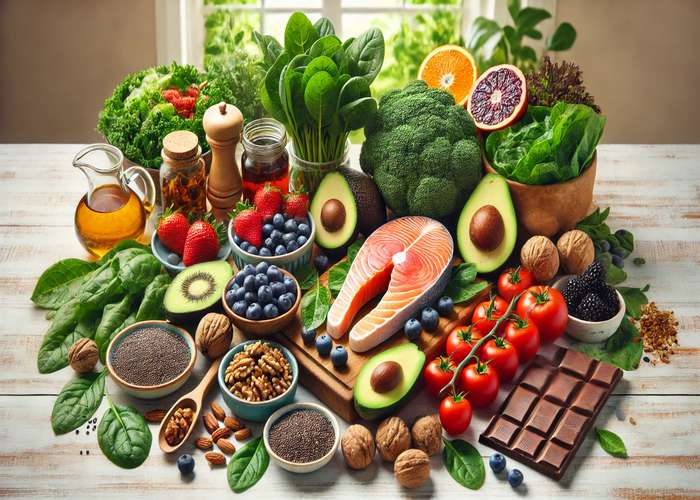
Foods to eat
Diet plays a crucial role in the health and appearance of your skin. Certain foods can promote skin repair, reduce inflammation, and provide essential nutrients that keep the skin barrier strong. Incorporating skin-friendly foods into your diet can help manage and alleviate symptoms of common skin disorders such as acne, eczema, and psoriasis.
- Fatty Fish (Salmon, Mackerel, Sardines): Fatty fish are rich in omega-3 fatty acids, which have powerful anti-inflammatory properties. Omega-3s help maintain skin hydration, reduce inflammation associated with conditions like eczema and psoriasis, and can even reduce redness and acne by regulating oil production. Regular consumption of fatty fish supports skin cell membranes, making the skin more resilient and glowing.
- Leafy Greens (Spinach, Kale): Leafy greens are loaded with vitamins, minerals, and antioxidants that protect the skin from oxidative stress and promote healing. Spinach and kale are especially rich in Vitamin A, which helps regenerate skin cells, and Vitamin C, which boosts collagen production. These nutrients are essential for preventing premature aging and supporting skin repair from conditions like dermatitis and acne.
- Berries (Blueberries, Strawberries): Berries are packed with antioxidants, especially vitamin C, which helps neutralize free radicals that can damage skin cells. Vitamin C also promotes collagen synthesis, improving skin elasticity and aiding in the healing of damaged skin caused by conditions like eczema or acne. The anti-inflammatory properties of berries can also help reduce skin redness and puffiness.
- Avocados: Avocados are rich in healthy fats, particularly monounsaturated fats, which help moisturize the skin and strengthen the skin's natural barrier. They also contain vitamins E and C, both of which are crucial for protecting the skin from oxidative damage and improving skin texture. These properties make avocados an excellent food for people with dry skin disorders like eczema.
- Nuts and Seeds (Walnuts, Flaxseeds, Chia Seeds): Nuts and seeds are great sources of omega-3 fatty acids and zinc, both of which are essential for maintaining healthy skin. Walnuts, flaxseeds, and chia seeds, in particular, provide anti-inflammatory omega-3s that reduce irritation and dryness, while zinc helps repair damaged skin tissues and fight bacteria, making them beneficial for acne and other inflammatory skin conditions.
- Sweet Potatoes: Sweet potatoes are high in beta-carotene, a precursor to Vitamin A, which helps maintain skin health by protecting it from sun damage and promoting cell turnover. This nutrient is especially beneficial for preventing and healing skin damage associated with disorders like psoriasis and eczema, where skin turnover is disrupted.
- Green Tea: Green tea is rich in catechins, which are powerful antioxidants known to reduce inflammation and protect the skin from environmental stressors like UV damage. Drinking green tea regularly can help improve skin hydration, reduce redness, and prevent flare-ups of conditions like acne and rosacea.
- Tomatoes: Tomatoes are an excellent source of lycopene, an antioxidant that helps protect the skin from sun damage and promotes healthy skin renewal. Regular consumption of tomatoes can prevent premature aging and help in reducing the appearance of scars or pigmentation caused by skin disorders.
- Bell Peppers: Bell peppers, particularly red and yellow, are loaded with Vitamin C and carotenoids, which are essential for collagen production and skin elasticity. The anti-inflammatory properties of bell peppers can help calm irritated skin and support healing in conditions like eczema and acne.
- Dark Chocolate: Rich in flavonoids, dark chocolate can improve blood flow to the skin, protect against UV damage, and improve skin hydration. The antioxidants in dark chocolate help reduce inflammation, making it a great treat for people dealing with skin conditions that cause dryness or redness.
What you should Avoid for Skin Disorders
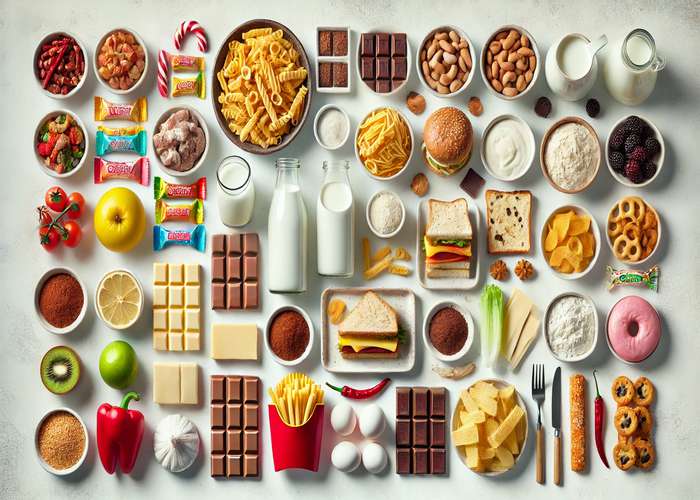
Foods to avoid
What you eat has a significant impact on the health of your skin. While skincare routines and treatments play a key role in managing skin conditions like acne, eczema, and psoriasis, the foods you consume can either improve or aggravate these issues.
Certain foods can trigger inflammation, increase oil production, or disrupt hormonal balance, all of which can worsen skin disorders. By avoiding specific foods that are known to irritate or inflame the skin, you can help reduce symptoms and support clearer, healthier skin from the inside out.
Below is a list of some of the main foods to avoid:
- Sugary Foods: Sugary foods cause rapid spikes in insulin, which increases inflammation in the body. This inflammation can lead to acne breakouts and worsen conditions like eczema. Additionally, sugar accelerates the breakdown of collagen, contributing to premature aging and skin sagging. People prone to acne or sensitive skin should limit sugary treats like candy, pastries, and soda.
- Dairy Products: Dairy, especially cow's milk, can trigger acne by increasing insulin-like growth factor (IGF-1) and oil production. The hormones in milk may overstimulate the sebaceous glands, clogging pores and leading to breakouts. Dairy can also provoke inflammation in sensitive individuals, making it a potential trigger for eczema flare-ups. Examples include milk, cheese, and yogurt.
- Fried Foods: Foods fried in unhealthy oils, such as those rich in trans fats, promote inflammation and oxidative stress, which can aggravate acne, psoriasis, and other inflammatory skin conditions. Fried foods also affect blood circulation, preventing essential nutrients and oxygen from reaching the skin. Common culprits include French fries, fried chicken, and doughnuts.
- Processed Carbohydrates: Processed carbohydrates like white bread and pasta have a high glycemic index, meaning they cause a rapid increase in blood sugar. This leads to increased sebum production and clogged pores, worsening acne. For people with conditions like eczema or rosacea, the inflammation triggered by processed carbs can exacerbate symptoms.
- High-Sodium Foods: Foods high in sodium lead to water retention, which manifests as puffiness, particularly around the eyes. Excess salt also dehydrates the skin, increasing the risk of irritation and dryness, especially for those with conditions like eczema. Salty snacks, processed meats, and canned soups are some examples of foods to limit.
- Spicy Foods: Spicy foods can cause inflammation and heat in the body, worsening conditions like rosacea and acne. These foods may dilate blood vessels, leading to increased redness, particularly for people with sensitive skin or pre-existing skin issues. Hot peppers, chili sauces, and dishes with heavy spices can be problematic.
- Gluten: For individuals with gluten sensitivity or celiac disease, consuming gluten can trigger inflammation in the skin. This may cause or worsen conditions like dermatitis herpetiformis, eczema, and psoriasis. Gluten is commonly found in products made with wheat, barley, and rye, such as bread, pasta, and baked goods.
- Chocolate: Chocolate, particularly varieties high in sugar and dairy, can increase sebum production and inflammation, contributing to acne. The combination of fats and sugars in milk chocolate can exacerbate breakouts for people already prone to acne or oily skin.
- Artificial Additives and Preservatives: Artificial colors, flavors, and preservatives in processed foods can trigger allergic reactions or increase inflammation, leading to rashes, hives, or eczema flare-ups. Highly processed snacks, candies, and ready-to-eat meals containing these chemicals are common sources of skin irritation.
Prevention library Skin Disorders
- Show only
- Articles
- Videos

No material available on this topic. You can add relevant content by using the "Add content" option. Together, we can help people and promote knowledge.
Skin Disorders Prevention Forum
Always respect others and address them in a professional manner. Please remain authentic and objective.Aposbook does not endorse any comment and is not responsible for any wrong information provided by users.


Success! Thank you for your comment.