





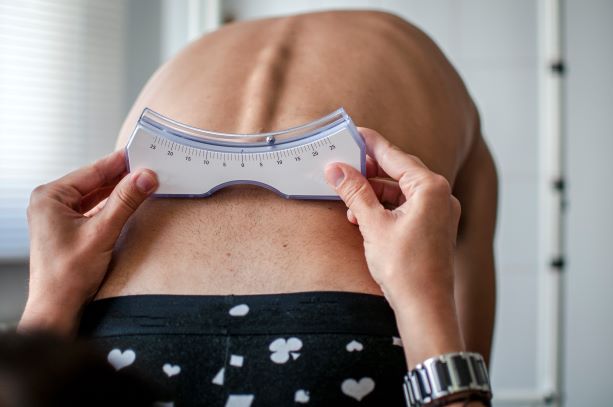
Scoliosis Dos and Don'ts: tips and lifestyle changes
What you should Do for Scoliosis
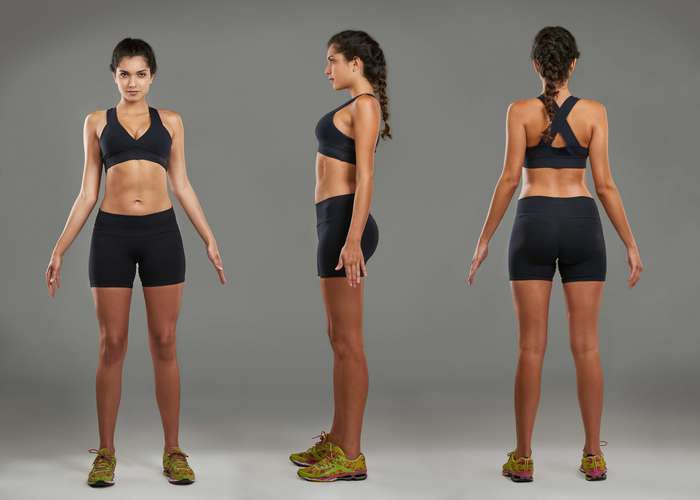
Maintain proper posture
Maintaining a proper structural alignment of the spine is crucial in preventing and managing scoliosis. A well-aligned spine helps distribute the body's weight evenly, reducing stress on the muscles and ligaments that support the spine. Poor posture, on the other hand, can lead to an imbalance in this distribution, potentially worsening scoliosis or increasing the risk of developing it. Over time, bad posture can place unnecessary pressure on specific areas of the spine, encouraging the curvature associated with scoliosis.
How to Maintain a Good Posture?
Here’s how you can maintain a proper spinal structure:
- Ergonomic Chairs and Workspaces: Use chairs with good lumbar support that encourage natural spinal alignment. Position computer screens at eye level to avoid hunching or leaning forward, and adjust your desk height so your arms rest comfortably at a 90-degree angle.
- Back Braces (if prescribed): For individuals already diagnosed with scoliosis, a doctor may recommend a back brace, particularly for younger patients. Bracing helps maintain the spine’s structure during growth phases, preventing the curvature from worsening.
- Core Strengthening Exercises: Strengthening core muscles through exercises like Pilates or yoga helps support the spine's natural curvature. A strong core minimizes pressure on the spine and maintains its proper alignment during everyday activities.
- Postural Correction Tools: Wearables such as posture correctors, which gently pull your shoulders back, can help reinforce proper posture. These tools can be helpful reminders to stay aligned throughout the day.
- Proper Pillow and Mattress: A firm mattress and supportive pillows can help maintain proper spine alignment while you sleep. Sleeping on your back or side, with a pillow to support the neck and shoulders, is ideal for maintaining spine health.
- Physical Therapy and Posture Training: A physical therapist can guide you in specific posture training exercises designed to strengthen back muscles and correct misalignments.
By incorporating these practices and tools into your daily routine, you can reduce stress on your spine, improve your overall posture, and prevent the progression of scoliosis.
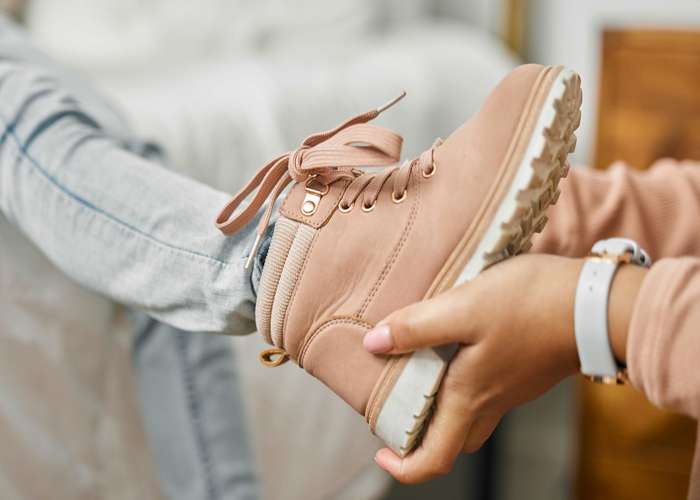
Wear supportive footwear
Wearing supportive footwear is essential for maintaining proper posture and preventing undue strain on the spine, which can influence scoliosis. The alignment of the feet and how they absorb impact directly affects the body's overall structure. Inappropriate footwear, such as high heels or flat shoes with little arch support, can misalign the pelvis and spine, causing additional stress that may worsen scoliosis.
Here’s how supportive footwear helps and what to look for:
- Arch Support: Proper arch support stabilizes the feet and ensures even weight distribution across the body. Shoes with good arch support help maintain alignment between the feet, legs, hips, and spine, reducing strain on the lower back, which is crucial for scoliosis management.
- Cushioned Insoles: Look for shoes with cushioned soles to absorb shock during walking or standing. This reduces the impact on the spine, especially in individuals with scoliosis, whose curvature might already increase the pressure on certain areas of the spine.
- Heel Height: Choose shoes with a slight heel, as completely flat shoes may lack support, leading to poor posture. However, avoid high heels, which tilt the pelvis forward and can throw the spine out of alignment.
- Custom Orthotics: If necessary, consider custom orthotics prescribed by a podiatrist. These are designed specifically for your feet and can help correct posture and alignment issues that contribute to back pain and scoliosis symptoms.
- Sturdy, Non-slip Soles: A good pair of shoes should provide stability with a firm grip on the ground. This reduces the risk of slips and falls, which can strain or injure the back, potentially aggravating scoliosis.
Investing in high-quality, supportive footwear can greatly contribute to maintaining proper spinal alignment, especially for individuals with scoliosis, who are more vulnerable to the effects of poor posture.
Prevention library Scoliosis
- Show only
- Articles
- Videos


Scoliosis Prevention Forum
Always respect others and address them in a professional manner. Please remain authentic and objective.Aposbook does not endorse any comment and is not responsible for any wrong information provided by users.


Success! Thank you for your comment.