






Psoriasis Dos and Don'ts: Tips and Prevention
What you should Do for Psoriasis
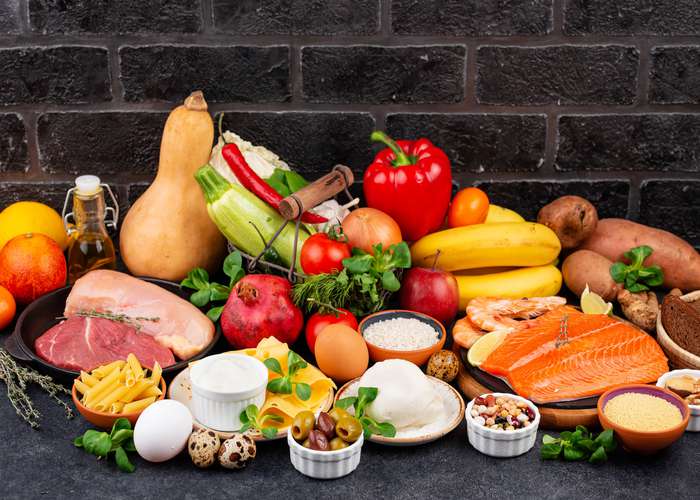
Foods to eat
Diet plays a crucial role in managing psoriasis because certain foods can help reduce inflammation, boost skin health, and strengthen the immune system. While psoriasis is an autoimmune condition that cannot be cured through diet alone, eating the right foods may help alleviate symptoms and reduce the frequency of flare-ups. Anti-inflammatory foods, rich in antioxidants, healthy fats, and essential nutrients, can support the body in managing the overactive immune response that triggers psoriasis.
Incorporating a balanced diet focused on these types of foods can be a valuable part of a comprehensive approach to managing psoriasis. Here are some foods that may help manage psoriasis symptoms by reducing inflammation and supporting skin health:
1. Fatty Fish: Fish like salmon, mackerel, sardines, and tuna are rich in omega-3 fatty acids, which have anti-inflammatory properties that can help reduce psoriasis flare-ups.
2. Leafy Greens: Spinach, kale, and other dark leafy greens contain antioxidants and vitamins that support skin health and reduce inflammation.
3. Berries: Blueberries, strawberries, and other berries are packed with antioxidants that may help reduce oxidative stress and inflammation, which can exacerbate psoriasis symptoms.
4. Olive Oil: Rich in healthy fats, olive oil can help moisturize the skin from the inside out. It also has anti-inflammatory properties that can benefit people with psoriasis.
5. Nuts and Seeds: Almonds, walnuts, flaxseeds, and chia seeds are great sources of omega-3 fatty acids and antioxidants, which may help in reducing inflammation.
6. Whole Grains: Whole grains like brown rice, quinoa, and oats are high in fiber, which can help lower inflammation and support overall health.
7. Avocados: Avocados are packed with healthy fats and vitamin E, which help nourish the skin and may reduce psoriasis-related dryness and inflammation.
8. Carrots and Sweet Potatoes: These orange-colored vegetables are rich in beta-carotene, which converts into vitamin A in the body and helps promote healthy skin.
9. Turmeric: This spice contains curcumin, a compound with strong anti-inflammatory effects that may help improve psoriasis symptoms when used in food or as a supplement.
10. Probiotic Foods: Yogurt, kefir, sauerkraut, and other fermented foods support gut health. A healthy gut microbiome may help modulate the immune system and reduce psoriasis flare-ups.
Including these foods in your diet may help improve psoriasis symptoms by reducing inflammation and supporting overall skin health. Let me know if you need more details!
What you should Avoid for Psoriasis

Foods to avoid
The foods we consume can significantly influence the severity and frequency of psoriasis flare-ups. Unhealthy foods, particularly those high in sugar, unhealthy fats, and additives, can contribute to systemic inflammation in the body, exacerbating the symptoms of this chronic autoimmune condition. Consuming a diet rich in processed and inflammatory foods can disrupt the body's natural balance, leading to increased skin irritation, redness, and discomfort.
Understanding which foods can negatively impact psoriasis is essential for developing a personalized dietary approach that promotes overall health and skin wellness. By avoiding these harmful foods, individuals with psoriasis may experience fewer flare-ups and improved skin conditions, enhancing their quality of life.
1. Processed Foods: Highly processed foods often contain unhealthy fats, sugars, and additives that can promote inflammation and negatively impact skin health.
2. Sugary Foods and Beverages: Excess sugar can lead to increased inflammation in the body. Foods like candy, soda, and pastries should be limited to help manage psoriasis.
3. Red and Processed Meats: These meats can be high in saturated fats, which may contribute to inflammation. Limiting red meat, bacon, and processed meats is advisable.
4. Dairy Products: Some individuals with psoriasis find that dairy can trigger flare-ups. Milk, cheese, and yogurt may need to be reduced or eliminated based on personal tolerance.
5. Nightshade Vegetables: Vegetables like tomatoes, peppers, eggplants, and potatoes can trigger inflammation in some people. If you notice worsening symptoms after consuming these, consider avoiding them.
6. Alcohol: Alcohol can lead to dehydration and worsen inflammation. Additionally, certain alcoholic beverages can trigger flare-ups, so moderation is key.
7. Gluten: For some individuals, gluten can trigger inflammation and worsen psoriasis symptoms. If you suspect gluten sensitivity, consult a healthcare professional before making dietary changes.
8. Fried Foods: Foods that are fried often contain unhealthy fats and oils that can promote inflammation and lead to skin issues. Opt for baked or grilled alternatives instead.
9. High-Sodium Foods: Excessive sodium intake can lead to inflammation and other health issues. Processed and canned foods often contain high levels of salt.
10. Artificial Sweeteners and Additives: Some artificial ingredients may trigger inflammation or allergic reactions. It's best to limit or avoid these ingredients for better skin health.
Prevention library Psoriasis
- Show only
- Articles
- Videos


Psoriasis Prevention Forum
Always respect others and address them in a professional manner. Please remain authentic and objective.Aposbook does not endorse any comment and is not responsible for any wrong information provided by users.


Success! Thank you for your comment.