






PMS Dos and Don'ts: Tips and Prevention
What you should Do for Premenstrual Syndrome (PMS)

Drink enough water
Staying hydrated is crucial for managing premenstrual syndrome (PMS) and alleviating its symptoms. Proper hydration can help balance the body’s processes and reduce some of the discomforts associated with PMS. Here’s how drinking water can positively impact PMS:
- Reduces Bloating: Bloating is a common symptom of PMS, often caused by fluid retention. While it may seem counterintuitive, drinking more water actually helps your body flush out excess sodium and fluids, reducing bloating and water retention.
- Eases Fatigue: PMS often brings on feelings of fatigue and low energy. Dehydration can worsen these symptoms, making you feel even more sluggish. Drinking enough water helps maintain energy levels by keeping your body’s cells hydrated and functioning properly.
- Improves Digestion: Many women experience digestive issues, such as constipation or indigestion, during PMS. Drinking plenty of water helps regulate digestion, reducing discomfort and promoting regular bowel movements.
- Alleviates Cramps: Staying hydrated can help relax muscles and prevent the severity of menstrual cramps. Proper hydration keeps the muscles, including those in the uterus, working efficiently, which may help reduce cramping.
- Enhances Mood: Dehydration can lead to irritability, headaches, and difficulty concentrating, all of which can worsen the mood swings associated with PMS. Drinking water helps maintain proper brain function, which can improve your mood and mental clarity during PMS.
How Much Water Should You Drink During PMS?
During PMS, it's recommended that women aim to drink at least 8 to 10 glasses (about 2 to 2.5 liters) of water per day. Hydration needs can vary depending on individual factors like activity level, climate, and body size, but increasing water intake can help manage PMS symptoms such as bloating, cramps, and fatigue.
Here’s how staying properly hydrated can make a difference during PMS:
- Supports Optimal Body Function: Proper hydration ensures that your organs, muscles, and digestive system work efficiently, reducing symptoms like bloating and fatigue.
- Reduces Fluid Retention: Drinking more water actually helps flush out excess salt and reduce water retention, which can relieve uncomfortable bloating.
Tips to Stay Hydrated During PMS
- Carry a Water Bottle: Always keep a reusable water bottle with you, making it easier to sip water throughout the day and track how much you’re drinking.
- Flavor Your Water: If plain water doesn’t appeal to you, try adding natural flavor enhancers like lemon, cucumber slices, or mint to make it more enjoyable.
- Set Reminders: Use an app or set alarms on your phone to remind you to drink water regularly, especially if you tend to forget to hydrate during busy days.
- Eat Water-Rich Foods: Incorporate fruits and vegetables high in water content, such as watermelon, cucumbers, oranges, and celery, into your diet. These not only help with hydration but also provide essential vitamins and minerals.
- Limit Caffeine and Sugary Drinks: Caffeine and sugary drinks can cause dehydration. Opt for herbal teas, infused water, or coconut water instead to keep your hydration levels up without the diuretic effects of caffeine.
- Drink Water Before Meals: Drinking a glass of water before meals helps keep you hydrated and may also reduce overeating by making you feel fuller, which can help manage PMS-related cravings.
- Increase Intake During Exercise: If you’re physically active or sweating more, especially during PMS, be sure to drink additional water to replenish lost fluids.
Drinking plenty of water is one of the simplest and most effective ways to reduce the severity of PMS symptoms.

Wear loose clothing
Wear loose clothing, comfortable clothing made of cotton to help absorb perspiration and make you feel fresh.

Dress in layers
Dressing in layers is a practical way to manage some of the physical discomforts associated with premenstrual syndrome (PMS). PMS can cause temperature fluctuations, making women feel overheated or cold in quick succession. Here’s how dressing in layers can help:
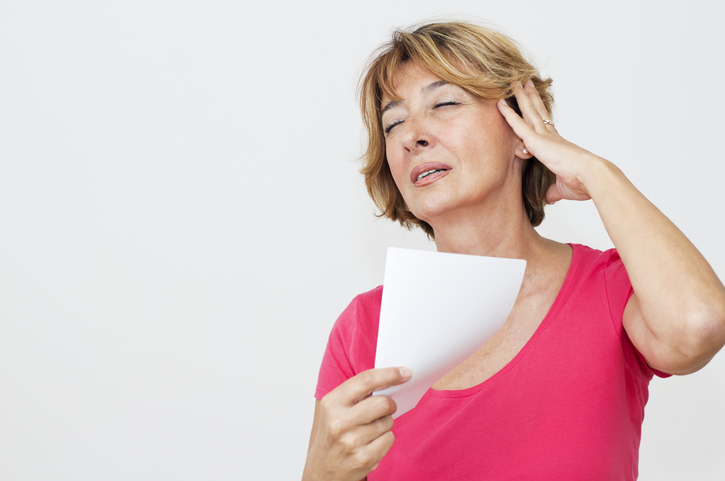
- Manage Hot Flashes and Overheating: Some women experience hot flashes or sudden warmth during PMS, even before menopause. Wearing layers allows you to remove outer clothing to cool down quickly when these heat surges strike.
- Combat Cold Sensitivity: Along with feeling overheated, PMS can also bring about moments of cold sensitivity. Keeping a light jacket or sweater in your layers allows you to stay warm and comfortable when these chills occur.
- Stay Comfortable Throughout the Day: Your body temperature may fluctuate more frequently due to hormonal changes during PMS. Dressing in layers helps you adjust to these changes and stay comfortable, whether you're at work, home, or outdoors.
Tips for Layering During PMS
- Start with Breathable Fabrics: Choose a breathable base layer made of materials like cotton to keep your skin cool and dry. Avoid heavy fabrics that trap heat and moisture.
- Add Lightweight Layers: Use lightweight, easily removable layers such as cardigans or jackets to allow quick temperature adjustments.
- Keep a Scarf or Wrap Handy: Scarves or wraps are great for adding warmth or covering up when needed without adding bulk to your outfit.
Dressing in layers helps you adapt to the temperature shifts your body might experience during PMS, allowing you to maintain comfort throughout the day.

Lower home thermostat
Lower home thermostat to keep the house cool. Use a small portable fan or open a window while you are at work.

Use lightweight blankets
Using lightweight blankets during PMS can enhance comfort and improve sleep quality. Hormonal fluctuations can cause temperature regulation issues, leading to discomfort from feeling too hot or cold. Here’s how lightweight blankets can help:
- Promotes Better Sleep: A lightweight blanket provides warmth without overheating, making it easier to find a comfortable sleeping position. This can help you achieve restful sleep, which is crucial for managing PMS symptoms.
- Helps with Temperature Regulation: Women often experience hot flashes or increased sensitivity to temperature during PMS. A lightweight blanket can offer just enough warmth while allowing for breathability, helping you stay comfortable throughout the night.
- Reduces Night Sweats: If you experience night sweats during PMS, using a lightweight blanket can prevent discomfort caused by heavy bedding. It allows for easy adjustment and can keep you cool while providing a sense of security and comfort.
- Eases Stress and Anxiety: The gentle weight of a lightweight blanket can provide a calming effect, which can be beneficial for stress and anxiety often associated with PMS. This comforting feeling can promote relaxation, helping you wind down before sleep.
Tips for Choosing Lightweight Blankets
- Material Matters: Look for breathable materials like cotton, bamboo, or linen that allow for air circulation while providing warmth. These materials help prevent overheating.
- Choose the Right Size: Select a blanket that is large enough to cover you comfortably without being cumbersome. A throw or lap blanket is often sufficient for adding light warmth.
- Consider Weighted Options: If you find comfort in the pressure of a weighted blanket, consider lightweight weighted options that can provide both warmth and soothing pressure without the bulk.
Using lightweight blankets can enhance comfort and promote better sleep during PMS, helping to alleviate symptoms such as irritability, fatigue, and mood swings.

Lose weight
Maintaining a healthy weight can help alleviate many of the uncomfortable symptoms associated with premenstrual syndrome (PMS). Excess weight can amplify hormonal imbalances, making PMS symptoms more severe. Here’s why losing weight may improve PMS:
- Regulates Hormones: Fat cells produce estrogen, and excess body fat can lead to higher estrogen levels. This hormonal imbalance can worsen PMS symptoms like bloating, breast tenderness, and mood swings. Losing weight helps regulate estrogen levels, reducing the intensity of these symptoms.
- Reduces Bloating and Water Retention: Women who are overweight may experience more bloating and water retention during PMS. Weight loss can reduce these issues, helping you feel lighter and less bloated.
- Improves Mood and Reduces Fatigue: Excess weight can contribute to low energy levels and feelings of fatigue, which are already common during PMS. Shedding extra pounds can boost energy and improve overall mood, helping to manage PMS-related emotional swings.
- Eases Cramps: Being overweight can put added pressure on the pelvic area, leading to more severe menstrual cramps. Losing weight reduces this pressure and can result in less painful cramping.
Tips for Losing Weight to Manage PMS
- Balanced Diet: Focus on nutrient-dense foods such as whole grains, lean proteins, fruits, and vegetables. Avoid processed foods high in sugar and unhealthy fats that can worsen PMS symptoms.
- Regular Exercise: Engage in consistent physical activity, aiming for at least 30 minutes most days of the week. A combination of cardio and strength training can help with both weight loss and PMS relief.
- Hydration: Drinking plenty of water helps reduce water retention and supports digestion, making it easier to manage both PMS and weight.
Losing excess weight can bring hormonal balance, reduce bloating, ease cramping, and improve mood, making PMS more manageable and less intense.

Let your body relax
Practice progressive muscle relaxation or deep-breathing exercises to help reduce PMS symptoms such as headaches, anxiety or trouble sleeping (insomnia).

Record your symptoms
Keep a record to identify the triggers and timing of your symptoms. This will help you avoid these triggers and reduce the symptoms.

Eat smaller meals
Eating smaller, more frequent meals during PMS can help manage some of the uncomfortable symptoms that come with it. Here's why this approach works:
- Prevents Bloating: PMS often causes bloating and indigestion. Eating large meals can make this worse by overloading your digestive system. Smaller meals are easier to digest and can help prevent bloating.
- Manages Blood Sugar Levels: Hormonal fluctuations during PMS can cause blood sugar levels to swing, leading to mood changes, irritability, and fatigue. Eating smaller meals throughout the day helps stabilize blood sugar levels and prevent crashes that contribute to PMS symptoms.
- Reduces Cravings: Frequent small meals can also help control cravings and overeating, both of which are common during PMS. By keeping your hunger in check, you’re less likely to reach for unhealthy snacks that may worsen symptoms.
Tips for Eating Smaller Meals During PMS
- Eat Every 3-4 Hours: Instead of three large meals, aim to eat a small, balanced meal or snack every few hours to keep your energy and blood sugar levels stable.
- Focus on Nutrient-Dense Foods: Choose foods high in fiber, protein, and healthy fats, like fruits, vegetables, whole grains, nuts, and lean proteins. These foods provide sustained energy and help prevent overeating.
- Avoid Processed Foods: Skip foods high in sugar, salt, and unhealthy fats, which can worsen PMS symptoms like bloating and mood swings.
Eating smaller, balanced meals throughout the day can help alleviate common PMS symptoms like bloating, cravings, and mood swings, helping you feel more balanced and in control during this time.

Get enough sleep
Adequate sleep plays a crucial role in managing premenstrual syndrome (PMS). Hormonal changes during PMS can disrupt sleep patterns, and lack of sleep can make symptoms like mood swings, fatigue, and irritability worse. Ensuring you get enough rest helps your body cope with PMS more effectively.
- Regulates Mood: Sleep is essential for emotional regulation. Without enough rest, you're more likely to experience heightened irritability, anxiety, or depression during PMS. Getting a full night’s sleep helps balance your emotions and reduces mood swings.
- Reduces Fatigue: Fatigue is a common symptom of PMS, and poor sleep can make it even worse. Quality rest helps your body recover and feel more energized throughout the day, counteracting PMS-related tiredness.
- Helps with Cravings and Appetite Control: Lack of sleep can affect hormones that control hunger, making you more likely to crave unhealthy foods. Getting enough sleep helps regulate these hormones and prevents overeating, which can worsen PMS symptoms like bloating and weight gain.
- Balances Hormones: Sleep is crucial for maintaining balanced hormone levels, including estrogen and progesterone, which fluctuate during the menstrual cycle. Better sleep helps your body regulate these hormones, minimizing the severity of PMS symptoms.
Tips for Better Sleep During PMS
Establish a Sleep Routine: Go to bed and wake up at the same time every day to regulate your internal clock.
- Limit Screen Time Before Bed: Reduce exposure to screens at least an hour before sleep, as the blue light from devices can interfere with melatonin production, making it harder to fall asleep.
- Create a Relaxing Environment: Keep your bedroom cool, dark, and quiet. Consider using calming techniques such as meditation or light stretching before bed to relax your mind and body.
- Avoid Caffeine and Heavy Meals: Cut back on caffeine in the late afternoon and avoid heavy meals right before bedtime, both of which can disrupt your sleep.
Getting enough sleep not only improves mood and energy levels but also helps regulate hormones, reduces cravings, and minimizes fatigue, making PMS easier to manage.

Exercise regularly
Regular exercise is one of the most effective natural ways to alleviate premenstrual syndrome (PMS) symptoms. Physical activity benefits both your physical and mental well-being during PMS, helping you cope with its wide range of discomforts.
- Boosts Mood: Exercise increases the release of endorphins, which are natural mood enhancers. This can help combat the irritability, anxiety, and mood swings that often accompany PMS.
- Reduces Cramps and Bloating: Physical activity improves circulation and can help relax the muscles, reducing cramps and bloating that many women experience during PMS.
- Increases Energy Levels: Fatigue is a common PMS symptom, but regular exercise boosts energy and reduces feelings of sluggishness by improving blood flow and promoting better sleep patterns.
- Eases Stress: Exercise acts as a natural stress reliever, which is especially important during PMS when hormonal changes can make you more sensitive to stress.
- Helps with Weight Management: Weight fluctuations and water retention during PMS can lead to discomfort. Regular exercise helps maintain a healthy weight and reduces water retention, relieving the sensation of heaviness or bloating.
Tips for Exercising During PMS
- Low-Impact Activities: If you're feeling tired or crampy, opt for gentle exercises like walking, swimming, or yoga. These activities help without placing too much strain on your body.
- Strength Training: Incorporating light strength training can help ease muscle tension and boost energy levels.
- Consistency is Key: Aim for at least 30 minutes of exercise most days of the week to maintain the benefits. Regular activity over time is more effective than intense bursts.
Regular exercise not only improves physical health but also significantly reduces PMS symptoms, helping to manage mood swings, cramps, bloating, and fatigue.
What you should Avoid for Premenstrual Syndrome (PMS)

Avoid food with chemicals
Managing premenstrual syndrome (PMS) can be challenging, especially when considering the various factors that can influence symptoms. One effective strategy is to avoid foods that contain harmful chemicals and additives. Here’s why this approach can be beneficial for women experiencing PMS.
Understanding Food Additives and Their Impact
Food additives are substances added to enhance flavor, appearance, or preservation. Common additives include artificial colors, flavors, sweeteners, and preservatives. While these ingredients may improve shelf life and taste, they can have negative effects on health, particularly for women with PMS.
- Hormonal Disruption: Many food additives can disrupt the delicate balance of hormones in the body. Hormonal fluctuations are a significant contributor to PMS symptoms, so consuming foods laden with additives can exacerbate issues like mood swings, irritability, and breast tenderness.
- Inflammatory Responses: Certain additives can trigger inflammatory responses in the body. Inflammation is linked to a range of PMS symptoms, including cramping, bloating, and fatigue. By avoiding processed foods with these additives, women can reduce overall inflammation and improve their comfort levels during PMS.
The Role of Chemicals in Specific Foods
In addition to additives, certain foods contain naturally occurring chemicals that can trigger symptoms associated with PMS.
- Tyramine: Found in aged cheeses, cured meats, and red wine, tyramine can lead to headaches and exacerbate mood swings. This chemical affects the body’s neurotransmitters and can trigger vasodilation, which may lead to hot flashes and increased sensitivity.
- Histamine: Foods such as chocolate, fermented products, and certain alcoholic beverages contain histamine, which can influence temperature regulation and contribute to feelings of anxiety and discomfort. Elevated histamine levels can worsen PMS symptoms, particularly for women who are already sensitive to these fluctuations.
Benefits of Choosing Whole Foods
Opting for whole, unprocessed foods is one of the best strategies for managing PMS. Here’s how it can help:
- Balanced Nutrients: Whole foods, such as fruits, vegetables, whole grains, and lean proteins, provide essential nutrients that support hormonal balance. Vitamins and minerals like magnesium, calcium, and B vitamins are crucial for regulating mood and reducing the severity of PMS symptoms.
- Reduced Inflammation: Whole foods are generally lower in inflammatory agents compared to processed foods. Eating a diet rich in anti-inflammatory foods can help alleviate bloating, cramps, and general discomfort during PMS.
- Better Mood Stability: Foods rich in omega-3 fatty acids, such as fatty fish, walnuts, and flaxseeds, can improve mood and reduce anxiety. These nutrients have been shown to support brain health and emotional well-being, providing a natural approach to managing PMS.
Avoiding foods with harmful chemicals and additives is a valuable recommendation for women seeking to manage PMS effectively. By opting for whole, unprocessed foods and being mindful of specific chemicals in foods, women can take proactive steps toward reducing symptoms like mood swings, bloating, and hot flashes. A balanced diet not only supports overall health but also enhances the quality of life during the challenging days leading up to menstruation.

Avoid smoking
Smoking can significantly worsen PMS symptoms, making an already uncomfortable time even more difficult. Women who smoke often experience more severe PMS symptoms, as smoking interferes with hormone balance and overall health. This is how smoking negatively affects PMS and aggravates existing symptoms:
- Increases Cramping: Smoking restricts blood vessels, leading to reduced blood flow, which can make menstrual cramps more intense. Women who already suffer from cramps during PMS may experience even more pain due to smoking.
- Worsens Mood Swings: PMS is commonly accompanied by mood swings and irritability. Smoking can reduce oxygen levels and impair the nervous system, making it harder to regulate emotions, thus worsening the emotional instability already present during PMS.
- Increases Fatigue and Low Energy: PMS often leaves women feeling exhausted, and smoking only adds to this by reducing lung capacity and decreasing oxygen flow to the body. This further drains energy and exacerbates the fatigue that typically comes with PMS.
- Worsens Bloating and Water Retention: Nicotine can negatively affect circulation, making it more difficult for the body to regulate fluid levels. This can lead to worse bloating and water retention, symptoms that many women already struggle with during PMS.
- Interferes with Sleep: PMS can disrupt sleep patterns, and smoking makes this worse. Nicotine is a stimulant that interferes with the ability to fall asleep and stay asleep, exacerbating sleep disturbances commonly experienced during PMS.
- Increases Hot Flashes: Although more common in menopause, some women experience hot flashes during PMS due to hormonal imbalances. Smoking disrupts estrogen levels and affects the body's temperature regulation, which can lead to more frequent and intense hot flashes. Women who smoke are more likely to suffer from this uncomfortable symptom during PMS.
Quitting smoking can help reduce the severity of PMS symptoms. By improving circulation, hormonal balance, and overall health, avoiding smoking is one of the most effective lifestyle changes women can make to better manage PMS and improve well-being.

Avoid caffeine
Caffeine can worsen several PMS symptoms, making it harder to manage discomfort in the days leading up to menstruation. This is how caffeine negatively affects PMS and aggravates existing symptoms:
- Increases Anxiety and Mood Swings: PMS already causes emotional instability, and caffeine, being a stimulant, can increase feelings of anxiety, nervousness, and irritability. This makes it harder to control mood swings that are common during PMS.
- Worsens Breast Tenderness: Caffeine can contribute to increased breast sensitivity and tenderness, a common symptom of PMS. By stimulating the central nervous system, it can worsen the discomfort women often experience in their breasts.
- Leads to Dehydration: Caffeine is a diuretic, which increases urine output and can lead to dehydration. Dehydration intensifies PMS symptoms like headaches, fatigue, and bloating, making them more severe and harder to handle.
- Disrupts Sleep: Women with PMS often experience difficulty sleeping. Caffeine, especially when consumed in the afternoon or evening, can interfere with sleep quality and duration, making fatigue and irritability worse.
- Worsens Cramps: Some studies suggest that caffeine can constrict blood vessels and exacerbate menstrual cramps, making an already painful symptom of PMS more intense.
Limiting or avoiding caffeine during PMS can help alleviate symptoms such as mood swings, breast tenderness, and cramps. Opting for decaffeinated beverages or herbal teas can provide relief without worsening PMS discomfort.

Avoid alcohol
Alcohol might seem like a way to unwind or ease discomfort, but during PMS, it can actually do more harm than good. Women already face challenges such as mood swings, bloating, and fatigue during this phase of the menstrual cycle, and alcohol often worsens these symptoms. Instead of providing relief, it amplifies the problems, making PMS even harder to cope with. This is how alcohol negatively affects PMS and aggravates the symptoms you’re already dealing with:
- Worsens Mood Swings: PMS often causes mood swings, irritability, and anxiety due to hormonal fluctuations. Alcohol, a depressant, interferes with serotonin production, which regulates mood. This can make mood swings more intense and harder to control, further amplifying emotional instability.
- Interferes with Hormonal Balance: During PMS, the body experiences significant hormonal shifts. Alcohol disrupts the liver's ability to process estrogen and progesterone, which are already imbalanced during this time. This can lead to worsened physical symptoms such as bloating, breast tenderness, and cramps.
- Dehydration and Bloating: PMS commonly causes bloating and water retention. Alcohol, being a diuretic, increases dehydration, which exacerbates these issues. Dehydration also intensifies common PMS symptoms like headaches and fatigue, making them more difficult to manage.
- Disrupts Sleep Patterns: PMS can lead to restless nights and sleep disturbances. Alcohol disrupts REM sleep, which further worsens sleep quality, leaving you more tired, irritable, and less equipped to handle the already present fatigue during PMS.
- Increases Fatigue and Low Energy Levels: Fatigue is a frequent complaint during PMS. Alcohol causes a sharp drop in blood sugar after an initial spike, leaving you feeling drained. This adds to the exhaustion and low energy levels that women often experience in the days leading up to menstruation.
- Enhances Food Cravings: PMS often leads to cravings for high-sugar or high-salt foods. Alcohol lowers inhibitions, making it easier to give in to these cravings. Overeating or choosing unhealthy foods can worsen bloating and weight gain, which are already concerns during PMS.
Avoiding alcohol during PMS can help prevent these symptoms from intensifying. Opting for healthier habits like hydration, balanced nutrition, and good sleep hygiene will allow for better management of PMS and reduce the severity of its symptoms.

Limit salt
Water binds to sodium in the body. Thus, when you eat more salt, you will suffer from bloating and water retention. This will make PMS symptoms feel worse.
Thus, it is advised to limit salty foods intake.
Prevention library Premenstrual Syndrome (PMS)
- Show only
- Articles
- Videos
Premenstrual Syndrome (PMS) Prevention Forum
Always respect others and address them in a professional manner. Please remain authentic and objective.Aposbook does not endorse any comment and is not responsible for any wrong information provided by users.


Success! Thank you for your comment.