






Parkinson Dos and Don'ts: Tips and Lifestyle Changes
What you should Do for Parkinson Disease

Eat organic food
Choosing organic food can be beneficial for individuals with Parkinson's disease for several health-related reasons:
- Reduced Chemical Exposure: Organic foods are grown without synthetic pesticides and herbicides, minimizing exposure to potentially harmful chemicals that can have detrimental effects on brain health. Foods that have been sprayed with these chemicals can contribute to nerve cell degeneration, increasing the risk of Parkinson's disease and other brain disorders.
- Higher Nutritional Value: Organic produce may have higher levels of antioxidants and essential nutrients, which can support overall health and help combat oxidative stress.
- Improved Gut Health: Organic foods are typically less processed and contain fewer additives, promoting better gut health. A healthy gut microbiome is important for brain health and cognitive function.
- Potentially Lower Inflammation: Consuming organic foods may help reduce inflammation in the body, which is crucial for managing Parkinson's disease symptoms.
By incorporating organic foods into their diet, individuals with Parkinson's disease can support their health and potentially improve their quality of life.

Exercise and stretch regularly
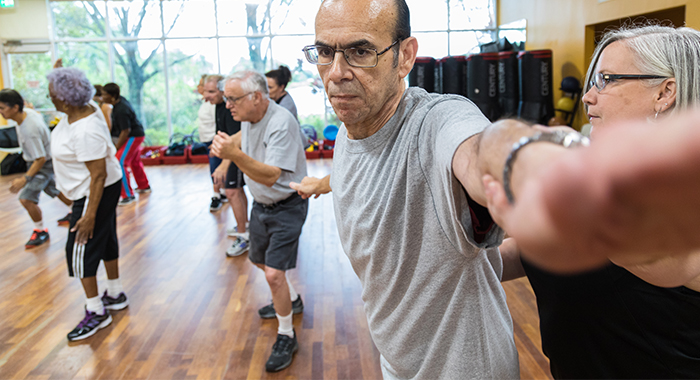
Regular exercise is vital for individuals with Parkinson's disease, as it can help manage symptoms, improve mobility, and enhance overall well-being. Engaging in physical activity offers several benefits, including increased strength, flexibility, balance, and coordination. These types of exercise include:
- Aerobic Exercise: Activities like walking, swimming, and cycling can improve cardiovascular health and endurance. Aim for at least 150 minutes of moderate aerobic activity each week.
- Strength Training: Incorporating resistance exercises using weights or resistance bands helps build muscle strength, which is essential for maintaining mobility and reducing the risk of falls.
- Balance and Coordination Exercises: Activities such as tai chi, yoga, and dance can enhance balance and coordination, reducing the risk of falls and improving stability.
- Flexibility Exercises: Stretching routines help maintain flexibility and range of motion, which can alleviate stiffness and improve overall movement.
- Functional Exercises: Exercises that mimic daily activities, like sit-to-stand or stair climbing, can help improve the ability to perform everyday tasks independently.
By incorporating these types of exercises into their routine, individuals with Parkinson's disease can enhance their physical capabilities and improve their quality of life. It's essential to consult with a healthcare provider before starting any new exercise program to ensure safety and appropriateness.

Manage stress
Managing stress is crucial for individuals with Parkinson's disease, as stress can exacerbate symptoms and impact overall well-being. Chronic stress can cause parts of the brain to shrink and might damage brain cells, increasing the risk of Parkinson’s disease or contributing to its development. Effective stress management techniques can promote a sense of calm and improve quality of life.
Techniques for Stress Management
- Mindfulness and Meditation: Practicing mindfulness and meditation can help reduce anxiety and improve emotional regulation. These techniques promote relaxation and a greater awareness of the present moment.
- Deep Breathing Exercises: Simple deep breathing techniques can help lower stress levels and enhance feelings of calm. Focus on slow, deep breaths to activate the body's relaxation response.
- Physical Activity: Regular exercise is a powerful stress reliever. Activities like walking, yoga, or tai chi can help reduce tension and improve mood.
- Social Support: Connecting with friends, family, or support groups can provide emotional support and reduce feelings of isolation. Sharing experiences with others facing similar challenges can be particularly beneficial.
- Creative Outlets: Engaging in creative activities like painting, writing, or playing music can serve as a form of expression and relaxation, helping to alleviate stress.
- Establishing Routines: Creating a daily routine can provide structure and predictability, which can help manage stress levels.
- Professional Help: Seeking guidance from mental health professionals can be beneficial for developing personalized stress management strategies and coping mechanisms.
By incorporating these techniques into their daily lives, individuals with Parkinson's disease can better manage stress and enhance their overall quality of life.
Use assistive devices
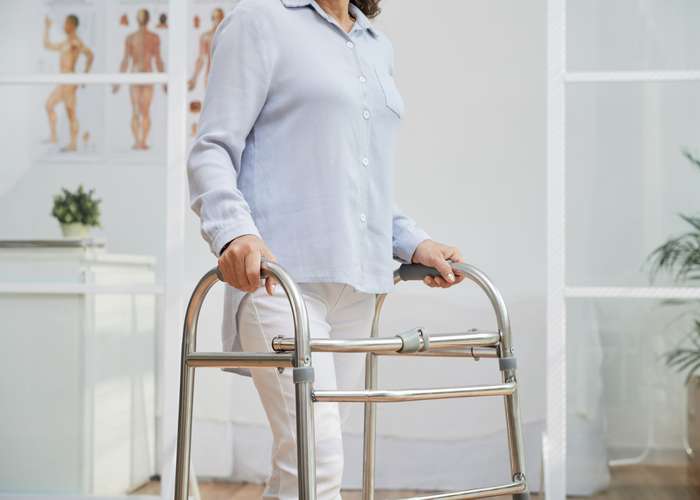
Patients with Parkinson’s disease (PD) may face trouble completing their daily tasks.
Having assistive devices or tools in their homes can ease tasks such as bathing, eating, and sleeping and improve their quality of life.
Examples of assistive devices include an elevated toilet seat and bars or handles in the bedroom or bathroom.

Sleep well
Getting adequate sleep is crucial for individuals with Parkinson's disease, as poor sleep can exacerbate symptoms and negatively affect overall health. Sleep disturbances are common in Parkinson's patients, often leading to increased fatigue, mood changes, and cognitive decline.
Ideally, most adults, including those with Parkinson's disease, should aim for 7 to 9 hours of sleep per night. Consistent, restorative sleep is essential for managing symptoms and improving quality of life. Quality sleep offers several key benefits:
- Improved Motor Function: Quality sleep can enhance motor control and reduce the severity of symptoms like tremors and rigidity.
- Better Cognitive Function: Sleep plays a vital role in cognitive processes, including memory and problem-solving. Adequate rest helps maintain mental clarity and focus.
- Emotional Well-being: Good sleep is linked to better mood regulation. It can reduce feelings of anxiety and depression, which are common in individuals with Parkinson's.
- Overall Health: Quality sleep supports the immune system and helps regulate bodily functions, which is essential for overall well-being.
Best Times for Sleep
- Consistent Schedule: Going to bed and waking up at the same time each day helps regulate the body's internal clock. Ideally, aim for bedtime between 9:00 PM and 11:00 PM to ensure adequate rest.
- Napping: Short naps (20-30 minutes) during the day can help alleviate fatigue, but avoid long naps that may interfere with nighttime sleep.
Tips for Better Sleep
- Create a Relaxing Environment: A quiet, dark, and cool bedroom can promote better sleep. Consider using blackout curtains and white noise machines if needed.
- Limit Stimulants: Avoid caffeine and nicotine, especially in the hours leading up to bedtime.
- Practice Relaxation Techniques: Engaging in calming activities, such as reading or gentle stretching, can help prepare the body for sleep.
- Stay Active During the Day: Regular physical activity can promote better sleep, but try to avoid vigorous exercise close to bedtime.
By prioritizing good sleep hygiene, including adequate duration and timing, individuals with Parkinson's disease can improve their overall quality of life and better manage their symptoms.

Foods to eat
A balanced diet can play a significant role in managing Parkinson's disease. Here are some recommended foods that may support brain health and overall well-being:
- Fruits and Vegetables: Rich in antioxidants, vitamins, and minerals, fruits and vegetables help combat oxidative stress and inflammation. Berries, leafy greens, and cruciferous vegetables are particularly beneficial.
- Whole Grains: Foods like quinoa, brown rice, and oats provide essential nutrients and fiber, promoting digestive health and maintaining stable blood sugar levels.
- Healthy Fats: Incorporating sources of omega-3 fatty acids, such as fatty fish (salmon, mackerel), walnuts, and flaxseeds, can support brain health and reduce inflammation.
- Lean Proteins: Sources like chicken, turkey, beans, and legumes help maintain muscle mass and overall strength, which is crucial for mobility and function.
- Nuts and Seeds: Almonds, walnuts, chia seeds, and pumpkin seeds provide healthy fats, protein, and essential nutrients that can support brain function and overall health.
- Fermented Foods: Foods like yogurt, kefir, sauerkraut, and kimchi contain probiotics that support gut health, which is increasingly recognized for its connection to brain health and mood regulation.
- Spices and Herbs: Turmeric, with its active compound curcumin, has anti-inflammatory properties. Ginger and garlic are also beneficial for their antioxidant effects and potential to support brain health.
A diet focused on whole, nutrient-dense foods can help individuals with Parkinson's disease manage their symptoms and improve their quality of life.
What you should Avoid for Parkinson Disease

Avoid alcohol
Avoiding alcohol is crucial for individuals with Parkinson's disease. While moderate alcohol consumption may not significantly impact everyone, several reasons highlight the importance of abstaining:
- Interference with Medications: Alcohol can interact negatively with medications prescribed for Parkinson's, potentially diminishing their effectiveness and exacerbating symptoms.
- Increased Risk of Falls: Alcohol impairs coordination and balance, increasing the risk of falls, which can lead to serious injuries for individuals with Parkinson's.
- Exacerbation of Symptoms: Alcohol may worsen motor symptoms, such as tremors and rigidity, making daily activities more challenging.
- Impact on Mental Health: Alcohol consumption can affect mood and cognitive function, potentially leading to increased anxiety and depression, which are common in individuals with Parkinson's.
For these reasons, it is advisable for those diagnosed with Parkinson's disease to avoid alcohol altogether. Instead, focusing on a healthy lifestyle and alternative coping strategies can support overall well-being.

Reduce dairy consumption
Limiting dairy intake may be beneficial for individuals with Parkinson's disease for several reasons:
- Inflammatory Potential: Some studies suggest that dairy products can promote inflammation in certain individuals, which may exacerbate symptoms of Parkinson's disease and contribute to neurodegenerative processes.
- Digestive Issues: Dairy can cause gastrointestinal discomfort, such as bloating or constipation, which can be problematic for those with Parkinson's disease, as digestive health is vital for overall well-being.
- Hormonal Factors: Dairy products may contain hormones and growth factors that could potentially influence bodily functions and inflammation, warranting caution for individuals with Parkinson's.
While dairy is a common source of calcium and vitamin D, these nutrients can be obtained from alternative sources. Leafy greens, fortified plant-based milks, fish, and supplements can provide adequate nutrition without the potential drawbacks of dairy.
By reducing dairy consumption and focusing on alternative sources of essential nutrients, individuals with Parkinson's disease can support their overall health and potentially alleviate some symptoms.

Avoid processed foods
Minimizing or eliminating processed foods is crucial for individuals with Parkinson's disease for several reasons:
- Nutritional Quality: Processed foods often contain added sugars, unhealthy fats, and preservatives, which can negatively impact overall health. A diet rich in whole, nutrient-dense foods is essential for supporting brain function and overall well-being.
- Toxins and Additives: Many processed foods contain artificial additives, preservatives, and toxins that may have harmful effects on brain health. These substances can disrupt neurotransmitter function and exacerbate neurodegenerative processes associated with Parkinson's disease.
- Inflammation: Processed foods are linked to increased inflammation in the body. Chronic inflammation can worsen symptoms and contribute to the progression of Parkinson's, negatively impacting motor and cognitive functions.
- Weight Management: Processed foods can contribute to weight gain and obesity, complicating the management of Parkinson's symptoms and overall health.
- Blood Sugar Regulation: Processed foods can cause fluctuations in blood sugar levels, which may affect mood, energy levels, and cognitive function. Stable blood sugar levels are crucial for maintaining overall health and wellness.
By focusing on a diet rich in whole foods—such as fruits, vegetables, whole grains, lean proteins, and healthy fats—individuals with Parkinson's disease can support their health and potentially alleviate some symptoms.

Avoid sugar
Reducing or eliminating sugar intake is essential for individuals with Parkinson's disease for several reasons:
- Inflammation: High sugar consumption is linked to increased inflammation in the body. Chronic inflammation can worsen neurodegenerative processes and exacerbate Parkinson's symptoms, affecting both motor and cognitive functions.
- Blood Sugar Fluctuations: Sugary foods can cause rapid spikes and subsequent drops in blood sugar levels, leading to energy crashes, mood swings, and cognitive impairment. Stable blood sugar levels are important for maintaining overall well-being.
- Weight Management: Excess sugar contributes to weight gain and obesity, which can complicate the management of Parkinson's symptoms and overall health. Maintaining a healthy weight is crucial for optimal mobility and function.
- Mood and Mental Health: High sugar intake may negatively impact mood and mental health, potentially leading to increased anxiety and depression, which are common in individuals with Parkinson's.
- Nutrient Deficiency: Foods high in sugar often lack essential nutrients, displacing healthier options that provide the vitamins and minerals necessary for brain health and overall bodily functions.
By focusing on a diet low in added sugars and rich in whole foods, individuals with Parkinson's disease can support their health and potentially alleviate some symptoms.
Prevention library Parkinson Disease
- Show only
- Articles
- Videos




Parkinson Disease Prevention Forum
Always respect others and address them in a professional manner. Please remain authentic and objective.Aposbook does not endorse any comment and is not responsible for any wrong information provided by users.


Success! Thank you for your comment.