






Muscle Cramp Dos and Don'ts: Tips and Prevention
What you should Do for Muscle Cramp
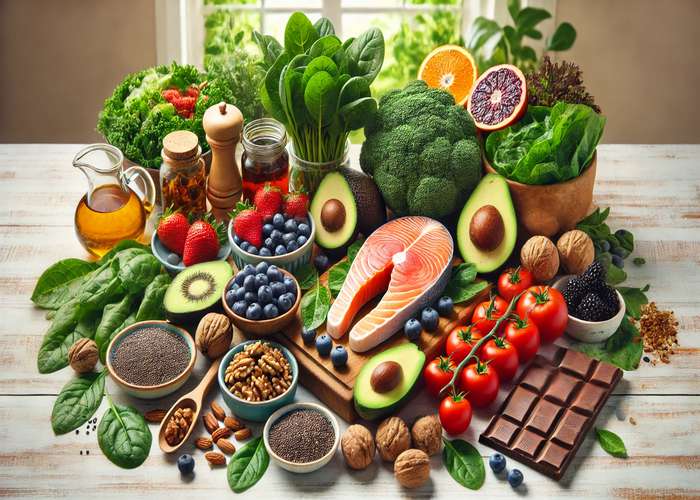
Foods to eat
Proper nutrition plays a significant role in preventing and alleviating muscle cramps. Certain foods provide essential nutrients that support muscle function, reduce inflammation, and maintain electrolyte balance.
By incorporating foods rich in key minerals like magnesium and potassium, you can help ensure that your muscles remain healthy and less prone to painful contractions. Here are some beneficial foods to consider adding to your diet:
- Bananas: Rich in potassium, bananas help maintain electrolyte balance in the body, reducing the likelihood of muscle cramps. Potassium is essential for muscle contraction and relaxation, and a deficiency can lead to cramping.
- Spinach: This leafy green is packed with magnesium, which plays a crucial role in muscle function. Magnesium helps relax muscles and prevents involuntary contractions, making spinach a great addition to your diet.
- Sweet Potatoes: Sweet potatoes are high in potassium and provide complex carbohydrates, which help maintain energy levels during physical activity. Their potassium content supports muscle health and helps prevent cramps.
- Nuts (e.g., almonds, cashews): Nuts are an excellent source of magnesium, which is vital for muscle relaxation. Including nuts in your diet can help maintain adequate magnesium levels and reduce the risk of cramps.
- Avocados: Avocados are rich in potassium and healthy fats, which can help prevent muscle cramps by supporting overall muscle function and reducing inflammation.
- Oranges: Oranges provide a good source of potassium and vitamin C. The potassium helps with muscle function, while vitamin C supports overall health and recovery.
- Yogurt: Yogurt contains calcium and magnesium, both of which are essential for muscle health. Calcium is necessary for muscle contraction, while magnesium helps relax the muscles, making yogurt a beneficial food for preventing cramps.
- Fish (e.g., salmon, mackerel): Fatty fish are rich in omega-3 fatty acids, which help reduce inflammation and muscle soreness. They also provide potassium and magnesium, contributing to muscle health.
- Legumes (e.g., beans, lentils): Legumes are high in magnesium and potassium, making them great choices for maintaining muscle function. They also provide protein, which is important for muscle recovery and growth.
- Whole Grains (e.g., quinoa, brown rice): Whole grains are a good source of magnesium, fiber, and other essential nutrients that support overall health and muscle function. They help maintain energy levels and prevent cramps during physical activity.
By incorporating these foods into your diet, you can provide your muscles with the necessary nutrients to function optimally and reduce the risk of cramps.
What you should Avoid for Muscle Cramp

Foods to avoid
Certain foods and dietary habits can contribute to muscle cramps by affecting hydration, electrolyte balance, and overall muscle function. Avoiding these foods can help reduce the frequency and severity of cramps, particularly during physical activity. Here are some foods to consider limiting or avoiding:
- Processed Foods: High in sodium and low in essential nutrients, processed foods can lead to dehydration and an imbalance of electrolytes. Excessive sodium can interfere with potassium levels, increasing the risk of muscle cramps.
- Sugary Snacks and Beverages: Foods and drinks high in sugar can lead to quick energy spikes followed by crashes, affecting hydration levels. Sugary snacks can also contribute to inflammation, potentially leading to muscle cramps.
- Caffeinated Drinks: While moderate caffeine consumption may have benefits, excessive caffeine can lead to dehydration and increased urine output, which may heighten the risk of cramps. Limiting caffeine intake can help maintain better hydration levels.
- High-Fat Foods: Foods that are high in saturated fats can slow down digestion and may contribute to inflammation, which can indirectly affect muscle function. It's best to limit fried foods and heavy meats.
- Refined Carbohydrates: White bread, pastries, and other refined carbs can cause blood sugar spikes and crashes, potentially impacting energy levels and hydration. These foods often lack essential nutrients needed for muscle health.
- High-Sodium Foods: Foods like salty snacks, deli meats, and certain canned products can contribute to increased sodium intake. High sodium can disrupt the balance of electrolytes, making cramps more likely.
- Artificial Sweeteners: Some studies suggest that certain artificial sweeteners may cause digestive issues or affect hydration status, leading to an increased risk of muscle cramps in some individuals.
- Nightshade Vegetables (in excess): Vegetables such as tomatoes, peppers, and eggplants may trigger cramps in some people, especially if consumed in large quantities. Moderation is key.
- Dairy (for some individuals): While dairy products are generally beneficial for muscle health due to their calcium content, some people may experience lactose intolerance, leading to digestive discomfort and potential muscle cramps.
By avoiding these foods and focusing on a balanced diet rich in essential nutrients, you can help reduce the risk of muscle cramps and promote overall muscle health.
Prevention library Muscle Cramp
- Show only
- Articles
- Videos

No material available on this topic. You can add relevant content by using the "Add content" option. Together, we can help people and promote knowledge.
Muscle Cramp Prevention Forum
Always respect others and address them in a professional manner. Please remain authentic and objective.Aposbook does not endorse any comment and is not responsible for any wrong information provided by users.


Success! Thank you for your comment.