





Kidney Stones Dos and Don'ts: Tips and Prevention
What you should Do for Kidney Stones
Foods for kidney stones
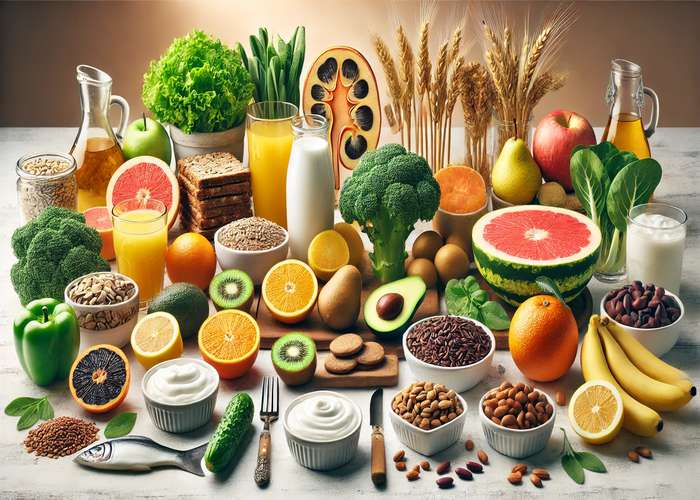
Diet plays a crucial role in both the prevention and management of kidney stones. The types of food you eat can significantly influence the formation of these stones by affecting the composition of your urine. Certain foods may increase the risk of kidney stones by contributing to higher levels of stone-forming substances like calcium, oxalate, and uric acid, while other foods can help dissolve or prevent their buildup. Maintaining a balanced diet that promotes proper hydration and minimizes harmful substances is key to reducing the chances of developing kidney stones.
In particular, foods rich in citrate, calcium, and fiber are beneficial in regulating the levels of stone-forming compounds in the body. Citrate binds with calcium, reducing its availability to form stones, while calcium from food can block oxalate absorption in the digestive tract, minimizing the risk of calcium oxalate stones. On the other hand, high water content in certain fruits and vegetables can help flush out small stones before they grow larger. By making the right dietary choices, you can create a urinary environment that discourages the formation of stones and promotes overall kidney health.
Beneficial Foods for Kidney Stones
These foods are beneficial in maintaining a healthy urinary system and reducing the risk of stone recurrence:
- Citrus Fruits: Lemons, oranges, and grapefruits are rich in citrate, which helps prevent stone formation by binding calcium in the urine and preventing crystallization.
- Calcium-Rich Foods (in moderation): Low-fat dairy products like milk, yogurt, and cheese provide calcium, which binds to oxalate in the digestive tract, reducing oxalate absorption and lowering the risk of calcium oxalate stones.
- Whole Grains: Brown rice, whole wheat bread, and oats are high in fiber, which helps regulate digestive health and can reduce calcium oxalate stone risk by binding oxalate in the intestines.
- Leafy Greens (low-oxalate): Greens such as kale and bok choy are good choices, as they offer nutrients without contributing to the formation of oxalate stones.
- Watermelon and Cucumber: These water-rich foods help increase urine output and hydrate the body, which is crucial for flushing out small stones and preventing new ones from forming.
- Fish (rich in omega-3s): Salmon, sardines, and mackerel contain omega-3 fatty acids, which have anti-inflammatory properties and may reduce the risk of uric acid stones.
- Herbs like Basil and Parsley: These herbs have mild diuretic effects that can help increase urine flow and prevent stone formation.
Conclusion
Focusing on foods that prevent kidney stones is essential for reducing the risk of their recurrence and ensuring healthy kidney function. Consuming foods high in citrate, calcium, fiber, and water content, while limiting those that promote stone formation, can have a significant impact on your body's ability to manage stone-forming substances. Prioritizing these dietary choices can help you avoid the pain and complications associated with kidney stones, providing long-term support for your urinary health.
What you should Avoid for Kidney Stones

Foods to avoid
When managing kidney stones, it is equally important to know which foods to avoid. Certain foods can contribute to the formation of stones or exacerbate existing conditions, making it crucial to limit their intake. By avoiding specific dietary items, you can reduce the levels of stone-forming substances in your urine and create an environment less conducive to stone formation.
List of Foods to Avoid for Kidney Stones
Below is a list of foods to avoid for kidney stones and why:
- High-Oxalate Foods: Foods rich in oxalate can increase the risk of calcium oxalate stones. Limit foods like spinach, rhubarb, beets, nuts (especially almonds and cashews), chocolate, and tea.
- Salty Foods: High sodium intake can lead to increased calcium levels in urine, raising the risk of kidney stones. Avoid processed foods, canned soups, salty snacks (like chips and pretzels), fast food, and excessive table salt.
- Animal Protein: High amounts of animal protein can increase uric acid levels, contributing to uric acid stones. Limit red meat, poultry, fish (especially shellfish), and processed meats like bacon and sausage.
- Sugary Beverages: Soft drinks and fruit juices with added sugars can lead to increased calcium excretion in urine. It's advisable to avoid sodas, sweetened iced teas, and fruit drinks with high sugar content.
- Caffeine: Excessive caffeine consumption can lead to dehydration, which may promote stone formation. Limit coffee, energy drinks, and caffeinated teas to moderate levels to maintain proper hydration.
- High-Protein Foods: Diets excessively high in protein can lead to increased levels of calcium and uric acid in urine. This includes processed protein bars, powders, and excessive servings of meat and dairy.
Conclusion
Focusing on foods to avoid is essential for effectively managing kidney stones and preventing their recurrence. By limiting high-oxalate foods, salty snacks, excessive animal protein, sugary beverages, caffeine, and high-protein diets, you can reduce the risk of stone formation. Making informed dietary choices will not only help in managing kidney stones but also support overall kidney health, leading to better well-being in the long run.
Prevention library Kidney Stones
- Show only
- Articles
- Videos

No material available on this topic. You can add relevant content by using the "Add content" option. Together, we can help people and promote knowledge.
Kidney Stones Prevention Forum
Always respect others and address them in a professional manner. Please remain authentic and objective.Aposbook does not endorse any comment and is not responsible for any wrong information provided by users.


Success! Thank you for your comment.