





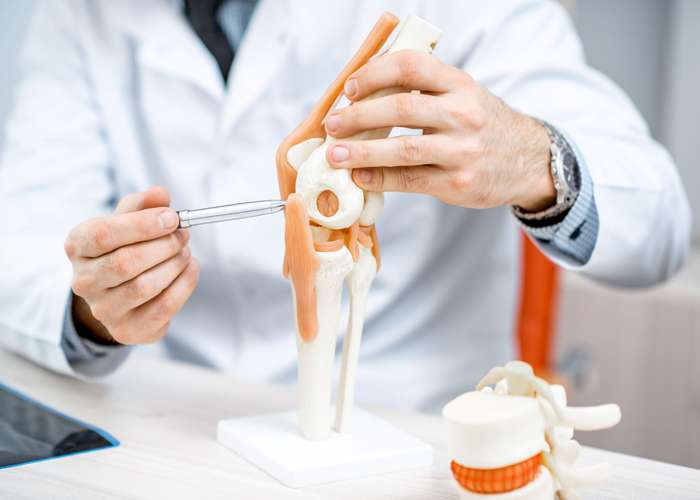
Joints and Cartilage Protection: Dos and Don'ts
What you should Do for Joints and Cartilage Health
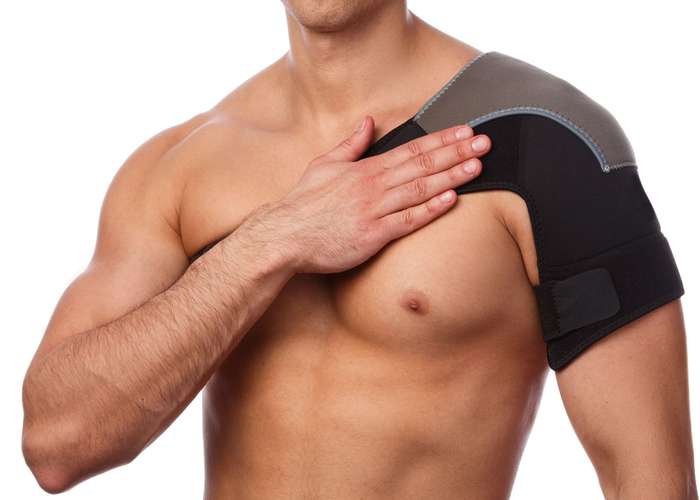
Use joints brace
Joint bracing is a widely utilized non-surgical approach to managing joint pain, instability, and injury. This method involves the use of various types of braces designed to stabilize and support affected joints, thereby enhancing overall function and reducing discomfort. Understanding why joint braces are effective can shed light on their significant role in joint health and rehabilitation.
A joint brace serves as a mechanical support system that helps limit excessive movement and protect the joint from further injury. By stabilizing the joint, braces can prevent the aggravation of existing conditions, such as arthritis or ligament injuries, and offer support during activities that might otherwise exacerbate pain. The brace restricts certain movements, providing a controlled environment that reduces strain on the joint and facilitates healing. This stabilization is particularly beneficial for individuals who experience joint instability or are recovering from injuries.
In addition to providing structural support, joint braces can help alleviate pain by redistributing forces away from the affected areas. This redistribution can reduce the pressure on sensitive structures within the joint, such as cartilage or ligaments, thereby minimizing pain during movement. For instance, braces designed for knee arthritis often feature padding and adjustable straps to relieve pressure on the knee joint, improving comfort and functionality.
Joint bracing is also valuable in the rehabilitation process following injuries or surgeries. By offering support and protection, braces can aid in the recovery process by preventing re-injury and ensuring proper alignment. For example, post-surgical knee braces can keep the joint in the correct position while healing, allowing for a more controlled and effective recovery. Similarly, braces used during physical therapy can enhance the effectiveness of exercises by stabilizing the joint, allowing individuals to perform movements with greater confidence and reduced risk of injury.
Moreover, joint braces are customizable to fit individual needs. They come in various designs, materials, and sizes, ranging from simple elastic sleeves to more complex structures with adjustable components. This customization ensures that users receive the appropriate level of support for their specific condition and activity level. For instance, an athlete recovering from a sprained ankle might use a rigid ankle brace to prevent movement, while someone with chronic knee pain might opt for a softer, more flexible brace to manage daily activities.
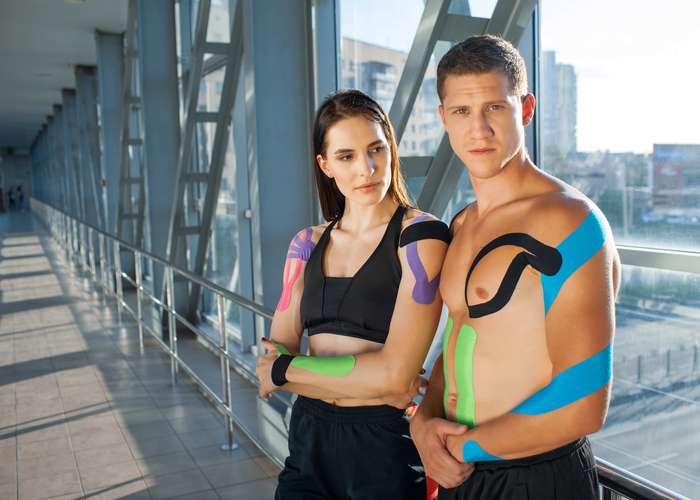
Use Kinesio tape
Kinesio tape is a popular therapeutic tool used to support and stabilize muscles and joints while allowing for a full range of motion. This flexible, adhesive tape is designed to be applied directly to the skin in specific patterns, offering both support and relief from pain. Here’s a closer look at when Kinesio tape is used and how it helps.
Kinesio tape is commonly employed in both sports medicine and rehabilitation settings. It is applied to various areas of the body to address issues such as muscle strains, joint pain, and swelling. The tape's unique elasticity allows it to stretch with the body, providing dynamic support that adapts to movement. This makes it particularly useful for athletes who need to maintain performance while managing injuries or for individuals undergoing rehabilitation who require ongoing support.
One of the key benefits of Kinesio tape is its ability to improve circulation and reduce swelling. By lifting the skin slightly, the tape creates a microscopic space between the skin and the underlying tissues. This lifting effect helps to alleviate pressure on lymphatic and blood vessels, which can enhance fluid drainage and reduce inflammation. Consequently, individuals often experience reduced swelling and faster recovery times.
In addition to reducing swelling, Kinesio tape can help relieve pain. The tape's support can reduce strain on muscles and joints, providing relief from discomfort during activity. This is achieved by altering the way the skin and muscles interact, which can help diminish the sensation of pain and improve functional movement. For example, applying Kinesio tape to a strained muscle can reduce the strain on the affected area, allowing for more comfortable movement.
Kinesio tape also plays a role in supporting muscle function and joint stability. By providing a gentle, supportive structure, it can help improve posture and alignment during movement. This is particularly beneficial for individuals who have weak or injured muscles, as the tape can offer additional support without restricting mobility. This support allows individuals to engage in physical activities with greater confidence and less risk of exacerbating their condition.
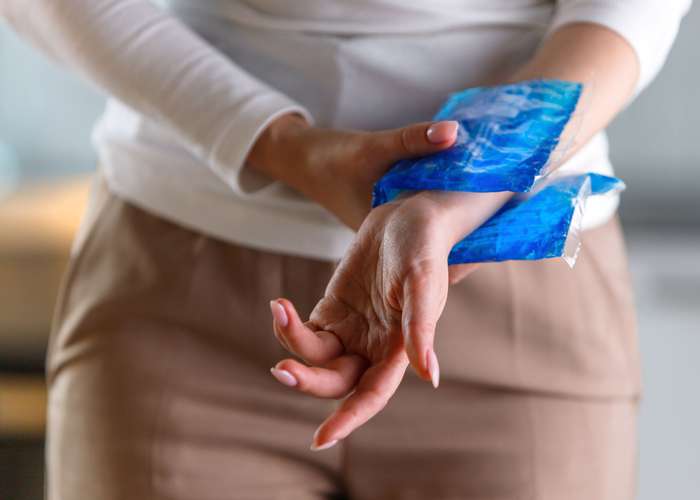
Apply ice packs
Cold therapy is a highly effective way to manage joint pain and inflammation caused by cartilage damage. Cold packs, ice packs, or cooling gels are applied to the affected area, which helps with the following:
- Reduces Inflammation: Cold therapy constricts blood vessels, which helps reduce blood flow to the affected area. This can significantly reduce swelling and inflammation in the joint. Since cartilage damage often causes inflammation, this reduction helps alleviate the associated pain and discomfort.
- Numbs Pain: The cold sensation from applying ice or a cold pack numbs the area, which reduces the sensation of pain. This can provide immediate relief, especially after physical activity or if the joint is overworked.
- Limits Tissue Damage: Cold therapy slows down cellular metabolism in the affected area, which can help reduce the extent of tissue damage and protect the joint from further deterioration.
Avoid Heat for Inflammation for Joints Pain:
While heat therapy can be beneficial for certain conditions (like muscle tightness or chronic joint stiffness), it is not recommended for acute inflammation caused by cartilage damage. That's why it is important to understand when heat therapy should be applied and when it should be avoided:
- Heat Increases Inflammation: Heat causes blood vessels to dilate, increasing blood flow to the area. This can exacerbate swelling in an already inflamed joint, making the pain and inflammation worse. For cartilage damage, especially when inflammation is present, heat may promote more swelling and prolong recovery time.
- Worsens Joint Pain: By increasing circulation, heat may lead to more fluid accumulation in the joint, further contributing to joint stiffness and discomfort.
For inflamed joints, cold therapy is the best option, especially in the early stages of injury or flare-up, because it effectively reduces swelling and soothes pain.
Drink enough water
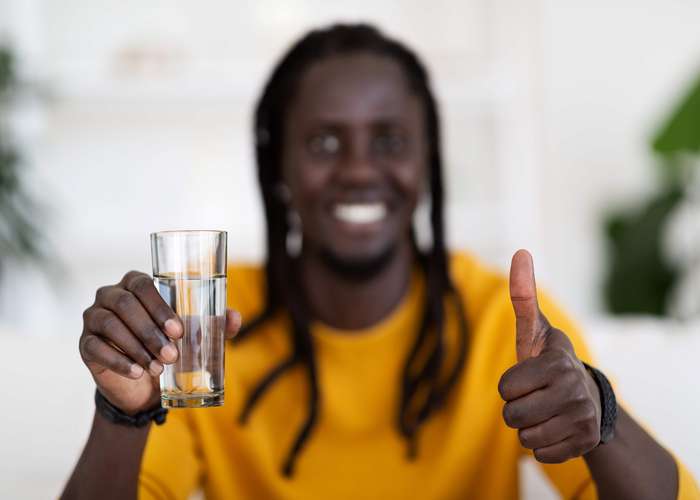
Proper hydration plays an essential role in maintaining joint and cartilage health. Since cartilage is largely composed of water, staying hydrated directly impacts its ability to function as a cushion between the bones. Thus, staying hydrated is very important for joints health as it can help with the following:
- Maintains Cartilage Elasticity and Lubrication: Cartilage in joints, such as the knees, shoulders, and hips, relies on water for its shock-absorbing properties. When the body is well-hydrated, the cartilage remains lubricated and can easily absorb the impact of movements like walking, running, or jumping. Dehydration causes cartilage to become dry and brittle, reducing its cushioning ability and increasing the likelihood of joint pain or damage.
- Supports Synovial Fluid Production: Synovial fluid is the thick fluid that surrounds the joints, providing lubrication and reducing friction between bones. Hydration helps ensure that synovial fluid production remains optimal, allowing joints to move smoothly and without pain. Dehydration can lead to reduced synovial fluid, increasing friction between bones and contributing to cartilage wear.
- Prevents Joint Stiffness: Staying hydrated helps keep the soft tissues around the joints, like ligaments and tendons, more pliable and elastic. This reduces stiffness and allows for a greater range of motion, which is particularly important for people with joint or cartilage damage.
Tips to Stay Hydrated:
To stay properly hydrated, men should drink about 3.7 liters (or 125 ounces) per day, which is roughly equivalent to 15.5 cups of water. Women should aim for 2.7 liters (or 91 ounces) per day, which is roughly equivalent to 11.5 cups of water.
Tips to follow to help you drink enough water:
- Carry a Water Bottle: Always keep a reusable water bottle with you throughout the day, whether at work, during errands, or while exercising. This makes it easier to sip water regularly without having to search for a drink.
- Set Hydration Reminders: Use a phone app or set regular alarms to remind you to drink water. This is especially helpful if you tend to forget to hydrate during a busy day.
- Drink Water with Every Meal: Make it a habit to drink a full glass of water with every meal, as well as during snacks. This adds structure to your hydration and ensures you’re consistently consuming water.
- Infuse Water with Flavor: If plain water seems boring, try infusing it with natural flavors by adding slices of fruits like lemon, cucumber, mint, or berries. This can make drinking water more enjoyable.
- Consume Water-Rich Foods: Eat foods that have a high water content, like watermelon, cucumbers, oranges, strawberries, and lettuce. These foods not only keep you hydrated but also offer additional nutrients that support joint health.
- Limit Diuretics: Be mindful of drinks like coffee, tea, and alcohol, which can have diuretic effects, leading to increased urination and fluid loss. If you consume these beverages, balance them with extra water intake.
- Drink Before, During, and After Exercise: Make it a priority to drink water before you start exercising, sip water during your workout, and replenish fluids after. This is especially important for maintaining joint lubrication during physical activity.
- Monitor Urine Color: A simple way to check your hydration status is by observing your urine color. Light, pale yellow indicates proper hydration, while dark yellow or amber suggests you need to drink more water.

Stay hydrated
Staying hydrated is essential for maintaining joint health and overall well-being. Proper hydration supports the body’s natural functions, including those that affect the joints. Here’s how staying hydrated benefits joint health:
- Lubricates Joints: Water is a key component of synovial fluid, which lubricates and cushions the joints. Adequate hydration ensures that there is enough synovial fluid to reduce friction and prevent joint pain and stiffness. Well-hydrated joints can move more smoothly, reducing the risk of discomfort and injury.
- Maintains Cartilage Health: Cartilage, the tissue that cushions the ends of bones in joints, relies on hydration to stay healthy. Proper fluid intake helps maintain cartilage’s elasticity and resilience, preventing it from becoming dry and brittle. This, in turn, reduces the risk of cartilage degeneration and conditions such as osteoarthritis.
- Supports Overall Joint Function: Hydration is crucial for maintaining the elasticity of muscles and tendons, which support joint stability. Proper hydration helps keep these tissues flexible and functioning optimally, reducing the likelihood of strain and injury.
- Enhances Nutrient Transport: Water assists in transporting essential nutrients to the joints and removing waste products from the body. Adequate hydration supports efficient nutrient delivery and waste removal, which is vital for maintaining joint health and function.
- Prevents Dehydration-Related Issues: Dehydration can lead to muscle cramps, stiffness, and reduced joint mobility. By staying well-hydrated, you can help prevent these issues and support overall joint comfort and performance.
Tips for Staying Hydrated:
- Drink Water Regularly: Aim to drink at least 8 cups (64 ounces) of water daily. Adjust this amount based on activity level, climate, and individual needs.
- Include Hydrating Foods: Incorporate water-rich foods like fruits (e.g., watermelon, oranges) and vegetables (e.g., cucumbers, lettuce) into your diet.
- Monitor Fluid Intake: Pay attention to signs of dehydration, such as dark urine, dry mouth, or dizziness. Increase your water intake if you experience these symptoms.
- Adjust for Activity and Climate: Increase your fluid intake during intense physical activity or in hot weather to compensate for additional fluid loss.
- Hydration and Joint Health: Regularly assessing your hydration levels and adjusting your fluid intake as needed can contribute to better joint health and overall comfort. Consult with a healthcare professional for personalized hydration recommendations and to address any specific concerns about joint health.

Listen to your body
Listening to your body is crucial for preventing joint damage and maintaining overall joint health. Being in tune with how your body feels and responding appropriately can help you avoid injuries and manage existing conditions. Here’s how paying attention to your body benefits joint health:
- Recognize Signs of Overuse: Your body often gives early warning signs when you’re overusing or stressing your joints. Common indicators include soreness, stiffness, or swelling. By acknowledging these signs and allowing time for rest and recovery, you can prevent further joint damage and avoid conditions like tendinitis or bursitis.
- Adjust Activity Levels: If you experience discomfort or pain during physical activities, it’s important to adjust the intensity or duration of your exercise. Listening to your body helps you make necessary modifications to avoid exacerbating joint issues and allows you to engage in exercise safely and effectively.
- Prevent Injury: Paying attention to unusual sensations or persistent discomfort can help you identify potential issues before they lead to injury. For example, if you notice sharp pain or unusual swelling in a joint, it’s essential to address it promptly and seek medical advice if necessary.
- Ensure Proper Technique: Proper technique during exercise and daily activities is crucial for joint health. Listening to your body helps you recognize when your form might be off or if you’re putting undue strain on your joints. Adjusting your technique can prevent improper stress and reduce the risk of injury.
- Adapt to Changes: As you age or if you have changes in your physical condition, your body’s needs may evolve. Listening to your body helps you adapt your activities and lifestyle to accommodate these changes, ensuring continued joint health and preventing potential issues.
Tips for Listening to Your Body:
- Stay Mindful: Pay attention to how your body feels during and after activities.
- Rest When Needed: Give yourself adequate rest and recovery time if you experience discomfort.
- Seek Professional Advice: Consult with healthcare professionals if you notice persistent or severe symptoms.
By focusing on listening to your body, you can proactively manage joint health, prevent injuries, and enhance your overall well-being.
Joints and Cartilage Health Prevention

Avoiding high-impact activities
High-impact exercises can exacerbate joint and cartilage pain, causing further damage and discomfort. Here’s why it’s beneficial to avoid such activities and what you can do instead to protect your joints and alleviate pain.
- Reduces Wear on Cartilage: High-impact exercises like running or jumping can accelerate the breakdown of cartilage in joints, leading to increased pain and the progression of conditions like osteoarthritis.
- Decreases Inflammation: Repeated stress on joints from activities such as tennis or high-intensity sports can trigger inflammation in the joints, worsening pain and stiffness.
- Minimizes Injury Risk: High-impact movements put more strain on joints, increasing the likelihood of injuries like ligament tears or muscle strains that can further weaken joints and hinder recovery.
Sports to Avoid for Joint and Cartilage Pain
- Running: High-impact force from repetitive pounding on hard surfaces can wear down cartilage, especially in the knees and hips. This leads to joint pain and exacerbates conditions like osteoarthritis.
- Basketball: The constant jumping, rapid direction changes, and quick stops create intense pressure on the knee and ankle joints, making it more likely to develop or worsen joint pain and injuries.
- Tennis: The lateral movements, sudden pivots, and quick sprints place a lot of stress on the knees, hips, and wrists. This repetitive motion can lead to joint inflammation and cartilage wear.
- Soccer: Kicking, sprinting, and frequent changes in direction all contribute to joint strain, particularly in the knees and ankles. Collisions with other players also increase the risk of joint injuries.
- Jumping exercises (e.g., box jumps): These exercises involve explosive force that places significant strain on the knees and ankles, leading to increased joint stress and potential injury.
Meanwhile, witching to low-impact exercises helps protect your joints while allowing you to stay active. These include:
- Swimming: Provides full-body movement without placing stress on the joints, making it an excellent low-impact exercise for joint pain relief.
- Yoga and Stretching: Improves flexibility, strengthens supporting muscles, and enhances joint mobility without causing wear and tear on cartilage.

Maintain a healthy weight
Maintaining a healthy weight is crucial for joint health and overall well-being. Excess weight puts additional stress on your joints, particularly those in the lower body such as the knees, hips, and spine. This increased load can accelerate the wear and tear of cartilage, leading to conditions like osteoarthritis. Here’s how maintaining a healthy weight benefits joint health:
- Reduces Stress on Joints: Carrying excess weight increases the mechanical load on weight-bearing joints. For example, each pound of body weight can exert an additional 3-4 pounds of pressure on the knees during activities like walking or climbing stairs. Reducing body weight helps decrease this pressure, alleviating stress and minimizing the risk of joint damage.
- Prevents Joint Wear and Tear: Excess weight accelerates the degeneration of cartilage, the tissue that cushions joints. By maintaining a healthy weight, you can slow down the breakdown of cartilage, thereby reducing the risk of developing osteoarthritis and other degenerative joint conditions.
- Enhances Mobility and Flexibility: Carrying less weight improves your ability to move freely and maintain flexibility. This can make daily activities easier and more comfortable, reducing the strain on your joints and improving your overall quality of life.
- Promotes Overall Health: Achieving and maintaining a healthy weight often involves adopting a balanced diet and regular physical activity. These lifestyle changes not only support joint health but also improve cardiovascular health, strength, and overall physical fitness.
- Improves Posture and Alignment: Excess weight can affect your posture and alignment, leading to uneven distribution of stress across your joints. Maintaining a healthy weight helps promote proper alignment and reduces the risk of joint misalignment and associated pain.
Tips for Maintaining a Healthy Weight:
- Balanced Diet: Focus on a diet rich in fruits, vegetables, lean proteins, and whole grains while limiting processed foods and high-calorie snacks.
- Regular Exercise: Incorporate both cardiovascular and strength-training exercises to support weight management and build muscle around your joints.
- Hydration: Drink plenty of water to support overall health and help regulate appetite.
- Portion Control: Be mindful of portion sizes to avoid overeating and manage calorie intake effectively.
- Monitor Your Weight: Regularly check your weight and consult with a healthcare professional if you need guidance on achieving or maintaining a healthy weight. Personalized advice can help you tailor your diet and exercise plan to your specific needs and goals.
Strengthen muscles around the joints
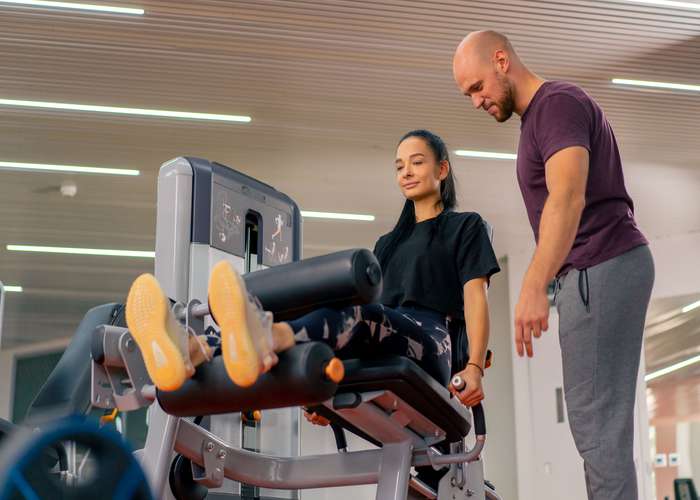
Strong muscles provide critical support to your joints, helping to absorb shock and reducing the pressure exerted on the cartilage. Weak muscles, on the other hand, can cause the joints to bear too much of the load during movement, which increases the risk of injury and cartilage degeneration. Strengthening the muscles around your joints—particularly the core, hips, thighs, and shoulders—can significantly reduce joint stress and improve joint stability.
For example, weak quadriceps muscles place additional stress on the knee joints, especially during activities like climbing stairs or standing up from a seated position. Strengthening the quads with exercises such as squats, lunges, and leg presses helps to balance the load and reduce strain on the knee joint. Similarly, building strong core muscles, including the abdominal and lower back muscles, helps support the spine and improve posture, which can prevent back and hip pain.
Resistance training and weight-bearing exercises are key to strengthening muscles without causing joint damage. These exercises can be performed with light weights, resistance bands, or even body weight, targeting the muscles that support the joints. Gradually increasing the intensity of these exercises helps build muscle strength over time while minimizing the risk of injury.

Use proper body mechanic
Using proper body mechanics is essential for reducing strain on your joints and preventing long-term damage. Body mechanics refers to the way you move, lift, sit, stand, and perform everyday tasks, all of which have a significant impact on the health of your joints and cartilage. Poor posture or improper movement patterns can cause undue stress on joints, leading to wear and tear of cartilage over time.
For instance, when lifting heavy objects, bending at the waist can place excessive stress on the lower back and knees, which over time may result in joint damage. Instead, you should bend at the knees and keep your back straight, lifting with your leg muscles rather than your back. Similarly, slouching while sitting puts pressure on your spine and hips, which can lead to chronic joint pain or degeneration. Maintaining a neutral spine posture—where your head is aligned with your spine and your shoulders are back—helps distribute weight evenly and reduces stress on your joints.
Another key aspect of proper body mechanics is avoiding repetitive movements that overstress certain joints. Repetitive tasks, such as typing or heavy lifting, can wear down joints and lead to conditions like carpal tunnel syndrome or osteoarthritis. To minimize this risk, take breaks to stretch, adjust your posture regularly, and, when possible, alternate tasks to avoid overloading one area.
Prevention library Joints and Cartilage Health
- Show only
- Articles
- Videos
Joints and Cartilage Health Prevention Forum
Always respect others and address them in a professional manner. Please remain authentic and objective.Aposbook does not endorse any comment and is not responsible for any wrong information provided by users.


Success! Thank you for your comment.