





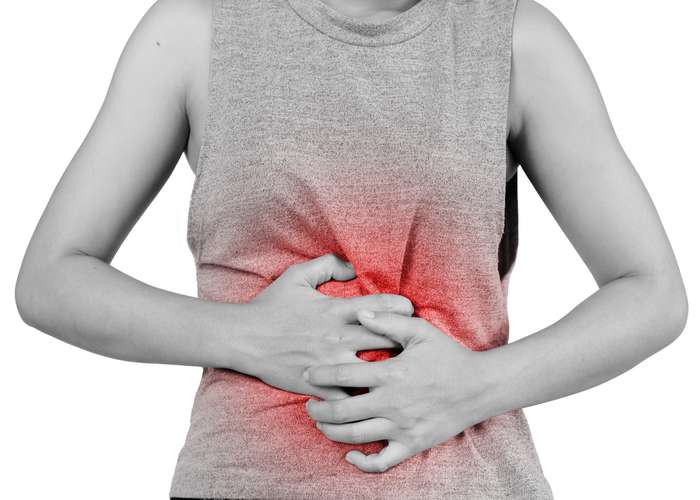
Inflammatory Bowel Disease Dos and Don'ts: Tips and Prevention
What you should Do for Inflammatory Bowel Disease (IBD)

Follow up with doctor
Follow up with your doctor to regularly monitor the symptoms because these might change and worsen over time.
Accordingly, your doctor can advise you what should be done and in case you need any medication.

Stay hydrated
Drink lots of fluids to stay hydrated is good for patients with IBD.
It gives the gastrointestinal tract a chance to heal from inflammation and make it easier for the stool to pass.
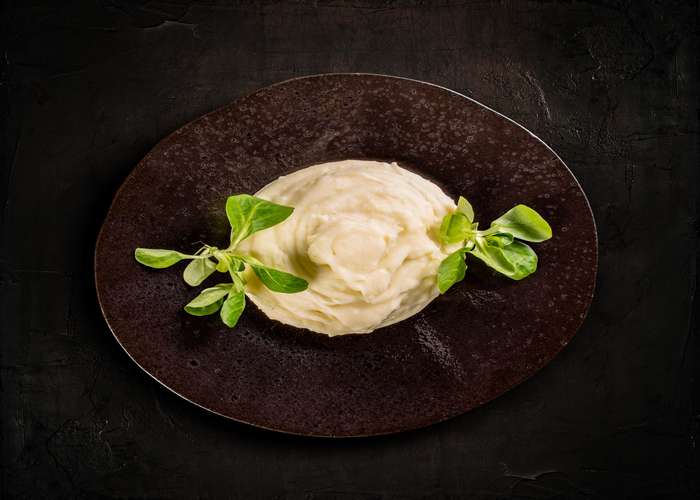
Eat smaller meals
For individuals with Inflammatory Bowel Disease (IBD), including Crohn's disease and ulcerative colitis, eating smaller, more frequent meals can help manage symptoms and reduce stress on the digestive system. Large meals can overwhelm the gastrointestinal (GI) tract, especially during flare-ups, leading to discomfort and exacerbated symptoms.
How Eating Smaller Meals Benefits IBD
1. Reduced Digestive Stress: Large meals require more digestive effort, which can aggravate an already inflamed GI tract. Eating smaller, more frequent meals allows the digestive system to process food more gradually, reducing the strain on the intestines and minimizing symptoms like cramping, bloating, and diarrhea.
2. Better Nutrient Absorption: When the digestive system is overwhelmed with large meals, it may not absorb nutrients as effectively, especially during flare-ups. Smaller meals give the intestines a better chance to absorb essential nutrients, which is crucial for maintaining overall health in individuals with IBD.
3. Easier on Inflammation: Consuming smaller meals helps prevent sudden spikes in inflammation that can be triggered by large amounts of food passing through the intestines at once. This can help keep symptoms like pain and discomfort at bay, making it easier to manage flare-ups.
4. Improved Energy Levels: Smaller, balanced meals eaten throughout the day can provide more consistent energy levels and prevent fatigue. This can be especially helpful for people with IBD, who often struggle with low energy due to inflammation and poor nutrient absorption.
Eating smaller, nutrient-dense meals spread out over the day can help individuals with IBD better manage their symptoms, reduce inflammation, and support digestive health. This approach can be tailored to individual needs, and a dietitian can provide guidance on how to create meal plans that minimize discomfort while ensuring proper nutrition.

Sleep well
Sleeping for seven to eight hours every night is important for patients with IBD.
Lack of sleep can increase inflammation, and affect mood and mental health. It can further impact the digestive system and cause a flare up.
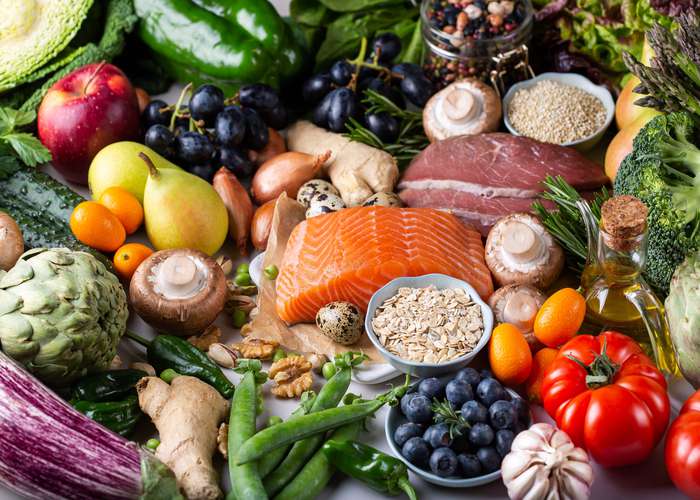
Foods to eat
For individuals with Inflammatory Bowel Disease (IBD), making thoughtful food choices can significantly impact symptom management and overall well-being. Here’s a guide to foods that are typically well-tolerated and beneficial:
- Low-Fiber Fruits: Low-fiber fruits are easier on the digestive system and are less likely to cause irritation or bloating. Examples include applesauce, bananas, cantaloupe, honeydew, and peeled pears. These fruits are gentle on the intestines and provide essential vitamins without adding excessive fiber that can aggravate IBD symptoms. To prepare, opt for cooked or canned versions without added sugars, and peel fruits to further reduce fiber content.
- Well-Cooked Vegetables: Well-cooked vegetables are softer and easier to digest compared to raw ones, making them a better choice for individuals with IBD. Vegetables like carrots, potatoes, squash, and zucchini, when cooked until tender, are less likely to cause digestive discomfort. Cooking methods such as steaming, baking, or boiling help soften the fiber, reducing the risk of irritation. Avoid raw vegetables and those with high fiber content, like cruciferous vegetables, as they may exacerbate symptoms.
- Lean Proteins: Lean proteins are less likely to cause digestive discomfort while providing essential nutrients that support overall health. Options such as skinless chicken, turkey, tofu, and fish are good choices. These proteins are typically easier to digest compared to fatty meats. Prepare lean proteins by grilling, baking, or poaching rather than frying or cooking with heavy sauces, which can add unnecessary fats and irritants.
- Refined Grains: Refined grains, such as white rice, white bread, and plain pasta, are generally easier to digest than whole grains. They are less likely to exacerbate symptoms of IBD due to their lower fiber content. When incorporating refined grains into your diet, choose plain options and avoid those with added spices or high-fiber ingredients. These grains help provide energy and are gentle on an inflamed digestive tract.
- Dairy Alternatives: Dairy alternatives can be beneficial for individuals with lactose intolerance or those who find dairy products irritating. Options like lactose-free milk, almond milk, and coconut milk provide essential nutrients without the lactose that can cause discomfort. Select unsweetened varieties to avoid added sugars, and check labels for any potential irritants. These alternatives are a good source of calcium and vitamin D, important for overall health.
- Omega-3 Fatty Acids: Foods rich in omega-3 fatty acids, such as fatty fish (salmon, mackerel) and flaxseeds, have anti-inflammatory properties that can help manage IBD symptoms. Incorporating these foods into your diet can reduce inflammation and support gut health. Prepare fatty fish by baking or grilling, and add ground flaxseeds or chia seeds to smoothies or yogurt for an easy boost. These additions can provide long-term benefits for reducing inflammation.
- Clear Broths: Clear broths, including chicken, beef, and vegetable broths, offer hydration and nutrients while being gentle on the digestive system. They are particularly useful during flare-ups or when appetite is low. Choose homemade or low-sodium store-bought options without added spices or fats. Clear broths can help soothe the digestive tract and provide essential fluids and electrolytes.
- Probiotic-Rich Foods: Probiotic-rich foods, such as yogurt with live cultures, kefir, and fermented products like sauerkraut, can support a healthy balance of gut bacteria. This may be beneficial for managing IBD symptoms. Choose plain, unsweetened yogurt and kefir to avoid excess sugars. Incorporate these foods into your diet to promote gut health and potentially ease symptoms related to IBD.
By selecting and preparing these foods thoughtfully, individuals with IBD can better manage their symptoms and improve their quality of life. Consulting with a healthcare provider or dietitian can provide additional guidance tailored to individual needs and preferences.
What you should Avoid for Inflammatory Bowel Disease (IBD)
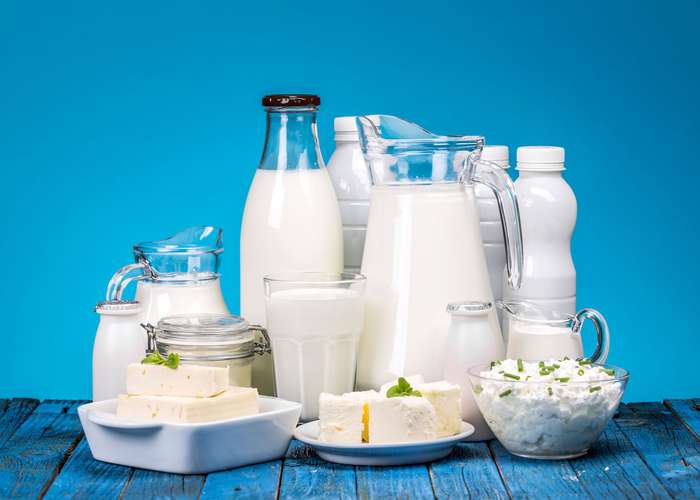
Avoid dairy foods
Dairy products, such as milk, cheese, and yogurt, can have varying effects on individuals with Inflammatory Bowel Disease (IBD), including Crohn's disease and ulcerative colitis. While dairy does not directly cause IBD, it can exacerbate symptoms for some people, especially those who are lactose intolerant or sensitive to dairy.
How Dairy Products Affect IBD
1. Lactose Intolerance: Many people with IBD also suffer from lactose intolerance, which is the inability to digest lactose, the sugar found in milk and other dairy products. In those who are lactose intolerant, consuming dairy can lead to symptoms like bloating, diarrhea, gas, and cramping. Since these symptoms overlap with IBD flare-ups, dairy consumption can make it more difficult to manage the disease.
2. Increased Inflammation: Some individuals with IBD find that dairy products trigger or worsen inflammation in the gastrointestinal (GI) tract. This may be due to an immune response to proteins found in dairy, like casein or whey, which can cause increased gut inflammation in sensitive individuals.
3. Mucus Production: Dairy products are known to increase mucus production in some people. For individuals with IBD, this excess mucus can lead to more discomfort and digestive issues, potentially worsening symptoms during a flare-up.
4. Nutritional Considerations: Dairy products are a source of important nutrients like calcium and vitamin D, which are essential for bone health. Since individuals with IBD are at a higher risk for bone density loss due to chronic inflammation and corticosteroid use, finding non-dairy alternatives rich in these nutrients may be necessary for those who cannot tolerate dairy.
Is Dairy Safe for People with IBD?
The ability to tolerate dairy varies among individuals with IBD. Some people can consume dairy products without any issues, while others may need to avoid them, especially during active flare-ups. If dairy triggers symptoms or if lactose intolerance is present, switching to lactose-free dairy products or dairy alternatives like almond or oat milk may help reduce discomfort.

Avoid saturated fats
Saturated fats, commonly found in foods like red meat, butter, and processed snacks, can have detrimental effects on individuals with Inflammatory Bowel Disease (IBD), including Crohn’s disease and ulcerative colitis. Although fats are necessary for health, too much saturated fat can worsen IBD symptoms and inflammation.
How Saturated Fats Affect IBD
1. Narrowing of the Intestines and Colon: In patients with severe IBD, particularly Crohn’s disease, the intestines may be narrowed due to chronic inflammation and scar tissue. Consuming saturated fats can further narrow the intestines, increasing the risk of partial blockages, which leads to symptoms like cramping and bloating.
2. Increased Inflammation: Saturated fats promote the production of inflammatory chemicals in the body. In individuals with IBD, this can worsen existing inflammation in the gastrointestinal (GI) tract, intensifying flare-ups and prolonging recovery time.
3. Digestive Discomfort: Fatty foods, which are often difficult to digest, can aggravate the GI tract, causing additional symptoms such as diarrhea and gas. This makes managing IBD more challenging, especially during active flare-ups.
By avoiding excessive saturated fats, individuals with IBD may experience fewer flare-ups and a reduction in inflammation-related symptoms.

Avoid narcotics
Avoid certain classes of medications particularly the narcotics because these can give rise to further problems especially constipation.
Furthermore, the bowel doesn’t move as well which in turn can give rise to further abdominal pain.
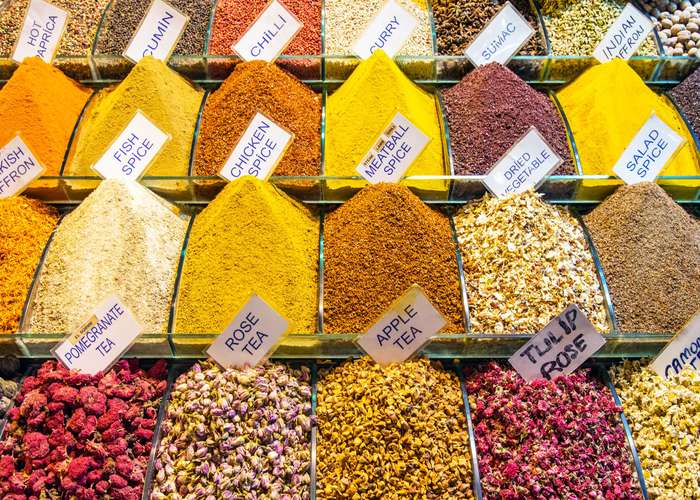
Avoid spicy foods
Spicy foods, which contain ingredients like chili peppers, hot sauces, and certain spices, can be problematic for individuals with Inflammatory Bowel Disease (IBD). While spicy foods don’t directly cause IBD, they can irritate the gastrointestinal (GI) tract and worsen symptoms during flare-ups, especially for those with Crohn’s disease or ulcerative colitis.
How Spicy Foods Affect IBD
1. Irritation of the Digestive Tract: Capsaicin, the compound responsible for the heat in spicy foods, can irritate the lining of the digestive tract. For individuals with IBD, whose GI tracts are already inflamed, this irritation can exacerbate symptoms like abdominal pain, cramping, and diarrhea.
2. Triggering Diarrhea and Bloating: Spicy foods can accelerate digestion, leading to increased bowel movements, which can result in diarrhea, a common symptom of IBD. Inflammation of the GI tract combined with the consumption of spicy foods may also lead to bloating and discomfort.
3. Worsening of Inflammation: Although spicy foods don’t cause inflammation directly, they can worsen the feeling of inflammation in an already irritated digestive system. This can make flare-ups more intense and difficult to manage for individuals with IBD.
Should People with IBD Avoid Spicy Foods?
For most individuals with IBD, it is recommended to avoid or limit spicy foods, especially during active flare-ups. Each person’s tolerance to spices varies, so it’s important to track how spicy foods affect your symptoms and adjust your diet accordingly.

Avoid caffeine
Caffeine, a stimulant found in coffee, tea, soda, and energy drinks, can impact individuals with Inflammatory Bowel Disease (IBD), including Crohn's disease and ulcerative colitis. While caffeine does not cause IBD, it can exacerbate symptoms and trigger flare-ups in some people. Understanding how caffeine affects the digestive system is important for those managing IBD.
How Caffeine Affects IBD
1. Increased Gut Motility: Caffeine stimulates the digestive system, increasing gut motility and speeding up the passage of food through the intestines. For individuals with IBD, this can lead to diarrhea, a common symptom of both Crohn's disease and ulcerative colitis. Increased gut motility can also aggravate abdominal pain and cramping.
2. Irritation of the GI Tract: Caffeine, especially from coffee, can irritate the lining of the gastrointestinal (GI) tract. For those with IBD, whose intestines are already inflamed, this irritation can worsen inflammation, potentially triggering flare-ups or prolonging active symptoms.
3. Dehydration: Caffeine is a diuretic, meaning it increases urine output, which can lead to dehydration. Dehydration can exacerbate IBD symptoms, particularly diarrhea, and make it harder for the body to recover from flare-ups. Staying hydrated is crucial for managing IBD, so excessive caffeine intake may negatively affect fluid balance.
4. Stress Response: Caffeine can trigger the release of stress hormones like cortisol and adrenaline. For individuals with IBD, heightened stress can worsen symptoms and increase inflammation in the GI tract, potentially leading to flare-ups.
Is Caffeine Safe for People with IBD?
The effects of caffeine vary from person to person. Some individuals with IBD may tolerate moderate amounts of caffeine without any issues, while others may find that it triggers symptoms like diarrhea or cramping. It's important to monitor how caffeine affects your body and adjust your intake accordingly. Reducing or eliminating caffeine, especially during active flare-ups, may help prevent worsening symptoms. If you're unsure about how caffeine affects your IBD, consult your healthcare provider for personalized advice.
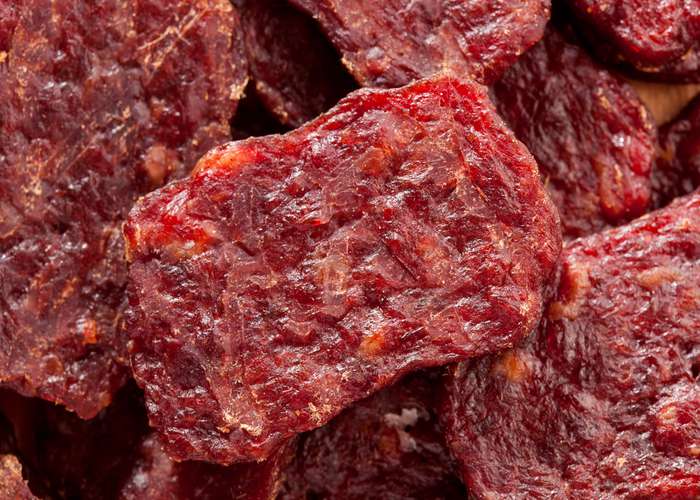
Avoid processed foods
Processed foods, which include packaged snacks, fast foods, and ready-made meals, are generally high in additives, preservatives, unhealthy fats, and refined sugars. These ingredients can negatively affect individuals with Inflammatory Bowel Disease (IBD), including Crohn’s disease and ulcerative colitis. While processed foods don’t directly cause IBD, they can contribute to symptom flare-ups and worsen inflammation.
How Processed Foods Affect IBD
1. Increased Inflammation: Processed foods are often rich in trans fats, refined sugars, and artificial additives, which can increase inflammation in the body. For people with IBD, who already suffer from chronic inflammation in the gastrointestinal (GI) tract, consuming these foods can exacerbate symptoms and lead to flare-ups. Studies suggest that diets high in processed foods are linked to increased inflammation and the development of digestive disorders.
2. Disruption of the Gut Microbiome: The gut microbiome plays a crucial role in digestion and immune function. Processed foods, particularly those containing emulsifiers, preservatives, and artificial sweeteners, can disrupt the balance of healthy bacteria in the gut. This disruption, known as dysbiosis, can contribute to inflammation and worsen IBD symptoms by making the GI tract more prone to irritation and infections.
3. Poor Nutritional Quality: Processed foods are often low in essential nutrients, such as fiber, vitamins, and minerals, while being high in empty calories. For individuals with IBD, who may already struggle with nutrient absorption due to inflammation, consuming nutrient-poor processed foods can lead to further deficiencies, impacting overall health and recovery from flare-ups.
4. Triggering Digestive Symptoms: Processed foods often contain high levels of sodium, artificial flavorings, and preservatives that can irritate the digestive system. This can result in bloating, gas, diarrhea, or abdominal pain, all of which are common symptoms of IBD. The lack of fiber in many processed foods can also slow down digestion, worsening constipation or irregular bowel movements.
Should People with IBD Avoid Processed Foods?
For individuals with IBD, it is generally recommended to minimize or avoid processed foods, especially during flare-ups. Eating a diet rich in whole, unprocessed foods like fruits, vegetables, lean proteins, and whole grains can help support gut health and reduce inflammation. Since every person with IBD has different triggers, it’s important to keep a food diary to identify which processed foods may be causing symptoms and adjust the diet accordingly.

Avoid stress
Stress can have a significant impact on individuals with IBD, exacerbating symptoms and potentially triggering flare-ups. While stress does not directly cause IBD, it can influence the severity of the disease and complicate its management.
How Stress Affects IBD:
1. Increased Inflammation: When the body is under stress, it releases stress hormones like cortisol and adrenaline. These hormones can trigger an immune response, leading to increased inflammation throughout the body, including the gastrointestinal (GI) tract. Since IBD is characterized by chronic inflammation in the GI tract, heightened stress levels can worsen the inflammation and make symptoms more severe.
2. Flare-Ups and Worsening Symptoms: Stress can trigger flare-ups of both Crohn’s disease and ulcerative colitis. During periods of high stress, individuals may experience an increase in common IBD symptoms such as abdominal pain, diarrhea, and urgency. Stress-induced flare-ups may also make it more challenging for the intestines to heal, prolonging the symptoms.
3. Impaired Gut Function: Chronic stress can affect gut motility and function. It may lead to a "leaky gut," where the lining of the intestines becomes more permeable, allowing harmful substances to pass through. This can worsen inflammation in people with IBD, as their immune system reacts to these substances.
4. Reduced Immune Function: Stress suppresses the body’s immune response, making it less effective at managing inflammation. For individuals with IBD, this suppression can make it harder to control the disease and lead to prolonged flare-ups.
Managing stress is an important part of controlling IBD, as stress can significantly worsen symptoms and trigger flare-ups. Mindfulness-based practices, such as meditation and deep-breathing exercises, can help individuals with IBD reduce stress and promote relaxation. These techniques encourage a calm mental state, which in turn may help minimize the impact of stress on the digestive system.
Regular exercise, such as walking, swimming, or yoga, can also be beneficial. Physical activity stimulates the release of endorphins, which improve mood and reduce stress without putting excessive strain on the body, helping to avoid aggravating IBD symptoms. Cognitive Behavioral Therapy (CBT), a form of psychotherapy that helps individuals change negative thought patterns, is another effective approach to stress management for people with IBD.
Through CBT, patients can learn how to cope with stress more effectively, potentially reducing the frequency and severity of flare-ups. Finally, having a strong social support system, such as participating in IBD support groups, can help alleviate stress by providing emotional relief and practical advice on managing the disease. Engaging with others who share similar experiences can reduce feelings of isolation and help patients better cope with their condition.

Avoid alcohol
Alcohol consumption can have a significant impact on individuals with Inflammatory Bowel Disease (IBD), including Crohn’s disease and ulcerative colitis. While alcohol does not directly cause IBD, it can exacerbate symptoms, trigger flare-ups, and interfere with the effectiveness of treatments.
How Alcohol Affects IBD
1. Increased Inflammation: Alcohol irritates the lining of the gastrointestinal (GI) tract, leading to inflammation, which can worsen the symptoms of IBD. Since both Crohn’s disease and ulcerative colitis involve chronic inflammation of the digestive tract, consuming alcohol can intensify this inflammation, triggering flare-ups.
2. Disruption of the Gut Microbiome: Alcohol disrupts the balance of bacteria in the gut, leading to dysbiosis—an imbalance between beneficial and harmful bacteria. This imbalance can aggravate IBD symptoms by making the intestines more susceptible to inflammation and infection. Maintaining a healthy gut microbiome is crucial for managing IBD, and alcohol consumption can undermine this balance.
3. Compromised Immune Function: Alcohol weakens the immune system, making it harder for the body to fight inflammation and infections. For individuals with IBD, a compromised immune system can lead to more frequent flare-ups and delayed healing of the gut. This also makes alcohol particularly risky during active disease phases.
4. Interference with Medications: Many medications prescribed for IBD, such as immunosuppressants and biologics, can interact negatively with alcohol. Drinking alcohol while on these medications can not only reduce the effectiveness of the treatment but also increase the risk of side effects, such as liver damage.
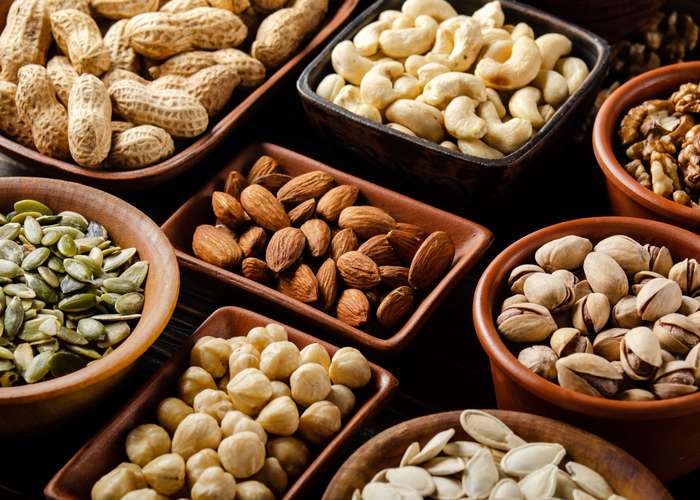
Avoid nuts and seeds
Nuts and seeds are packed with nutrients, including healthy unsaturated fats, fiber, and essential vitamins and minerals. However, for individuals with Inflammatory Bowel Disease (IBD), including Crohn’s disease and ulcerative colitis, consuming nuts and seeds can be a double-edged sword due to their high fiber content.
How Nuts and Seeds Affect IBD
1. Fiber Content as a Digestive Irritant: While fiber is beneficial for overall digestive health, the high fiber content in nuts and seeds can be irritating for individuals with IBD, especially during flare-ups. Insoluble fiber, in particular, can be tough on an already inflamed digestive tract, potentially worsening symptoms like cramping, bloating, and diarrhea. The rough texture of whole nuts and seeds may also exacerbate discomfort during active IBD phases.
2. Importance of Proper Chewing or Blending: For those with IBD, it's important to chew nuts and seeds thoroughly to break them down into smaller, more digestible pieces. This can help reduce the risk of irritation in the gastrointestinal (GI) tract. Alternatively, blending nuts and seeds into fine pieces or consuming them in nut butters can make them easier to digest while still providing their nutritional benefits.
3. Avoidance During Flare-Ups: During active flare-ups, when the intestines are especially sensitive, it is recommended to avoid nuts and seeds altogether. The high fiber content can further irritate the inflamed GI tract, potentially prolonging the flare-up and worsening symptoms.
Should People with IBD Eat Nuts and Seeds?
Nuts and seeds can be included in the diet of individuals with IBD during remission phases, but it is important to consider how they are prepared and consumed. For some people, ground nuts or seed-based spreads (like almond butter or tahini) may be better tolerated than whole nuts. However, during flare-ups, it’s best to avoid them to prevent digestive irritation.
As with many foods in an IBD diet, personal tolerance can vary, so it's helpful to monitor how your body responds to nuts and seeds and consult with a healthcare provider or dietitian for tailored advice.
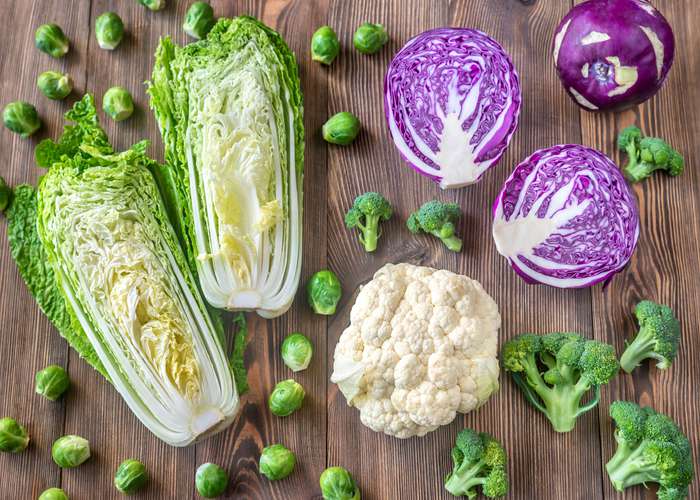
Avoid cruciferous vegetables
Cruciferous vegetables, including broccoli, cauliflower, Brussels sprouts, cabbage, and kale, are nutrient-dense and provide essential vitamins and minerals. However, for individuals with Inflammatory Bowel Disease (IBD), these vegetables can be challenging to digest, particularly during flare-ups, due to their high fiber content and potential to cause gas and bloating.
How Cruciferous Vegetables Affect IBD
1. High Fiber Content: Cruciferous vegetables are rich in fiber, which can be beneficial for overall digestive health. However, for people with IBD, the insoluble fiber found in these vegetables can be difficult to break down and may irritate the inflamed gastrointestinal (GI) tract. This can lead to increased bowel movements, abdominal pain, and diarrhea.
2. Gas and Bloating: These vegetables are known to cause gas due to their high content of raffinose, a complex sugar that ferments in the gut. For individuals with IBD, this can exacerbate bloating and discomfort, particularly during flare-ups when the digestive system is more sensitive.
3. Potential for Triggering Flare-Ups: Although cruciferous vegetables are packed with antioxidants and anti-inflammatory compounds, their tough texture and high fiber content can trigger or worsen symptoms during an active IBD flare-up. This is especially true for those with Crohn’s disease or ulcerative colitis affecting the small intestine.
Should People with IBD Avoid Cruciferous Vegetables?
While cruciferous vegetables can be hard on the digestive system during flare-ups, they don’t need to be completely avoided. Cooking methods like steaming, roasting, or pureeing can make them easier to digest by breaking down the fiber. It's also helpful to introduce small portions and monitor how your body responds.
Prevention library Inflammatory Bowel Disease (IBD)
- Show only
- Articles
- Videos



Inflammatory Bowel Disease (IBD) Prevention Forum
Always respect others and address them in a professional manner. Please remain authentic and objective.Aposbook does not endorse any comment and is not responsible for any wrong information provided by users.


Success! Thank you for your comment.