





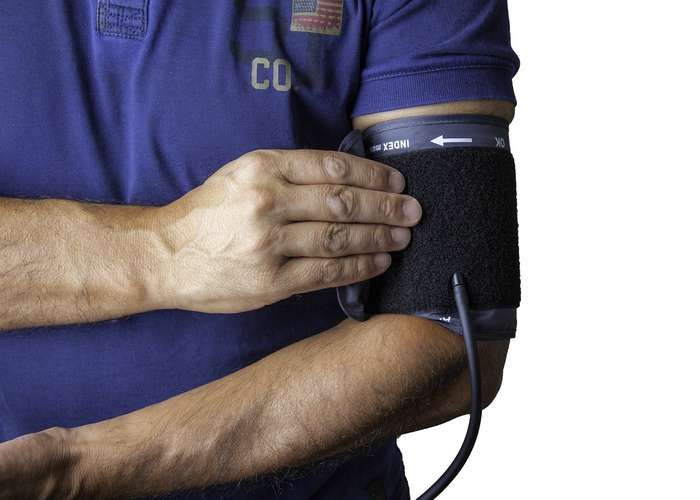
Hypertension Dos and Don'ts: Tips and Prevention
What you should Do for Hypertension / High Blood Pressure

Exercise regularly
Regular physical activity is essential for managing high blood pressure. Engaging in exercise strengthens the heart, allowing it to pump blood more efficiently, which reduces the pressure on your arteries.
- Improves Heart Efficiency: Aerobic exercises like walking, running, swimming, or cycling help the heart pump blood with less effort, reducing the force on arteries and lowering blood pressure.
- Promotes Weight Loss: Exercise helps maintain a healthy weight, which is crucial for reducing excess strain on the heart. Even moderate weight loss can significantly lower blood pressure.
- Reduces Stress: Physical activity releases endorphins, which improve mood and reduce stress, a key contributor to elevated blood pressure.
- Enhances Blood Vessel Health: Exercise promotes the production of nitric oxide, which helps relax blood vessels and improve blood flow, reducing blood pressure.
- Lowers Resting Heart Rate: Regular exercise lowers the resting heart rate, meaning your heart doesn't have to work as hard to circulate blood, resulting in lower blood pressure over time.
Types of Sports and Exercises to Consider:
- Aerobic Exercises: Activities like brisk walking, jogging, swimming, cycling, or dancing improve heart and lung function, making your heart pump more efficiently with less effort. This reduces pressure on the arteries.
- Strength Training: Light resistance training using weights, resistance bands, or bodyweight exercises like squats and push-ups helps build muscle and burn fat, which supports weight loss and hypertension management.
- High-Intensity Interval Training (HIIT): Short bursts of intense exercise followed by rest or low-intensity movement boost cardiovascular fitness quickly and efficiently, helping to regulate blood pressure.
- Yoga and Stretching: Mind-body exercises like yoga reduce stress and promote relaxation by lowering cortisol levels, which can help manage blood pressure. Yoga also improves flexibility and circulation.
- Swimming and Water Aerobics: These low-impact exercises are ideal for people with joint pain or arthritis, improving cardiovascular health without extra stress on the joints.
- Cycling: Whether outdoors or on a stationary bike, cycling helps lower resting heart rate and blood pressure by strengthening the heart and improving blood flow.
Incorporating these types of exercise into your routine, along with at least 30 minutes of moderate-intensity activity on most days of the week, can significantly help control and reduce hypertension while benefiting overall cardiovascular health.
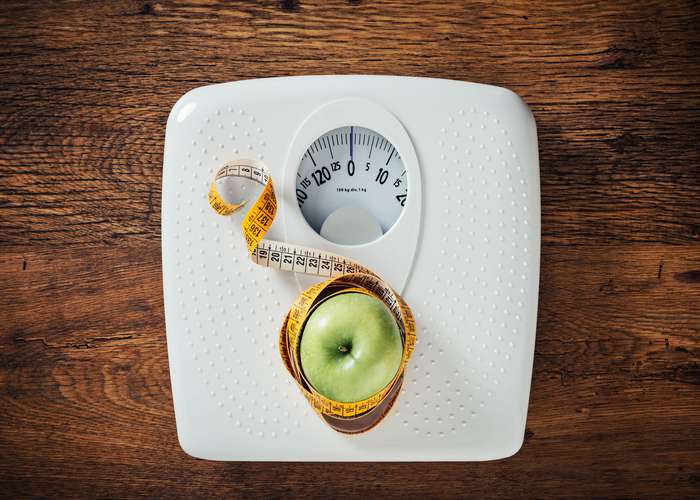
Maintain a healthy weight
Excess weight is a major contributor to high blood pressure, and losing weight can significantly impact blood pressure levels and overall cardiovascular health. Weight loss reduces strain on the heart, improves blood vessel function, and decreases insulin resistance.
Notably, for every 2 pounds of weight lost, you can expect approximately a 1-point drop in systolic blood pressure. Additionally, weight loss helps reduce the risk of comorbidities such as diabetes and sleep apnea, promotes better sleep quality, and encourages healthier lifestyle choices. Here’s how weight loss helps manage hypertension:
- Reduces Strain on the Heart: Carrying extra weight puts additional strain on the heart, requiring it to work harder to pump blood throughout the body. Weight loss alleviates this strain, reducing the workload on the heart and consequently lowering blood pressure.
- Improves Blood Vessel Function: Excess body fat can lead to inflammation and damage to the blood vessels. Losing weight helps reduce inflammation and improves the elasticity and function of blood vessels, promoting better blood flow and lower blood pressure.
- Decreases Insulin Resistance: Weight loss improves insulin sensitivity and reduces the risk of developing insulin resistance, which is often associated with higher blood pressure. Better insulin regulation helps maintain healthy blood pressure levels.
- Reduces the Risk of Comorbidities: Obesity is linked with other conditions such as diabetes and sleep apnea, which can exacerbate hypertension. Weight loss can help prevent or manage these comorbidities, leading to better control of blood pressure.
- Promotes Better Sleep: Weight loss can improve sleep quality and reduce symptoms of sleep apnea, a condition that can contribute to elevated blood pressure. Better sleep supports overall cardiovascular health and helps regulate blood pressure.
- Encourages Healthier Lifestyle Choices: Weight loss often involves adopting healthier eating habits and increasing physical activity. These lifestyle changes not only support weight management but also contribute to lower blood pressure and improved heart health.
By achieving and maintaining a healthy weight through a balanced diet and regular exercise, individuals can effectively manage and lower their blood pressure, enhancing their overall well-being.
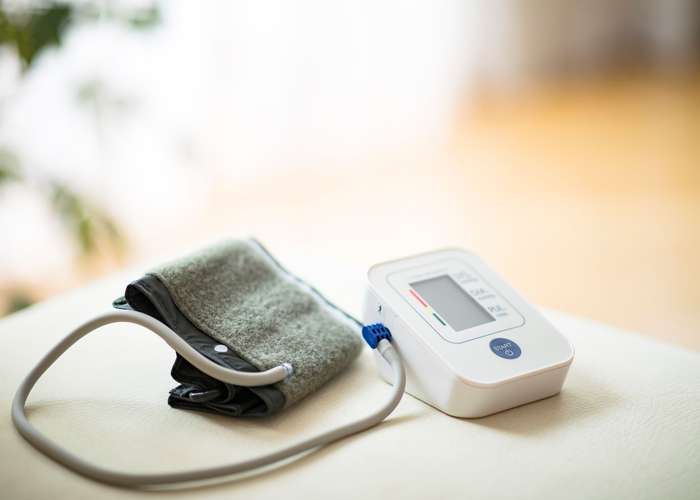
Check up blood pressure regularly
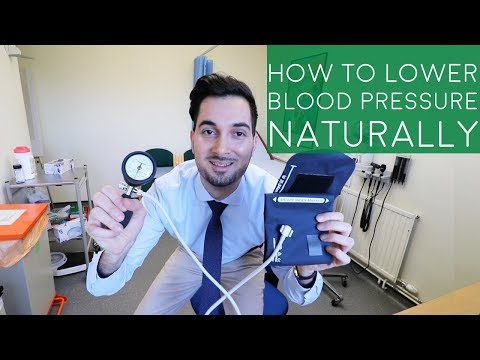
You should monitor your blood pressure regularly. Maintaining an awareness of your numbers can alert you to any changes and help you detect patterns.
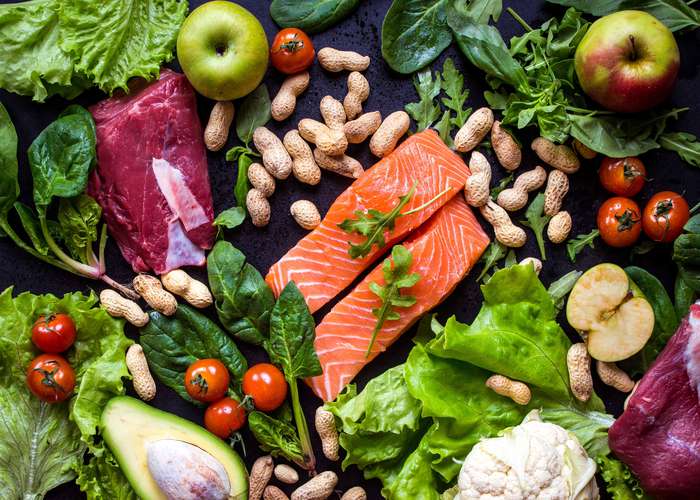
Foods to eat
A well-balanced diet can significantly help manage high blood pressure. Certain foods are particularly effective in supporting heart health and lowering blood pressure due to their nutrient content.
- Leafy Greens: Rich in potassium, which helps the kidneys eliminate more sodium through urine, reducing blood pressure.
- Berries: Contain antioxidants, particularly flavonoids, that improve blood vessel function and reduce inflammation, lowering blood pressure.
- Oats: High in soluble fiber, which helps lower cholesterol levels and improve overall heart health, reducing the strain on the heart and blood vessels.
- Bananas: A great source of potassium, which balances sodium levels and helps relax blood vessels, contributing to lower blood pressure.
- Fatty Fish: Rich in omega-3 fatty acids, which have anti-inflammatory properties and help reduce blood pressure by improving blood flow and reducing artery stiffness.
- Garlic: Contains allicin, which helps to relax blood vessels and improve blood circulation, lowering blood pressure.
- Beets: High in nitrates, which help dilate blood vessels, improving blood flow and lowering blood pressure.
- Yogurt: Provides calcium and probiotics, which support heart health and may help reduce systolic and diastolic blood pressure.
- Dark Chocolate: Contains flavonoids that promote blood vessel relaxation and improve circulation, helping to lower blood pressure when consumed in moderation.
- Pistachios: Rich in healthy fats, fiber, and potassium, pistachios help reduce vascular resistance and improve blood flow, lowering blood pressure.
By incorporating these foods into your diet, you can improve heart health, support proper blood pressure regulation, and potentially reduce the need for medication.
What you should Avoid for Hypertension / High Blood Pressure

Avoid smoking
Smoking is highly detrimental to cardiovascular health and is closely linked to high blood pressure. The chemicals in cigarettes cause immediate and long-term damage to the heart and blood vessels, making it a significant risk factor for hypertension.
- Narrows Blood Vessels: Cigarettes contain nicotine, a stimulant that causes blood vessels to constrict, or narrow. This tightening of blood vessels increases the resistance to blood flow, leading to a rise in blood pressure. The more restricted the blood flow, the harder the heart has to work, causing elevated blood pressure.
- Increases Heart Rate: Nicotine stimulates the release of adrenaline, which causes the heart to beat faster. An increased heart rate forces the heart to pump more blood in a shorter period, further raising blood pressure.
- Damages Blood Vessels: Smoking damages the lining of the arteries, making them more prone to hardening and plaque buildup (atherosclerosis). The stiffening of arteries reduces their flexibility, which makes it harder for blood to flow smoothly, increasing blood pressure.
- Lowers Oxygen in Blood: The carbon monoxide in cigarette smoke binds to hemoglobin, reducing the amount of oxygen in the blood. This forces the heart to work harder to deliver enough oxygen to the body’s tissues, contributing to elevated blood pressure.
- Promotes Inflammation: Smoking triggers inflammation in the blood vessels, leading to further narrowing and making hypertension worse. Chronic inflammation also accelerates the buildup of fatty deposits in the arteries, increasing the risk of heart disease and stroke.
- Impairs Medication Effectiveness: For those on blood pressure medication, smoking can reduce the effectiveness of treatment. The combination of smoking and medication may require more aggressive interventions to control blood pressure levels.

Avoid alcohol
Alcohol can negatively affect blood pressure in several ways, especially when consumed in excess. Here’s a detailed explanation how it does this:
- Increases Blood Pressure: Drinking too much alcohol can cause a temporary spike in blood pressure, and repeated binge drinking can lead to long-term increases. Alcohol stimulates the release of stress hormones like adrenaline, which cause blood vessels to constrict, raising blood pressure.
- Affects Electrolyte Balance: Alcohol interferes with the body’s ability to regulate electrolytes like sodium, potassium, and calcium, which are crucial for maintaining normal blood pressure. When this balance is disrupted, it can lead to elevated blood pressure.
- Weight Gain: Alcoholic beverages are high in calories and often contribute to weight gain. Increased body weight is a significant risk factor for hypertension, as it puts additional strain on the heart and blood vessels.
- Liver and Kidney Damage: Chronic alcohol consumption can damage the liver and kidneys, which play key roles in regulating blood pressure. A weakened liver struggles to process hormones that help control blood pressure, while damaged kidneys lose their ability to maintain proper fluid and sodium balance, both of which lead to increased blood pressure.
- Interaction with Medications: For people already on blood pressure medications, alcohol can interfere with their effectiveness. In some cases, alcohol can even amplify the side effects of these medications, such as dizziness or heart irregularities.
- Increased Risk of Hypertension-Related Diseases: Long-term heavy drinking raises the risk of heart disease and stroke, conditions that are often linked to high blood pressure. Alcohol-induced hypertension can further exacerbate these risks.

Avoid stress
Chronic stress is a major factor that can elevate blood pressure, both directly and indirectly. When we experience stress, the body goes into "fight or flight" mode, triggering physiological responses that impact the cardiovascular system.
- Triggers the Fight-or-Flight Response: During stressful situations, the body releases stress hormones like adrenaline and cortisol, which cause the heart to beat faster and blood vessels to constrict. This immediate response raises blood pressure as part of the body's way of preparing to deal with a perceived threat.
- Elevates Heart Rate: Stress-induced adrenaline increases heart rate, making the heart pump blood more forcefully, which in turn raises blood pressure. While this is a normal reaction, repeated exposure to stress causes these temporary blood pressure spikes to become more frequent and prolonged.
- Promotes Unhealthy Coping Mechanisms: Stress often leads people to adopt unhealthy habits like overeating, smoking, drinking alcohol, or skipping exercise. These behaviors contribute to long-term increases in blood pressure and overall poor cardiovascular health.
- Causes Long-Term Blood Vessel Damage: Chronic stress leads to continuous, low-level activation of the stress response, which can cause inflammation and damage to the inner lining of blood vessels. This damage can contribute to the development of hypertension and heart disease.
- Impacts Sleep Quality: Stress is a common cause of insomnia and poor sleep quality, which are both linked to higher blood pressure. Lack of sleep increases stress hormone levels, leading to further blood pressure elevation over time.
- Increases Risk of Anxiety and Depression: Stress is often associated with anxiety and depression, which are themselves linked to higher blood pressure. The mental strain from these conditions can worsen hypertension, making stress management an essential part of controlling blood pressure.

Foods to avoid
Avoiding certain foods is essential for managing hypertension, as they can elevate blood pressure and negatively impact heart health. Below is a list of foods that should be limited or eliminated from your diet if you have high blood pressure.
- Salty Foods: Sodium causes the body to retain water, increasing blood volume and raising blood pressure. Common offenders include chips, canned soups, and salted snacks. The American Heart Association recommends limiting sodium intake to 2,300 milligrams (mgs) a day, with an ideal limit of no more than 1,500 mg per day for most adults.
- Processed and Cured Meats: Meats like bacon, ham, sausages, and deli meats are packed with sodium and preservatives that contribute to elevated blood pressure and strain the heart.
- Fried Foods: High in unhealthy trans fats and sodium, fried foods can raise blood pressure and cholesterol levels, increasing the risk of heart disease.
- Sugary Beverages: Drinks like soda and sweetened juices contribute to weight gain, insulin resistance, and inflammation, which can all worsen hypertension.
- Canned or Pre-Packaged Foods: These are often loaded with sodium and preservatives, which can contribute to high blood pressure, even in products that don’t taste particularly salty.
- Red Meat: High in saturated fat, red meat can lead to clogged arteries and elevated blood pressure, as well as increase cholesterol levels.
- Pickles and Preserved Foods: These foods are typically preserved in salt, leading to high sodium intake and increased blood pressure.
- Full-Fat Dairy: Full-fat milk, cheese, and butter contain high levels of saturated fat, which can raise cholesterol and contribute to hypertension.
Prevention library Hypertension / High Blood Pressure
- Show only
- Articles
- Videos





Hypertension / High Blood Pressure Prevention Forum
Always respect others and address them in a professional manner. Please remain authentic and objective.Aposbook does not endorse any comment and is not responsible for any wrong information provided by users.


Success! Thank you for your comment.