





Cholesterol Dos and Don'ts: Prevention and lifestyle
What you should Do for Cholesterol

Exercise regularly
Regular exercise is very important to prevent and lower cholesterol because it can:
- Increases HDL ("Good") cholesterol: physical activity has been shown to boost levels of HDL cholesterol, which helps remove excess cholesterol from the bloodstream by transporting it to the liver for processing and elimination. Higher levels of HDL cholesterol are associated with a lower risk of heart disease.
- Lowers LDL ("Bad") cholesterol: exercise can help reduce LDL cholesterol levels by promoting weight loss and improving the body’s ability to metabolize fats. Physical activity enhances the breakdown of fats in the body, reducing the amount of LDL cholesterol circulating in the blood.
- Reduces triglycerides: exercise also lowers triglycerides, another type of fat in the blood. High levels of triglycerides can contribute to the hardening of arteries, increasing the risk of heart disease. Regular exercise helps lower triglycerides by improving the body’s use of glucose and reducing insulin resistance.
- Promotes weight loss: being overweight or obese can raise LDL cholesterol levels and lower HDL cholesterol. Exercise helps with weight loss and maintaining a healthy weight, which in turn helps manage cholesterol levels.
- Improves cardiovascular health: regular physical activity strengthens the heart muscle, improves blood circulation, and reduces the risk of atherosclerosis (plaque buildup in the arteries). Better circulation means that the blood can more effectively transport cholesterol to the liver for removal.
- Reduces stress: exercise helps lower stress levels, which can indirectly benefit cholesterol management. Chronic stress can lead to unhealthy eating habits and metabolic changes that raise cholesterol levels. By reducing stress, exercise contributes to better overall cholesterol control.
Different types of exercise can affect cholesterol in unique ways:
- Aerobic exercise: walking, running, swimming, cycling, and dancing are highly effective in raising HDL ("good") cholesterol and lowering LDL ("bad") cholesterol and triglycerides. These activities improve cardiovascular health by enhancing blood circulation, helping to clear excess cholesterol from the bloodstream.
- Resistance training: weight lifting, resistance band exercises, bodyweight exercises (like push-ups and squats), help build and maintain muscle mass, which boosts metabolism and assists in reducing LDL cholesterol. This type of exercise also enhances overall body composition, which can positively affect cholesterol levels. When combined with aerobic exercise, resistance training provides comprehensive benefits for cholesterol management.
- High-Intensity Interval Training (HIIT): sprinting, cycling, or bodyweight exercises performed in short, intense bursts followed by brief rest periods are different types of HIIT. This kind of training is particularly effective in improving cholesterol levels in a shorter amount of time compared to traditional exercise routines. It raises HDL cholesterol and lowers LDL cholesterol and triglycerides by increasing heart rate and boosting fat metabolism. HIIT also enhances cardiovascular fitness, making it a powerful tool for managing cholesterol and overall heart health.
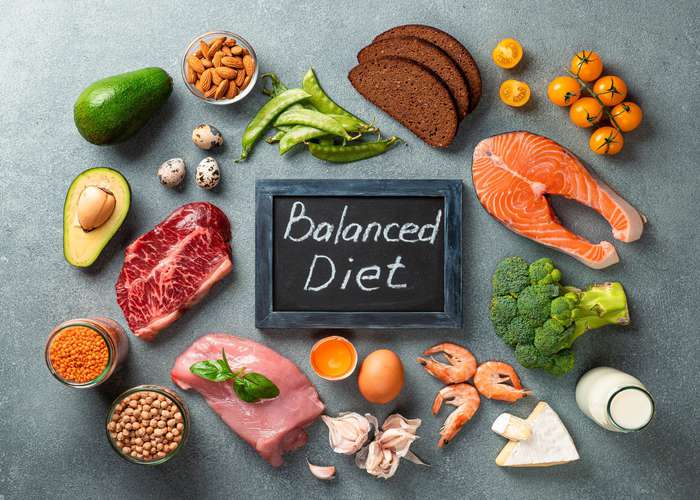
Eat a healthy diet
Following a healthy diet helps reduce and prevent cholesterol primarily by lowering the intake of harmful fats and increasing the consumption of nutrients that promote heart health:
- Fiber: whole grains, fruits, vegetables, and legumes are rich in soluble fiber, which binds to cholesterol in the digestive tract and helps remove it from the body. This reduces the overall cholesterol absorption and lowers LDL cholesterol levels.
- Healthy Fats: unsaturated fats, found in foods like olive oil, avocados, and nuts, help increase HDL ("good") cholesterol. HDL cholesterol aids in transporting LDL cholesterol to the liver for excretion, further reducing the risk of cardiovascular disease.
- Antioxidants and plant sterols: Foods rich in antioxidants (like fruits and vegetables) and plant sterols (found in nuts and seeds) help prevent cholesterol oxidation and absorption, reducing plaque formation in arteries and supporting overall heart health.
What you should Avoid for Cholesterol
Avoid smoking
Not smoking is crucial for maintaining healthy cholesterol levels and protecting cardiovascular health because smoking lowers HDL ("good") cholesterol, which is essential for removing LDL ("bad") cholesterol from the bloodstream. Accordingly, by not smoking, you can help maintain higher HDL levels, which enhances the body's ability to clear excess cholesterol and reduce plaque buildup in the arteries.
Smoking also raises LDL cholesterol and triglycerides levels, and increases the risk of heart disease. Additionally, smoking damages the lining of blood vessels, making it easier for cholesterol to stick and form plaques. By avoiding smoking, you protect your blood vessels from this damage, reducing the risk of plaque formation and improving circulation.
Furthermore, smoking triggers inflammation, which worsens cholesterol-related damage. Staying smoke-free helps minimize this inflammation, leading to better cholesterol management and a lower risk of heart disease.

Avoid bad fats
Avoiding saturated and trans fats is essential for maintaining healthy cholesterol levels and reducing the risk of heart disease.
Saturated fats, found in foods like red meat, full-fat dairy products, and certain oils, can raise LDL ("bad") cholesterol levels, which contributes to the buildup of plaque in the arteries, increasing the risk of atherosclerosis and heart attacks.
Trans fats, often found in processed and fried foods, are even more harmful as they not only raise LDL cholesterol but also lower HDL ("good") cholesterol, further disrupting the balance needed for heart health.
By avoiding these unhealthy fats, you can significantly lower LDL cholesterol, reduce the risk of plaque formation, and protect your cardiovascular system from damage.
Avoid sugar
High sugar intake, particularly from sugary drinks and processed foods, can lead to elevated triglyceride levels, which contribute to the buildup of fat in the bloodstream and increase the risk of heart disease. That's why it is important to avoid sugar if you want to reduce cholesterol levels and improve overall heart health.
Excessive sugar also promotes weight gain and insulin resistance, both of which negatively impact cholesterol levels by raising LDL ("bad") cholesterol and lowering HDL ("good") cholesterol.
Additionally, high sugar consumption triggers systemic inflammation, which damages blood vessels and accelerates plaque formation in the arteries, further increasing cardiovascular risk. Reducing sugar intake helps lower triglyceride levels, minimize inflammation, and support a healthier cholesterol profile.

Limit alcohol
Limiting alcohol consumption is essential for maintaining healthy cholesterol levels and reducing cardiovascular risk. Excessive alcohol intake can raise triglyceride levels and contribute to weight gain, both of which are associated with higher LDL ("bad") cholesterol and lower HDL ("good") cholesterol.
While moderate alcohol consumption may have some benefits for HDL cholesterol, excessive drinking can lead to serious health issues, including liver damage and increased risk of heart disease. Moderation or avoidance of alcohol helps maintain a balanced cholesterol profile and supports overall heart health.
Prevention library Cholesterol
- Show only
- Articles
- Videos
Cholesterol Prevention Forum
Always respect others and address them in a professional manner. Please remain authentic and objective.Aposbook does not endorse any comment and is not responsible for any wrong information provided by users.


Success! Thank you for your comment.