






Hemorrhoids Dos and Don'ts: Tips and Prevention
What you should Do for Hemorrhoids

Drink enough water
Staying hydrated is essential for maintaining overall health and can play a crucial role in managing and preventing hemorrhoids. Proper fluid intake helps to keep stools soft, making bowel movements easier and less painful. Adequate hydration supports digestive health and reduces the risk of constipation, a key factor in the development and exacerbation of hemorrhoids.
Why Staying Hydrated is Crucial
- Softens Stools: Adequate hydration helps maintain soft, easily passable stools, reducing the need to strain during bowel movements. Soft stools are less likely to cause discomfort and exacerbate hemorrhoid symptoms.
- Prevents Constipation: Drinking plenty of water helps prevent constipation by keeping the digestive system functioning smoothly. Proper hydration ensures that the intestines can absorb the right amount of water from food, leading to regular and comfortable bowel movements.
- Reduces Inflammation: Staying hydrated supports overall tissue health, which can help reduce inflammation in the rectal area. Proper hydration can minimize swelling and discomfort associated with hemorrhoids.
- Supports Digestive Health: Proper fluid intake aids in the efficient breakdown and absorption of nutrients, contributing to overall digestive health. This reduces the likelihood of digestive issues that can lead to straining and worsen hemorrhoid symptoms.
Tips for Staying Hydrated:
Drink Plenty of Water: Aim for at least 8 glasses of water per day. Women should target about 2.7 liters (91 ounces) of total daily water intake, including all beverages and foods, while men should aim for about 3.7 liters (125 ounces) to meet their hydration needs.
Include Hydrating Foods: Incorporate foods with high water content, such as cucumbers, watermelon, and oranges, into your diet. These foods can help support your daily fluid intake.
Monitor Your Intake: Pay attention to your body’s signals and adjust your fluid intake as needed. If you notice signs of dehydration, such as dark urine or dry skin, increase your water consumption to stay well-hydrated.
By prioritizing hydration, you can significantly improve your digestive health and help manage hemorrhoid symptoms effectively.

Sitz bath
A sitz bath is a soothing and effective way to relieve hemorrhoid symptoms like pain, itching, and swelling. By immersing the affected area in warm water, a sitz bath can help improve blood flow, reduce inflammation, and promote healing. It’s a simple, natural method that is widely recommended for managing both internal and external hemorrhoids.
How a Sitz Bath Helps with Hemorrhoids:
- Reduces Pain and Itching: The warmth of the water soothes irritated tissues, helping to alleviate pain and itching around the anus and rectum.
- Improves Blood Circulation: Sitting in warm water promotes blood flow to the hemorrhoid area, which can speed up the healing process and reduce inflammation.
- Relieves Swelling: The bath helps to relax the muscles around the anus, which reduces swelling and discomfort, especially after bowel movements.
- Cleanses the Area: Sitz baths can also help keep the anal area clean, reducing the risk of infection, especially if the hemorrhoids have caused bleeding.
How to Take a Sitz Bath:
- Fill the Tub or Basin with Warm Water: Use a sitz bath basin or a clean bathtub and fill it with 2-3 inches of warm water. Make sure the water is comfortably warm, not too hot, as very hot water can cause further irritation.
- Soak for 15-20 Minutes: Sit in the bath with your knees raised slightly to ensure the anal area is fully submerged. Soak for 15-20 minutes to maximize relief.
- Repeat Several Times Daily: For optimal results, take a sitz bath 2-3 times a day, especially after bowel movements when symptoms are at their worst.
- Dry Gently: After the bath, pat the area dry gently with a soft towel. Avoid rubbing, as this can cause irritation.
Tips for Enhanced Relief:
- Add Epsom Salt or Baking Soda: Adding a small amount of Epsom salt or baking soda to the warm water can enhance the soothing effects and further reduce irritation.
- Use a Sitz Bath Basin: A sitz bath basin, which fits over the toilet, offers convenience and comfort for hemorrhoid sufferers. This allows for more frequent and easier baths without needing a full tub.
Sitz baths provide consistent, gentle relief from hemorrhoid symptoms and can be a valuable part of a natural treatment plan.

Keep the lower rectum area clean
Maintaining cleanliness in the lower rectum area is crucial for managing and preventing hemorrhoids. Keeping the area clean helps reduce irritation, prevent infection, and alleviate discomfort associated with hemorrhoids. Proper hygiene practices can also promote healing and prevent the exacerbation of symptoms.
Tips for Keeping the Lower Rectum Area Clean:
- Use Gentle Cleansers: Opt for mild, unscented soaps or wipes specifically designed for sensitive areas. Avoid harsh soaps or products with alcohol, which can irritate the skin.
- Clean After Bowel Movements: Gently clean the area after each bowel movement using soft toilet paper or wipes. Consider using moistened wipes for added comfort and thoroughness.
- Avoid Scrubbing: When cleaning, avoid scrubbing the area. Instead, gently pat or wipe to prevent further irritation.
- Consider Sitz Baths: Regular sitz baths with warm water can help cleanse the lower rectum area while soothing discomfort. This practice can be particularly beneficial after bowel movements.
- Dry Carefully: After cleaning, pat the area dry with a soft towel. Ensure the area is completely dry to prevent moisture buildup, which can lead to irritation or infection.
- Wear Comfortable Clothing: Choose loose-fitting, breathable underwear and clothing to minimize friction and allow the area to stay dry and comfortable.
By maintaining proper cleanliness in the lower rectum area, you can effectively manage hemorrhoid symptoms and reduce the risk of complications. These practices support overall comfort and promote a healthier, more hygienic environment for healing.

Use ice packs
Ice packs can be an effective way to relieve the pain, swelling, and discomfort associated with hemorrhoids. By numbing the area and reducing inflammation, ice packs offer quick, temporary relief without the need for medication. Here's how to use ice packs for hemorrhoid relief:
- Numbing Effect: The cold temperature of the ice pack numbs the area, which can help reduce pain and discomfort. This can be especially helpful after bowel movements, when hemorrhoid symptoms tend to worsen.
- Reducing Inflammation: Ice packs constrict blood vessels, which reduces blood flow to the affected area. This, in turn, helps to reduce the swelling and inflammation of hemorrhoids, especially external ones.
- Preventing Further Irritation: Applying an ice pack can calm irritated tissues, making it less likely that hemorrhoids will continue to be inflamed. It can also help prevent itching and burning, common symptoms of external hemorrhoids.
How to Use Ice Packs Properly:
- Wrap the Ice Pack: Always wrap the ice pack in a cloth or towel to avoid direct contact with the skin. Direct exposure to extreme cold can damage skin tissue, especially in sensitive areas like the anus.
- Apply for 10-15 Minutes: Place the wrapped ice pack on the affected area for 10-15 minutes at a time. This duration provides relief without risking frostbite or skin irritation.
- Rest Between Applications: Allow the area to rest for at least 10 minutes between applications. You can repeat this process several times throughout the day for ongoing relief.
- Combine with Other Remedies: For best results, combine the use of ice packs with other natural remedies like sitz baths, witch hazel, or a high-fiber diet to manage hemorrhoid symptoms effectively.
Ice packs are a simple, accessible, and drug-free way to manage hemorrhoid discomfort, especially in the acute phase of the condition.

Foods to eat
A diet high in fiber and hydration can significantly improve bowel health and help manage or prevent hemorrhoids. Incorporating specific foods into your diet can promote regular bowel movements, reduce constipation, and alleviate symptoms of hemorrhoids. Here are some beneficial foods to include:
1. High-Fiber Fruits
- Apples: Rich in fiber, especially if you eat the skin, apples help soften stools and promote regular bowel movements.
- Pears: Pears are high in fiber and water content, which helps prevent constipation.
- Berries: Strawberries, blueberries, and raspberries provide a good amount of fiber and antioxidants, supporting overall digestive health.
2. Vegetables
Leafy Greens: Spinach, kale, and Swiss chard are high in fiber and help ease bowel movements.
Carrots: Carrots are a good source of fiber and vitamins, contributing to healthy digestion.
Broccoli: High in fiber and beneficial nutrients, broccoli supports regular bowel movements and reduces the risk of constipation.
3. Whole Grains
- Oats: Oats are a great source of soluble fiber, which helps soften stools and promotes digestive health.
- Brown Rice: Unlike white rice, brown rice retains its fiber, aiding in digestion and bowel regularity.
- Quinoa: This grain is high in fiber and protein, supporting overall gut health.
4. Legumes
- Lentils: Packed with fiber and protein, lentils help prevent constipation and support healthy digestion.
- Chickpeas: Chickpeas are rich in fiber and can help manage bowel movements effectively.
- Black Beans: High in fiber and essential nutrients, black beans support healthy bowel function and prevent strain.
5. Nuts and Seeds
- Chia Seeds: Chia seeds are an excellent source of fiber and omega-3 fatty acids, promoting regular bowel movements.
- Flaxseeds: Flaxseeds are high in fiber and can help soften stools and reduce hemorrhoid symptoms.
- Almonds: Almonds provide fiber and healthy fats that support digestive health.
6. Hydrating Foods
- Cucumbers: High in water content, cucumbers help keep stools soft and prevent dehydration.
- Melons: Watermelon and cantaloupe are hydrating fruits that contribute to overall fluid intake and support healthy bowel movements.
7. Herbal Teas
- Peppermint Tea: Peppermint tea can soothe digestive discomfort and support bowel health.
- Ginger Tea: Ginger has anti-inflammatory properties and can help reduce symptoms related to hemorrhoids.
Incorporating these foods into your diet can help maintain healthy digestion, prevent constipation, and manage hemorrhoid symptoms effectively. Aim for a balanced diet rich in fiber and hydration to support overall digestive health.
What you should Avoid for Hemorrhoids

Avoid straining
Straining during bowel movements is a significant factor that contributes to the development and worsening of hemorrhoids. When you strain, you increase pressure on the veins in the rectal area, which can lead to the formation or exacerbation of hemorrhoids. Adopting strategies to minimize strain is crucial for both preventing hemorrhoids and managing existing ones.
Why Straining is Harmful
- Increased Pressure on Rectal Veins: Straining elevates pressure in the veins of the rectal area, causing them to swell and become inflamed, which can lead to or worsen hemorrhoids.
- Contributes to Chronic Constipation: Straining often results from or exacerbates constipation. Hard, dry stools make bowel movements more difficult and painful, leading to further straining and increased hemorrhoid discomfort.
- Aggravates Existing Hemorrhoids: For those with existing hemorrhoids, straining can worsen symptoms like pain and bleeding, and increase the risk of complications such as hemorrhoidal thrombosis.
- Delays Healing: Continuous straining prevents hemorrhoids from healing by maintaining inflammation and irritation, leading to chronic issues and requiring more intensive treatments.
Strategies to Avoid Straining
1. Increase Fiber Intake: Consuming a high-fiber diet helps to soften stools, making them easier to pass and reducing the need to strain.
2. Stay Hydrated: Drinking plenty of water helps maintain soft stools and prevents constipation.
3. Avoid Prolonged Sitting: Avoid sitting on the toilet for extended periods, as this can increase pressure on the rectal veins and contribute to straining.
4. Exercise Regularly: Regular physical activity supports healthy digestion and reduces the risk of constipation.
5. Respond Promptly to Urges: Do not delay bowel movements. Responding promptly to the urge to go can prevent constipation and reduce the need to strain.
By understanding the detrimental effects of straining and adopting strategies to minimize it, you can better manage hemorrhoid symptoms and promote overall digestive health.

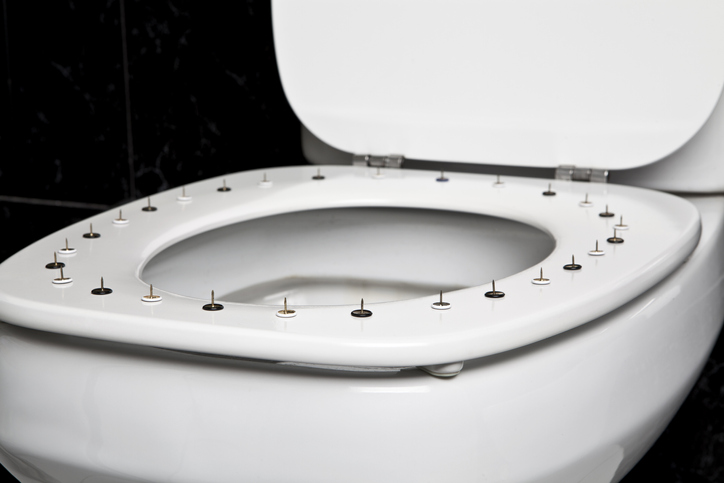
Avoid hard surfaces
Sitting on hard surfaces increases the swelling of existing hemorrhoids and stimulates the formation of new ones. Hence, it’s better to sit on a cushion rather than a hard surface.

Avoid prolonged sitting
Prolonged sitting can lead to increased pressure and straining that can worsen symptoms from hemorrhoids.

Avoid alcohol
Limit or avoid alcohol because it will make your hemorrhoids symptoms worst.
Alcohol consumption is associated with increased internal hemorrhoids and thrombosed external hemorrhoids.

Avoid spicy foods
Avoid spicy foods and red pepper because it might make your hemorrhoids symptoms worst.
Spicy foods are believed to increase the bowl movement and cause diarrhea which might irritate hemorrhoids and make its symptoms worst.

Don't delay time to defecate
When you feel the urge to defecate, go to the bathroom immediately because the stool can back up, leading to increased pressure and straining.
Putting off bowel movement can worsen constipation and worsen hemorrhoids.

Foods to avoid
Certain foods can exacerbate hemorrhoid symptoms by contributing to constipation, increasing irritation, or causing inflammation. Identifying and avoiding these foods can help manage and alleviate discomfort associated with hemorrhoids. A diet high in fiber, combined with adequate hydration, is essential for preventing and reducing hemorrhoid symptoms.
List of Foods
- Spicy Foods: Spicy foods can irritate the digestive tract and exacerbate hemorrhoid discomfort. They may cause additional inflammation and make bowel movements more painful.
- Processed Foods: Foods high in refined sugars and low in fiber, such as white bread and sugary snacks, can contribute to constipation and worsen hemorrhoid symptoms.
- Low-Fiber Foods: Diets low in fiber, such as those consisting of processed meats and cheese, can lead to hard stools and constipation. Increasing fiber intake is essential for softer stools and easier bowel movements.
- Fried Foods: Foods high in fat, such as fried foods, can lead to digestive issues and exacerbate hemorrhoid discomfort by making bowel movements more challenging.
By avoiding these problematic foods and adopting a diet rich in fiber and hydration, you can better manage hemorrhoid symptoms and support overall digestive health.
Hemorrhoids Prevention

Avoid caffeine
Caffeine can significantly impact your digestive health and exacerbate hemorrhoid symptoms because it affects bowel function and hydration levels. This can aggravate discomfort associated with hemorrhoids because it can cause:
- Dehydration: Caffeine's diuretic effects can lead to increased urine output and dehydration. This can result in harder stools, making bowel movements more difficult and painful, thus worsening hemorrhoid symptoms.
- Increased Bowel Movements: Caffeine stimulates the digestive system, potentially leading to more frequent bowel movements. This increased activity can put additional strain on hemorrhoids, leading to greater discomfort.
- Potential for Constipation: While caffeine may sometimes cause diarrhea, it can also contribute to constipation in some individuals by disrupting normal bowel function and causing dehydration.
Reducing or eliminating caffeine intake is a key step in managing and alleviating hemorrhoid symptoms effectively.
Tips for Reducing Caffeine Intake:
- Choose Decaffeinated Options: Opt for decaffeinated coffee, tea, or herbal alternatives to reduce your overall caffeine consumption.
- Limit Caffeinated Beverages: If you consume caffeinated beverages, try to limit your intake to a moderate amount. Gradually reducing your daily intake can help avoid withdrawal symptoms.
- Stay Hydrated: Increase your water intake to counteract the diuretic effects of caffeine, helping to keep stools soft and prevent constipation.
- Explore Alternatives: Herbal teas such as chamomile or peppermint can be soothing and beneficial for digestive health, providing a caffeine-free option.
By minimizing or avoiding caffeine, you can improve your digestive health, maintain proper hydration, and better manage hemorrhoid symptoms.

Exercise regularly
Exercising regularly can help stimulate and maintain proper bowel functioning, which reduces constipation and other intestinal problems.
This helps prevent hemorrhoids and avoid the straining that can worsen the symptoms.
Prevention library Hemorrhoids
- Show only
- Articles
- Videos




Hemorrhoids Prevention Forum
Always respect others and address them in a professional manner. Please remain authentic and objective.Aposbook does not endorse any comment and is not responsible for any wrong information provided by users.


Success! Thank you for your comment.