






Height Growth Dos and Don'ts: Tips and Prevention
What you should Do for Height Growth
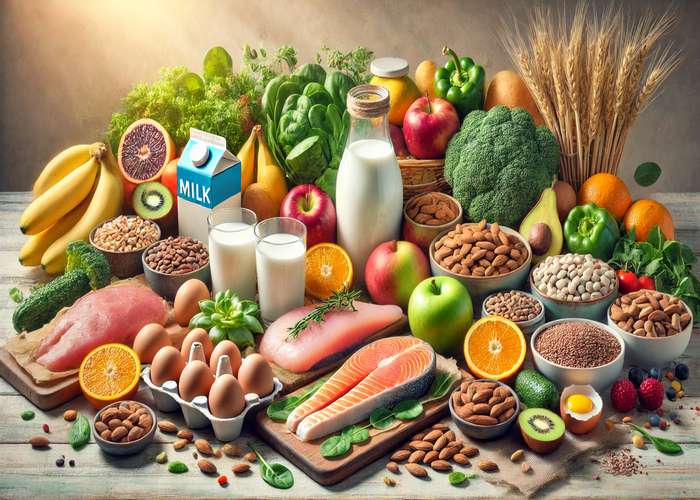
Foods to eat
Proper nutrition plays a crucial role in height growth, especially during childhood and adolescence when the body is developing rapidly. Consuming a balanced diet rich in specific nutrients helps support bone development, muscle growth, and overall health.
Certain foods are particularly effective in providing the essential vitamins, minerals, and proteins needed for optimal growth. By incorporating these foods into daily meals, you can help maximize your height potential.
1. Milk: An excellent source of calcium and Vitamin D, both vital for bone growth and strength. The protein in milk also contributes to muscle development.
2. Eggs: Rich in protein, Vitamin D, and essential amino acids, eggs support growth and development, muscle building, and overall health.
3. Lean Meats: High in protein and zinc, lean meats like chicken, turkey, and beef are essential for tissue repair, growth hormone production, and muscle development.
4. Fish: Fatty fish such as salmon and mackerel provide Omega-3 fatty acids and Vitamin D, promoting bone health and growth while offering high-quality protein.
5. Legumes: Beans, lentils, and chickpeas are excellent plant-based protein sources that also supply iron, zinc, and other nutrients essential for growth.
6. Nuts and Seeds: Rich in healthy fats, protein, and important vitamins and minerals, nuts (like almonds and walnuts) and seeds (such as pumpkin seeds) support overall health and growth.
7. Leafy Greens: Vegetables like spinach, kale, and broccoli are packed with calcium, iron, and Vitamin K, promoting strong bones and overall growth.
8. Fruits: Oranges, bananas, and berries provide essential vitamins, antioxidants, and minerals that support immune health and overall well-being, indirectly aiding growth.
9. Whole Grains: Brown rice, quinoa, and oats offer necessary carbohydrates for energy, along with fiber, vitamins, and minerals essential for growth.
10. Fortified Foods: Foods like fortified cereals and plant-based milks often contain added vitamins and minerals, such as calcium and Vitamin D, crucial for bone health.
Incorporating a variety of these foods into daily meals can help promote height growth by providing essential nutrients necessary for bone development and overall health. A balanced diet rich in proteins, vitamins, and minerals is vital during childhood and adolescence to maximize growth potential.

Prioritize proper sleep
Sleep is a critical component of a child’s growth and development, especially when it comes to maximizing height potential. While genetics play a significant role in determining how tall a child will grow, adequate sleep is essential for supporting their physical development. Understanding the importance of sleep in promoting height increase is vital for parents and caregivers.
The Role of Sleep in Growth
- Hormonal Regulation: During sleep, the body releases growth hormone (GH), which is crucial for growth and development. Most of this hormone is released during deep sleep stages, making sufficient sleep essential for maximizing growth potential.
- Cell Repair and Regeneration: Sleep is the time when the body undergoes repair and regeneration. Muscles grow and recover, and the bones strengthen, which is vital during childhood and adolescence when growth plates are still active.
- Brain Development: Quality sleep supports cognitive function and brain development, which are essential for learning and academic success. A well-rested child is better equipped to focus, learn, and perform well in school.
Recommended Sleep Durations
Different age groups require varying amounts of sleep for optimal growth and development:
- Toddlers (1-3 years): 12-14 hours of sleep per day, including naps.
- Preschoolers (3-5 years): 10-13 hours of sleep per day.
- School-age children (6-13 years): 9-11 hours of sleep per night.
- Teenagers (14-17 years): 8-10 hours of sleep per night.
Tips for Promoting Healthy Sleep Habits
- Establish a Consistent Sleep Schedule: Setting regular bedtimes and wake-up times helps regulate the body’s internal clock, making it easier for children to fall asleep and wake up refreshed.
- Create a Comfortable Sleep Environment: Ensure the bedroom is dark, quiet, and cool, with comfortable bedding. A good sleep environment promotes restful sleep.
- Limit Screen Time Before Bed: Reduce exposure to screens at least an hour before bedtime. The blue light emitted by phones, tablets, and televisions can interfere with the production of melatonin, a hormone that regulates sleep.
- Encourage Relaxation Techniques: Teach children relaxation techniques such as reading, deep breathing, or listening to calming music before bed to help them wind down.
- Monitor Diet and Exercise: A healthy diet and regular physical activity can improve sleep quality. Avoid heavy meals, caffeine, and sugary snacks close to bedtime.
- Limit Naps: While naps can be beneficial for younger children, excessive daytime napping can interfere with nighttime sleep. Encourage short naps if necessary.
Prioritizing sleep is essential for height increase and overall health in children. By ensuring that children get the recommended amount of quality sleep, parents can support their growth potential and contribute to their physical and cognitive development. A well-rested child is not only more likely to grow taller but also to thrive academically and emotionally. By fostering healthy sleep habits, families can lay the foundation for a healthier future.
What you should Avoid for Height Growth

Foods to avoid
While consuming the right foods can promote height growth in children, certain foods can hinder their development and overall health. Being aware of these foods and limiting their intake can help maximize growth potential. Here’s a list of foods that should be avoided or minimized:
1. Sugary Snacks and Sodas: High sugar content can lead to weight gain and negatively impact bone health. Sugary drinks can replace nutrient-rich options, leading to deficiencies in essential vitamins and minerals.
2. Fast Food: Often high in unhealthy fats, sugars, and sodium, fast food can contribute to obesity and poor nutrition, lacking essential nutrients needed for healthy growth.
3. Highly Processed Foods: These foods often contain additives, preservatives, and artificial ingredients, typically lacking the necessary nutrients for growth and contributing to overall poor health.
4. Excessive Dairy Products: While dairy is important for calcium, excessive consumption can lead to an imbalance in the calcium-to-phosphorus ratio, potentially affecting bone health.
5. Salty Foods: High salt intake can lead to dehydration and hinder calcium absorption, which is crucial for bone growth. Processed snacks and fast foods are common culprits.
6. Caffeine: Caffeinated beverages, such as soda and energy drinks, can interfere with calcium absorption and may lead to increased heart rates and anxiety, impacting overall health and development.
7. High-Fat and Sugary Breakfast Cereals: Many commercial breakfast cereals are loaded with sugars and unhealthy fats, providing little nutritional value and contributing to unhealthy eating habits.
8. Refined Grains: Foods made with refined grains, such as white bread and pastries, are stripped of fiber and essential nutrients, leading to blood sugar spikes and unhealthy weight gain.
9. Fried Foods: High in unhealthy fats and calories, fried foods can lead to obesity and associated health problems, potentially impacting growth.
10. Sweets and Desserts: High in sugar and low in nutrients, sweets and desserts can lead to poor eating habits and may displace healthier food choices, hindering growth and development.
Avoiding or limiting these foods can help ensure that children receive the necessary nutrients for optimal height growth. Focusing on a balanced diet filled with whole, nutrient-rich foods will support healthy development and maximize growth potential.
Prevention library Height Growth
- Show only
- Articles
- Videos

Height Growth Prevention Forum
Always respect others and address them in a professional manner. Please remain authentic and objective.Aposbook does not endorse any comment and is not responsible for any wrong information provided by users.


Success! Thank you for your comment.