






Hashimoto Dos and Don'ts: Tips and Prevention
What you should Do for Hashimoto
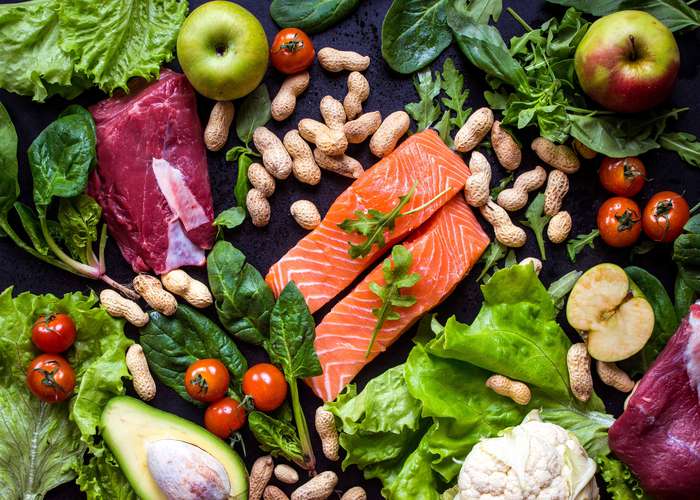
Foods to eat
A well-balanced diet is crucial for managing Hashimoto’s disease and supporting thyroid function. Certain foods can help reduce inflammation, improve hormone regulation, and boost overall health.
Here are some of the best foods to include:
- Leafy greens (spinach, kale, Swiss chard): High in vitamins and antioxidants, these help combat inflammation and support immune health.
- Fatty fish (salmon, mackerel, sardines): Rich in omega-3 fatty acids, these foods reduce inflammation and support thyroid health.
- Nuts and seeds (Brazil nuts, flaxseeds, chia seeds): These provide essential minerals like selenium and zinc, which are vital for thyroid function.
- Eggs: Contain iodine and selenium, both crucial for proper thyroid hormone production.
- Berries (blueberries, strawberries, raspberries): High in antioxidants, they help reduce inflammation and protect the thyroid.
- Gluten-free grains (quinoa, brown rice, oats): Some people with Hashimoto's are sensitive to gluten, so opting for gluten-free grains can reduce digestive discomfort and inflammation.
- Lean proteins (chicken, turkey, tofu): Essential for maintaining muscle mass and energy, especially when dealing with fatigue from hypothyroidism.
These foods can enhance thyroid health, reduce inflammation, and support your overall well-being when managing Hashimoto's disease.
What you should Avoid for Hashimoto
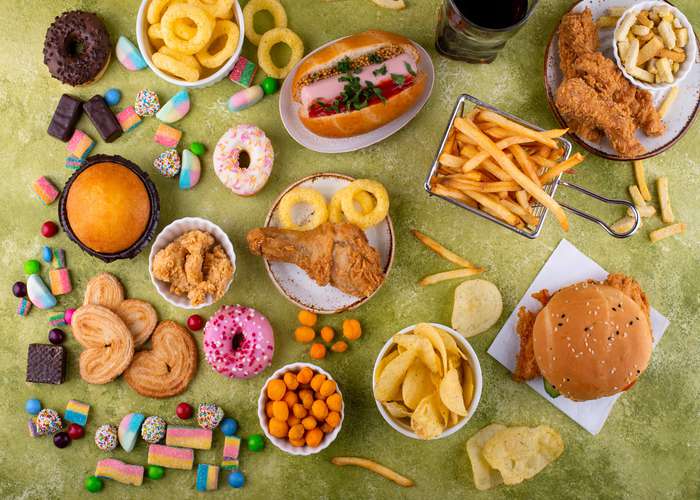
Foods to avoid
For individuals with Hashimoto’s disease, diet can significantly impact thyroid health. Certain foods can interfere with thyroid function, worsen inflammation, and even hinder the effectiveness of your treatment. Avoiding these problematic foods is crucial in managing symptoms and supporting overall well-being. Making mindful dietary choices helps reduce inflammation and ensures your thyroid functions as optimally as possible. Below are the key foods to avoid to better manage Hashimoto’s disease and protect your thyroid health:
- Gluten: Gluten may trigger autoimmune responses in individuals with Hashimoto’s. It’s best to avoid foods like bread, pasta, and cereals made with wheat, barley, or rye.
- Soy Products: Soy contains isoflavones that can interfere with thyroid hormone absorption, especially in those taking thyroid medication. Avoid tofu, soy milk, and other soy-based foods.
- Cruciferous Vegetables (raw): Vegetables like broccoli, cauliflower, kale, and cabbage may impair thyroid function if eaten raw. Cooking them reduces their goitrogenic properties, making them safer for consumption.
- Processed Foods: These often contain high levels of sodium, unhealthy fats, and preservatives that can increase inflammation and disrupt hormone balance. Stay away from packaged snacks, processed meats, and fast food.
- Sugar and Refined Carbohydrates: Hashimoto’s can affect blood sugar regulation, and eating too much sugar can contribute to inflammation and weight gain. Limit sweets, soda, and baked goods.
- Dairy Products: Some people with Hashimoto’s are sensitive to lactose, which can cause digestive issues. If you notice discomfort after consuming dairy, consider eliminating or reducing dairy products like milk, cheese, and yogurt.
- Excessive Iodine: While iodine is essential for thyroid function, too much iodine can worsen Hashimoto’s symptoms. Avoid iodine supplements or excessive intake of iodine-rich foods like seaweed unless instructed by your doctor.
Prevention library Hashimoto
- Show only
- Articles
- Videos

No material available on this topic. You can add relevant content by using the "Add content" option. Together, we can help people and promote knowledge.
Hashimoto Prevention Forum
Always respect others and address them in a professional manner. Please remain authentic and objective.Aposbook does not endorse any comment and is not responsible for any wrong information provided by users.


Success! Thank you for your comment.