






Food Poisoning Dos and Don'ts: Tips and Prevention
What you should Do for Food Poisoning
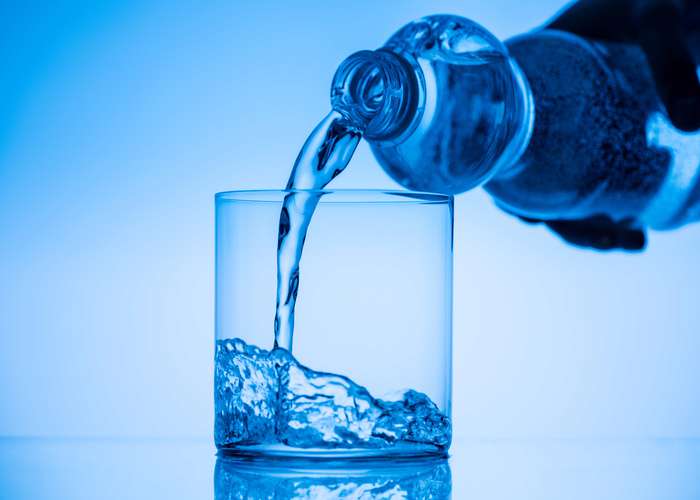
Stay hydrated
Proper hydration is crucial when dealing with food poisoning, as the body loses significant fluids and electrolytes through vomiting and diarrhea. Maintaining hydration helps prevent dehydration, which can lead to more severe health issues. Here’s an in-depth look at hydration and what to do if drinking fluids triggers more vomiting:
1. Importance of Hydration
When experiencing food poisoning, the primary concern is replacing lost fluids and electrolytes to maintain balance and support bodily functions. Dehydration can occur quickly due to frequent vomiting and diarrhea, leading to symptoms such as dry mouth, dizziness, and reduced urination. Adequate hydration helps maintain blood pressure, regulate body temperature, and support kidney function.
2. Recommended Fluids
Clear Liquids: Start with clear liquids that are easy on the stomach, such as water, clear broths, or oral rehydration solutions (ORS). ORS contains electrolytes like sodium and potassium that help replenish lost minerals and fluids more effectively than plain water alone.
Oral Rehydration Solutions (ORS): These solutions are specifically designed to combat dehydration. They are available over-the-counter and contain a balanced mix of electrolytes and sugars to promote absorption and rehydration. Follow the instructions on the packaging for proper use.
3. Dealing with Increased Vomiting
If drinking fluids causes more vomiting, it’s essential to adjust your approach to hydration:
- Take Small Sips: Instead of drinking large amounts of fluid at once, try taking small, frequent sips. This method helps your stomach handle the fluids better and reduces the likelihood of triggering more vomiting.
- Try Ice Chips or Popsicles: Sucking on ice chips or ice pops can be gentler on the stomach and may help keep you hydrated without overwhelming your digestive system. It also helps in managing nausea.
- Use Oral Rehydration Solutions Gradually: If plain water or other fluids cause discomfort, try ORS in small amounts. These solutions are designed to be effective even in smaller quantities, which can help avoid triggering additional vomiting.
- Avoid Caffeinated or Sugary Drinks: Beverages like coffee, tea, and sugary sodas can irritate the stomach further and may worsen symptoms. Stick to clear, non-caffeinated, and low-sugar fluids to avoid aggravating your condition.
- Rest and Wait: If you find that drinking any fluids causes persistent vomiting, it may be best to take a short break from drinking and allow your stomach to settle. After a short period, try again with smaller amounts of fluid.
4. Monitoring Hydration
Keep an eye on signs of dehydration, including dry mouth, decreased urination, dark-colored urine, or dizziness. If you notice these symptoms or if your ability to keep fluids down does not improve, seek medical attention. In severe cases, a healthcare provider may need to administer fluids intravenously to ensure proper hydration and recovery.
By managing fluid intake carefully and choosing the right types of fluids, you can effectively combat dehydration while minimizing the risk of exacerbating nausea or vomiting.

Allow your body to rest
Rest is a critical component of recovery when dealing with food poisoning, and it's essential to understand why taking it easy can significantly impact your recovery process. Here’s an in-depth look at why rest is necessary and the potential consequences of resuming regular activities too soon:
1. Supporting the Immune System
When you’re dealing with food poisoning, your body is fighting off an infection or dealing with the effects of toxins. The immune system is working hard to restore balance and repair any damage. Resting allows your body to allocate more resources to this immune response. Adequate rest helps ensure that the body’s energy is focused on fighting the infection and recovering, rather than being diverted to physical activities.
2. Reducing Stress on the Body
Food poisoning often leads to symptoms like nausea, vomiting, diarrhea, and dehydration, which place significant stress on your body. Engaging in regular activities or exerting yourself physically while still experiencing these symptoms can exacerbate your condition. Resting minimizes additional stress and strain on your body, allowing it to recover more efficiently. It also helps to prevent complications, such as worsening dehydration or exacerbating gastrointestinal distress.
3. Allowing Time for Symptom Relief
Even if you start feeling better, it’s important to give your body time to fully recover. Symptoms of food poisoning can fluctuate, and what seems like an improvement could quickly reverse if you overexert yourself. Rest provides the opportunity for symptoms to stabilize and ensures that the risk of relapse is minimized. Returning to normal activities too soon can lead to a resurgence of symptoms, potentially extending the duration of your illness.
4. Preventing Complications
Returning to your usual routine too quickly can lead to complications. For instance, if you resume physical activities while still experiencing dehydration, you risk further dehydration and electrolyte imbalances. Overexertion can also increase the likelihood of developing more severe symptoms or complications, such as gastrointestinal bleeding or kidney issues, especially if the food poisoning was severe.
5. Enhancing Overall Recovery
Adequate rest promotes overall well-being and helps speed up the recovery process. By resting, you are less likely to experience fatigue and weakness, which are common after food poisoning. A well-rested body is better equipped to handle recovery and return to full health more quickly.
6. Recognizing the Signs of Overexertion
If you feel better and are tempted to resume normal activities, be cautious. Monitor for signs of overexertion, such as increased fatigue, nausea, or a return of symptoms. If you notice these signs, it’s a signal to return to rest and allow your body more time to heal.
7. Balancing Activity with Rest
When you start feeling better, gradually reintroduce activities rather than jumping back into your regular routine. Begin with light, non-strenuous activities and pay attention to how your body responds. If you experience any resurgence of symptoms or discomfort, it’s important to scale back and continue resting until you’re fully recovered.
What you should Avoid for Food Poisoning
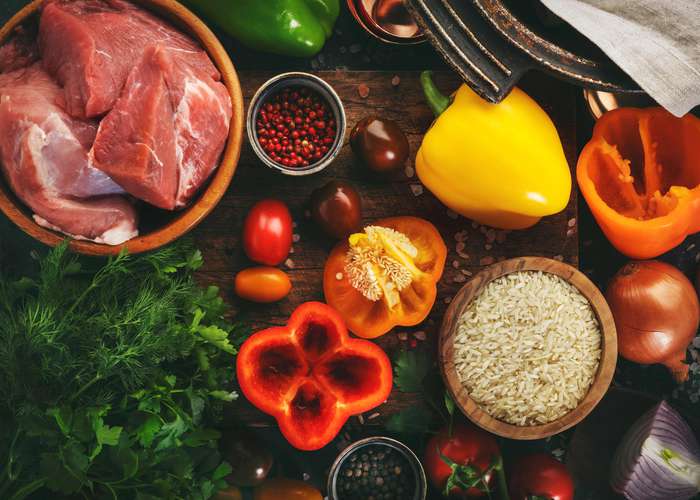
Avoid solid foods
Solid foods are those that require significant digestion by the stomach and intestines, as opposed to liquids that are absorbed more quickly. They include items like meats, grains, vegetables, fruits, and dairy products. Unlike clear liquids, which are absorbed and processed relatively quickly by the digestive system, solid foods need to be broken down through chewing and digestive enzymes, which can be taxing on an already distressed gastrointestinal tract.
After food poisoning, the digestive system is often inflamed and sensitive. Introducing solid foods too soon can further irritate the stomach and intestines, leading to more severe symptoms. To allow the digestive system to recover properly, it is essential to start with fluids and gradually reintroduce solid foods only when you feel ready.
Eating solid foods when you have food poisoning can lead to:
- Aggravation of Symptoms: After experiencing food poisoning, the gastrointestinal tract is often inflamed and sensitive. Consuming solid foods too soon can further irritate the stomach and intestines, potentially exacerbating symptoms such as nausea, vomiting, and diarrhea. The digestive system needs time to recover from the stress and damage caused by the illness.
- Risk of Worsening Nausea: Solid foods are harder to digest than liquids. Introducing them too early can trigger more nausea and lead to additional vomiting. This can create a cycle of nausea and vomiting that hampers recovery and can lead to further dehydration.
- Digestive Discomfort: The digestive system may still be adjusting after food poisoning, and solid foods can cause discomfort or pain. Eating solid foods before your digestive system is ready can lead to bloating, gas, and cramping.
- Delayed Recovery: Eating solid foods prematurely can delay the recovery process. It’s important to allow your stomach and intestines to settle before reintroducing solid foods. Starting with a bland diet once vomiting subsides helps to ensure that you can tolerate food without complications.
Food Poisoning Prevention
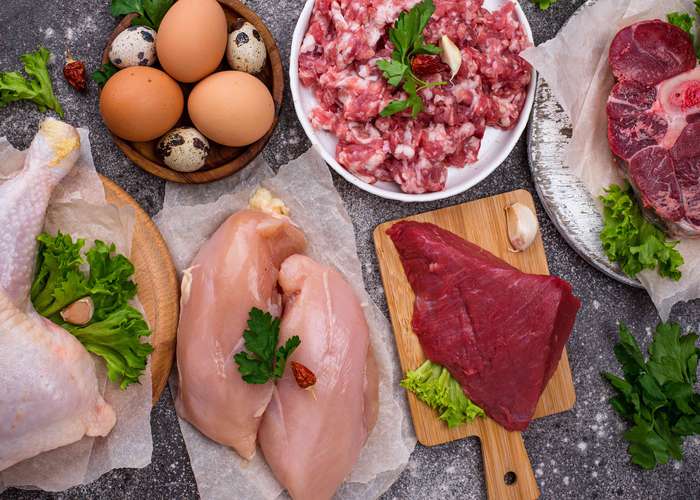
Avoid high-risk foods
Certain foods are more prone to contamination and should be handled with extra caution. Raw or undercooked meats, including poultry, beef, and seafood, should be thoroughly cooked to eliminate harmful pathogens. Unpasteurized dairy products, such as raw milk and cheeses made from raw milk, can harbor dangerous bacteria like Listeria and E. coli and should be avoided or substituted with pasteurized products.
Raw eggs, often found in dishes like homemade mayonnaise or mousse, can contain Salmonella and should be avoided, especially in recipes where eggs are not fully cooked. If consuming these foods is desired, opt for pasteurized eggs or egg products to reduce the risk.
By adhering to these practices, you can significantly reduce the risk of food poisoning and ensure a safer food preparation and consumption experience.
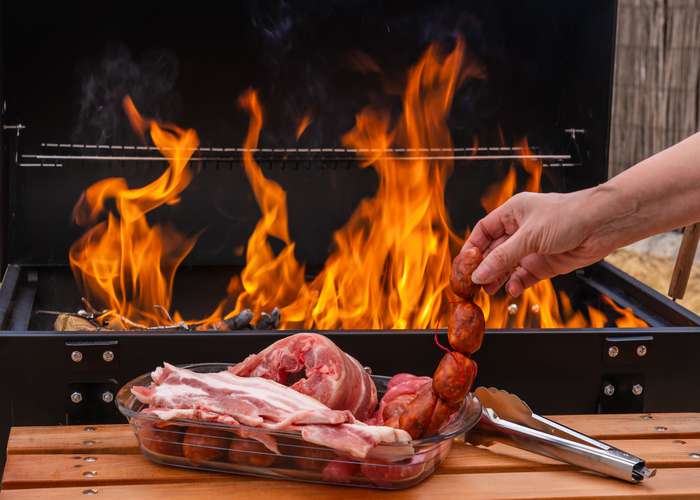
Cook food thoroughly
Cooking food to the appropriate internal temperatures is crucial for killing harmful pathogens. Different foods require different temperatures to ensure they are safe to eat:
- Poultry: Chicken and turkey should be cooked to an internal temperature of 165°F (74°C). This temperature ensures that any bacteria like Salmonella or Campylobacter are destroyed.
- Beef, Pork, and Lamb: Whole cuts of beef, pork, and lamb should reach at least 145°F (63°C). Ground meats, such as burgers, should be cooked to 160°F (71°C) to ensure that any pathogens are thoroughly killed.
- Seafood: Fish and shellfish should reach an internal temperature of 145°F (63°C). This helps eliminate pathogens like Vibrio and parasites that can be present in raw or undercooked seafood.
Using a food thermometer is the most reliable way to check that these temperatures have been reached. It’s particularly important for larger cuts of meat, where the internal temperature may not be uniform.
Maintain safe food storage
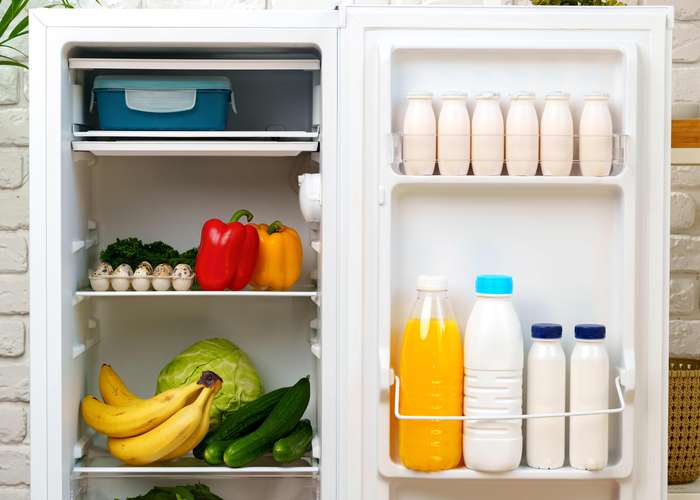
Proper food storage and preservation are crucial for maintaining food safety and preventing foodborne illnesses. Start by keeping your refrigerator at a temperature below 40°F (4°C) to slow bacterial growth. Regularly check the temperature with a thermometer to ensure it remains within this safe range. Store perishable foods such as meats, poultry, dairy products, and leftovers in the refrigerator promptly to avoid the growth of harmful pathogens. Avoid leaving these items at room temperature for more than two hours, or one hour if the temperature is above 90°F (32°C), as bacteria multiply rapidly in warmer conditions.
For freezing, set your freezer at 0°F (-18°C) to keep frozen foods safe and maintain their quality. Use freezer-safe bags or containers to protect food from freezer burn and contamination. Ensure that foods are properly wrapped and labeled with dates to manage storage times and avoid consuming items that may have gone bad.
When preserving foods through canning, freezing, or drying, follow proper guidelines to prevent spoilage and contamination. For canning, use tested recipes and appropriate equipment to process foods at the correct temperature and pressure, ensuring the destruction of harmful bacteria like Clostridium botulinum. For freezing, promptly freeze foods and avoid overloading the freezer, which can affect temperature consistency.
By adhering to these food storage and preservation practices, you can significantly reduce the risk of foodborne illnesses and ensure that your food remains safe and fresh.
Proper food handling
Safe food handling is essential to prevent foodborne illnesses. Begin by thoroughly washing your hands with soap and water before and after handling food, especially raw meat, poultry, or seafood. This practice helps remove any bacteria or contaminants that could spread to other foods or surfaces. Use separate cutting boards and utensils for raw meats and other food items, such as vegetables and fruits, to avoid cross-contamination. Raw meat can harbor harmful pathogens like Salmonella and E. coli, which can transfer to other foods if proper separation is not maintained.
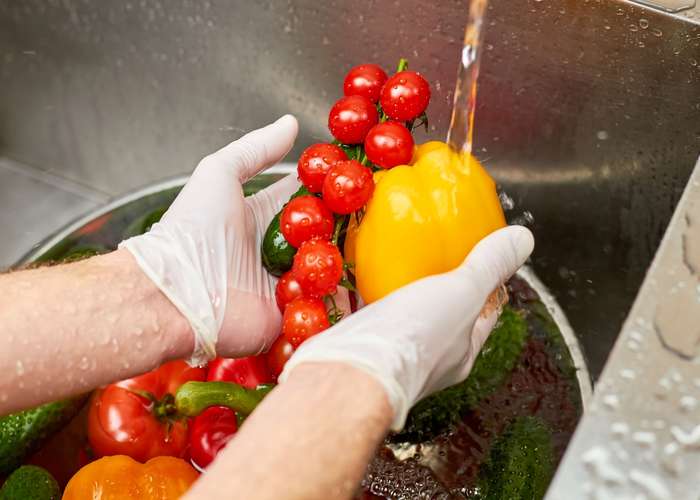
Additionally, wash all fruits and vegetables under running water before consumption or cooking, even if they have skins or peels. This removes dirt, pesticides, and potential pathogens that could cause food poisoning. For leafy greens, it’s helpful to rinse them in a bowl of water and then use a colander to drain and further clean them.
Prevention library Food Poisoning
- Show only
- Articles
- Videos


Food Poisoning Prevention Forum
Always respect others and address them in a professional manner. Please remain authentic and objective.Aposbook does not endorse any comment and is not responsible for any wrong information provided by users.


Success! Thank you for your comment.