





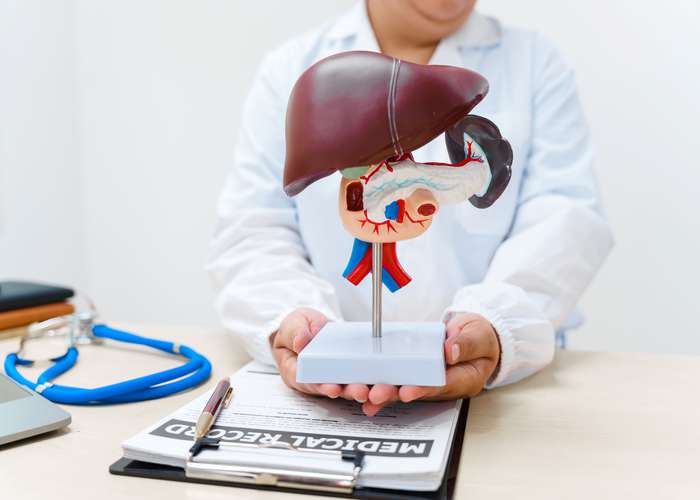
Fatty Liver Dos and Don'ts: Tips and Prevention
What you should Do for Fatty Liver (Hepatic Steatosis)

Exercise regularly
Exercising regularly is very important to reduce fat in the liver as it helps lower cholesterol and triglycerides, as well as it helps reduce weight. Aim for at least 150 minutes of moderate-intensity aerobic exercise (like walking or cycling) per week, along with strength training exercises.

Stay hydrated
Drink plenty of water throughout the day to support overall liver function.

Maintain a healthy weight
A healthy weight is essential for liver health because excess body fat, particularly visceral fat around the abdomen, increases the risk of fatty liver disease. This extra fat can lead to insulin resistance, causing the liver to store more fat.
Over time, the accumulation of fat in the liver can lead to inflammation, fibrosis (scarring), and eventually more severe liver diseases like Non-Alcoholic Steatohepatitis (NASH) or cirrhosis.

Follow a healthy diet
Following a healthy diet is crucial to improve liver health because it provides the nutrients your liver needs to function properly while avoiding foods that contribute to fat accumulation. Diets rich in fruits, vegetables, whole grains, lean proteins, and healthy fats help reduce fat buildup, inflammation, and oxidative stress, which supports the liver function.
By limiting intake of unhealthy fats, refined carbohydrates, and processed foods, you decrease the liver’s burden of metabolizing excess fats and sugars, which can lead to fatty liver. A balanced diet also helps with weight management, further protecting against liver fat accumulation and its associated risks.
What you should Avoid for Fatty Liver (Hepatic Steatosis)

Avoid sugar
It is recommended to avoid sweets and added sugars because they are harmful to liver health as they contribute directly to fat accumulation in the liver. When you consume high amounts of sugar, especially fructose (found in many sweetened beverages and processed foods), the liver converts it into fat. Over time, this process can lead to the development of fatty liver disease, even in people who are not overweight.
In addition, excessive sugar intake is linked to insulin resistance, which further exacerbates liver fat buildup. Reducing or eliminating sweets and sugary foods from your diet helps prevent fat accumulation in the liver, supports overall liver function, and reduces the risk of developing or worsening fatty liver disease.

Avoid alcohol
Avoiding alcohol is critical for anyone with fatty liver disease, especially if you suffer from Alcoholic Fatty Liver Disease (AFLD) or you are at risk of developing it. Alcohol is toxic and can damage liver cells because when it is metabolized in the liver, it produces harmful byproducts like acetaldehyde and free radicals. These substances cause oxidative stress and inflammation, which can damage the liver and lead to fat accumulation in the liver.
Over time, consistent alcohol consumption can hinder the liver’s ability to repair itself, leading to more serious conditions such as alcoholic hepatitis (inflammation of the liver) and cirrhosis (extensive scarring and irreversible damage). Even in individuals with Non-Alcoholic Fatty Liver Disease (NAFLD), alcohol can exacerbate liver damage and accelerate the progression to more severe forms of liver disease.
By avoiding alcohol, the liver is given a chance to heal and reduce fat accumulation, inflammation, and further damage. This helps prevent the progression of fatty liver disease and reduces the risk of developing life-threatening liver conditions like cirrhosis or even liver cancer.
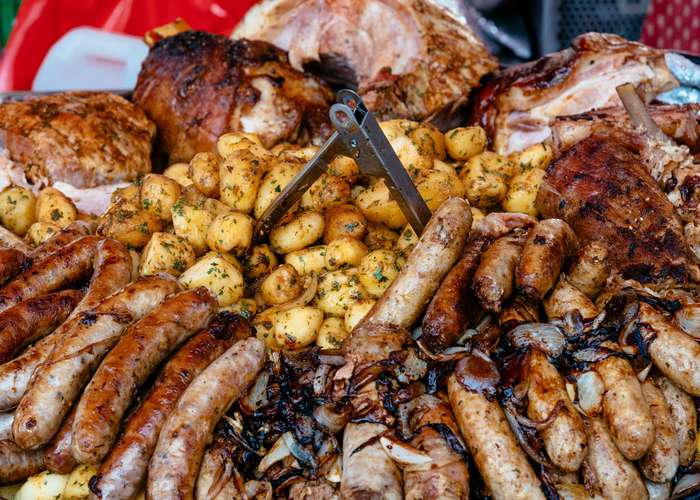
Avoid junk and processed food
Processed and junk foods can be very harmful for the liver due to their high content of unhealthy fats, sugars, and refined carbohydrates, as these can lead to the development and progression of fatty liver disease.
- Unhealthy Fats: These foods are often rich in trans fats and saturated fats, which contribute to fat accumulation in the liver. This buildup can cause liver cells to become inflamed, which increases the risks of liver damage and progression to more severe liver diseases.
- Sugars and Refined Carbohydrates: The high levels of added sugars and refined carbohydrates found in processed and junk foods can lead to spikes in blood sugar and cause insulin resistance. The latter forces the liver to store more fat, which can further inflame it and lead to the development of Non-Alcoholic Steatohepatitis (NASH).
Accordingly, it is critical to reduce the intake of processed and junk foods to lower fat accumulation in the liver, reduce inflammation, and protect the liver from further damage.
Prevention library Fatty Liver (Hepatic Steatosis)
- Show only
- Articles
- Videos

No material available on this topic. You can add relevant content by using the "Add content" option. Together, we can help people and promote knowledge.
Fatty Liver (Hepatic Steatosis) Prevention Forum
Always respect others and address them in a professional manner. Please remain authentic and objective.Aposbook does not endorse any comment and is not responsible for any wrong information provided by users.


Success! Thank you for your comment.