





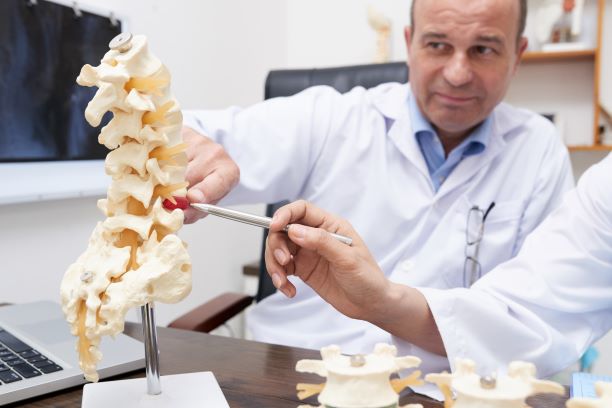
Herniated Disc Dos and Don'ts: Prevention and Lifestyle
What you should Do for Disc Herniation

Maintain good posture
Maintaining a proper posture can help heal a herniated disc faster. Good posture also prevents herniated discs, especially when bad posture can cause the deeper degradation of the intervertebral discs that cushion the spinal column.
Having good posture would also prevent deeper inflammation and damage to the spinal column.
Make sure you maintain good posture when working in front of a computer or when weightlifting.

Maintain spine alignment
You should always sleep in a relaxed position that does not put pressure on your back and neck, and make sure to keep your spine alignment.
If you sleep on your side, it is vital to use a pillow between your legs to maintain spine alignment, or a pillow under your knees if you sleep on your back.
Sleeping for long hours in the wrong position can have damaging effects on the spine.
Choose the right pillow
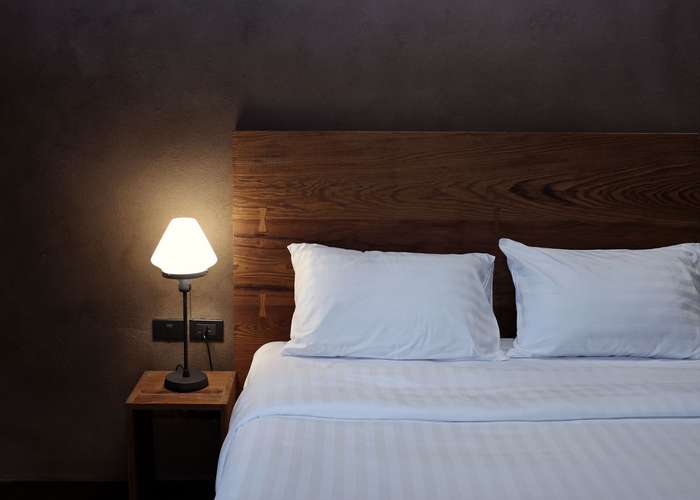
Choose the right pillow for you. You will need to take into consideration the quality of the material used to make it, the correct form and size, and the shape of the pillow.
The right pillow would help keep your spine aligned and leveled during sleep.

Stretch and relax your muscles
Stretching and relaxing the muscles and joints serves as a form of pain relief and reduces disc degeneration.
Stretching also strengthens the muscles and stabilizes the spine.
Special training regimens and exercises can even heal or prevent the formation of herniated discs.

Dietary changes
Changing your diet can help treat herniated discs. For example, collagen-based diets can help heal the affected area since collagen helps heal damaged discs and tissue.
Anti-inflammatory herbs or an anti-inflammatory diet can also be used to further reduce the inflammation in the area.

Proper lifting techniques
When lifting a heavy load, do not bend at the waist. Bend your knees while keeping your back straight and use your leg muscles to help you support the load.
Using proper lifting techniques in day-to-day activities can lead to less disc degeneration over the years.
Maintain a healthy weight
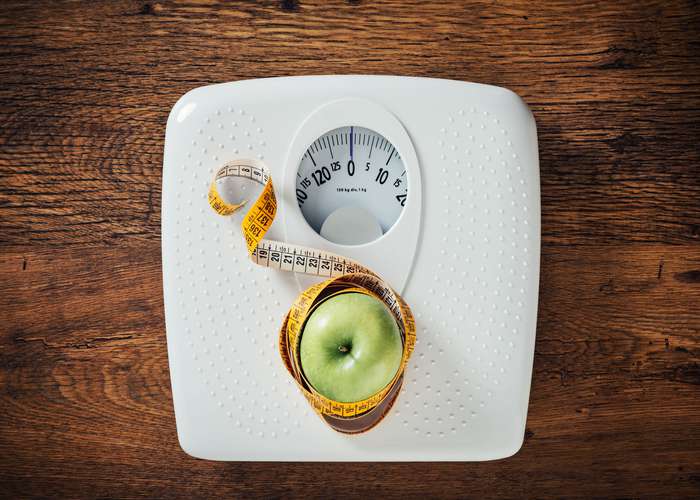
Excess weight puts more pressure on the lower back, which in turn will make disc degeneration become worse and promote the formation of herniated discs.
Assess your predisposition
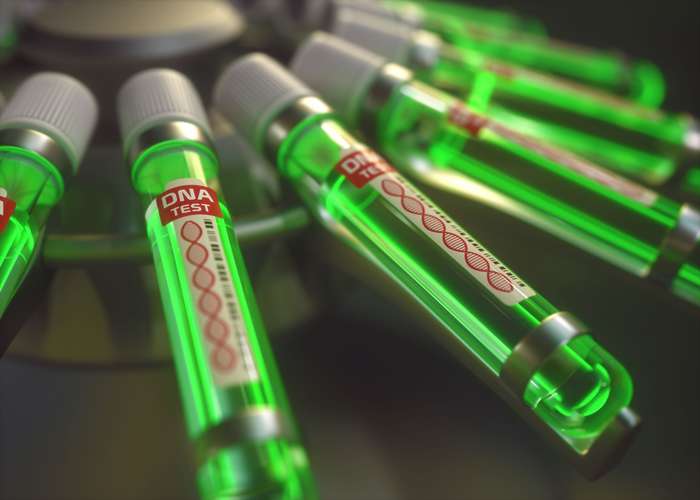
It's important to assess genetic or environmental predisposition.
Preventive imaging analysis can be used to assess patients that are predisposed to develop disc herniations. MRI scans can detect potential disc abnormalities.
Patients can then take steps to prevent the abnormalities from developing into a bulge or a herniated disc.
Studies have shown that an MRI scan can detect disc abnormalities in about 30% of asymptomatic and otherwise normal patients.
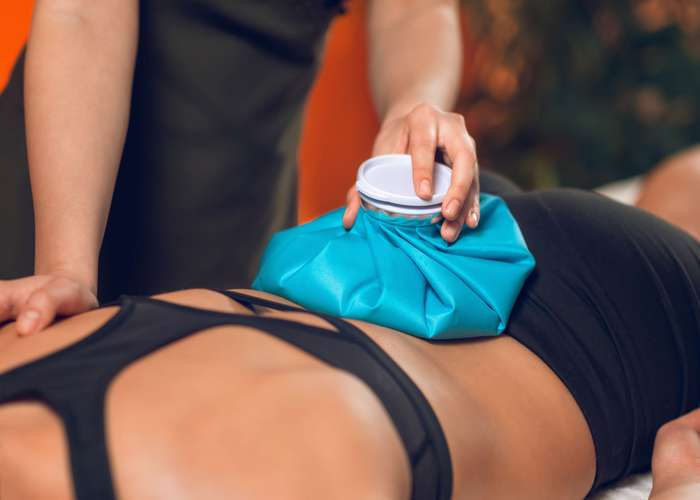
Apply ice
Herniated discs can cause spinal nerve inflammation and swelling which is one of the leading causes of herniated discs pain.
Applying ice can help you reduce inflammation and control the pain. This is because cold temperatures constrict the veins and arteries in that area.
One of the most common mistakes that people do is applying heat to herniated discs because this will increase inflammation and might cause things to worsen.
It is important to be aware that tensed muscles or muscle spasms can cause also similar pain to herniated discs. However, it should not be confused with herniated discs pain because treatment is completely different.
If you have a tensed muscles pain you will need to apply heat to relax the muscles. Applying ice for tensed muscles will make your situation get worst as it will contract them more.
What you should Avoid for Disc Herniation

Avoid sitting for a long time
Patients frequently report increased pain when sitting. Sitting also increases the pressure on the discs and lower back by nearly 40%.
Increased pressure can lead to an increase in disc degeneration and, possibly, disc herniation.
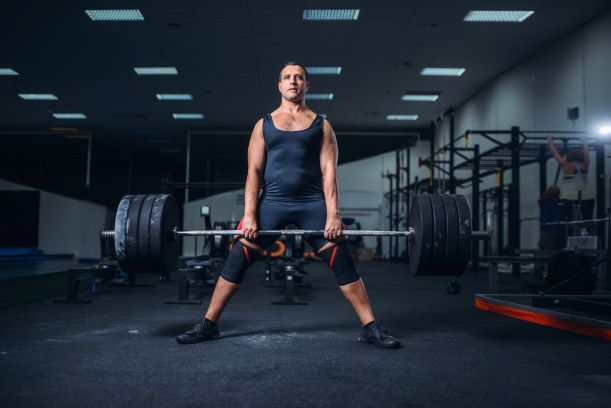
Avoid lifting heavy weights
Patients affected by any form of a disc herniation should avoid lifting unnecessary weights, such as furniture or even carrying heavy bags.
This is because, combined with bad posture, lifting heavy weights can further strain disc health, increasing disc degeneration and disc herniation.
One should always maintain aligned posture when carrying or holding any object.
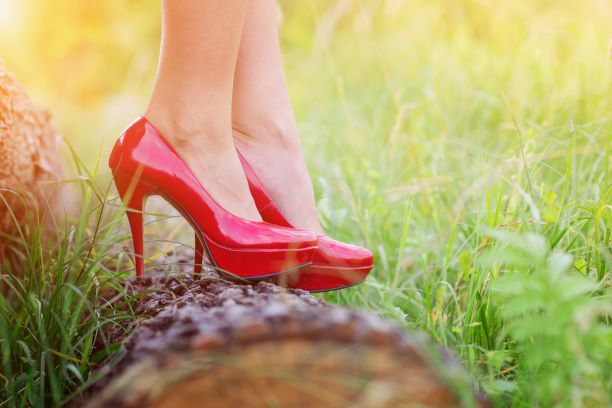
Don’t wear high-heeled shoes
Continually wearing high-heeled shoes can add additional strain on the spinal column.

Don’t lift your arms over your shoulder
Lifting your arms over your shoulder, especially if you're carrying some weights, can further induce pain caused by disc degeneration.
Prevention library Disc Herniation
- Show only
- Articles
- Videos




Disc Herniation Prevention Forum
Always respect others and address them in a professional manner. Please remain authentic and objective.Aposbook does not endorse any comment and is not responsible for any wrong information provided by users.


Success! Thank you for your comment.