





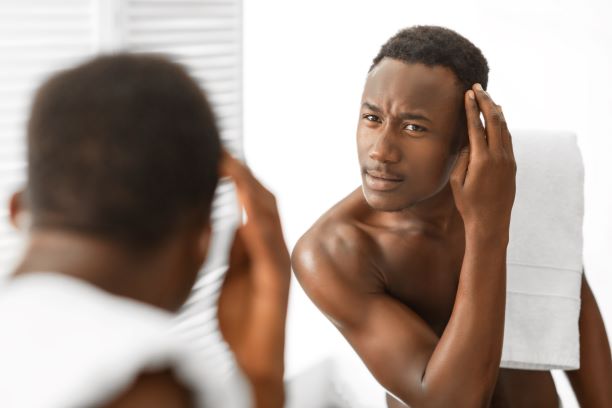
Dandruff Dos and Don'ts: Tips and Prevention
What you should Do for Dandruff
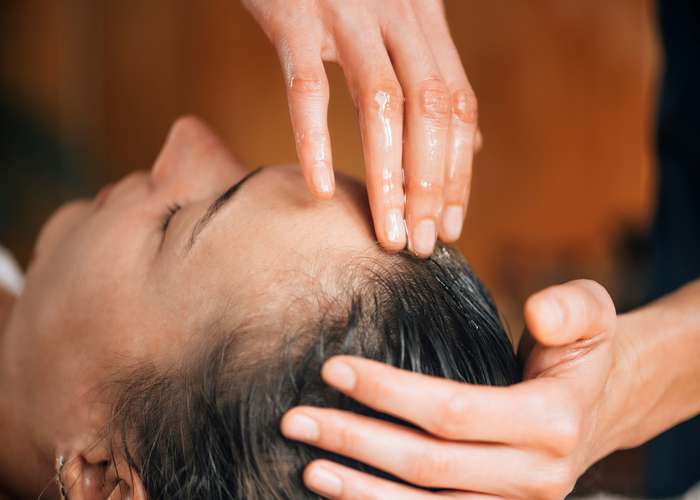
Exfoliate your scalp
Exfoliating your scalp is a beneficial practice for managing dandruff, a condition that causes flaking and irritation on the scalp. Just like exfoliating your face or body removes dead skin cells and promotes healthy skin, scalp exfoliation helps remove the buildup of oil, dead skin, and product residue that can worsen dandruff. Dandruff occurs when the scalp sheds skin cells too rapidly, often due to excess oil production, sensitivity to certain products, or fungal overgrowth. These excess skin cells clump together, leading to visible flakes. Exfoliation is a natural way to combat this buildup and maintain a healthier scalp.
By incorporating scalp exfoliation into your routine, you can address one of the root causes of dandruff — the accumulation of dead skin cells. Additionally, exfoliating can help improve the effectiveness of anti-dandruff treatments by ensuring the scalp is clean and free from excess oil and debris. This allows other products, such as medicated shampoos, to penetrate the scalp more deeply, making treatments more effective.
Regular exfoliation not only helps manage dandruff but also improves overall scalp health. A clean scalp allows hair follicles to function better, which can promote stronger, healthier hair growth. When done properly, exfoliating can balance oil production, remove irritants, and prevent dandruff-causing fungi from thriving. This simple yet effective treatment is a great addition to your dandruff management plan, alongside regular washing and proper scalp care.
Effective Steps to Exfoliate Your Scalp for Dandruff Control
Here’s how to exfoliate your scalp for dandruff relief:
1. Choose a Gentle Scrub: Look for scalp scrubs containing natural exfoliants like sugar, sea salt, or ground coffee, or opt for chemical exfoliants with ingredients like salicylic acid, which helps break down excess skin cells.
2. Apply on Wet Hair: Exfoliate your scalp while it's wet, after thoroughly dampening your hair in the shower. This helps the scrub spread more easily and reduces irritation.
3. Massage Gently: Using your fingertips, gently massage the exfoliant into your scalp in circular motions for about 5 minutes. Avoid using your nails, as they can scratch and irritate the scalp.
4. Rinse Thoroughly: After massaging, rinse your scalp thoroughly to ensure no residue remains. Use lukewarm water to avoid drying out the scalp.
5. Follow with Shampoo: After exfoliating, wash your hair with an anti-dandruff shampoo to further cleanse the scalp and treat any underlying issues like excess oil or fungal infections.
6. Moisturize: Follow with a scalp-friendly conditioner or apply natural oils like coconut oil to keep the scalp hydrated.
How Often to Exfoliate
Exfoliate the scalp 1-2 times a week. Over-exfoliation can irritate the scalp and worsen dandruff, so avoid doing it too frequently.
Exfoliation not only helps control dandruff but also promotes better hair health by clearing the scalp of debris, allowing hair follicles to breathe and grow more effectively.
October 2024
AposBook
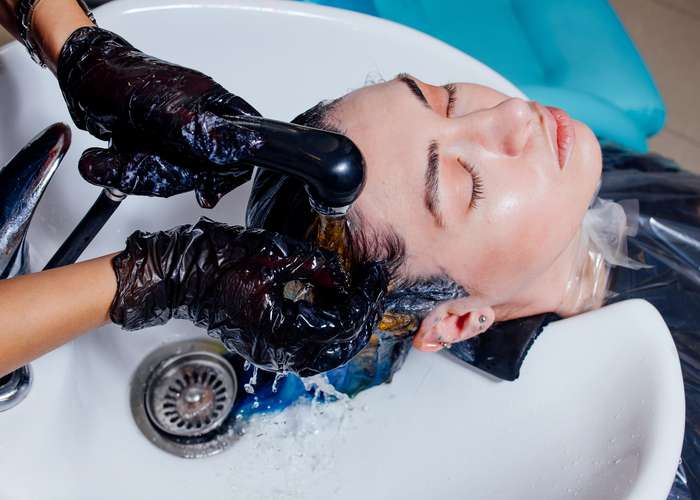
Use special shampoos
Dandruff can be challenging to manage, but one of the most effective treatments is using specially formulated anti-dandruff shampoos. These shampoos contain active ingredients that target the root causes of dandruff, such as excess oil production, fungal overgrowth, and skin cell buildup. By using the right shampoo regularly, you can significantly reduce dandruff, prevent scalp irritation, and improve overall scalp health.
Two key ingredients commonly found in anti-dandruff shampoos are zinc and sulfur. These compounds have unique properties that make them effective at reducing dandruff and controlling the factors that contribute to its development.
How Zinc Helps Reduce Dandruff
Zinc, specifically in the form of zinc pyrithione, is a well-known ingredient in anti-dandruff shampoos. Zinc pyrithione has antifungal, antibacterial, and anti-inflammatory properties, making it a powerful solution for dandruff. Since one of the primary causes of dandruff is the overgrowth of a yeast-like fungus called Malassezia, zinc pyrithione works by reducing the population of this fungus on the scalp. By controlling Malassezia, zinc helps prevent the scalp irritation and flaking associated with dandruff.
Additionally, zinc has soothing properties, helping to calm inflammation and reduce scalp sensitivity. This can be especially beneficial for people with dandruff caused by seborrheic dermatitis, a condition where the scalp becomes inflamed, oily, and flaky.
How Sulfur Shampoos Combat Dandruff
Sulfur is another powerful ingredient found in some anti-dandruff shampoos. Known for its antimicrobial and keratolytic (skin-shedding) properties, sulfur helps treat dandruff in two key ways: by reducing the population of fungi and bacteria on the scalp and by helping to shed the top layer of dead skin cells.
Sulfur’s keratolytic action helps to break down and remove excess dead skin cells that build up on the scalp, preventing the formation of visible flakes. This is particularly useful for individuals whose dandruff results from rapid skin cell turnover. By gently exfoliating the scalp, sulfur helps maintain a healthier scalp surface, reducing the appearance of dandruff flakes.
Additionally, sulfur has antimicrobial properties that can help inhibit the growth of Malassezia, further preventing the fungal overgrowth that often exacerbates dandruff.
Combining Zinc and Sulfur for Maximum Results
Some dandruff shampoos combine zinc and sulfur, providing a dual approach to combat both fungal overgrowth and excess skin cell shedding. When used regularly, these shampoos can keep the scalp balanced, reduce irritation, and provide relief from chronic dandruff.
How to Use Special Shampoos for Dandruff
To get the most out of your anti-dandruff shampoo, follow these steps:
1. Choose the right shampoo: Look for shampoos containing zinc pyrithione, sulfur, or other active ingredients like salicylic acid or ketoconazole, depending on your scalp condition.
2. Follow the recommended frequency: For mild dandruff, using the shampoo two to three times a week may be sufficient. For more severe cases, daily use might be necessary initially. Always follow the product’s instructions.
3. Lather and massage properly: Apply the shampoo to wet hair, focusing on the scalp. Gently massage it in with your fingertips to ensure the active ingredients reach the scalp. Let it sit for a few minutes to allow the ingredients to work.
4. Rinse thoroughly: Make sure to rinse your hair and scalp thoroughly to remove all product residue. Incomplete rinsing can lead to product buildup, which can worsen dandruff.
5. Alternate shampoos: If you’re using an anti-dandruff shampoo regularly, it can be helpful to alternate it with a regular, gentle shampoo to prevent the scalp from becoming overly dry or irritated.
6. Stick to the routine: Consistency is key when it comes to managing dandruff. Continue using the shampoo even when symptoms improve to prevent dandruff from returning.
Additional Benefits of Anti-Dandruff Shampoos
Besides reducing flakes, anti-dandruff shampoos can also improve overall scalp health. Ingredients like zinc and sulfur can help soothe an irritated scalp, reduce redness, and balance oil production. A healthier scalp also promotes better hair growth, as it allows hair follicles to function properly without being clogged by oil or dead skin cells.
Other Active Ingredients in Anti-Dandruff Shampoos
In addition to zinc and sulfur, some anti-dandruff shampoos contain other ingredients that target dandruff:
- Salicylic Acid: Helps exfoliate the scalp, removing excess dead skin cells.
- Ketoconazole: A potent antifungal agent that targets Malassezia overgrowth.
- Coal Tar: Slows down the shedding of dead skin cells on the scalp.
Conclusion
Using special anti-dandruff shampoos is one of the most effective ways to manage dandruff. Formulas containing zinc pyrithione and sulfur work by reducing fungal overgrowth, soothing irritation, and preventing the buildup of dead skin cells on the scalp. By incorporating these shampoos into your routine, you can take control of dandruff and maintain a healthier scalp.
October 2024
AposBook
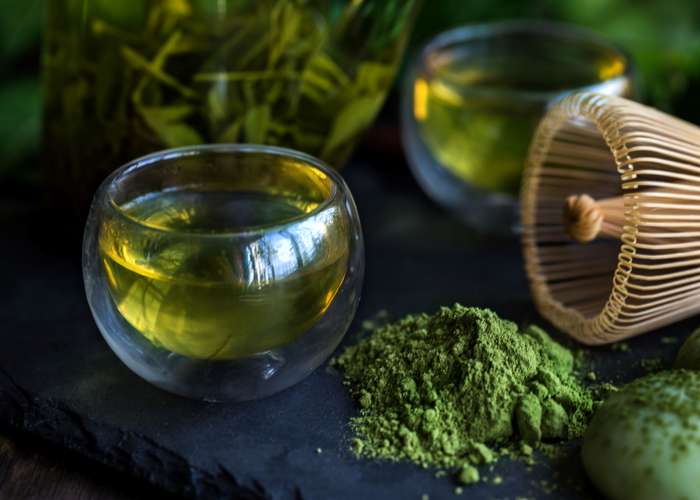
Use green tea
Applying green tea on your scalp can promote a healthy scalp because green tea has antioxidants and anti-microbial properties.
What you should Avoid for Dandruff
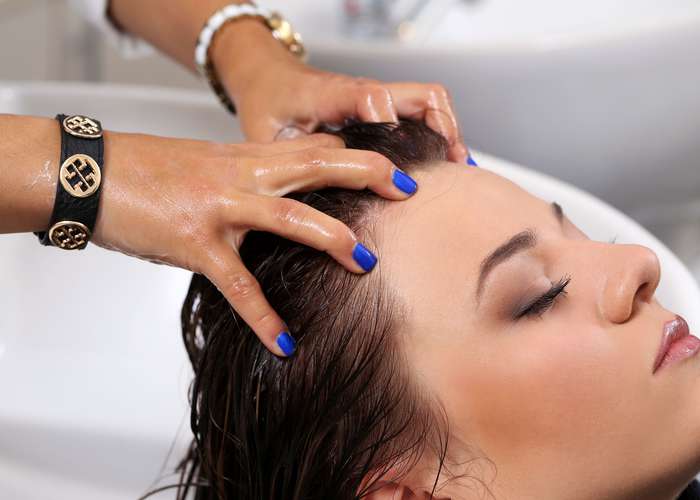
Don’t scratch your scalp
Scratching the scalp when you have dandruff can feel like a natural response to the itchiness caused by the condition. However, while it may offer temporary relief, scratching can actually worsen the problem. Scratching not only damages the skin but can also increase the flaking and irritation, making the dandruff more noticeable. Let's take a deeper look into why scratching is harmful and how it differs from exfoliating, a much healthier approach to managing dandruff.
Why Scratching Worsens Dandruff
- Increases Irritation: Scratching the scalp when it's itchy causes friction, which irritates the scalp further. This can inflame the skin and worsen the sensitivity that contributes to dandruff.
- Damages the Skin: The scalp's protective skin barrier is delicate, and scratching it can break the surface, leading to small wounds, sores, or scabs. These injuries can become infected, leading to more discomfort and potentially more serious scalp issues.
- Triggers Excessive Flaking: When you scratch your scalp, you're likely loosening more flakes than would naturally fall off. This can create the appearance of more severe dandruff, making the issue more visible.
- Stimulates Oil Production: Scratching can stimulate the sebaceous (oil) glands in your scalp. Over time, this extra oil production can worsen dandruff, especially if the condition is triggered by an overgrowth of Malassezia, a fungus that feeds on scalp oil.
The Difference Between Scratching and Exfoliating
While both involve physical contact with the scalp, the way they affect dandruff is completely different. Scratching harms the scalp, while exfoliating can be beneficial if done correctly.
Scratching: Why It's Harmful
- Uncontrolled Friction: Scratching uses your fingernails, which creates uneven, harsh friction against the scalp. This disrupts the skin barrier, causing damage and inflammation.
- Involuntary Movement: Often, scratching is a quick and aggressive response to itchiness, and it doesn't follow any particular method or routine. This rough, uncontrolled motion can lead to more harm than relief.
Exfoliating: Why It's Beneficial
Controlled Process: Exfoliating involves using specialized scalp treatments or gentle scrubbing tools to remove dead skin cells in a controlled manner. This helps unclog hair follicles and promotes healthier skin renewal without damaging the skin barrier.
Removes Build-Up: Exfoliation targets not just the dead skin but also excess oil, product build-up, and any impurities that may contribute to dandruff. By cleaning the scalp, it reduces the factors that can worsen the condition.
Stimulates Blood Flow: The gentle massaging motion used during exfoliation can stimulate blood circulation to the scalp, which promotes overall scalp health without the negative effects of scratching.
How to Properly Exfoliate Your Scalp
When done correctly, scalp exfoliation can help manage dandruff by removing dead skin cells, excess oil, and product build-up that could be contributing to the condition. Here’s how to exfoliate your scalp safely:
- Choose the Right Product: Look for gentle scalp scrubs or exfoliating shampoos specifically designed for dandruff relief. These products often contain ingredients like salicylic acid or tea tree oil to help remove flakes and calm irritation.
- Use a Soft Brush or Exfoliating Tool: If you prefer a physical exfoliator, use a soft brush designed for the scalp. Apply gentle pressure to avoid irritating the skin.
- Apply in Circular Motions: Whether you're using a product or a brush, apply it in small, circular motions to ensure an even exfoliation across the scalp.
- Don’t Overdo It: Limit exfoliation to once or twice a week, as too much exfoliation can dry out or irritate the scalp, potentially worsening dandruff.
Special Shampoos for Dandruff: A Better Option Than Scratching
If you're experiencing dandruff, another helpful alternative to scratching is the use of special anti-dandruff shampoos. Many of these shampoos contain ingredients like zinc pyrithione, selenium sulfide, or ketoconazole, which help reduce fungal populations and control oil production.
- Zinc Pyrithione: Known for its anti-fungal and anti-bacterial properties, it helps reduce the yeast population on the scalp that often leads to dandruff.
- Selenium Sulfide: This ingredient slows down the rate at which skin cells die and flake off, preventing excessive shedding of skin.
- Ketoconazole: An anti-fungal agent that targets the yeast that can trigger dandruff, reducing irritation and flaking.
Using these shampoos a few times per week can help keep dandruff under control without causing the damage associated with scratching.
FAQs About Scratching and Dandruff
Is scratching dandruff bad for the scalp?
Yes, scratching can irritate the scalp, worsen inflammation, and even lead to small injuries that may get infected.
Why does dandruff make my scalp itchy?
Dandruff can trigger an inflammatory response that causes itchiness due to excess skin cell shedding and fungal overgrowth.
What’s the difference between scratching and exfoliating?
Scratching is uncontrolled and harmful to the scalp, while exfoliating is a controlled process that gently removes dead skin and promotes scalp health.
Can scratching make dandruff worse?
Yes, scratching can stimulate more flaking and damage the scalp, making dandruff appear worse.
How often should I exfoliate my scalp if I have dandruff?
Exfoliating once or twice a week is usually sufficient to help manage dandruff without over-drying or irritating the scalp.
Do anti-dandruff shampoos work better than scratching?
Yes, special anti-dandruff shampoos containing ingredients like zinc, selenium, or ketoconazole are much more effective at reducing dandruff than scratching.
Can scratching cause hair loss?
Repeated scratching can damage hair follicles and potentially contribute to hair loss in severe cases.
How can I stop my scalp from itching without scratching?
You can use anti-dandruff shampoos, moisturizers, or scalp treatments that soothe irritation and reduce itching.
Does dandruff mean my scalp is dirty?
No, dandruff is often caused by an imbalance in skin cell turnover, excess oil production, or a fungal infection, not by poor hygiene.
October 2024
AposBook
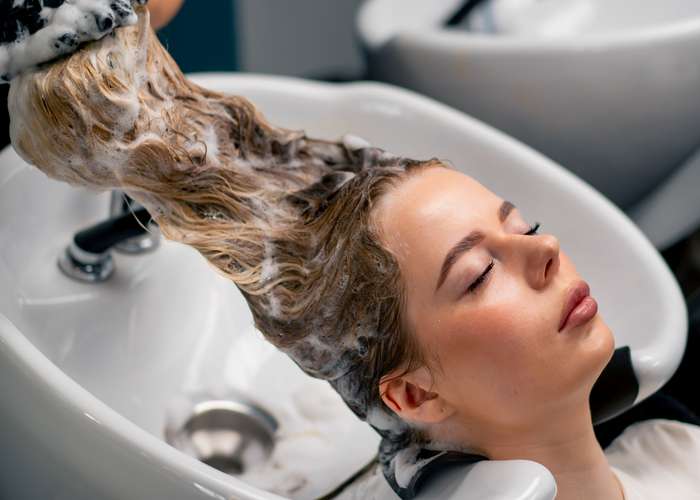
Don't over wash your hair
Dandruff is a common scalp condition that can be both uncomfortable and embarrassing. One of the key factors in managing dandruff is understanding the impact of your hair-washing routine. While regular washing is essential for keeping your scalp clean, over-washing can lead to adverse effects, such as increased dryness and irritation.
Over-washing your hair can strip the scalp of its natural oils, which play a vital role in maintaining scalp health and balance. When you wash your hair too frequently, the scalp compensates by producing more oil, creating a cycle of excess oil production and dandruff. The key is to find a balance between keeping your scalp clean and avoiding over-drying it.
Why Overwashing is Bad for Dandruff
Here’s how over-washing affects dandruff:
- Strips Natural Oils: Frequent washing can remove the protective oils from your scalp, leading to dryness. A dry scalp can flake more, making dandruff worse.
- Triggers Excess Oil Production: As the scalp tries to replenish the oils lost from over-washing, it may produce excess sebum (oil). This, in turn, creates a favorable environment for the overgrowth of Malassezia, a yeast that can lead to dandruff.
- Leads to Dryness and Irritation: Over-washing with harsh shampoos can irritate the scalp, leading to inflammation and more flaking.
To avoid exacerbating dandruff, it’s important to wash your hair just enough to keep the scalp clean but not too often that it dries out. For most people, washing two to three times a week is sufficient. Using a gentle, moisturizing shampoo can also help maintain a healthy scalp.
How Often Should You Wash Your Hair to Prevent Dandruff?
The frequency of washing your hair is crucial for maintaining scalp health and managing dandruff effectively. Here are some general guidelines based on different scalp types:
- Normal to Oily Scalp: If you have an oily scalp, aim to wash your hair 3 to 4 times a week. This helps control excess oil production and reduces the likelihood of Malassezia yeast overgrowth, which can lead to dandruff.
- Dry Scalp: For individuals with a dry scalp, washing 2 to 3 times a week is usually sufficient. This allows you to cleanse the scalp without stripping away essential moisture. Choose gentle, hydrating shampoos to help maintain the scalp's natural barrier.
- Severe Dandruff: Those experiencing persistent dandruff may benefit from using a medicated shampoo every other day to combat fungal growth and reduce flaking. Look for shampoos containing active ingredients specifically designed to target dandruff.
How to Wash Your Hair Properly
The method of washing is equally important as how often you wash your hair. Follow these steps for effective cleansing:
- Use Lukewarm Water: Hot water can dry out the scalp. Opt for lukewarm water to keep the scalp hydrated.
- Apply Shampoo to the Scalp: Focus on the scalp when applying shampoo, gently massaging it in with your fingertips. This helps remove excess oil and dead skin cells effectively.
- Be Gentle: Avoid aggressive scrubbing or scratching, as this can irritate the scalp. Instead, use gentle circular motions to clean without causing harm.
- Rinse Thoroughly: Ensure all shampoo is rinsed out to prevent product buildup, which can contribute to dandruff.
- Condition the Ends: Apply conditioner mainly to the ends of your hair to avoid adding extra oil to the scalp.
Conclusion
By following the recommended hair-washing frequency and techniques, you can create a healthy environment for your scalp and effectively manage dandruff. Understanding the balance between cleanliness and moisture is key to preventing the discomfort and embarrassment associated with dandruff, allowing you to enjoy a healthier scalp and hair.
October 2024
AposBook
Prevention library Dandruff
- Show only
- Articles
- Videos



Dandruff Prevention Forum
Always respect others and address them in a professional manner. Please remain authentic and objective.Aposbook does not endorse any comment and is not responsible for any wrong information provided by users.


Success! Thank you for your comment.