





Cancer Dos and Don'ts: Tips and Prevention
What you should Do for Cancer
Drink water
It’s important to stay hydrated for overall health. Consume water and healthy juices.
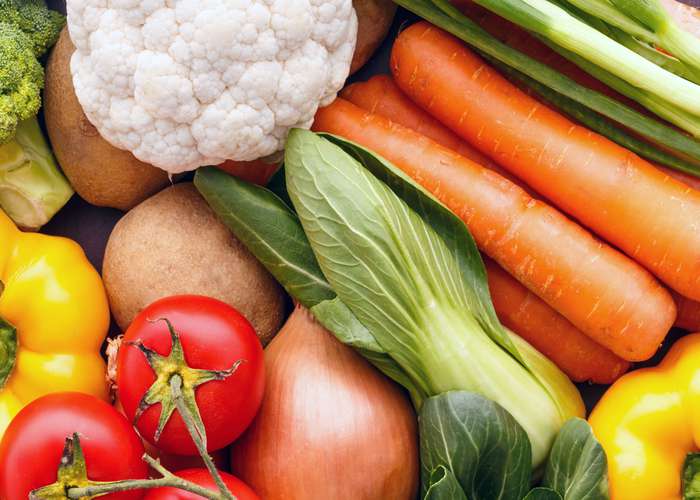
Eat organic food
It’s recommended to go for organic foods that are free from pesticides and other chemicals.
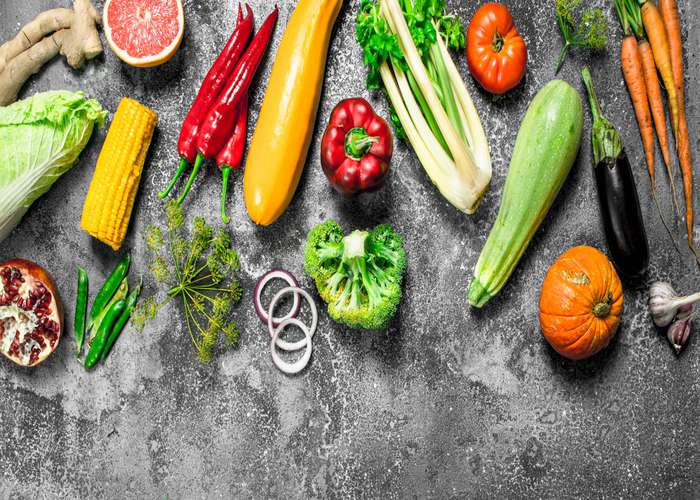
Eat whole food
It’s recommended to go for foods that have not been refined or processed.
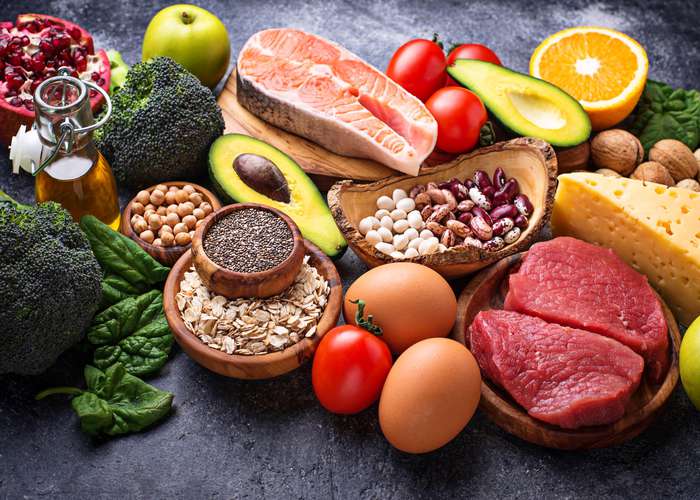
Eat nutrient dense foods
It’s important to eat foods that are rich in nutrients and avoid empty calorie foods meaning foods that have calories but no nutrients.
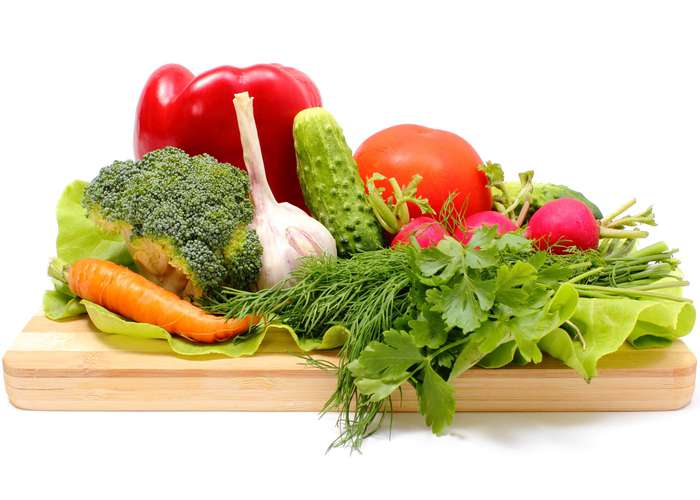
Eat raw vegetables
Raw vegetables are very good for health. They contain essential vitamins, minerals, and other important nutrients.
They also have most important enzymes. Plus, they act as antioxidants.

Personalize your food plan
Cancer patients should consult their doctor for a customized eating plan. Each patient has a different case, and it’s recommended to get advice on what is good for your specific condition.
It’s important to be aware that some of the foods that you might have regularly consumed, can be bad for your case.
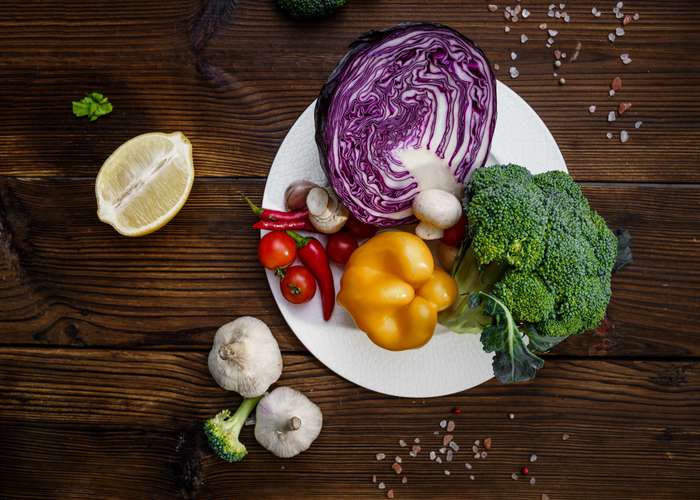
Foods to eat
A variety of foods are known for their cancer-fighting properties due to their high content of antioxidants, anti-inflammatory compounds, and other nutrients that protect cells and help prevent the development of cancer. Here are some of the top foods that may help reduce cancer risk:
Food categories
Cruciferous Vegetables (Broccoli, Cauliflower, Brussels Sprouts, Kale, Cabbage)
Cruciferous vegetables are rich in sulforaphane, a compound that has shown significant anti-cancer properties. These vegetables also contain indoles and isothiocyanates, compounds that support the body’s ability to detoxify potential carcinogens and slow cancer cell growth. Regular consumption of cruciferous vegetables is linked to a reduced risk of cancers, particularly colorectal, lung, prostate, and breast cancers.
Broccoli, is one of the most famous cruciferous vegetable, rich in sulforaphane and other cancer-fighting compounds. These nutrients help detoxify harmful chemicals in the body, slow cancer cell growth, and even kill cancer cells. Broccoli has been linked to a reduced risk of lung, prostate, and colon cancers.
Soy
Soy foods, such as tofu, tempeh, and soy milk, contain isoflavones, a type of phytoestrogen that has both antioxidant and anti-inflammatory effects. While the role of soy in cancer prevention has been debated, many studies suggest that moderate consumption of soy may help lower the risk of breast and prostate cancers, especially in people who consume soy from an early age. Isoflavones may help regulate hormone levels, potentially offering protection against hormone-related cancers. However, excessive soy consumption is often discussed with caution due to its possible hormone-like effects.
Allicin and Sulfur-Rich Foods for Cancer Prevention
Certain foods, particularly those in the Allium family, contain allicin and sulfur compounds, which are believed to have anti-cancer properties. These compounds help detoxify carcinogens, reduce inflammation, and protect against oxidative stress, which may contribute to cancer prevention. Here are some of the key foods:
- Garlic: Rich in allicin, garlic is a potent antioxidant and anti-inflammatory food. It has been linked to a lower risk of cancers such as stomach, colorectal, and prostate cancers.
- Onions: Containing sulfur compounds like quercetin, onions are known to lower oxidative stress and inflammation. Studies suggest they may reduce the risk of digestive cancers, such as colon and stomach cancer.
- Shallots: Packed with similar sulfur compounds, shallots may help prevent cancer by inhibiting tumor growth, particularly in the digestive system.
- Leeks: Though milder in flavor, leeks contain allicin and are thought to reduce cancer risk, particularly in the digestive tract, by promoting detoxification.
- Chives: These are another source of sulfur compounds, which support detoxification and may help lower cancer risk by reducing oxidative damage.
Berries
Berries such as blueberries, strawberries, raspberries, and blackberries are packed with antioxidants and fiber. Their high levels of vitamin C and flavonoids can help protect cells from oxidative stress and inflammation. Berries are linked to a reduced risk of cancers like breast, colon, and esophageal cancer, as they may slow cancer cell growth.
Dark Leafy Greens (Spinach, Kale, Swiss Chard)
Dark leafy greens are packed with carotenoids and folate, both of which support DNA repair and protect cells from damage. Chlorophyll in these greens may also block carcinogenic compounds in the body. These vegetables may help lower the risk of various cancers, including breast, skin, and stomach cancers.
Food Items
Black Beans
Black beans are a high-fiber food that can help reduce cancer risk, particularly in the colon. Fiber promotes gut health by aiding digestion and may reduce the risk of colorectal cancer. Black beans also contain antioxidants that protect against cell damage.
Lemon
Lemons, and other citrus fruits, contain high levels of vitamin C, an antioxidant that protects cells from free radical damage. In addition, lemons contain limonoids, compounds that may slow the growth of cancer cells, especially in cancers like stomach, breast, and lung cancer.
Turmeric
Turmeric contains curcumin, which has strong anti-inflammatory and antioxidant properties. Curcumin has been extensively studied for its potential to slow cancer cell growth, inhibit tumor formation, and reduce the spread of cancer cells. Turmeric is particularly effective when combined with black pepper, which enhances curcumin’s absorption.
Green Tea
Green tea is rich in catechins, antioxidants known to help protect cells from oxidative damage and inflammation. Studies have shown that green tea consumption may lower the risk of breast, liver, prostate, and skin cancers by preventing DNA damage and slowing tumor growth.
Tomatoes
Tomatoes contain lycopene, an antioxidant linked to a reduced risk of prostate cancer. Lycopene helps protect cells from oxidative stress and may inhibit the growth of cancer cells. Cooked tomatoes, like tomato sauce, enhance lycopene absorption in the body.
What you should Avoid for Cancer
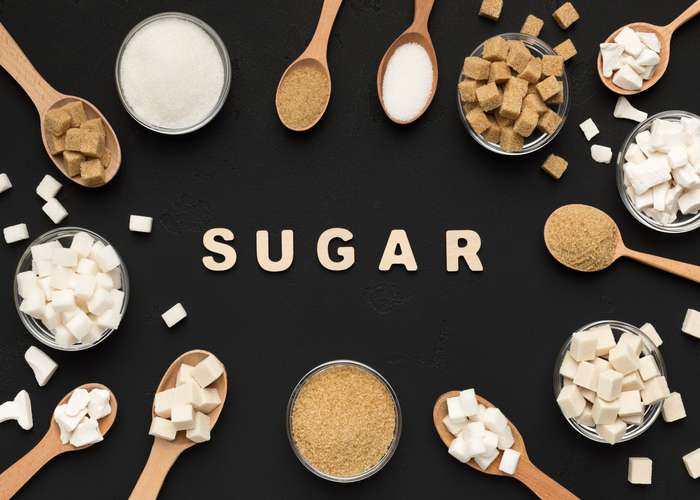
Avoid high-sugar foods and beverages
Foods and drinks high in sugar are very bad for health as they suppress the immune system and create inflammation. These should be avoided especially for cancer patients because chronic inflammation can damage the DNA of the cells and trigger mutations.
Meanwhile, it is also very common to hear recommendations to stay away from sugar because it feeds cancer cells.
To avoid any confusion in this regards, it is not the sugar per se that feeds cancer cells but carbohydrates in general. This is because when carbs are metabolized, they get converted into glucose. Glucose is what feeds cancer cells and normal cells. Sugar is a carbohydrate.
If you want to know more about this, you can check our section on keto diet.
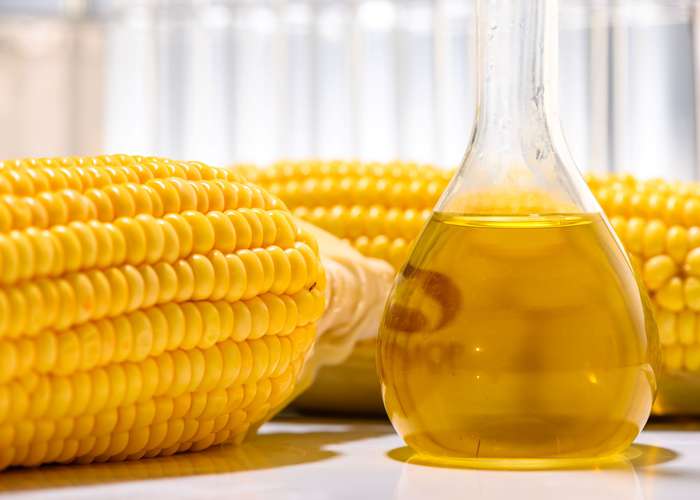
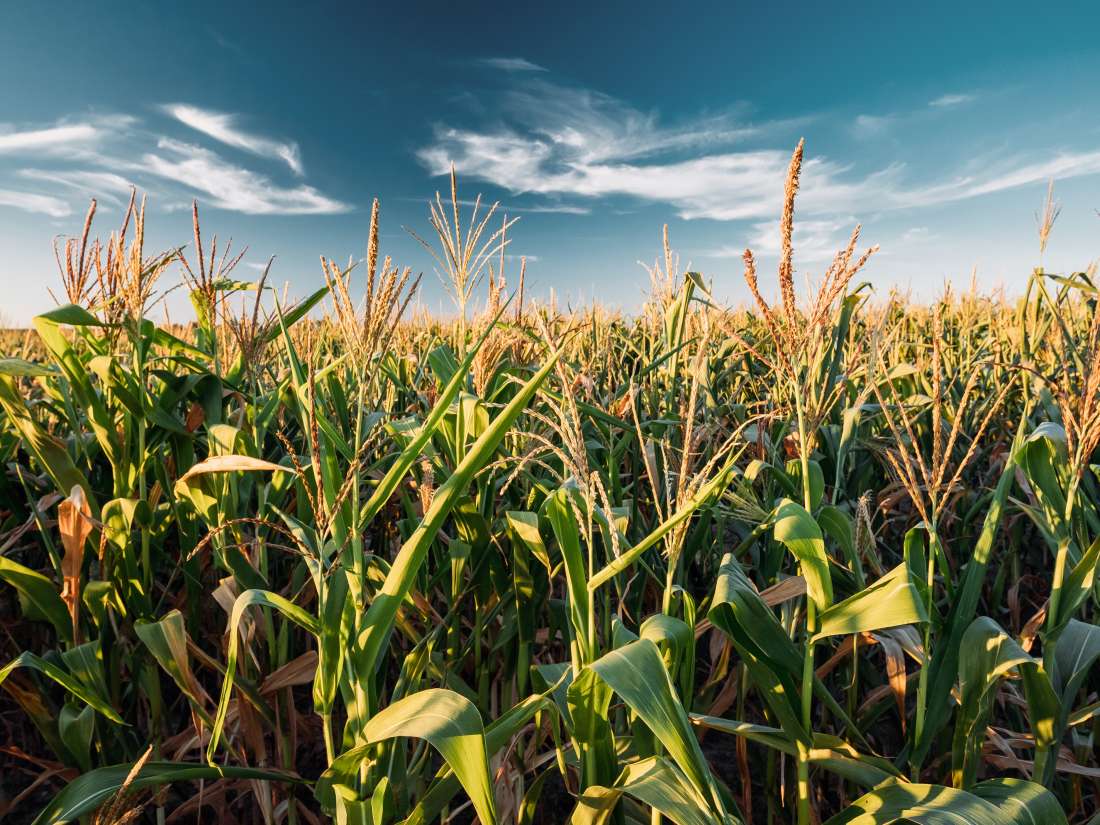
Avoid corn oil and soy oil
Some health experts suggest to avoid corn oil and soy oil as these types of oils are suggested to suppress the immune system, which is already at a low with cancer patients.
Plus, researchers believe that corn oil and soy oil are harmful to human cells, especially if they are hydrogenated.
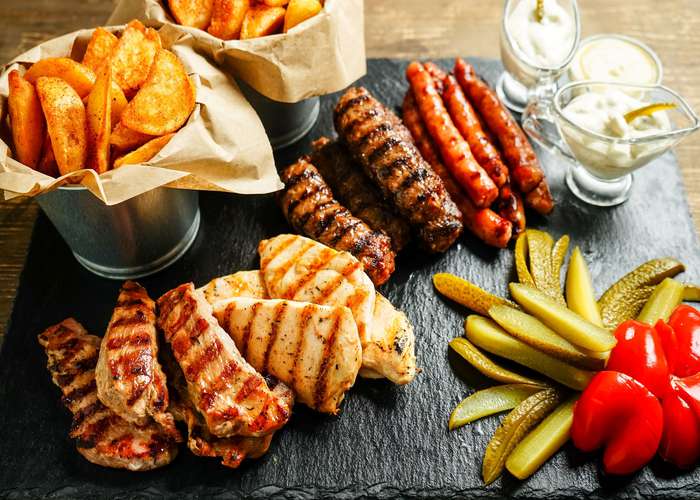
Don’t eat big meals
It is suggested to eat 6 to 8 small meals per day rather than 3 big meals because it’s easier on the digestive system.
Patient’s cancer might have sensitive digestive system, plus smaller plates are less overwhelming for them.
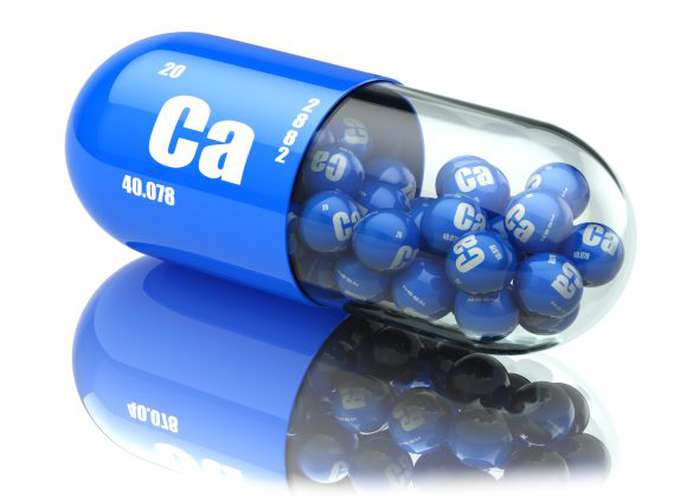
Avoid excessive calcium
Calcium is very good for the bones. However, researchers found that taking high doses of calcium supplement, exceeding 1,000 mg per day, might increase the risk of cancer death.
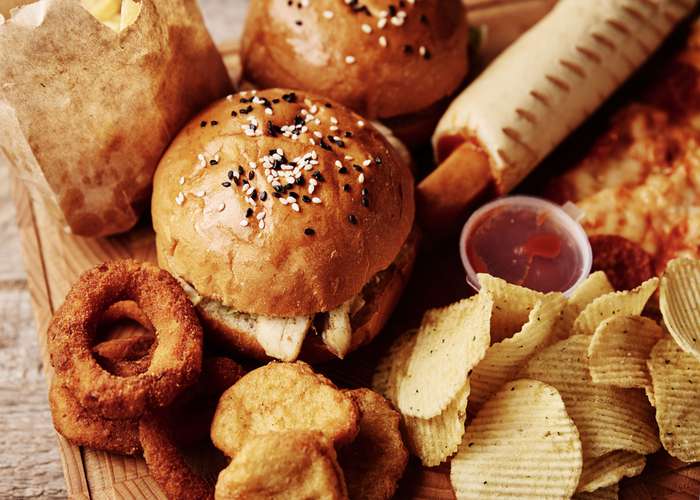
Foods to avoid
The food we consume plays a crucial role in influencing our overall health, including our risk of developing cancer. While certain foods can offer protective benefits, others may contribute to an increased risk of cancer. Scientific research has highlighted how specific dietary choices can either promote or hinder cancer development. Understanding which foods to avoid can be a key step in reducing cancer risk and enhancing overall well-being. Here, we explore various types of foods that have been linked to an increased risk of cancer and provide guidance on making healthier dietary choices to support cancer prevention.
Below is a list of foods to avoid for cancer:
- Processed Meats: Processed meats such as bacon, sausages, hot dogs, and deli meats are classified as carcinogenic by the World Health Organization. They contain preservatives and chemicals like nitrates, which have been linked to colorectal and stomach cancers.
- Red Meat: High consumption of red meat (beef, pork, lamb) has been associated with an increased risk of colorectal cancer. It's advisable to limit intake or opt for lean, organic options.
- Fried and Charred Foods: Foods cooked at high temperatures, such as fried or grilled meats, can form harmful chemicals like heterocyclic amines (HCAs) and polycyclic aromatic hydrocarbons (PAHs), which are known to increase cancer risk.
- Sugary Foods and Refined Carbohydrates: Excessive sugar and refined carbohydrates can lead to obesity and insulin resistance, both of which are risk factors for cancers such as breast and colorectal cancer. Refined carbohydrates like white bread and sugary snacks contribute to inflammation and oxidative stress.
- GMO Foods: Genetically modified organisms (GMOs) have raised concerns due to potential changes in nutrient profiles and the introduction of novel proteins that could impact health. Some studies suggest a link between GMO consumption and increased cancer risk, though more research is needed.
- Foods Containing Additives: Certain food additives, such as BHA (butylated hydroxyanisole) and BHT (butylated hydroxytoluene), used as preservatives in processed foods, may have carcinogenic effects in high doses. It's advisable to limit consumption of foods with these additives.
- Artificial Sweeteners: Artificial sweeteners like aspartame and saccharin have been scrutinized for their potential cancer risk. While evidence is mixed, it's prudent to moderate intake of these sweeteners and choose natural alternatives when possible.
- Monosodium Glutamate (MSG): MSG is a flavor enhancer commonly used in Chinese cuisine and processed foods. Some studies have suggested potential links between high MSG consumption and increased cancer risk, though research is ongoing.
Cancer Prevention
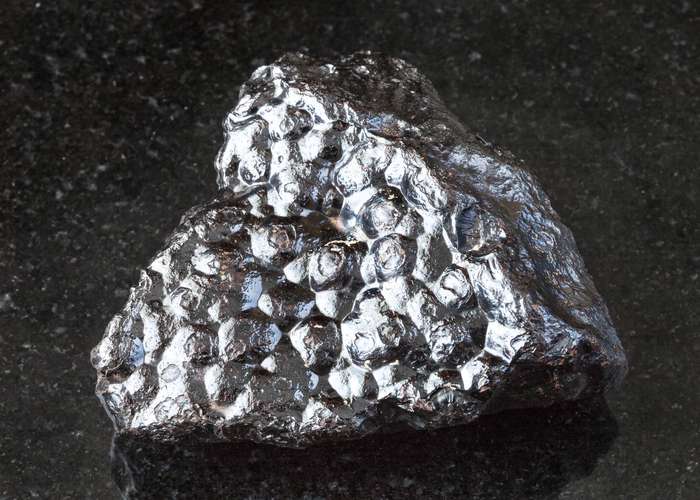
Avoid Chromium 6
Chromium is a trace element essential for human health, involved in glucose metabolism and insulin function. However, its role in cancer is complex and depends on the form of chromium in question.
- Hexavalent Chromium (Cr(VI)): This form of chromium is known for its carcinogenic properties. It is a chemical compound used in various industrial processes, including metal manufacturing, corrosion resistance, and as a pigment in dyes. Hexavalent chromium is also employed in the production of stainless steel, leather tanning, wood preservatives, and printing inks, as well as in water treatment and fireworks.
Exposure to hexavalent chromium is a significant health concern because it has been linked to an increased risk of lung cancer and other malignancies. The carcinogenic nature of hexavalent chromium arises from its ability to cause oxidative stress and DNA damage. When inhaled or absorbed through the skin, it can lead to the formation of free radicals, which damage cellular structures and DNA. This damage can disrupt normal cell function and contribute to the development of cancerous growths.
- Trivalent Chromium (Cr(III)): In contrast, trivalent chromium, which is the form commonly found in dietary supplements and essential for metabolic processes, does not exhibit the same carcinogenic properties as its hexavalent counterpart. Cr(III) is generally considered safe and is important for glucose metabolism and insulin sensitivity. It can aid in the regulation of blood sugar levels and may have a protective effect against certain diseases.
Research on chromium’s impact on cancer focuses predominantly on the risks associated with hexavalent chromium exposure. While Cr(III) is necessary for health, it is crucial to avoid exposure to Cr(VI) due to its harmful effects. Workers in industries where hexavalent chromium is used should follow strict safety guidelines to minimize exposure and reduce cancer risk.
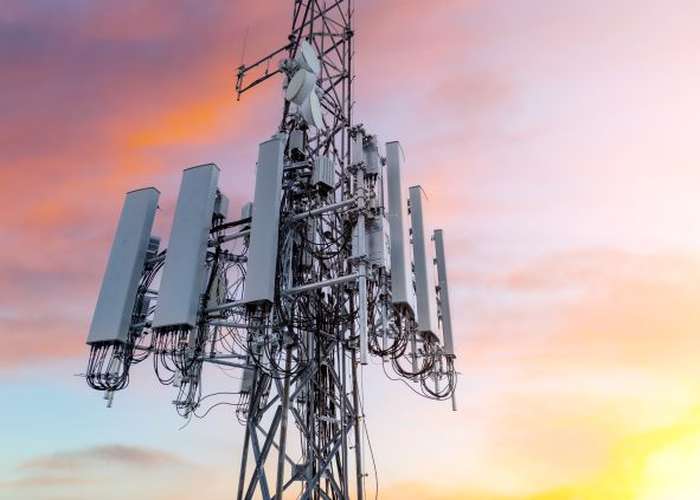
Avoid electromagnetic waves
Exposure to electromagnetic waves from various sources is a common part of modern life. These sources include cell phones, electric cables, cell towers, Wi-Fi networks, X-rays, and microwaves, among others. Concerns have been raised about whether these electromagnetic waves can contribute to cancer risk.
Types of Electromagnetic Radiation
- Non-Ionizing Radiation: This includes low-frequency electromagnetic fields (EMFs) from everyday devices like cell phones, Wi-Fi, and power lines. Non-ionizing radiation does not have enough energy to remove tightly bound electrons from atoms or molecules, and thus is generally considered to have less potential for causing cancer.
- Ionizing Radiation: This includes higher-energy radiation such as X-rays and gamma rays, which have enough energy to ionize atoms and molecules. Ionizing radiation is well-established as a carcinogen, with a clear link to increased cancer risk due to its ability to damage DNA.
Research and Conflicting Views
The scientific community continues to debate the potential link between non-ionizing radiation and cancer. Some studies have suggested that prolonged exposure to high levels of electromagnetic fields could be associated with an increased risk of certain types of cancer, such as brain tumors. However, research findings are often inconsistent, with some studies indicating no significant association between non-ionizing radiation and cancer risk.
For ionizing radiation, the evidence is more robust. Excessive exposure, particularly from medical imaging procedures like X-rays, has been linked to a higher risk of cancer. This is because ionizing radiation can damage DNA directly, leading to mutations that may result in cancer.
Precautionary Measures
Given the ongoing debates and potential risks, it is advisable to minimize exposure to high levels of electromagnetic radiation where possible. For non-ionizing radiation, practical steps include using speakerphone or hands-free devices to reduce direct contact with cell phones, and limiting prolonged exposure to Wi-Fi signals. For ionizing radiation, it's important to use medical imaging only when necessary and follow safety guidelines provided by healthcare professionals.
In conclusion, while there is no definitive evidence linking non-ionizing radiation from everyday devices to cancer, caution is warranted due to potential risks. Ionizing radiation, on the other hand, is well-documented as a cancer risk factor, and measures should be taken to limit exposure to protect health.
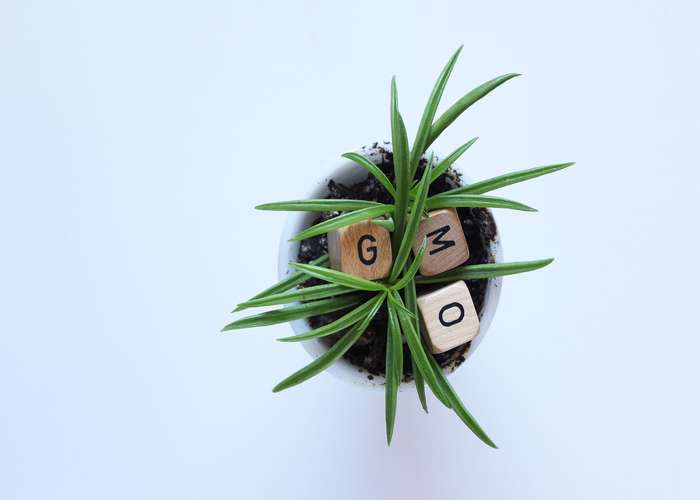
Avoid GMO
It is advised to stay away from foods that have been genetically modified. Stick to natural organic foods.
There are conflicting researches about the bad effects of GMO on cancer. Some even believe GMO food might even possibly lead to cancer.
If you want to learn more about GMO and their health effects, check out the “GMO” discussion on the “Debatable topics” blog section.
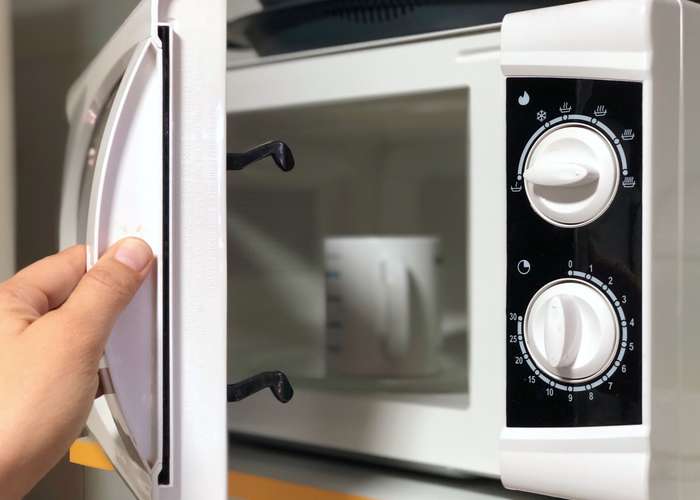
Avoid microwaving food
It is suggested that microwaves can produce radiation that affects food composition. Once food is consumed, this can have detrimental effects on the health. Some even believe that it can cause cancer. However, other researchers refute these claims.
If you want to know more about microwave radiation and health effects, check out the “microwave” discussion on the “Debatable topics” blog section.
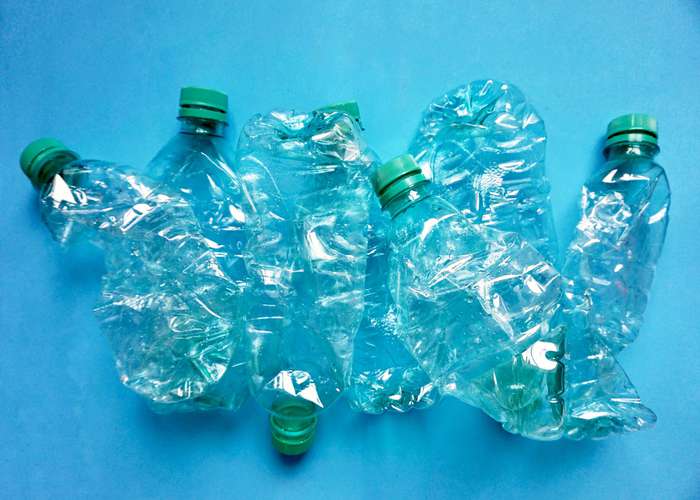
Avoid plastic bottles
Plastic does contain chemicals and many researchers believe that these chemicals can seep into the water.
Hence, consuming big quantities would lead to cancer. This becomes even more dangerous when the bottles are exposed to the sun or heated.
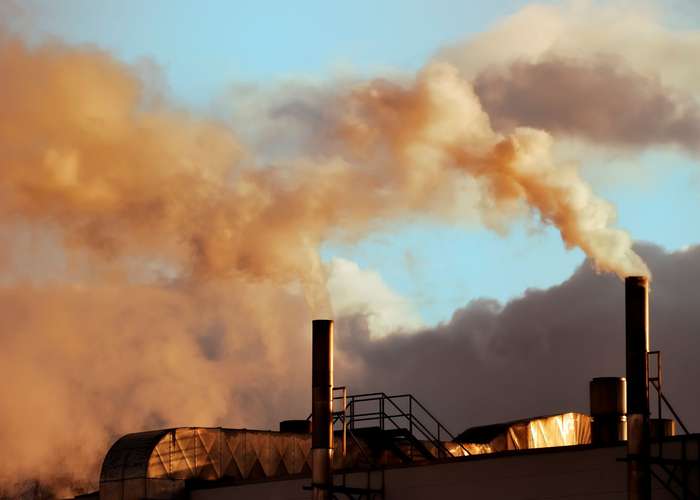
Avoid pollution
Pollution has been linked to increased risks of cancer.
It is always suggested to choose a clean environment to live in, away from pollution and from all the chemicals in the air. This is believed to cause many health conditions and increases cancer rates.
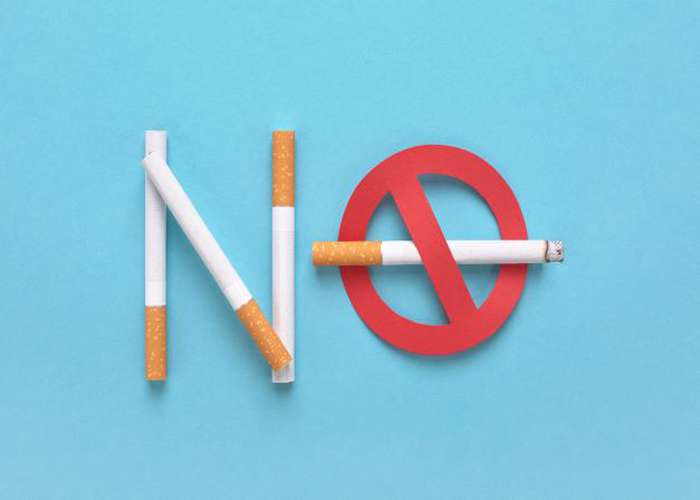
Avoid smoking
It is very important to avoid smoking as it is a major factor causing cancer.
This is mostly because a cigarette can damage the cell but with time, the build-up of the damage in the cell will cause cancer. This has been proven by several researches and studies.

Avoid UV radiation
UV can be dangerous for the skin as it might damage DNA and might lead to cancer cells formation.
Hence, it is advised to avoid prolonged sun exposure.
Prevention library Cancer
- Show only
- Articles
- Videos










Cancer Prevention Forum
Always respect others and address them in a professional manner. Please remain authentic and objective.Aposbook does not endorse any comment and is not responsible for any wrong information provided by users.


Success! Thank you for your comment.