






Breech Baby Dos and Don'ts: Tips and Prevention
What you should Do for Breech Baby
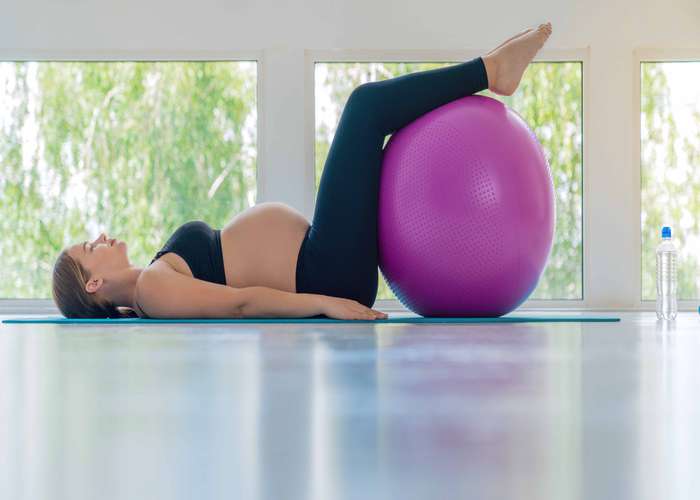
Breech tilt exercise
The Breech Tilt exercise is a safe and non-invasive method to help encourage a breech baby to move into the head-down position. This technique uses gravity to create more room in the uterus, giving the baby a better chance of shifting into the optimal position for birth. By elevating the pelvis, the mother can gently encourage the baby to disengage from the breech position and rotate into a head-down, or vertex, position.
The Breech Tilt involves lying on your back and raising your hips above your head to use gravity to shift the baby's position. This exercise is simple and can be done at home, making it one of the most popular methods among expecting mothers dealing with a breech presentation. It works by tilting the uterus in such a way that the baby's head, which is heavier than the rest of the body, may naturally gravitate toward the mother’s pelvis, allowing for a head-down alignment.
Benefits of the Breech Tilt Exercise
The Breech Tilt is a gentle, natural method that can be done without the need for medical intervention. Here are some key benefits:
- Increases Space for Movement: Elevating the pelvis creates more room for the baby to maneuver, which is especially important for babies who are near full term and have limited space to move.
- Encourages Natural Repositioning: This exercise can promote the baby’s natural tendency to move into a head-down position by using the natural pull of gravity.
- Safe and Easy to Perform: The Breech Tilt is non-invasive and can be safely performed at home without special equipment, making it a convenient option for mothers trying to avoid medical interventions like external cephalic version (ECV).
How to Perform the Breech Tilt Exercise
Performing the Breech Tilt requires no special equipment beyond a few pillows or cushions to support your back and hips. Follow these simple steps:
- Prepare the area: Find a comfortable, flat surface, such as a bed or the floor, and gather several firm pillows or cushions. These will be used to prop up your hips and lower back. Make sure the space is quiet and free from distractions to allow you to relax fully.
- Get into position: Begin by lying flat on your back with your knees bent and feet flat on the surface. Use the pillows or cushions to elevate your hips, stacking them until your pelvis is about 10-12 inches above your head. You should feel a gentle stretch in your lower abdomen as your hips rise.
- Relax and breathe: Place your hands by your sides and take deep, calming breaths. Hold this position for 10-15 minutes, or as long as it feels comfortable. It's important not to overexert yourself. The exercise should feel relaxing, not strenuous.
- Frequency: Repeat this exercise two to three times a day, particularly when your baby is active, as this increases the chance of the baby responding to the shift in position.
- Use caution: Make sure to rise slowly and carefully from the Breech Tilt position to avoid dizziness or light-headedness. Roll onto your side before sitting up to prevent strain on your abdominal muscles.
When to Start and Precautions
You can begin practicing the Breech Tilt around 32 to 34 weeks of pregnancy, but it’s most commonly used in the final weeks leading up to delivery when the baby is still in the breech position. As with any exercise during pregnancy, consult your healthcare provider before starting the Breech Tilt to ensure it’s safe for your specific situation.
While the Breech Tilt is generally considered safe, it’s important to keep a few precautions in mind:
- Avoid after eating: Performing the Breech Tilt right after a meal can cause indigestion or discomfort, so it's best to wait at least an hour after eating before attempting this exercise.
- Stop if you feel discomfort: If you experience any pain, dizziness, or shortness of breath, stop the exercise immediately and consult your healthcare provider.
- Avoid if you have certain medical conditions: The Breech Tilt may not be suitable for women with high blood pressure, placenta previa, or other high-risk pregnancy conditions. Always check with your healthcare provider before starting.
How the Breech Tilt Helps with Repositioning
The success of the Breech Tilt lies in the use of gravity. By lifting the pelvis and lowering the head, the uterus shifts, encouraging the baby to somersault or move away from the breech position. Here’s how the process works:
- Increased room for movement: The raised hips provide the baby with more space to move within the uterus. In a breech presentation, the baby’s head is typically lodged near the ribs, but the Breech Tilt creates more space for the baby to adjust.
- Use of natural instincts: Babies instinctively want to position themselves head-down because it provides a more comfortable and stable position for birth. The Breech Tilt takes advantage of this instinct, helping the baby reorient themselves by using gravity.
- Alignment of the uterus and pelvis: By tilting the uterus, the Breech Tilt helps align the mother’s pelvis and uterus, which is essential for allowing the baby to drop into the head-down position.
Additional Tips for Enhancing the Effectiveness of the Breech Tilt
To maximize the chances of success with the Breech Tilt, consider these additional strategies:
- Stay hydrated: Proper hydration is essential for maintaining good muscle tone, including the muscles of the uterus. Drinking plenty of water may help make the uterus more flexible and increase the likelihood of the baby turning.
- Combine with other techniques: The Breech Tilt can be used alongside other natural techniques, such as the Webster Technique (chiropractic care) or moxibustion, to enhance the chances of turning the baby.
- Stay relaxed: Stress and tension in the body can affect the baby's positioning, so it’s essential to approach this exercise calmly. Try using relaxation techniques like deep breathing or meditation to help your body stay loose and encourage movement.
The Breech Tilt is a safe and accessible exercise that many mothers find helpful in turning a breech baby. By taking advantage of gravity, it encourages the baby to move into a head-down position naturally, without the need for invasive medical procedures. With proper technique and consistency, the Breech Tilt can be a valuable tool for mothers seeking a natural approach to addressing a breech presentation. However, always consult your healthcare provider before starting this or any exercise during pregnancy to ensure it’s the right approach for your situation.

Forward-leaning inversion
What is The Forward-Leaning Inversion
The Forward-Leaning Inversion is a widely recommended, non-invasive technique used during pregnancy to help turn a breech baby into a head-down position. This simple exercise is part of the "Spinning Babies" approach, which uses gravity, balance, and body movements to create space in the uterus and encourage natural repositioning of the baby. The main goal of this technique is to promote better fetal positioning by releasing tension in the uterine ligaments and allowing the baby to move into the ideal position for birth.
By tilting your body forward and creating a temporary inversion, you allow gravity to play a role in shifting the baby. This technique works to make more space in the lower uterus, giving the baby a better opportunity to move into the head-down position, which is critical for a smooth vaginal delivery.
How to Perform the Forward-Leaning Inversion?
The Forward-Leaning Inversion is safe for most women when done properly and with medical clearance. Follow these steps to perform the exercise:
- Find a safe surface: Kneel on the edge of a couch, bed, or sturdy chair. Make sure the surface is stable and comfortable.
- Lean forward: Slowly lower your head and shoulders toward the floor, keeping your hips elevated. Your knees should remain on the edge of the surface while your arms extend toward the ground, supporting your upper body. You should be forming an inverted "V" shape.
- Hold the position: Stay in this position for 30 seconds to 1 minute. Breathe deeply and calmly to stay relaxed.
- Rise slowly: Carefully bring yourself back to a kneeling position after the time is up, avoiding any rapid movements to prevent dizziness.
- Repeat regularly: Perform this exercise 1-3 times daily, depending on your comfort level and doctor’s advice.
It’s important to always consult your healthcare provider before starting this or any exercise during pregnancy, especially if there are complications such as high blood pressure or placenta previa.
Benefits of the Forward-Leaning Inversion
The Forward-Leaning Inversion offers multiple benefits for pregnant women, especially those with a breech baby:
- Creates space in the lower uterus: This exercise uses gravity to increase the room available in the uterus, which can help the baby turn.
- Releases tension in the pelvic ligaments: By shifting your body in an inverted position, you relieve tightness in the ligaments that may be preventing your baby from moving into the correct position.
- Promotes better pelvic balance: The technique works by balancing the pelvis, giving the baby a more natural environment to rotate into the head-down position.
Combining the Forward-Leaning Inversion with Other Techniques
While the Forward-Leaning Inversion is effective on its own, it can be enhanced by combining it with other natural methods aimed at turning a breech baby:
- Pelvic Tilts: Another simple exercise that can be done in combination with the Forward-Leaning Inversion to encourage baby movement.
- Webster Technique: This chiropractic technique realigns the pelvis to create more room for the baby and complements the inversion by improving the overall balance.
- Moxibustion with Acupuncture: A traditional Chinese medicine method, moxibustion involves burning an herb near an acupuncture point to stimulate fetal movement. When combined with the Forward-Leaning Inversion, it may increase the chances of your baby turning.
Conclusion
The Forward-Leaning Inversion is a natural, safe technique that can help encourage a breech baby to move into the head-down position, promoting a smoother delivery. By using gravity to create more space in the uterus and releasing tension in the pelvic area, this method is both simple and effective. If combined with other natural techniques like pelvic tilts, chiropractic adjustments, or acupuncture, the Forward-Leaning Inversion can be a powerful tool in preparing for a healthy and successful birth. Always consult with your healthcare provider before beginning this or any exercise during pregnancy to ensure it’s the right option for you.
Prevention library Breech Baby
- Show only
- Articles
- Videos


Breech Baby Prevention Forum
Always respect others and address them in a professional manner. Please remain authentic and objective.Aposbook does not endorse any comment and is not responsible for any wrong information provided by users.


Success! Thank you for your comment.