






Bad Breath Dos and Don'ts: Tips and Prevention
What you should Do for Bad Breath

Use mouth rinse
Mouth rinses, also known as mouthwashes, are liquid solutions designed for rinsing the mouth, often used to enhance oral hygiene and combat bad breath. They come in various formulations, each targeting specific oral health needs, such as freshening breath, reducing plaque, or fighting gum disease.
Benefits of Using Mouth Rinse for Bad Breath
- Freshens Breath: Mouth rinses often contain flavoring agents and antimicrobial ingredients that can help eliminate bacteria responsible for bad breath, providing immediate freshness.
- Reduces Plaque and Tartar: Many mouth rinses contain active ingredients like chlorhexidine or cetylpyridinium chloride, which help reduce plaque accumulation and prevent the formation of tartar, supporting overall gum health.
- Prevents Gum Disease: Antimicrobial mouth rinses can help kill bacteria that contribute to gum disease, reducing inflammation and promoting healthier gums.
- Enhances Oral Hygiene Routine: Using mouth rinse in conjunction with brushing and flossing provides a comprehensive approach to oral care, reaching areas that may be missed by brushing alone.
- Soothes Oral Discomfort: Some mouth rinses contain soothing agents that can help relieve discomfort from minor irritations or injuries in the mouth.
Choosing the Right Mouth Rinse
When selecting a mouth rinse, consider the following factors:
- Purpose: Identify the specific oral health needs you want to address, such as freshening breath, reducing plaque, or soothing gums.
- Alcohol-Free Options: Many people prefer alcohol-free mouth rinses, as they are less likely to cause dry mouth or irritation.
- ADA Seal of Acceptance: Look for products that have received the American Dental Association (ADA) Seal of Acceptance, indicating they have met specific safety and efficacy standards.
- Flavor: Choose a flavor that you find pleasant, as this can encourage consistent use.
How to Use Mouth Rinse Effectively
- Read Instructions: Follow the manufacturer's instructions regarding the amount to use and how long to swish it around your mouth.
- Avoid Eating or Drinking: After rinsing, refrain from eating or drinking for at least 30 minutes to allow the active ingredients to take effect.
- Incorporate into Routine: Use mouth rinse as a part of your daily oral hygiene routine, ideally after brushing and flossing, for optimal results.
Conclusion
Mouth rinse is a valuable addition to your oral hygiene arsenal, offering numerous benefits for freshening breath, reducing plaque, and preventing gum disease. By choosing the right mouth rinse and incorporating it into your routine, you can enhance your oral health and enjoy a confident, fresh smile.

Treat gum disease
Gum disease, or periodontal disease, is a significant contributor to bad breath (halitosis) and can negatively impact overall oral health. This condition arises from the buildup of plaque and bacteria on the teeth and gums, leading to inflammation and infection. Effective treatment of gum disease is crucial not only for fresh breath but also for maintaining healthy teeth and gums.
Understanding the Connection Between Gum Disease and Bad Breath
- Bacterial Growth: The bacteria responsible for gum disease produce volatile sulfur compounds (VSCs) that create foul odors. These compounds are released during the breakdown of food particles and the inflammation of gum tissues, resulting in persistent bad breath.
- Gum Inflammation: Inflamed gums are more susceptible to infection and bleeding, which can further exacerbate bad breath. The presence of bacteria in the pockets formed between the teeth and gums can lead to a continuous cycle of odor production.
Treatment Options for Gum Disease Related to Bad Breath
1. Professional Dental Cleaning:
- Scaling and Root Planing: This deep cleaning procedure removes plaque and tartar from above and below the gum line, effectively reducing the bacteria that contribute to both gum disease and bad breath. The smooth surface of the tooth roots also encourages the reattachment of gums, promoting overall oral health.
- Regular Check-ups: Frequent dental visits allow for early detection and management of gum disease, preventing the escalation of bad breath issues.
2. Antibacterial Treatments
- Topical Antibiotics: Dentists may recommend antibacterial gels or mouth rinses specifically formulated to combat gum disease. These treatments can help reduce bacterial levels in the mouth, leading to improved breath.
- Oral Antibiotics: For more severe cases, oral antibiotics may be prescribed to control infections associated with gum disease.
3. Surgical Treatments
- Flap Surgery: In advanced cases of periodontitis, surgical intervention may be necessary. This procedure involves lifting the gums to remove tartar and bacteria from deeper pockets, effectively reducing the source of bad breath.
- Bone Grafts: If there has been significant bone loss due to gum disease, bone grafting may be needed to restore support for the teeth.
4. Laser Treatments
- Laser Therapy: Some dental practices use laser treatment to target infected gum tissue. This method can effectively reduce bacteria and inflammation, improving both gum health and breath freshness.
Home Care for Managing Gum Disease and Bad Breath
- Daily Oral Hygiene: Maintaining an effective oral hygiene routine is essential. Brush teeth twice daily with fluoride toothpaste and floss regularly to remove food particles and plaque that can contribute to bad breath.
- Tongue Cleaning: Don't forget to brush your tongue or use a tongue scraper to remove bacteria and food particles that can harbor odors.
- Use Antimicrobial Mouthwash: Incorporating an antimicrobial mouthwash can help reduce bacteria in the mouth and combat bad breath.
- Stay Hydrated: Drinking plenty of water helps keep the mouth moist and promotes saliva production, which naturally cleanses the mouth and neutralizes odors.
Conclusion
Treating gum disease is essential not only for preventing bad breath but also for enhancing overall oral health. By addressing gum disease effectively through professional treatments and diligent home care, you can maintain fresh breath, healthy gums, and a confident smile.

Brush your teeth after meals
When you eat, the process begins with food breaking down in your mouth, where saliva mixes with the food to aid in digestion. Saliva contains enzymes that start to break down carbohydrates while also playing a crucial role in neutralizing acids produced by bacteria in your mouth. However, consuming food leads to several changes in your oral environment that can affect your dental health and breath.
What Happens When You Eat
- Food Particles: As you chew, small particles of food get trapped between your teeth and along the gum line. These particles can be a breeding ground for bacteria if not removed promptly.
- Bacterial Activity: The mouth naturally contains bacteria, some of which are beneficial, while others can be harmful. When food particles remain in your mouth, they provide fuel for these bacteria, leading to increased bacterial activity.
- Acid Production: As bacteria metabolize food particles, they produce acids that can erode tooth enamel and irritate the gums. This acid buildup can lead to cavities and gum disease over time.
- Bad Breath: The breakdown of food by bacteria produces volatile sulfur compounds (VSCs), which are responsible for unpleasant odors. If food particles are not cleaned away, they can contribute to chronic bad breath (halitosis).
Benefits of Brushing Your Teeth for the Breath
- Removal of Food Particles: Brushing your teeth effectively removes food particles that get trapped in hard-to-reach areas, minimizing the risk of bacterial growth and plaque buildup.
- Plaque Prevention: Regular brushing helps prevent the formation of plaque, a sticky film of bacteria that can harden into tartar if not removed. Tartar can lead to gum disease and tooth decay, which are major contributors to bad breath.
- Reduction of Bad Breath: By removing food particles and bacteria from the mouth, brushing helps eliminate odors, promoting fresher breath. This is particularly important after meals, which can leave residual smells.
- Protection Against Enamel Erosion: Brushing helps neutralize acids produced by bacteria and foods, reducing the risk of enamel erosion and cavities. Healthy enamel is crucial for protecting teeth from decay.
- Promotion of Healthy Gums: Brushing not only cleans the teeth but also stimulates the gums, helping to keep them healthy. Healthy gums are essential for overall oral health and can reduce the risk of gum disease, which can cause bad breath.
- Overall Oral Health: Consistent brushing, ideally twice a day, supports overall oral health by preventing tooth decay, gum disease, and other dental issues. It sets the foundation for a healthy mouth, which in turn can improve your confidence and social interactions.
Important Considerations
- Wait After Acidic Foods: If you've consumed acidic foods or drinks (like citrus fruits or soft drinks), it's best to wait at least 30 minutes before brushing. Brushing immediately after consuming acidic foods can wear away tooth enamel while it is temporarily softened. Instead, rinsing your mouth with water can help neutralize the acids until you can brush.
- Be Gentle: When brushing, use a soft-bristled toothbrush and gentle strokes to avoid damaging gums and enamel.
Toothbrush Recommendations for Bad Breath
- Soft-Bristled Toothbrush: A soft-bristled toothbrush is generally recommended because it effectively cleans teeth and gums without causing damage. Hard bristles can be too abrasive, leading to gum recession and enamel wear.
- Electric Toothbrush: An electric toothbrush can provide a more thorough clean compared to manual brushing, especially for people with limited dexterity. Many models also have built-in timers to ensure you brush for the recommended two minutes.
Toothpaste Recommendations for Bad Breath
- Fluoride Toothpaste: Choose a toothpaste that contains fluoride, as it helps strengthen tooth enamel and prevents cavities. Fluoride is a key ingredient in maintaining overall dental health.
- Whitening Toothpaste: If you're concerned about stains, a whitening toothpaste can help. These contain mild abrasives and chemical agents that help remove surface stains without damaging enamel.
- Tartar Control Toothpaste: If you're prone to tartar buildup, consider a toothpaste labeled for tartar control. These formulas help prevent plaque from hardening into tartar.
- Sensitivity Toothpaste: For individuals with sensitive teeth, a toothpaste specifically designed for sensitivity can help reduce discomfort while brushing and eating. These toothpastes contain compounds that block pathways to nerves in teeth.
- Natural or Herbal Toothpaste: Some people prefer natural or herbal toothpastes, which may contain fewer synthetic ingredients. Look for products that still include fluoride for cavity protection, if that's a priority for you.
Conclusion
Brushing your teeth after meals is a good practice for oral hygiene and fresh breath, as long as you wait after consuming acidic foods. It’s also important to maintain a consistent brushing routine twice a day to effectively manage bad breath and promote overall dental health.
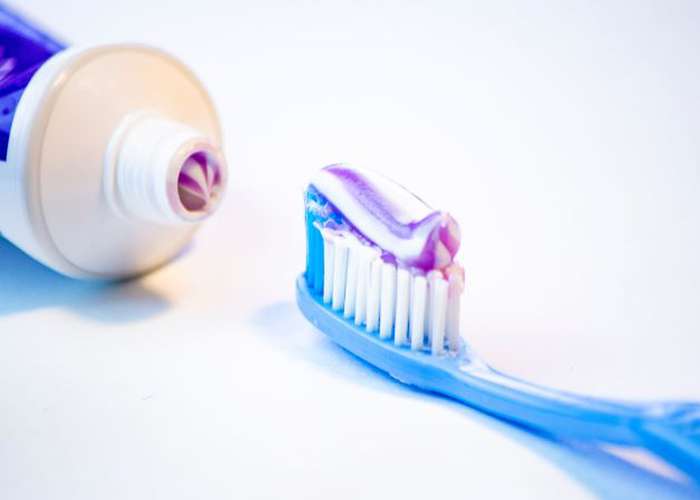
Brush your tongue
Brushing your tongue is a vital aspect of oral hygiene that is often overlooked. The surface of the tongue has numerous small grooves and papillae, which can trap bacteria, food particles, and dead cells. This buildup can contribute significantly to bad breath and affect overall oral health.
Benefits of Brushing Your Tongue
- Reduction of Bacteria: The tongue is home to a variety of bacteria, some of which can produce volatile sulfur compounds (VSCs) that lead to unpleasant odors. Regularly brushing your tongue helps remove these bacteria, reducing the potential for bad breath.
- Removal of Food Particles: Just like teeth, the tongue can harbor food particles that contribute to odor. Brushing helps clear away these remnants, promoting a fresher mouth.
- Improved Taste Sensation: A clean tongue can enhance your sense of taste. Removing debris can help you fully enjoy the flavors of your food.
- Promoting Overall Oral Health: A clean tongue contributes to better oral health by reducing the risk of gum disease and cavities, as bacteria can contribute to plaque formation on teeth.
How to Brush Your Tongue
- Use a Toothbrush or Tongue Scraper: You can use a soft-bristled toothbrush or a specialized tongue scraper to clean your tongue. Gently brush or scrape from the back of the tongue to the front, using light pressure to avoid irritation.
- Rinse Thoroughly: After brushing your tongue, rinse your mouth with water or mouthwash to remove loosened debris and bacteria.
- Frequency: Incorporate tongue brushing into your daily oral hygiene routine, ideally every time you brush your teeth, to maintain a clean and healthy mouth.
Conclusion
Brushing your tongue is an essential step in achieving optimal oral hygiene and fresh breath. By making it a regular part of your dental care routine, you can significantly reduce bacteria, enhance your taste sensation, and promote overall oral health.

Drink plenty of water
Staying hydrated is essential for overall health, and it plays a significant role in maintaining good oral hygiene and combating bad breath. On average, men should aim to drink about 3.7 liters (or about 13 cups) of total beverages per day, while women should target 2.7 liters (or about 9 cups). This includes all fluids consumed, not just water.
Adequate hydration is crucial for saliva production, which helps keep the mouth moist, washes away food particles, and neutralizes acids produced by bacteria, thereby promoting a healthy oral environment and fresher breath.
How Drinking Water Affects Oral Health
- Saliva Production: Water is vital for the production of saliva, which helps keep the mouth moist. Saliva contains enzymes that aid in digestion and also neutralizes acids produced by bacteria in the mouth. A well-hydrated mouth promotes a healthy oral environment.
- Food Particle Removal: Drinking water helps wash away food particles and debris from the teeth and gums, reducing the likelihood of bacteria buildup that can lead to bad breath.
- Acid Neutralization: Water helps dilute and wash away acids that can accumulate after eating, particularly after consuming sugary or acidic foods. This neutralization is important for protecting tooth enamel and preventing decay.
- Prevention of Dry Mouth: A dry mouth can contribute to bad breath as it allows bacteria to thrive. Drinking water throughout the day can prevent dry mouth, ensuring that your mouth remains hydrated and healthy.
Benefits of Drinking Water for Fresh Breath
- Odor Reduction: By flushing out food particles and bacteria, drinking water can help minimize unpleasant odors in the mouth, leading to fresher breath.
- Enhanced Oral Hygiene: Staying hydrated encourages regular saliva flow, which naturally cleanses the mouth and helps maintain a balanced pH level, further promoting good oral health.
Tips for Staying Hydrated
- Carry a Water Bottle: Keep a water bottle handy to remind yourself to drink water throughout the day.
- Drink Water After Meals: Sipping water after meals can help wash away food particles and prevent bad breath.
- Infuse Your Water: If plain water feels boring, consider infusing it with fruits, herbs, or cucumber for a refreshing taste without added sugars.
Conclusion
Drinking water is a simple yet effective way to support oral health and combat bad breath. By ensuring adequate hydration, you can enhance saliva production, promote a healthy oral environment, and enjoy fresher breath throughout the day.

Foods to eat
Certain foods can help combat bad breath by neutralizing odors, promoting oral health, and stimulating saliva production. Incorporating these fresh breath-friendly options into your diet can make a significant difference in maintaining a pleasant mouth feel and odor.
1. Crunchy Fruits and Vegetables: Apples, carrots, celery act as natural toothbrushes, helping to scrub away food particles and plaque from teeth. Their high water content also aids in hydration and saliva production, which is essential for neutralizing odors in the mouth.
2. Herbs: Parsley, mint, and basil contain chlorophyll, which can help neutralize odors. Chewing on fresh herbs also stimulates saliva flow, providing a natural cleansing effect for the mouth.
3. Yogurt: Yogurt with live probiotic cultures can help reduce the levels of odor-causing bacteria in the mouth. The probiotics promote a balanced oral microbiome, contributing to fresher breath.
4. Green Tea: Green tea contains polyphenols that can help reduce bacteria in the mouth and inhibit the production of VSCs (volatile sulfur compounds) associated with bad breath. Drinking green tea can also provide a refreshing flavor and promote hydration.
5. Nuts and Seeds: Almonds and sunflower seeds can help scrub away food particles while providing healthy fats and proteins. Their natural oils can also contribute to a fresher mouth feel.
6. Citrus Fruits: Oranges, lemons, and grapefruits are rich in vitamin C and help stimulate saliva production, which is crucial for washing away food particles and bacteria that contribute to bad breath.
7. Cheese: Cheese contains calcium and protein, which can help neutralize acids in the mouth. Additionally, chewing cheese can increase saliva flow, further aiding in oral hygiene.
8. Ginger: Ginger has natural antibacterial properties that can help fight bacteria in the mouth. Chewing on fresh ginger or sipping ginger tea can help freshen breath.
Incorporating these foods into your diet can effectively help maintain fresh breath and improve your overall oral health. By making conscious choices and focusing on fresh, crunchy, and flavorful foods, you can combat bad breath naturally and confidently engage in social situations.
What you should Avoid for Bad Breath

Avoid smoking
Smoking is a significant contributor to bad breath (halitosis) and has numerous adverse effects on oral health. Here’s an in-depth look at how smoking affects breath odor and why quitting or avoiding smoking is essential for fresh breath:
- Bacterial Growth: Smoking alters the natural balance of bacteria in the mouth, promoting the growth of harmful bacteria that produce foul-smelling compounds. This imbalance can lead to persistent bad breath, even among smokers who maintain oral hygiene.
- Dry Mouth: Tobacco use reduces saliva production, resulting in dry mouth (xerostomia). Saliva is vital for neutralizing odors and washing away food particles and bacteria. A lack of saliva allows odor-causing bacteria to thrive, leading to more noticeable bad breath.
- Smoker’s Breath: The chemical components in tobacco, such as nicotine and tar, can leave a distinct and unpleasant odor in the mouth. This odor can linger long after smoking, contributing to chronic bad breath.
- Gum Disease: Smoking is a major risk factor for periodontal disease (gum disease), which can cause further complications, including persistent bad breath. The inflammation and infection associated with gum disease can produce an unpleasant smell that is difficult to mask.
- Impact on Taste and Smell: Smoking can dull the senses of taste and smell, leading to decreased awareness of breath odor. Smokers may not realize the extent of their bad breath, making it even more crucial to address the habit.
To mitigate the negative impact of smoking on breath odor, consider the following strategies:
- Quit Smoking: The most effective way to reduce smoking-related bad breath is to quit altogether. Various cessation programs and resources are available to support individuals looking to quit.
- Maintain Oral Hygiene: If quitting is not an immediate option, practicing good oral hygiene—brushing twice a day, flossing, and using mouthwash—can help reduce the impact of smoking on breath.
- Stay Hydrated: Drink plenty of water to counteract dry mouth and encourage saliva production, helping to neutralize odors and cleanse the mouth.
- Chew Sugar-Free Gum: Chewing sugar-free gum can stimulate saliva production, which may help combat dry mouth and freshen breath temporarily.
By avoiding smoking and taking proactive measures, individuals can significantly improve their breath and overall oral health.

Avoid coffee
Coffee is a popular beverage enjoyed by many, but it can contribute to bad breath in several ways. Here’s a closer look at how coffee affects breath odor and why it may be beneficial to limit its consumption if you're concerned about halitosis:
- Dehydration: Coffee is a diuretic, which means it can lead to increased urination and potential dehydration. When the body is dehydrated, saliva production decreases, resulting in dry mouth. Saliva plays a crucial role in washing away food particles and bacteria in the mouth; thus, reduced saliva can lead to the accumulation of odor-causing bacteria.
- Acidity: Coffee is acidic, which can create an environment in the mouth that promotes the growth of bacteria responsible for bad breath. This acidity can also irritate the gums and contribute to oral health issues, further exacerbating halitosis.
- Flavor Residue: The strong flavor of coffee can linger in the mouth long after consumption, leaving behind a distinct odor. This lingering scent can be especially noticeable when combined with other factors, such as poor oral hygiene or specific dietary choices.
- Sugar and Cream Additives: Many people add sugar, cream, or flavored syrups to their coffee, which can contribute to bad breath. Sugars provide fuel for bacteria, leading to their proliferation and the production of foul-smelling compounds.
To mitigate the risk of bad breath associated with coffee, consider the following strategies:
- Limit Consumption: Reducing the amount of coffee you drink can help decrease its impact on breath odor.
- Stay Hydrated: Drink plenty of water throughout the day to counteract the dehydrating effects of coffee and maintain saliva production.
- Practice Good Oral Hygiene: Brushing and flossing regularly, along with using mouthwash, can help neutralize odors and keep your mouth clean after consuming coffee.
- Opt for Alternatives: Consider herbal teas or other non-caffeinated beverages that are less likely to contribute to dry mouth or bad breath.
By being mindful of coffee consumption and its effects on oral health, you can better manage and prevent bad breath.

Avoid soft drinks
Soft drinks, particularly those that are sugary or carbonated, can significantly contribute to bad breath (halitosis) due to several factors. Here’s a detailed explanation of how soft drinks affect breath odor and why limiting their consumption can be beneficial for maintaining fresh breath:
- High Sugar Content: Many soft drinks are loaded with sugar, which provides a food source for bacteria in the mouth. When these bacteria metabolize sugar, they produce acids and volatile sulfur compounds (VSCs) that contribute to unpleasant odors. Regular consumption of sugary drinks can lead to an increase in bacterial growth, exacerbating bad breath.
- Acidity: Soft drinks, especially colas and citrus-flavored varieties, are highly acidic. The acidity can erode tooth enamel and irritate the gums, creating an environment conducive to bacterial growth. This can lead to oral health problems such as cavities and gum disease, both of which can contribute to persistent bad breath.
- Dry Mouth: Carbonated soft drinks can lead to a sensation of dryness in the mouth. Reduced saliva production, often exacerbated by caffeine in certain soft drinks, can result in dry mouth (xerostomia). Saliva is essential for washing away food particles and bacteria; therefore, decreased saliva can cause an increase in odor-causing bacteria.
- Flavor Residue: The strong flavors and artificial sweeteners in many soft drinks can linger in the mouth, contributing to an unpleasant odor. This residue can mix with bacteria and food particles, further enhancing bad breath.
To reduce the risk of bad breath associated with soft drinks, consider the following strategies:
- Limit Consumption: Reducing or eliminating soft drinks from your diet can significantly decrease sugar and acid intake, benefiting both breath and overall oral health.
- Opt for Water: Drinking plenty of water not only keeps you hydrated but also helps flush out food particles and bacteria in the mouth, promoting fresher breath.
- Practice Good Oral Hygiene: If you do consume soft drinks, ensure you maintain a rigorous oral hygiene routine by brushing your teeth twice a day, flossing daily, and using mouthwash to minimize the impact on breath.
- Choose Unsweetened Alternatives: If you crave carbonation, consider switching to unsweetened sparkling water or herbal teas that are less likely to contribute to bad breath.
By avoiding soft drinks and adopting healthier habits, you can improve your breath and enhance your overall oral health.

Foods to avoid
Certain foods can contribute to bad breath by promoting odor-causing bacteria in the mouth or leading to dry mouth. To maintain fresh breath, it’s essential to be mindful of what you consume. Here are some key items to avoid:
1. Garlic: Garlic contains sulfur compounds that can linger in the mouth and be absorbed into the bloodstream, leading to persistent bad breath even after brushing.
2. Onions: Like garlic, onions are rich in sulfur compounds. Eating raw onions can lead to strong, lingering odors that are difficult to eliminate through regular oral hygiene.
3. Coffee: Coffee can lead to dry mouth and has a strong odor that can contribute to bad breath. The acidity in coffee can also promote bacterial growth in the mouth.
4. Alcohol: Alcoholic beverages can dry out the mouth, reducing saliva production, which is crucial for washing away food particles and bacteria. This dryness can lead to bad breath.
5. Soft Drinks: Sugary sodas can contribute to tooth decay and promote the growth of bacteria that cause bad breath. The acidity in soft drinks can also erode tooth enamel, further exacerbating oral health issues.
6. Processed Foods: Many processed foods contain high levels of sugar and preservatives, which can promote bacterial growth in the mouth and contribute to bad breath.
7. Dairy Products: Foods like milk, cheese, and yogurt can leave a residue in the mouth. Some people may find that certain dairy products can lead to bad breath due to their fermentation process.
8. Spicy Foods: Spices such as curry and chili can cause odor-causing compounds to be released through the lungs, leading to bad breath.
Being aware of these foods can help you make better dietary choices to promote fresh breath. Avoiding or limiting these items can significantly contribute to maintaining oral hygiene and enhancing your confidence in social situations.
Prevention library Bad Breath
- Show only
- Articles
- Videos


Bad Breath Prevention Forum
Always respect others and address them in a professional manner. Please remain authentic and objective.Aposbook does not endorse any comment and is not responsible for any wrong information provided by users.


Success! Thank you for your comment.