






Prevent Birth Defects During Pregnancy: Dos and Don'ts
What you should Do for Birth Defect and Fetal Development
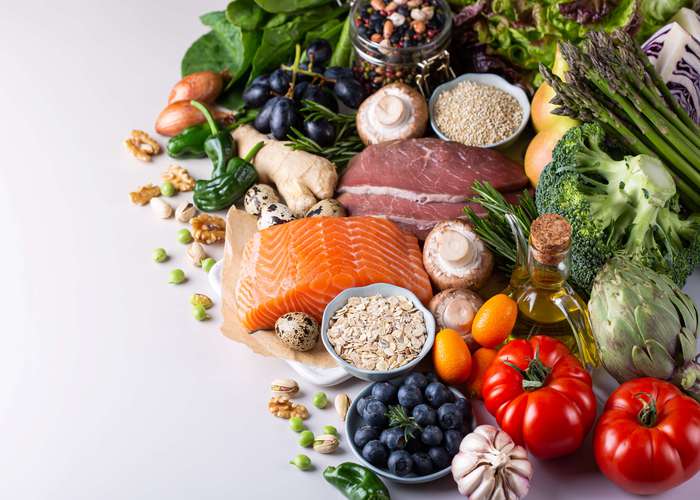
Foods to eat
A balanced diet rich in specific nutrients is crucial for the healthy development of the fetus. Certain foods provide essential vitamins, minerals, and other nutrients that support growth, development, and overall health throughout pregnancy.
1. Leafy Green Vegetables: Spinach, kale, and broccoli are rich in folate, which is vital for preventing neural tube defects like spina bifida. Folate also supports cell division and DNA synthesis, which are crucial for fetal growth.
2. Lean Proteins: Chicken, turkey, fish, and legumes provide high-quality protein, essential for the development of fetal tissues, muscles, and organs. Protein also supports the mother’s increased blood volume and overall health.
3. Whole Grains: Foods like quinoa, brown rice, and whole wheat bread are excellent sources of complex carbohydrates, fiber, and B vitamins. These nutrients help maintain energy levels, support digestion, and contribute to the development of the fetus’s brain and nervous system.
4. Dairy Products: Milk, yogurt, and cheese are rich in calcium and vitamin D, which are crucial for the development of the fetus’s bones and teeth. Calcium also supports the mother’s bone health and helps in maintaining a healthy pregnancy.
5. Fatty Fish: Salmon, sardines, and trout are high in omega-3 fatty acids, particularly DHA, which supports brain and eye development. Omega-3s also contribute to reducing inflammation and supporting overall maternal health.
6. Fruits: Citrus fruits like oranges, strawberries, and kiwi provide vitamin C, which enhances the absorption of iron and supports the immune system. Fruits also offer antioxidants and fiber, which are beneficial for both maternal and fetal health.
7. Nuts and Seeds: Almonds, chia seeds, and flaxseeds are packed with healthy fats, protein, and essential minerals like magnesium and zinc. These nutrients are important for fetal growth, development, and the overall health of the mother.
8. Eggs: Eggs are a good source of protein, choline, and vitamin D. Choline is particularly important for brain development and preventing neural tube defects. Eggs also provide essential amino acids necessary for fetal tissue development.
9. Legumes: Beans, lentils, and chickpeas are rich in iron, folate, and fiber. Iron helps in forming red blood cells and preventing anemia, while folate supports healthy fetal growth and development.
10. Sweet Potatoes: Sweet potatoes are an excellent source of beta-carotene, which the body converts into vitamin A. Vitamin A is crucial for fetal vision development, immune function, and cell growth.
What you should Avoid for Birth Defect and Fetal Development

Avoid harmful substances
During pregnancy, the developing fetus is highly sensitive to the environment within the womb, and the mother's lifestyle choices can significantly impact fetal development. Exposure to certain harmful substances can lead to birth defects, developmental issues, and long-term health problems. To promote a healthy pregnancy and reduce the risk of birth defects, it’s essential to avoid substances that can interfere with fetal growth and organ formation. Here are some of the most important harmful substances to avoid during pregnancy.
1. Alcohol: Drinking alcohol during pregnancy can cause Fetal Alcohol Spectrum Disorders (FASDs), leading to developmental delays, physical abnormalities, and behavioral problems. Even small amounts can interfere with brain and organ development.
2. Smoking: Smoking introduces harmful chemicals like nicotine and carbon monoxide, which can reduce oxygen flow to the fetus, resulting in low birth weight, premature birth, or birth defects such as cleft lip and heart defects.
3. Drugs (Recreational and Prescription): Recreational drugs like marijuana, cocaine, and opioids can harm fetal brain development, cause premature birth, or lead to long-term cognitive issues. Prescription medications that aren’t approved for pregnancy may also pose risks, so it’s crucial to consult a doctor.
4. Exposure to Chemicals and Environmental Toxins: Harmful chemicals found in household cleaners, pesticides, or industrial products can interfere with organ formation and increase the risk of birth defects or miscarriage. Pregnant women should avoid unnecessary exposure to these toxins.
5. Secondhand Smoke: Even if a woman doesn’t smoke, exposure to secondhand smoke can still increase the risks of birth defects, low birth weight, and respiratory issues in the newborn. Avoiding environments where smoking is present is important for fetal health.

Foods to avoid
During pregnancy, it's crucial to avoid certain foods that may carry harmful bacteria, toxins, or contaminants that could harm both the mother and the developing fetus. Eating the wrong foods can increase the risk of birth defects, infections, and other complications.
1. Unpasteurized Dairy Products: Unpasteurized milk, soft cheeses like brie and feta, and other dairy products can carry Listeria bacteria, which can cause listeriosis, a severe infection that may lead to miscarriage, stillbirth, or preterm labor.
2. Raw or Undercooked Seafood: Sushi, raw shellfish, and other undercooked seafood may contain harmful bacteria, parasites, or viruses that can lead to foodborne illnesses. These infections can negatively affect fetal development and increase the risk of miscarriage.
3. Fish High in Mercury: Large fish like shark, swordfish, king mackerel, and tilefish have high levels of mercury, which can damage the baby's developing brain and nervous system. It's important to choose low-mercury fish like salmon, tilapia, and cod.
4. Raw or Undercooked Meat and Eggs: Eating raw or undercooked meat and eggs can expose the mother to bacteria such as Salmonella and E. coli. These bacteria can cause food poisoning, which poses a risk to the pregnancy and can lead to complications like dehydration or premature labor.
5. Deli Meats and Hot Dogs: Deli meats, hot dogs, and other processed meats may harbor Listeria bacteria if not heated properly. This bacteria can cause serious infections and lead to complications like miscarriage or stillbirth.
6. Caffeinated Drinks: High levels of caffeine during pregnancy may increase the risk of miscarriage or low birth weight. It's best to limit caffeine intake and opt for decaffeinated alternatives to reduce potential risks.
7. Unwashed Fruits and Vegetables: Fruits and vegetables can carry harmful bacteria or pesticides if not thoroughly washed. Toxoplasma, a parasite found in contaminated soil, can cause toxoplasmosis, leading to miscarriage, stillbirth, or birth defects.

Avoid heat
Maintaining a comfortable body temperature is crucial during pregnancy, as overheating can have adverse effects on both the mother and the developing fetus. Overheating can increase the risk of birth defects and other complications, so it’s important to take steps to stay cool and manage body temperature effectively.
1. Avoid Hot Tubs and Saunas: Hot tubs and saunas can elevate your body temperature to levels that may be harmful during pregnancy. High temperatures can increase the risk of neural tube defects and other developmental issues in the fetus. It’s best to avoid these activities to ensure a safe and healthy pregnancy.
2. Stay Hydrated: Drinking plenty of water helps regulate body temperature and prevents dehydration. Dehydration can lead to overheating and increase the risk of complications such as preterm labor. Aim to drink at least eight glasses of water a day, and more if you’re in a hot environment.
3. Wear Lightweight Clothing: Opt for loose-fitting, breathable fabrics to help your body stay cool. Fabrics like cotton allow for better air circulation and help prevent overheating. Avoid wearing tight or heavy clothing that can trap heat.
4. Avoid Exercising in Hot Weather: Exercising in high temperatures can raise your body temperature and increase the risk of overheating. It’s best to exercise during cooler parts of the day or in air-conditioned environments. Listen to your body and take breaks as needed.
5. Use Air Conditioning and Fans: Staying in cool environments can help manage body temperature. Use air conditioning or fans to keep indoor spaces comfortable. Avoid prolonged exposure to high temperatures and ensure that you are in a well-ventilated area.
6. Take Cool Showers: A cool shower or bath can help lower your body temperature and provide relief from heat. Avoid very hot showers or baths, which can contribute to overheating.
7. Avoid Direct Sun Exposure: Prolonged exposure to the sun can increase your body temperature. When outdoors, wear a hat and seek shade to protect yourself from excessive heat. Use sunscreen to protect your skin from UV rays.
8. Monitor Body Temperature: Pay attention to signs of overheating, such as excessive sweating, dizziness, or feeling faint. If you experience any of these symptoms, move to a cooler environment and hydrate immediately.
Prevention library Birth Defect and Fetal Development
- Show only
- Articles
- Videos


Birth Defect and Fetal Development Prevention Forum
Always respect others and address them in a professional manner. Please remain authentic and objective.Aposbook does not endorse any comment and is not responsible for any wrong information provided by users.


Success! Thank you for your comment.