






Heart Disease Dos and Don'ts: Prevention and Lifestyle
What you should Do for Heart Disease
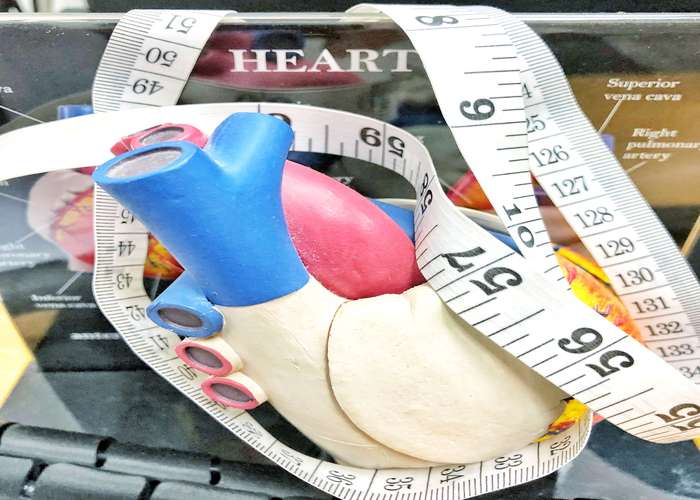
Maintain a healthy weight
Excessive weight can increase the deposit of plaque (cholesterol and fat) in the arteries.
Plaque deposits narrow the arteries and lead to their blockage. Thus, sustaining a healthy weight helps prevent plaque deposition which may block the arteries in the future.

Exercise regularly
Engaging in physical activity is very important for heart health because it can strengthen the heart muscles. This provides additional health support and helps the coronary arteries maintain their elasticity.
It’s important to combine aerobic exercises such as jogging or cycling with strength training exercises.

Conduct regular check-ups
Visit your doctor regularly to do check ups and keep track of your overall health. Blood tests are required to prevent the risks of heart disease.
Tests should cover your lipids profile that includes cholesterol, triglycerides, high-density lipoprotein (HDL), and low-density lipoprotein (LDL). You should also test your glucose levels.

Sleep well
Getting enough sleep is essential to protect your heart from the risk of atherosclerosis. Sleep deprivation or oversleeping might activate certain chemicals that increase blood pressure and heart rate.
Over time, this might cause hypertension, glucose metabolism, and an increased chance of developing atherosclerosis.

Monitor blood pressure
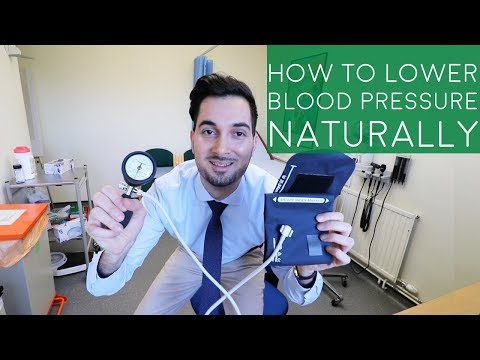
It’s important to always monitor your blood pressure to make sure it’s normal and well controlled.
High blood pressure is known as the "silent killer" because it has no symptoms until the damage is done to the heart and arteries.
What you should Avoid for Heart Disease

Restrict alcohol intake
Do not drink more than 14 units of alcohol per week because excessive alcohol consumption has been shown to damage the heart arteries.

Avoid stress
Psychosocial stressors might activate the release of chemical substances in the blood such as catecholamines and glucocorticoids.
Those substances can increase the blood flow inside the arteries and damage them over time.
Avoid salt
Salt can increase blood pressure which can damage the heart’s arteries.
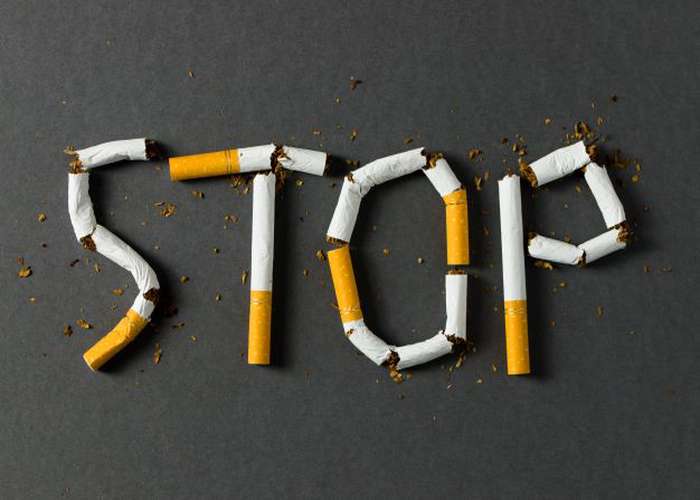
Refrain from smoking
Smoking can permanently damage your heart and blood vessels and cause plaque to build up in the arteries. Plaque is a waxy substance consisting of cholesterol, calcium, fat, scar tissue, and other substances.
This plaque built-up narrows the arteries and decreases the blood flow to the heart which may cause chest pain (angina), shortness of breath, or other cardiovascular disease (CVD) signs and symptoms. A complete blockage can lead to heart attack and death.
Cigarette smoke can also change the blood chemistry resulting in cardiovascular diseases. That's why it is very important to avoid smoking completely. If you smoke, you should stop immediately.
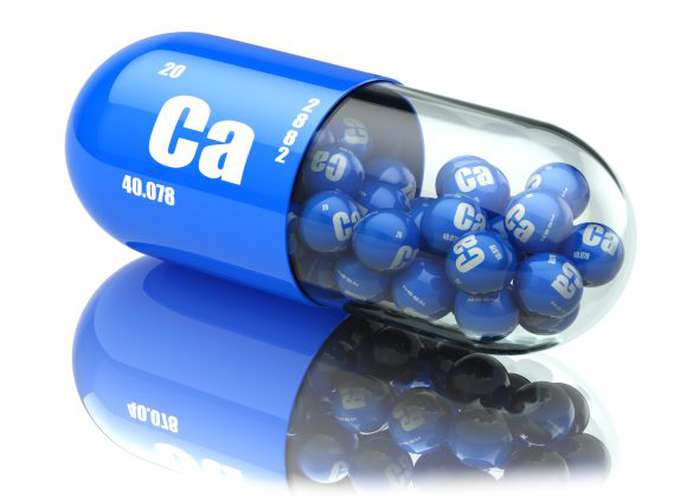
Avoid excess calcium supplements
Calcium is very good for the bones. However, researchers found that doses of calcium supplement exceeding 1,000 mg per day might increase the risk of cardiovascular disease death.
This is suggested because calcium deposits can be part of artery-clogging plaque.
More research is still required on this topic before coming with final conclusions. Effects might also vary between men and women.
Prevention library Heart Disease
- Show only
- Articles
- Videos











Heart Disease Prevention Forum
Always respect others and address them in a professional manner. Please remain authentic and objective.Aposbook does not endorse any comment and is not responsible for any wrong information provided by users.


Success! Thank you for your comment.