





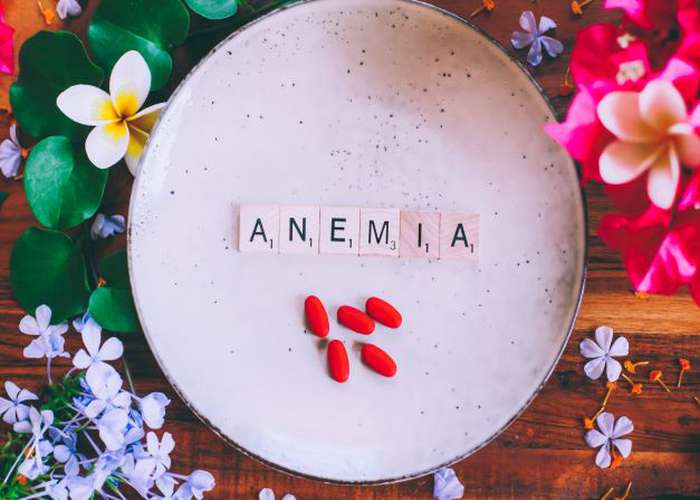
Anemia Dos and Don'ts: Tips and Prevention
What you should Do for Anemia
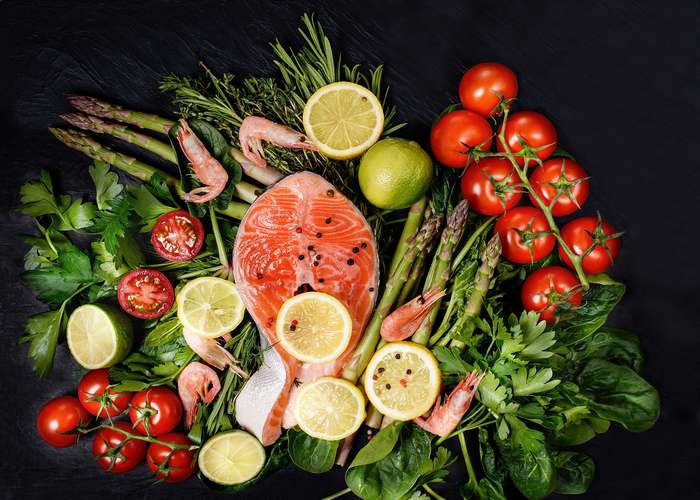
Foods to eat
If you want to prevent or manage anemia, particularly iron-deficiency anemia, it's important to focus on nutrient-rich foods that help increase red blood cell production and boost iron levels. These foods can aid in improving energy levels and overall health by addressing the root cause of anemia. Here are some foods to incorporate into your diet for anemia:
1. Red Meat: Rich in heme iron, which is more easily absorbed by the body compared to plant-based iron.
2. Leafy Greens: Spinach, kale, and Swiss chard are excellent sources of non-heme iron and vitamin C, which enhances iron absorption.
3. Fortified Cereals: Many breakfast cereals are fortified with iron, making them a convenient way to boost iron intake.
4. Legumes: Lentils, beans, chickpeas, and soybeans provide non-heme iron and are great for vegetarians or vegans.
5. Eggs: A good source of iron and protein, eggs help support overall health and energy levels.
6. Poultry: Chicken and turkey contain heme iron, which is easily absorbed, and can contribute to better iron levels.
7. Fish: Fish like salmon, tuna, and mackerel are rich in iron and also contain omega-3 fatty acids, which support heart health.
8. Nuts and Seeds: Pumpkin seeds, cashews, and sunflower seeds are great sources of iron and healthy fats.
9. Tofu: Tofu is a versatile plant-based source of iron, especially beneficial for vegetarians.
10. Citrus Fruits: Oranges, lemons, and other citrus fruits are high in vitamin C, which helps improve the absorption of non-heme iron from plant-based foods.
By incorporating these foods into your diet, you can help manage anemia effectively and promote better blood health.
What you should Avoid for Anemia

Foods to avoid
Certain foods can interfere with iron absorption or worsen anemia symptoms. Avoiding these foods or consuming them in moderation, especially around meals high in iron, can help improve your body's ability to absorb iron and combat anemia. Here are some foods to avoid:
1. Tea and Coffee: These beverages contain tannins, which can inhibit the absorption of non-heme iron from plant-based sources.
2. Dairy Products: Excessive intake of milk, cheese, and yogurt can hinder iron absorption due to their high calcium content, which competes with iron for absorption.
3. Whole Grains: While healthy, whole grains contain phytates, which can bind to iron and reduce its absorption. Pairing them with vitamin C-rich foods can mitigate this effect.
4. Foods High in Oxalates: Foods like rhubarb and chocolate contain oxalates, which can interfere with iron absorption, especially non-heme iron from plant-based foods.
5. Soy Products: Though a good source of iron, soy contains compounds that can reduce the absorption of iron, particularly non-heme iron.
6. Foods High in Gluten: For people with celiac disease or gluten intolerance, gluten can damage the small intestine and reduce the body's ability to absorb iron.
7. Soda and Sugary Foods: These offer no nutritional value and can displace healthier, iron-rich foods from the diet.
8. Processed and Junk Foods: High in unhealthy fats and low in nutrients, these foods can lead to poor overall health and exacerbate anemia symptoms.
Limiting these foods, especially around iron-rich meals, can help improve iron absorption and better manage anemia.
Prevention library Anemia
- Show only
- Articles
- Videos

No material available on this topic. You can add relevant content by using the "Add content" option. Together, we can help people and promote knowledge.
Anemia Prevention Forum
Always respect others and address them in a professional manner. Please remain authentic and objective.Aposbook does not endorse any comment and is not responsible for any wrong information provided by users.


Success! Thank you for your comment.